

This Museum Wants You to Identify People in Civil Rights Photos
When a press photographer covers a news event, they will often take hundreds of photos. But only a handful, perhaps only one, will wind up getting published.
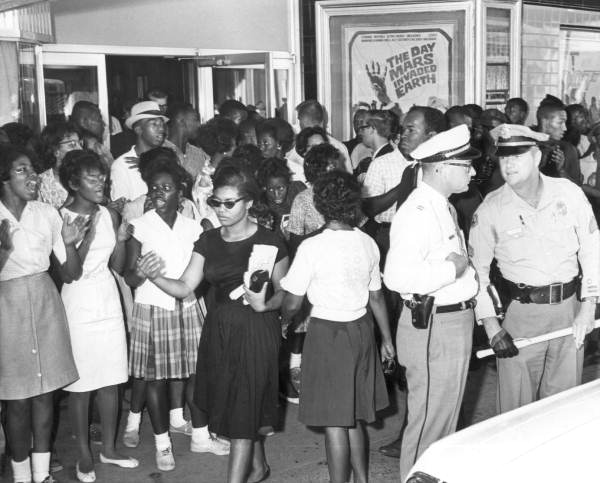
At a rally or protest, photographers might capture the faces of scores of people who are unaware that their presence at a historic event is being documented.
The Smith Robertson Museum in Jackson, Mississippi, is seeking to put a name to some of those faces by publishing 51 contact sheets taken by photographers who covered the Civil Rights Movement in the Magnolia State.
WLBT3 reports that visitors to the exhibit, titled “Proof Positive,” are invited to examine the contact sheets closely and study the faces to see if they recognize anyone.
“For me to know my story, I share it with my nieces, nephews, cousins, friends, anybody who comes in here, but many people don’t know their story,” the museum’s manager Theresa King tells WLBT3.
The location of the Smith Robertson Museum is pertinent: Jackson was a highly contested center in the Civil Rights Movement. In 1961, the “Tougaloo Nine” entered the Jackson Municipal Library so they could read there. Under Jim Crow laws, Black citizens were barred from the library, which was better-funded and stocked than the other library Black people in Jackson were allowed to go to. Library staff called the police, who arrested all nine.
Later that same year, more than 300 Freedom Riders arrived by bus in Jackson to enter the segregated terminal space. They were arrested when they arrived and eventually overwhelmed the Jackson prison system.
These historic events were covered by press photographers, but not everyone’s name and face were recorded for posterity.
“You could have been standing at a mass meeting or protest and the person next to you was the person who was featured, but you see your hand or hear your grandparents tell stories,” says King.
If any visitors do recognize someone in the unpublished photos and they’re identified, the museum will send a free print to the family as a gift.
“These are the shoulders that we all stand on,” King adds. “And we might not know their faces, but just to see them.”
The exhibition at the Smith Robertson Museum runs until December 31, 2026.
Affiliate Disclosure PetaPixel articles may include affiliate links; we may earn a commission if you buy through one.


