Sigma 50-120mm f/2.8 Contemporary Review: You’ll Want to Take This Lens Everywhere
The classic 70-200mm f/2.8 lens is such a useful staple in the professional photography world. Full-frame users have long lusted after these pro telephotos to handle everything from sports and events to studio portraits. Traditionally, these lenses are very expensive and very large, but on an APS-C platform, they could be far more compact and affordable.

Sharp, compact, and with a focal range that is sorely missing across multiple lens mounts, this Sigma lens checks nearly every box.
Pros
- Lightweight and weather-sealed
- Fast f/2.8 aperture throughout the focal range
- Good bokeh and decent sharpness
- Compact design is far better suited to APS-C cameras
- Fast focusing for sports and event photography
Cons
- Flare is a bit too visible
- Corner sharpness is slightly blurry at wider apertures
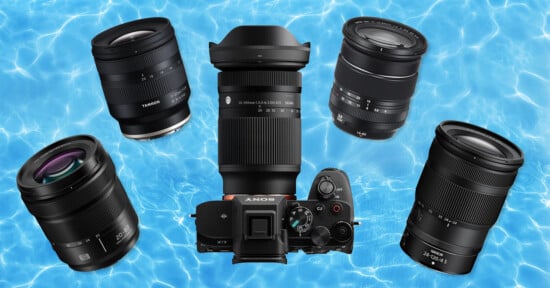
So why do so few manufacturers make appropriately fast telephoto lenses for APS-C cameras? Sony has one of the most open lens mounts around, but there aren’t many options to cover this useful range with a fast aperture. Canon does not have anything with a fast aperture dedicated to the smaller sensor size. Fujifilm, however, does make a 50-140mm f/2.8 that provides brilliant performance, but it is huge and expensive. Maybe Sigma can save the day with its new ultra-compact Contemporary 50-120mm f/2.8 for only $799.
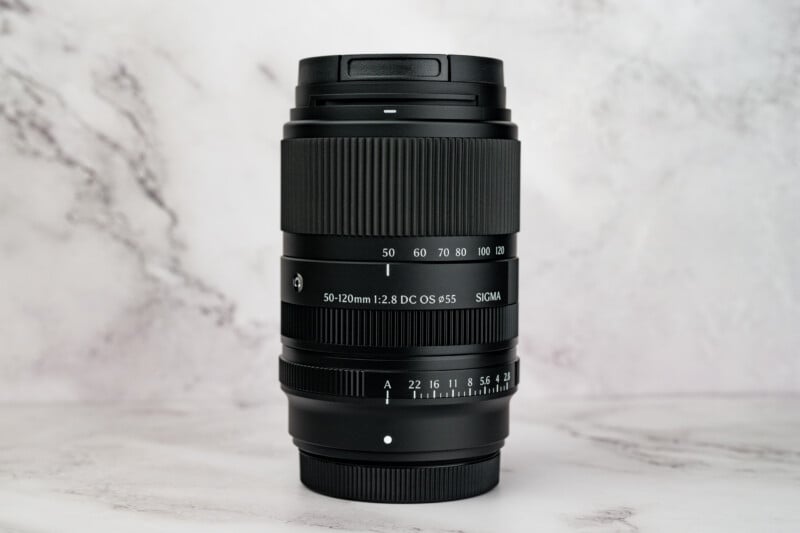
Sigma 50-120mm f/2.8 Contemporary: How It Feels
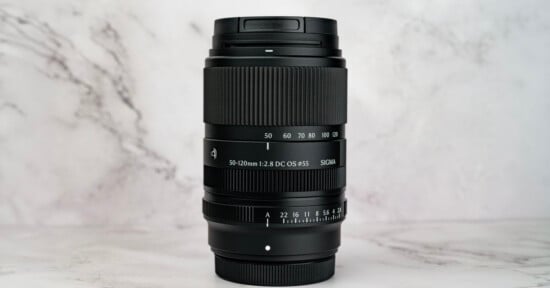
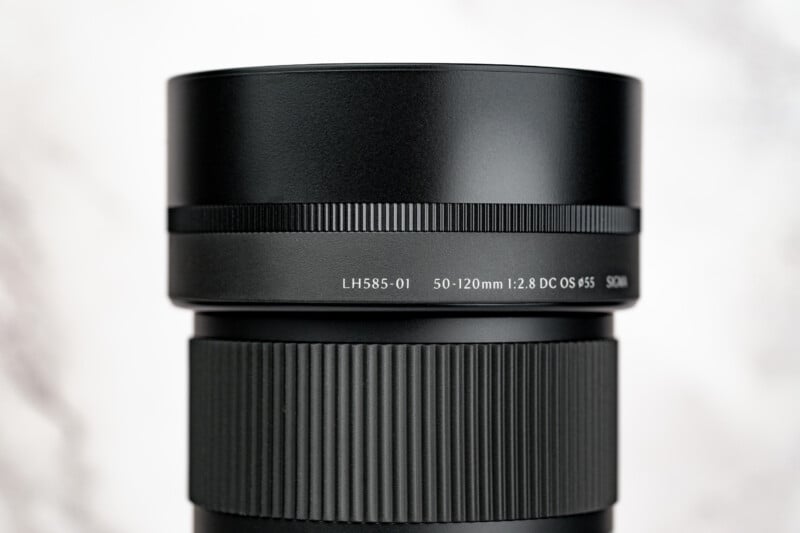
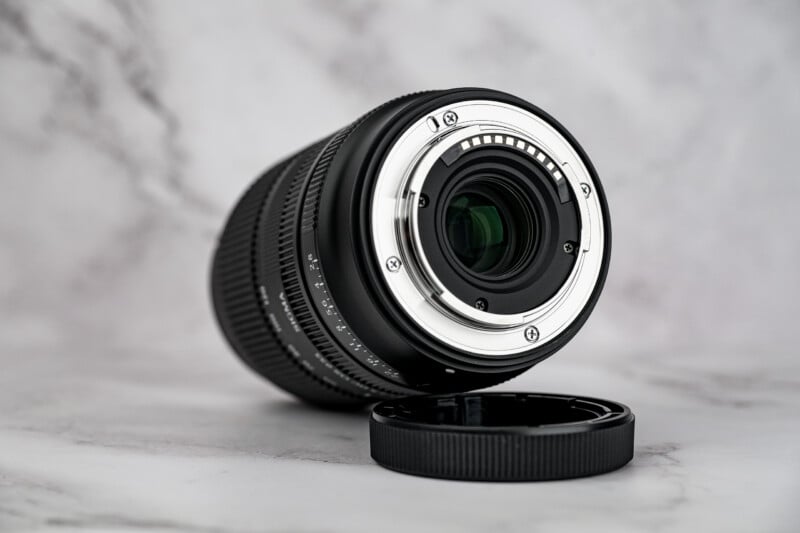
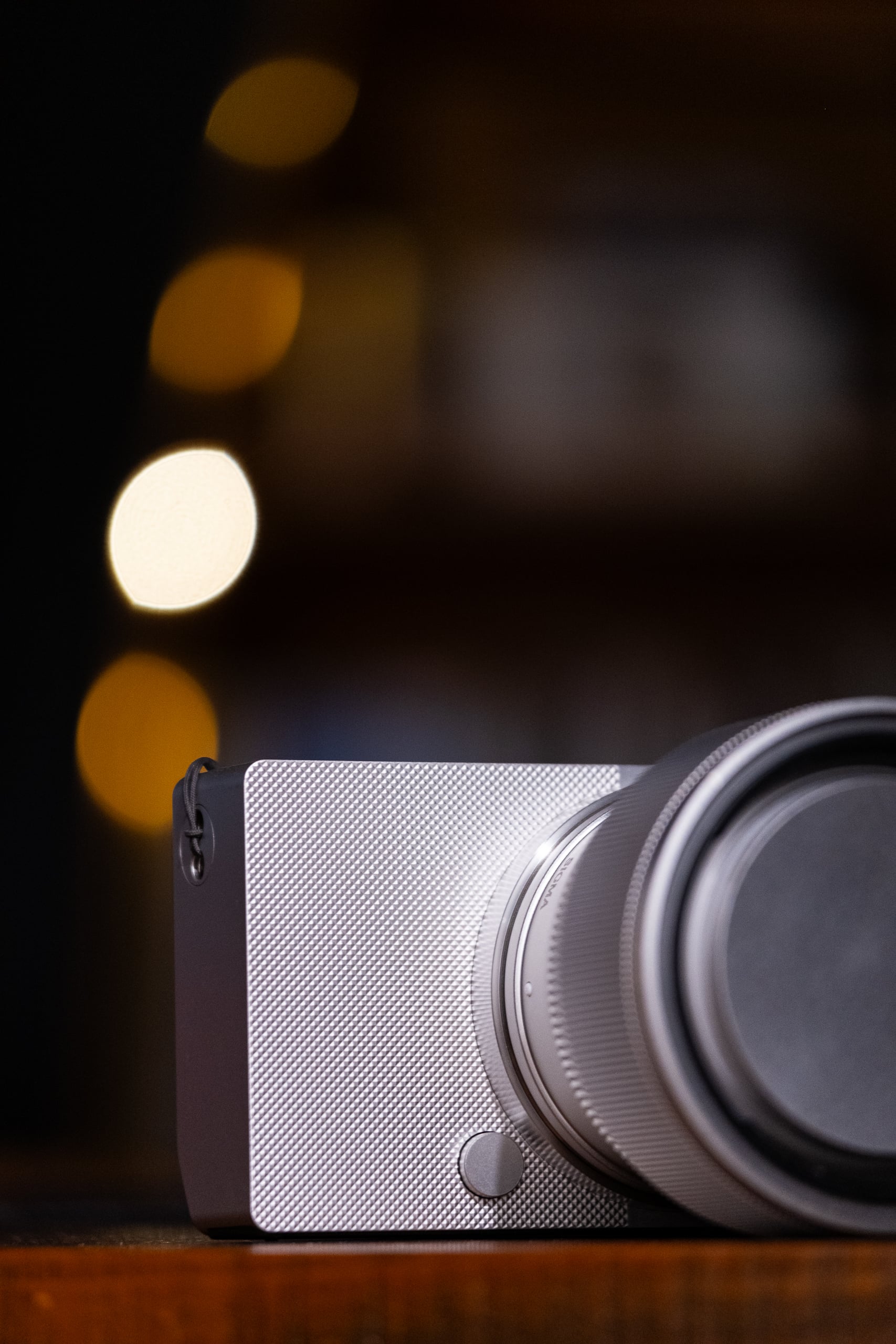
The new 50-120mm is going to be released for the aforementioned mounts, but I tested it out on my own Fujifilm X-E5 for this review. On most APS-C sensors, you will get an equivalent full-frame focal length range of 75-180mm. I was immediately struck by how ideal it is on such a small camera body. The lens only weighs 13.8 ounces (390 grams), and the 55mm filter threads keep the lens diameter very manageable. Sigma didn’t strip the lens down to save weight either, because you will find a robust zoom ring, manual focus ring, and even an aperture ring. The lens even incorporates an optical stabilizer inside to assist with stability.
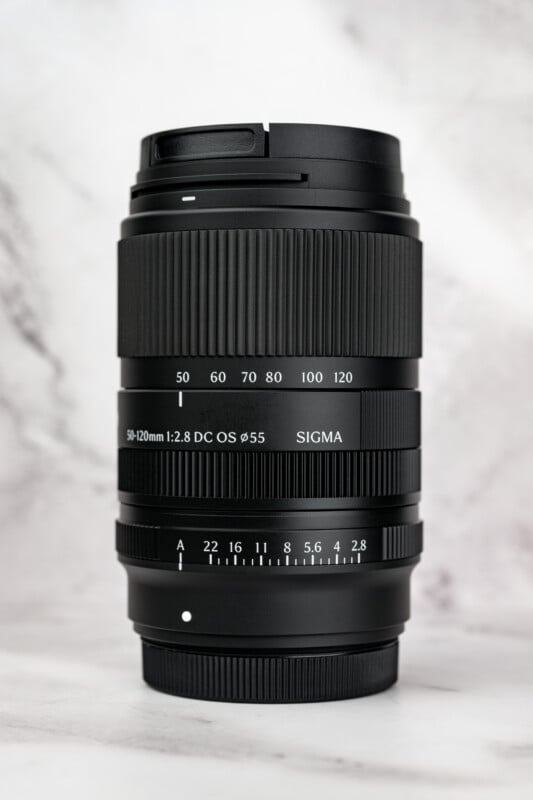
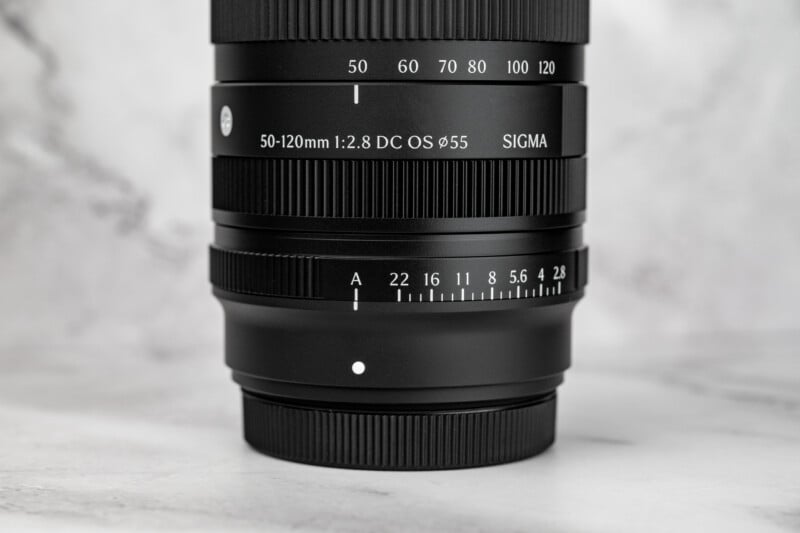
However, don’t expect to find an AF/MF selector switch anywhere. I also wish there were a lock to keep the aperture ring from constantly slipping into the auto setting. Still, the lens design seems pretty feature-rich given its diminutive size, weight, and price. Being a Contemporary series lens by Sigma, you will get fairly weather-resistant construction as well. The supplied hood does its job well, too, and doesn’t stick out too far from the front of the lens. All of this comes along with that bright f/2.8 aperture all the way through the focal range, and although depth of field will look like an f/4 aperture on a full-frame equivalent lens, the compact size and convenience factor alone are still incredibly desirable, especially compared to the Fujifilm f/2.8 alternative.
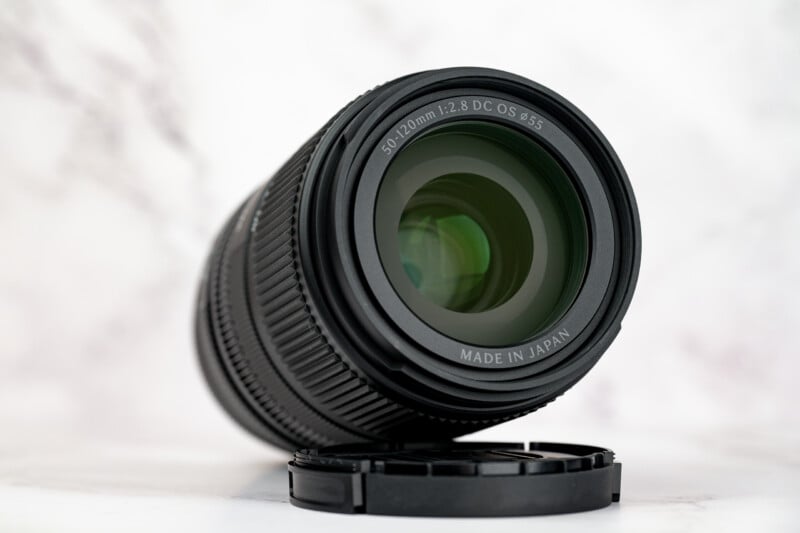
Sigma 50-120mm f/2.8 Contemporary: How It Shoots
I always expect there to be some compromises when a lens is both compact and priced well. However, the Sigma 50-120mm has a high-speed linear focusing motor, and the image stabilization worked well. I had no complaints about the focusing speed or handheld stability of the lens. The overall handling of the lens and various function rings was intuitive and painless.
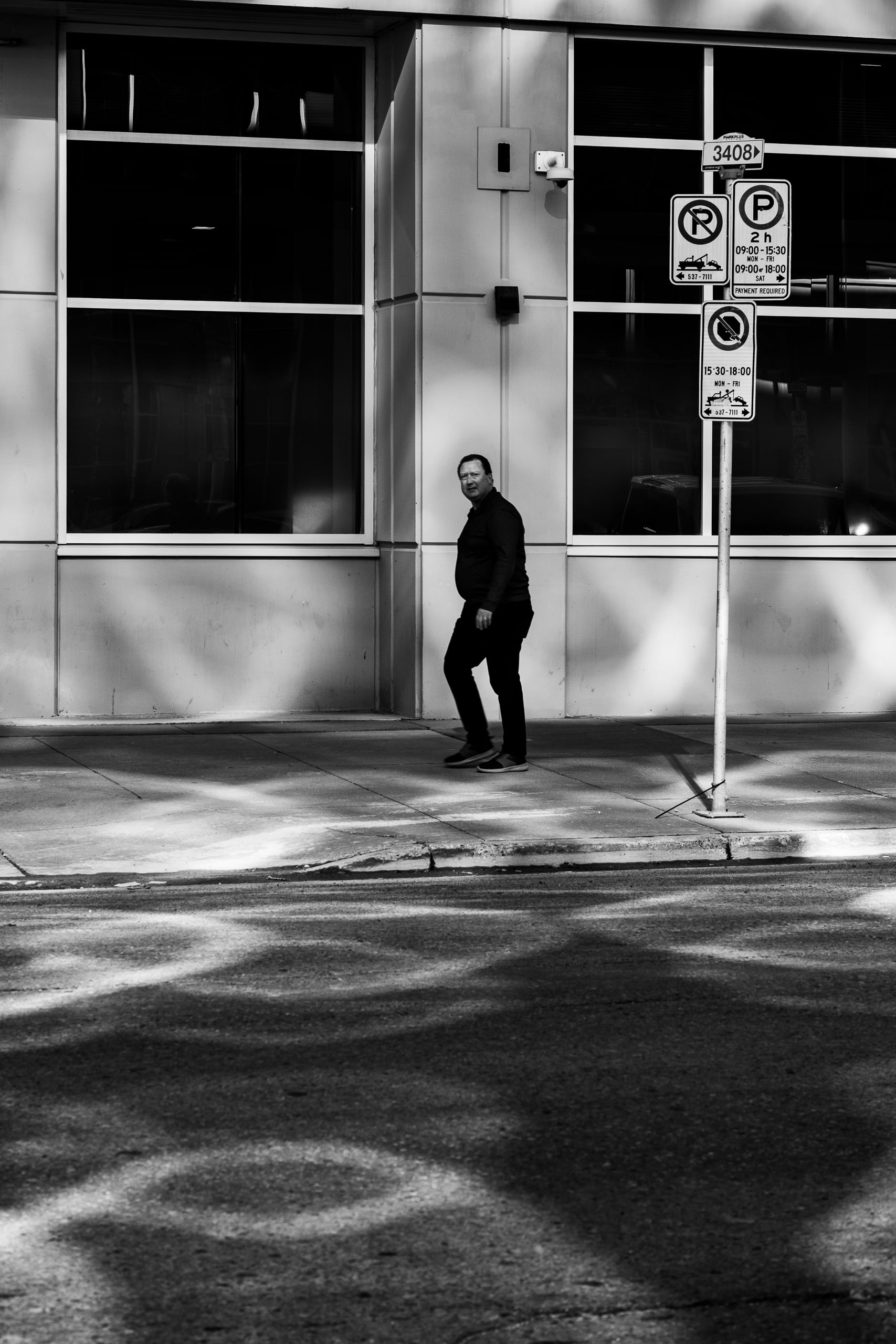
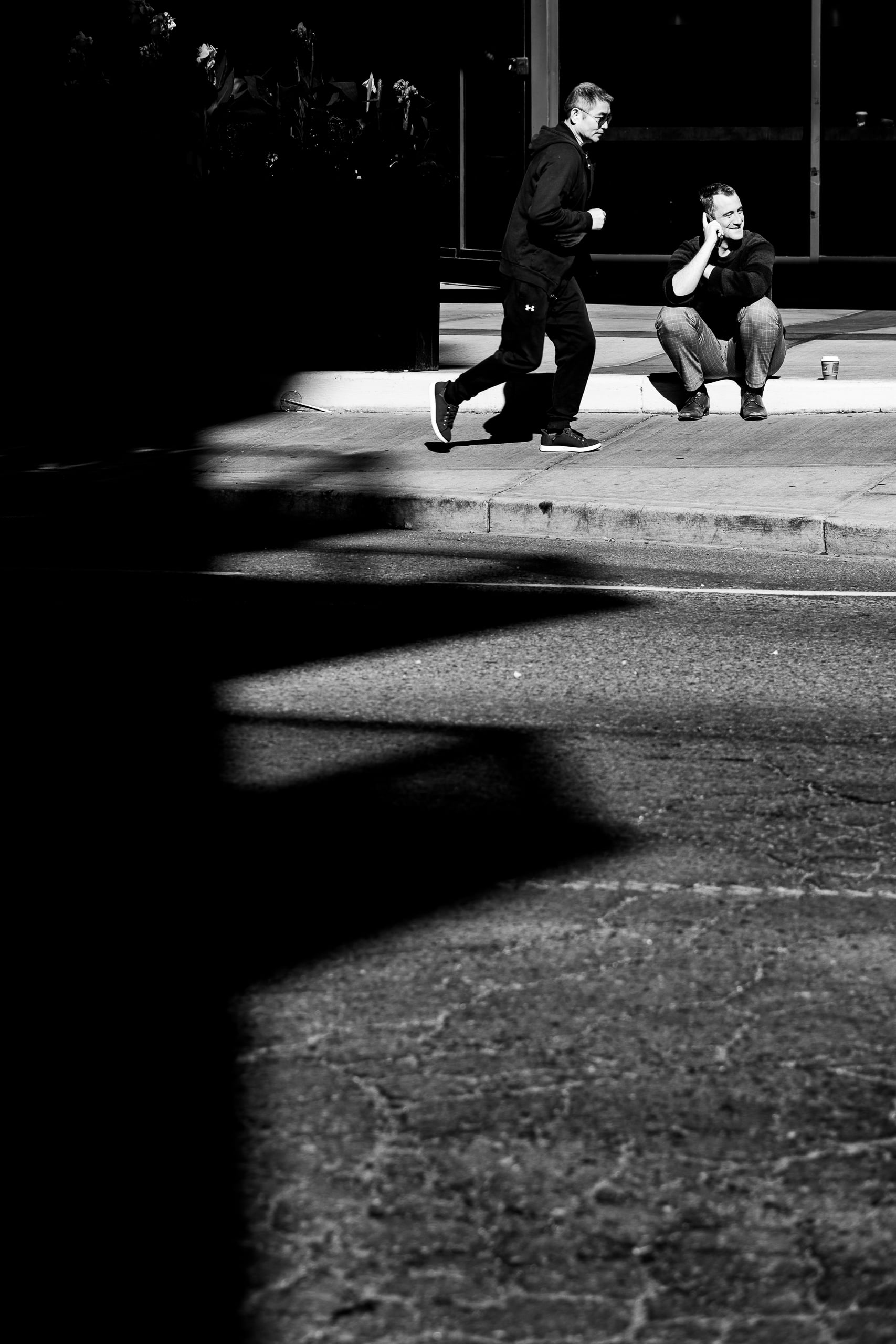
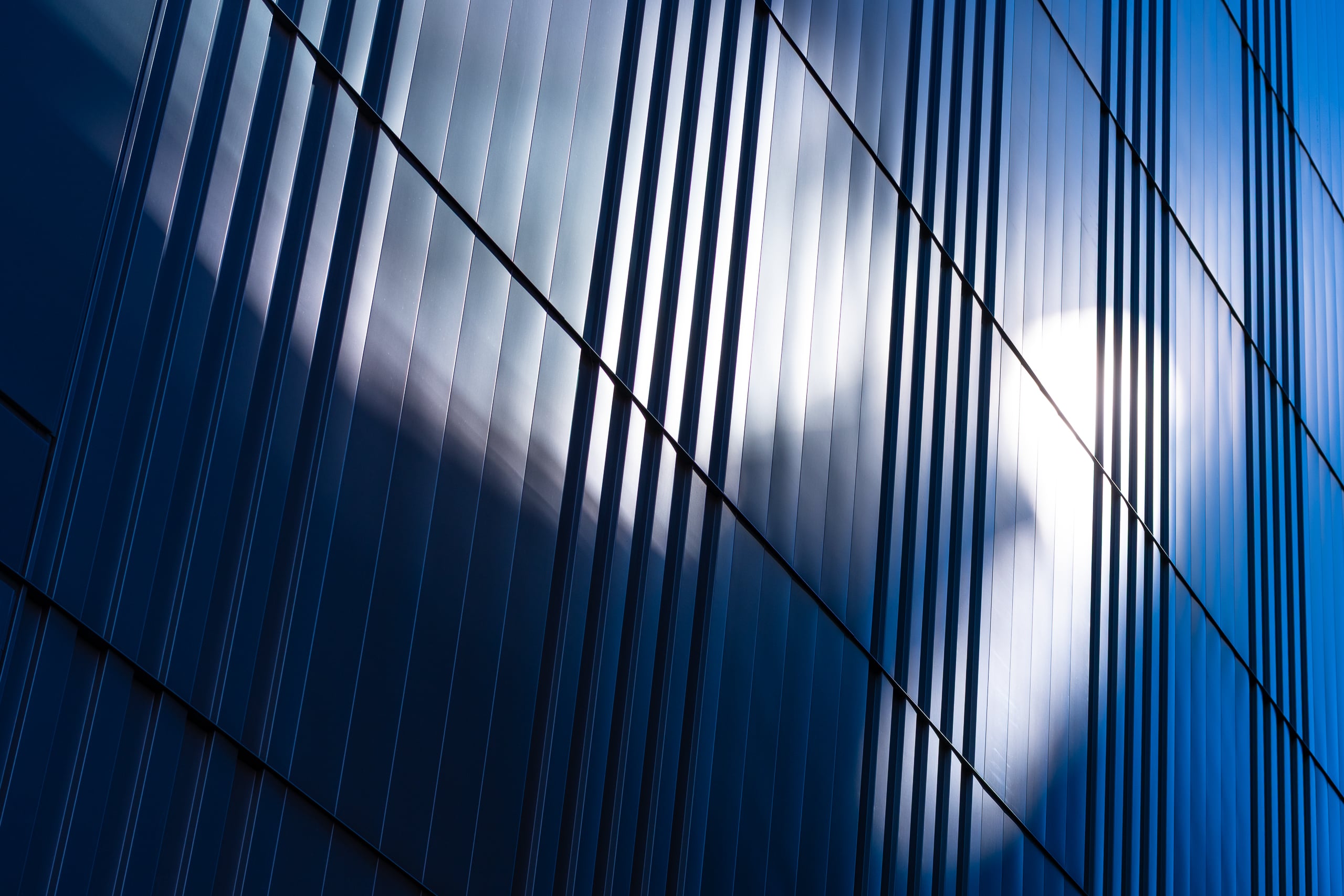
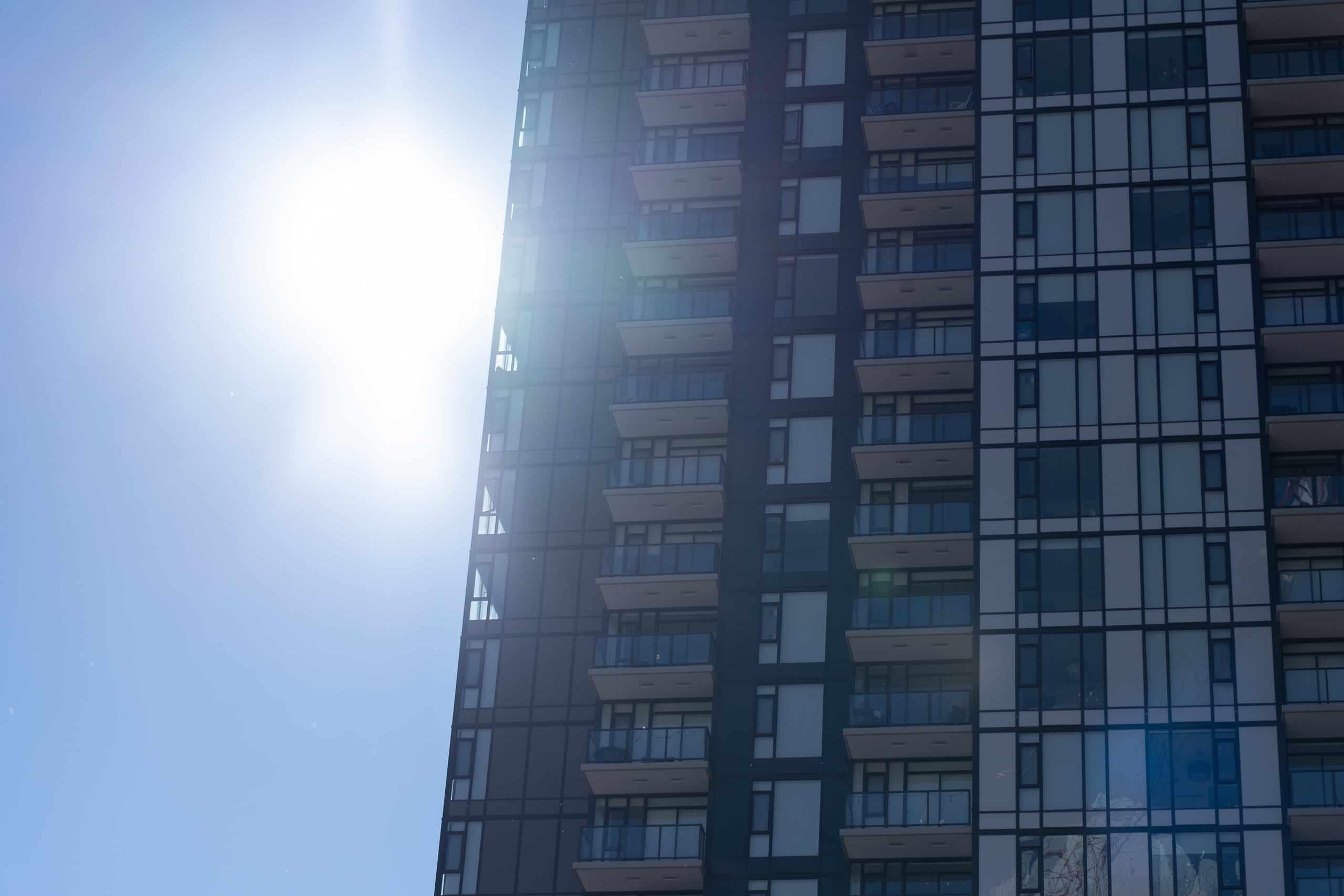
The lens didn’t suffer from any major LoCA or longitudinal chromatic aberration problems. There was no noticeable color fringing in the out-of-focus areas, which is a good thing, because these splashes of green or magenta can be difficult to remove afterward. I did notice veiled flare happened quite easily with this lens when bright light sources were present in the frame. This flare causes a washed-out look and a general loss of contrast. Some photographers will actually prefer this look for backlit portraits and event shots. Stopping the lens down does help reduce this slightly, and ghosting was minimal across the aperture range.

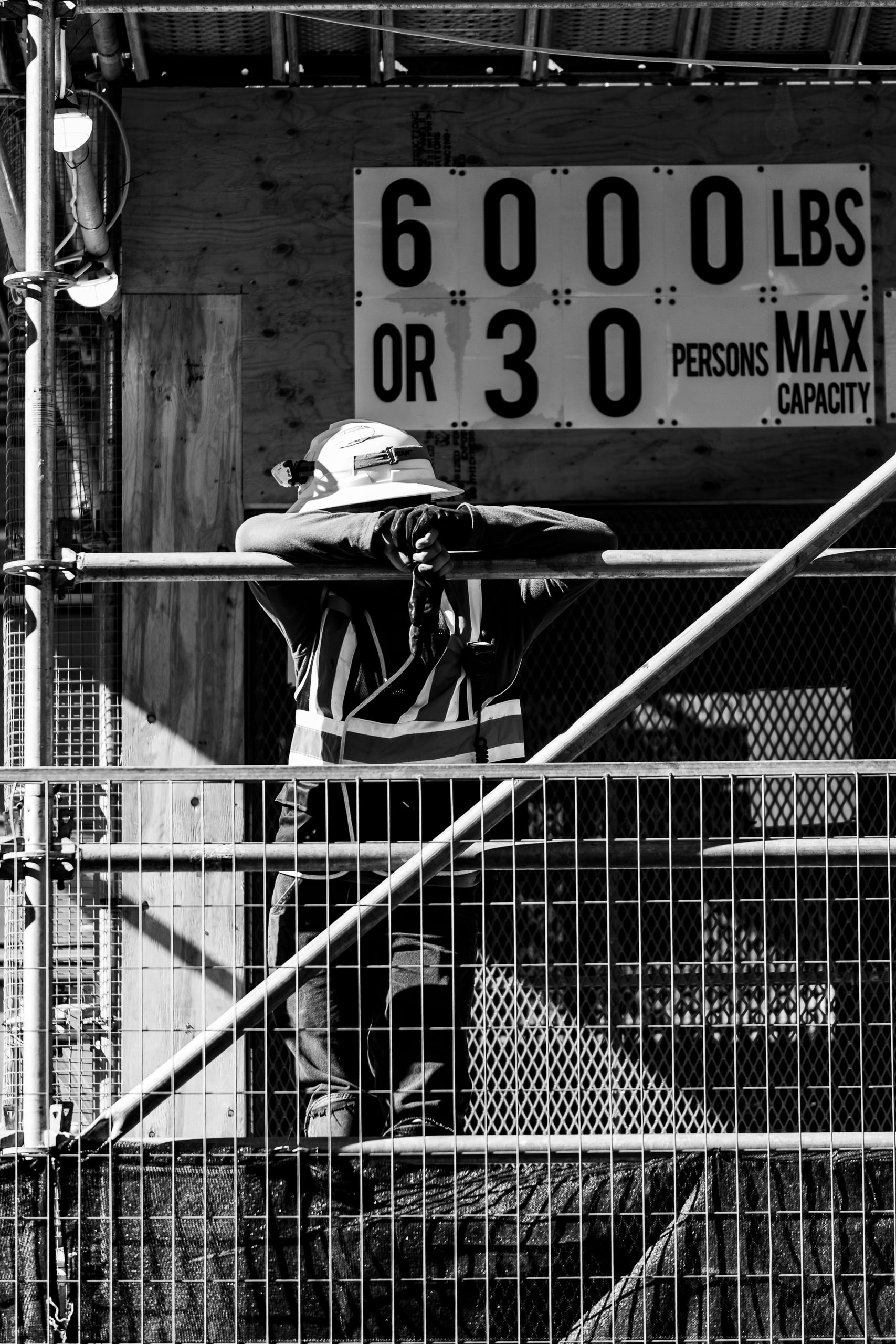
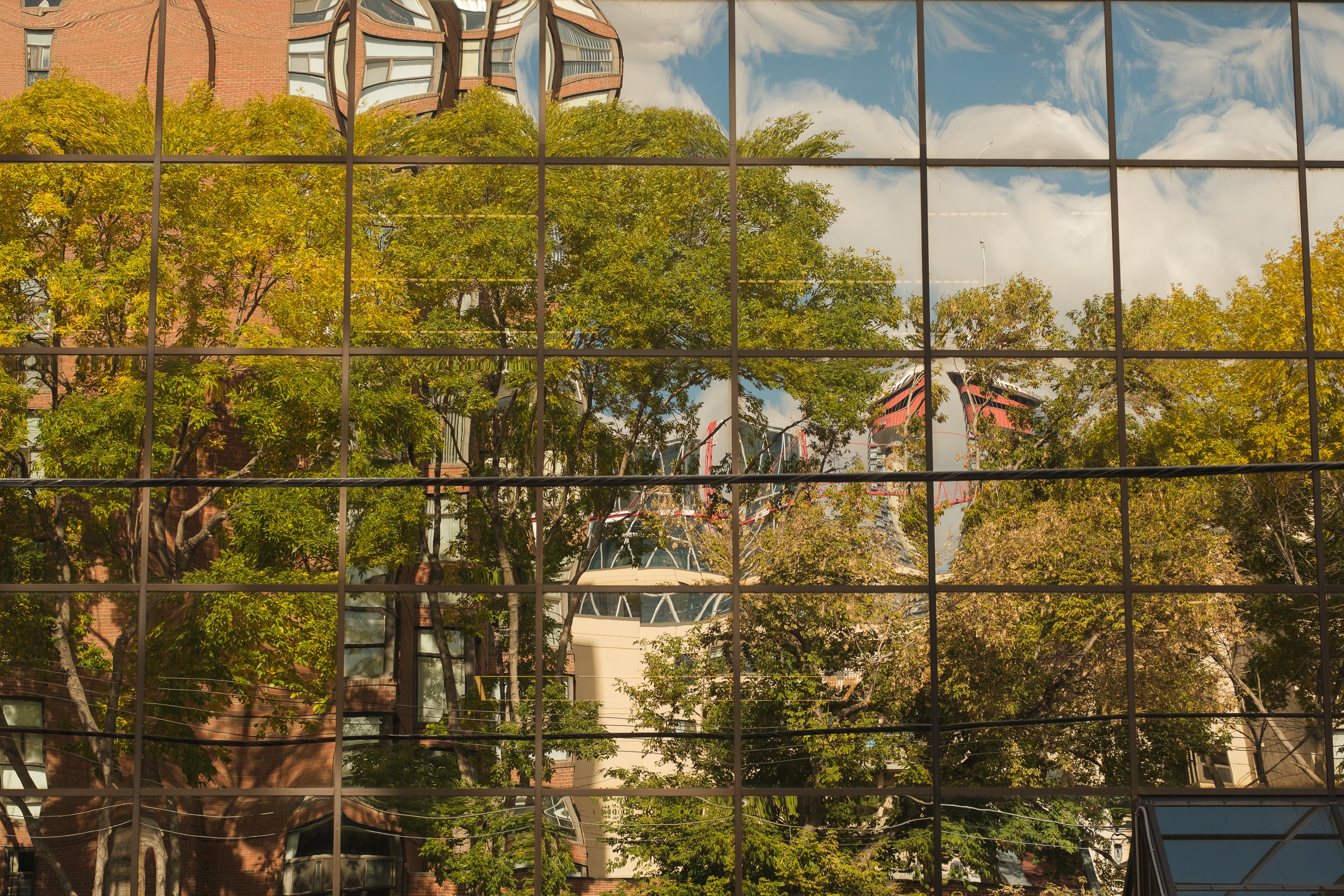
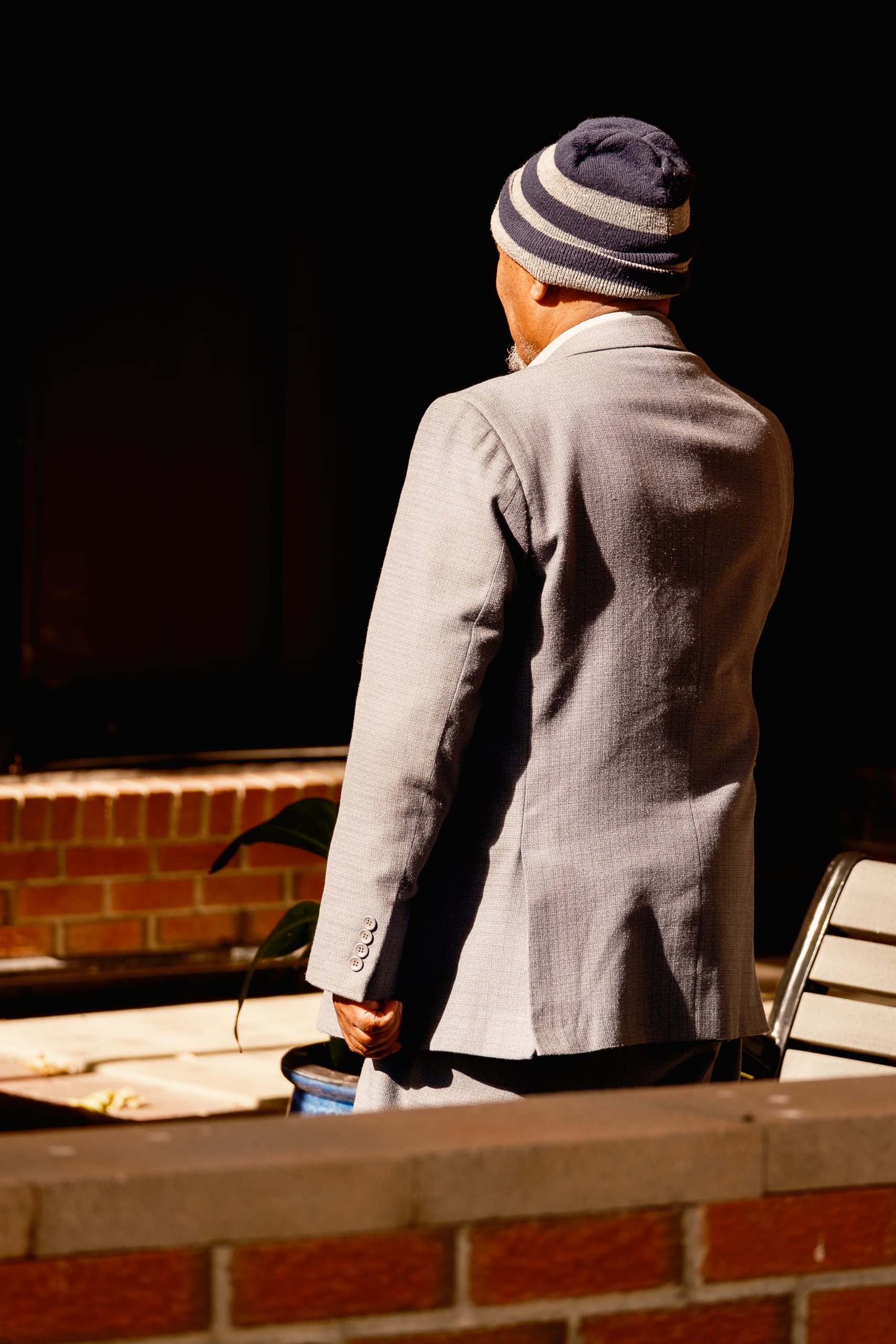
Bokeh was quite lovely out of this lens, with shallow depth of field possible wide open. Backgrounds tended to have soft blur without any distracting harshness, and pleasant-looking transitions. Specular highlights were clean and round when stopped down. I didn’t see any onion rings or haloes either. This is one of the hardest areas of lens design to refine, and Sigma did a great job with this optical formula. Bokeh also looks nice when focusing the lens close to subjects. However, the macro capability isn’t really notable. You can fill the frame with larger flowers, for example, but you aren’t going to get any macro shots out of this lens.


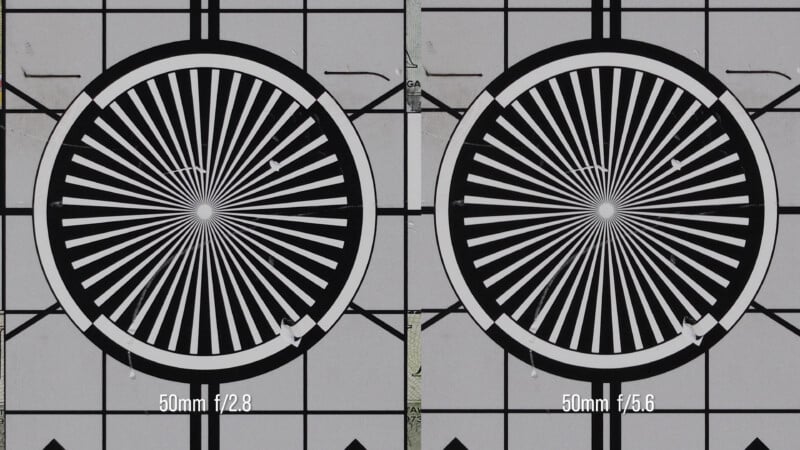
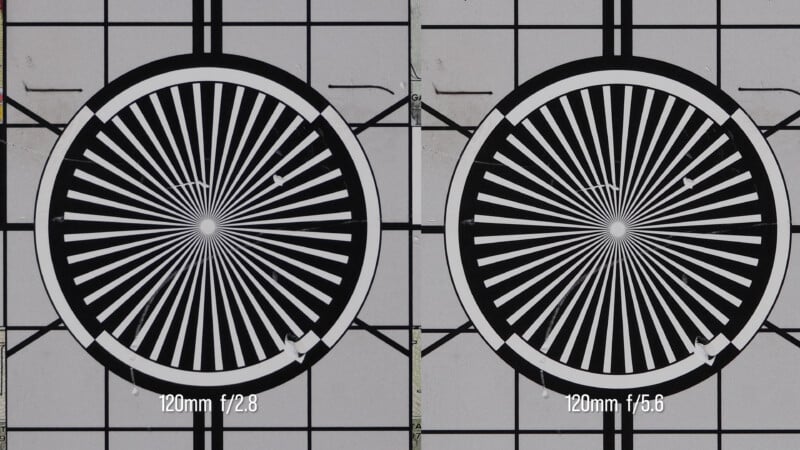
Sharpness is best on this lens at the 50mm range, with good detail in the center of the frame and minor improvement at tighter apertures. In the corners, there is some blurriness at the extreme edges, and only a tighter aperture, stopped down a couple of stops, improves things. At the 120mm end, the lens has a touch of softness wide open in the center. It’s perfectly usable here, but stopping down to f/5.6 yields noticeable improvements. If you want sharp corners, you definitely need to focus on these specific areas. There is some softness at f/2.8 as well. Stopping the aperture down slightly is needed to bring clarity back to the corners.
Sigma 50-120mm f/2.8 Contemporary: We Needed This
APS-C cameras deserve more love in the lens department, and the Sigma 50-120mm was sorely needed. I loved how compact and convenient this lens was to use, and it has some excellent optical characteristics. I tested this lens on a 40-megapixel sensor, which will show the softer results of the lens far more easily than on other cameras. I think that on most APS-C sensors, the sharpness results will be totally acceptable at f/2.8, and as mentioned earlier, softer flare might actually be desirable to some users.





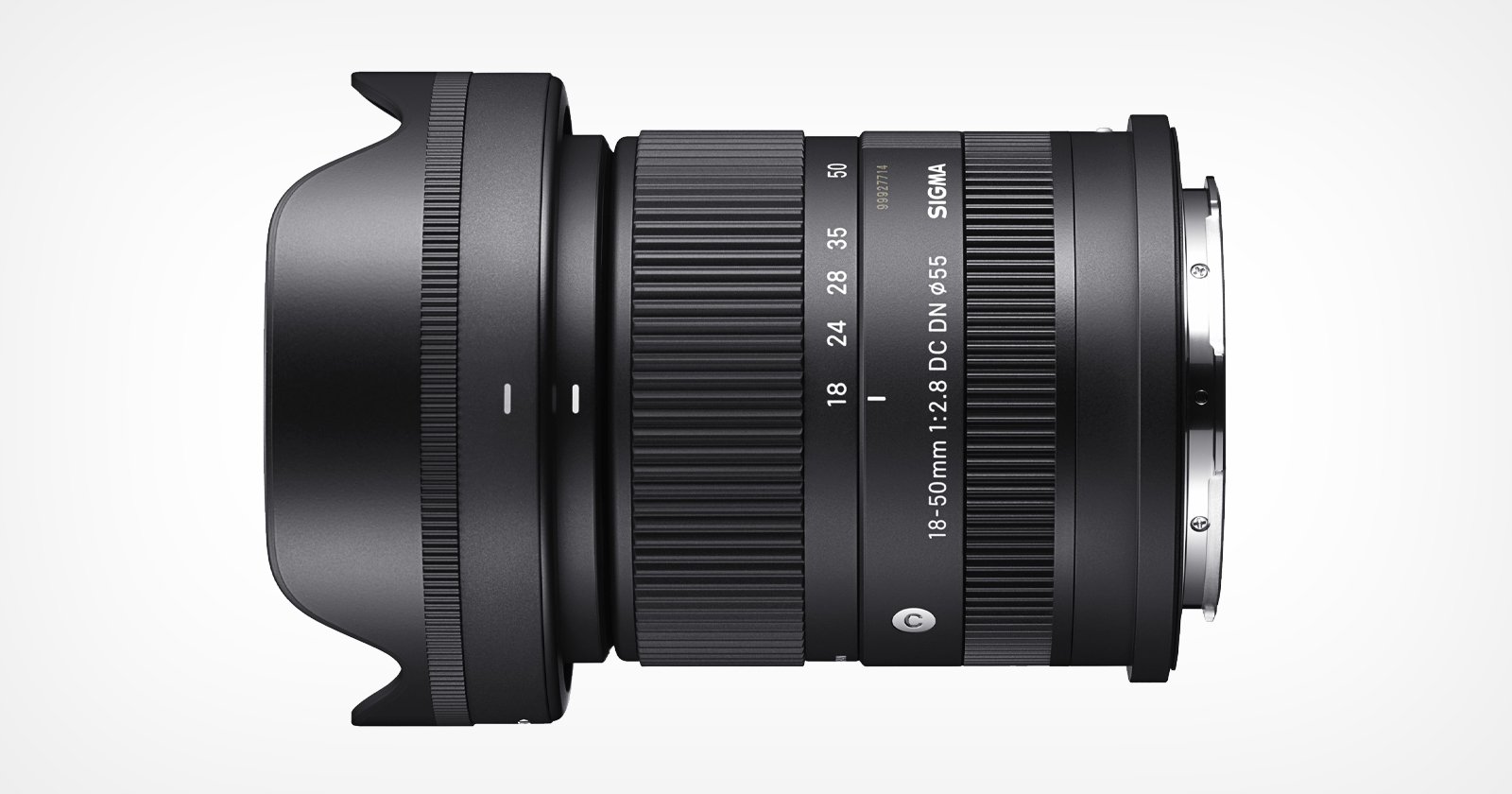
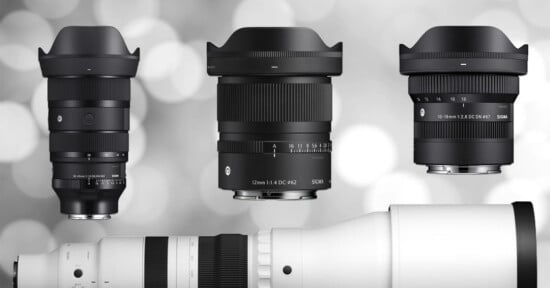
More importantly, every lens mount that this telephoto is made for will benefit from this new lens design. The versatility of a short telephoto zoom with a fast aperture suits many kinds of photography, and I see this lens making a ton of sense for a wide range of photographers. Let’s also keep in mind that Sigma has already released an excellent 10-18mm f/2.8 lens and an 18-50mm f/2.8, so you can now get a holy trinity of pro lenses that weigh less than a kilogram combined. If you want a $799 workhorse lens that is easy to take anywhere, Sigma has you covered. Finally.


Are There Alternatives?
The market is sorely lacking in this area of lens design. Most manufacturers want you to invest in a full-frame 70-200mm f/2.8 lens and use that, but the cost and weight are prohibitive. The Fujifilm 50-140mm f/2.8 is brilliant, but it weighs more than the three Sigma f/2.8 lenses mentioned above. It does take teleconverters, however, and might still be a route you want to go for versatility.
Should You Buy It?
Yes. This Sigma lens fills a niche that many users will desire. It also completes the trio of f/2.8 lenses, so prospective APS-C users have a full suite to choose from now.
Affiliate Disclosure PetaPixel articles may include affiliate links; we may earn a commission if you buy through one.