No, I Don’t Want to Restyle My Photo With AI

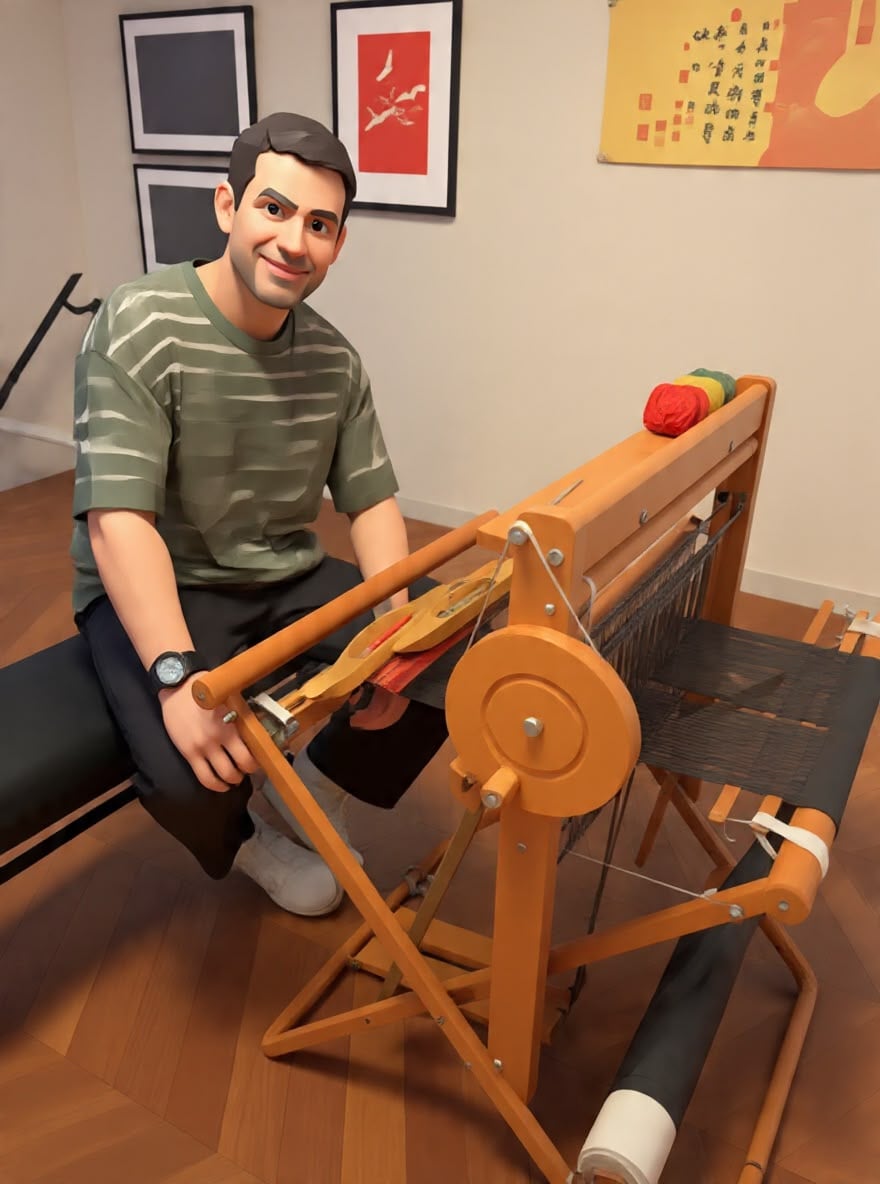
WhatsApp users may have recently noticed an annoying pop-up message when sharing photos: “Restyle with AI.”
It’s a bothersome feature that you can’t switch off, obviously, and it baffles me as to why it’s even there in the first place.
Think about the type of photos that are most commonly shared over WhatsApp: casual snapshots of family, pets, and food. Why on Earth would you want to turn grandma into a low-poly 3D animation?
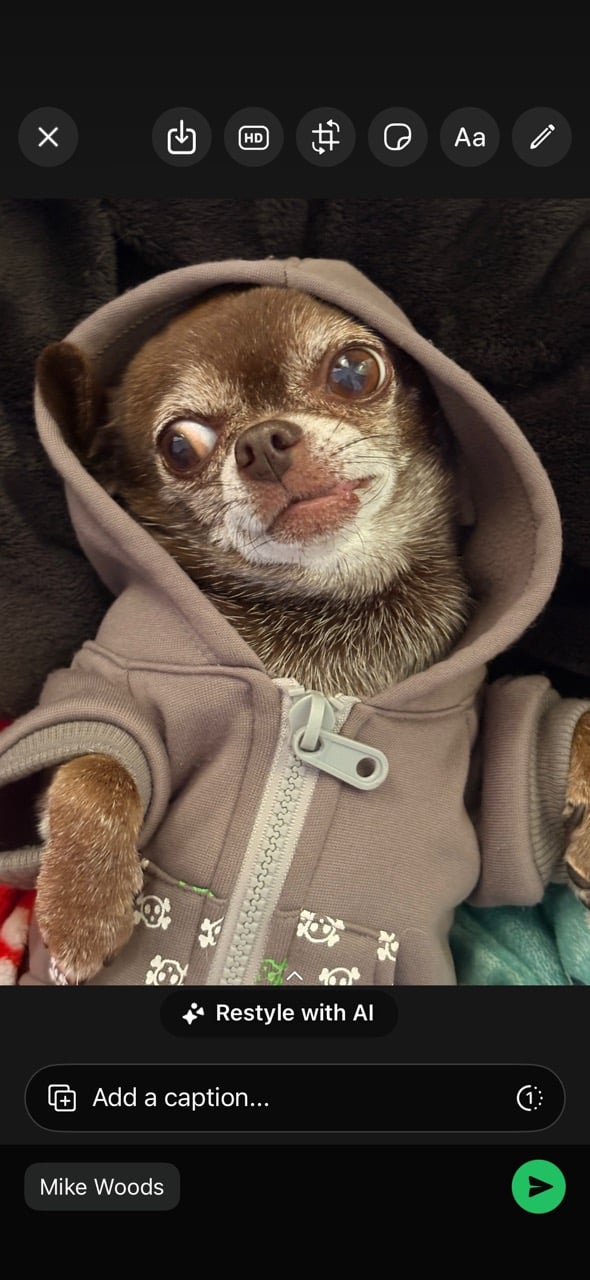
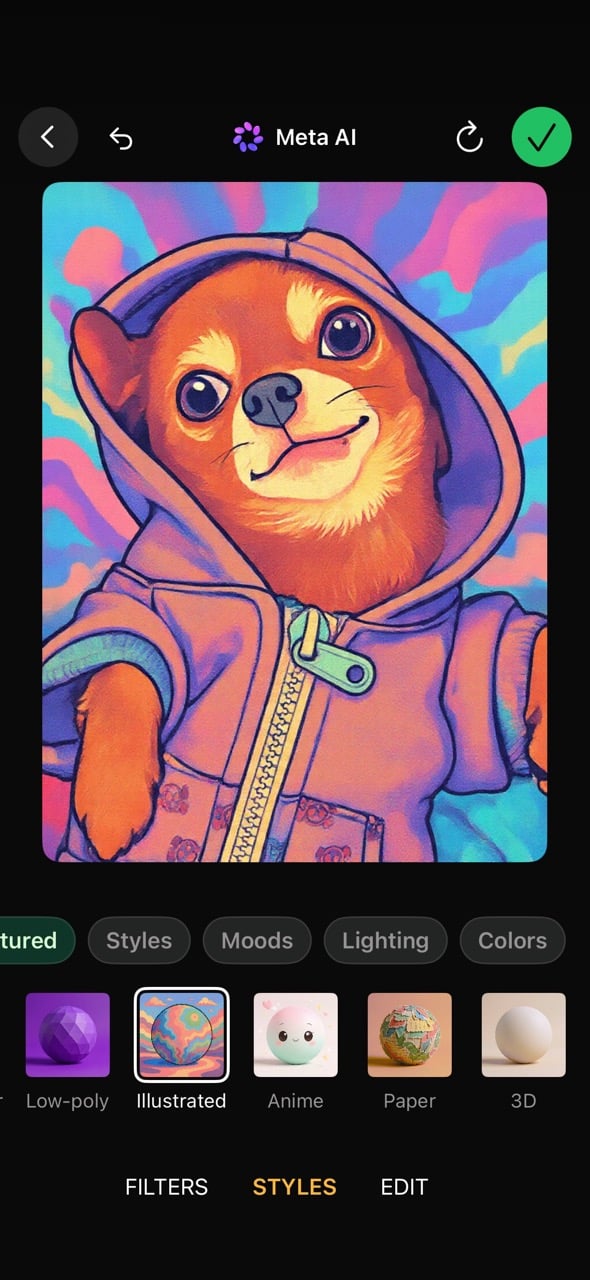
It’s difficult to understand the logic of installing an AI photo editor in an app that is used for private messages. “Hey, here’s a picture of my dog as a goth.” The reply comes back: “Mmm, okay, I’m blocking you.”
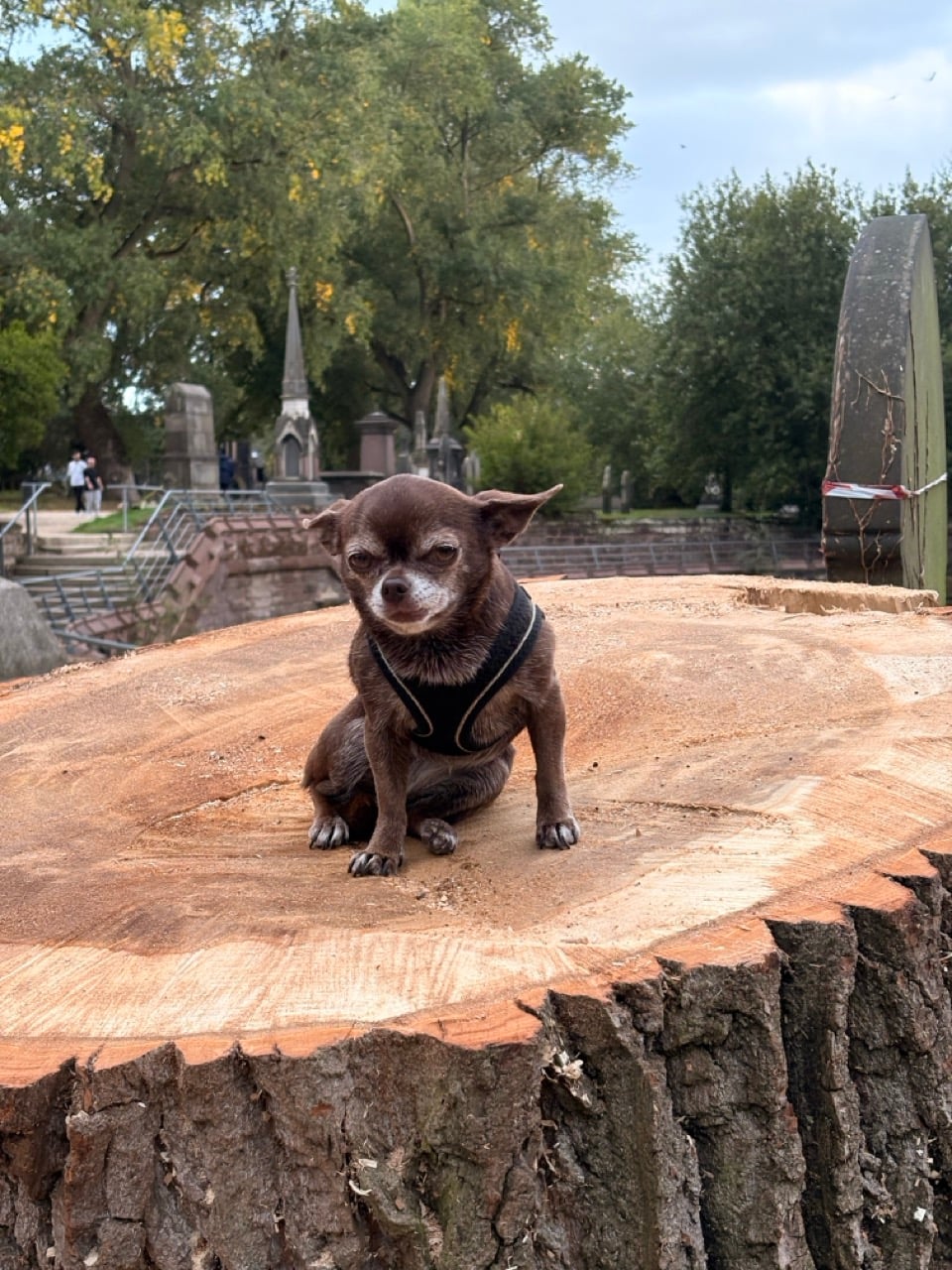
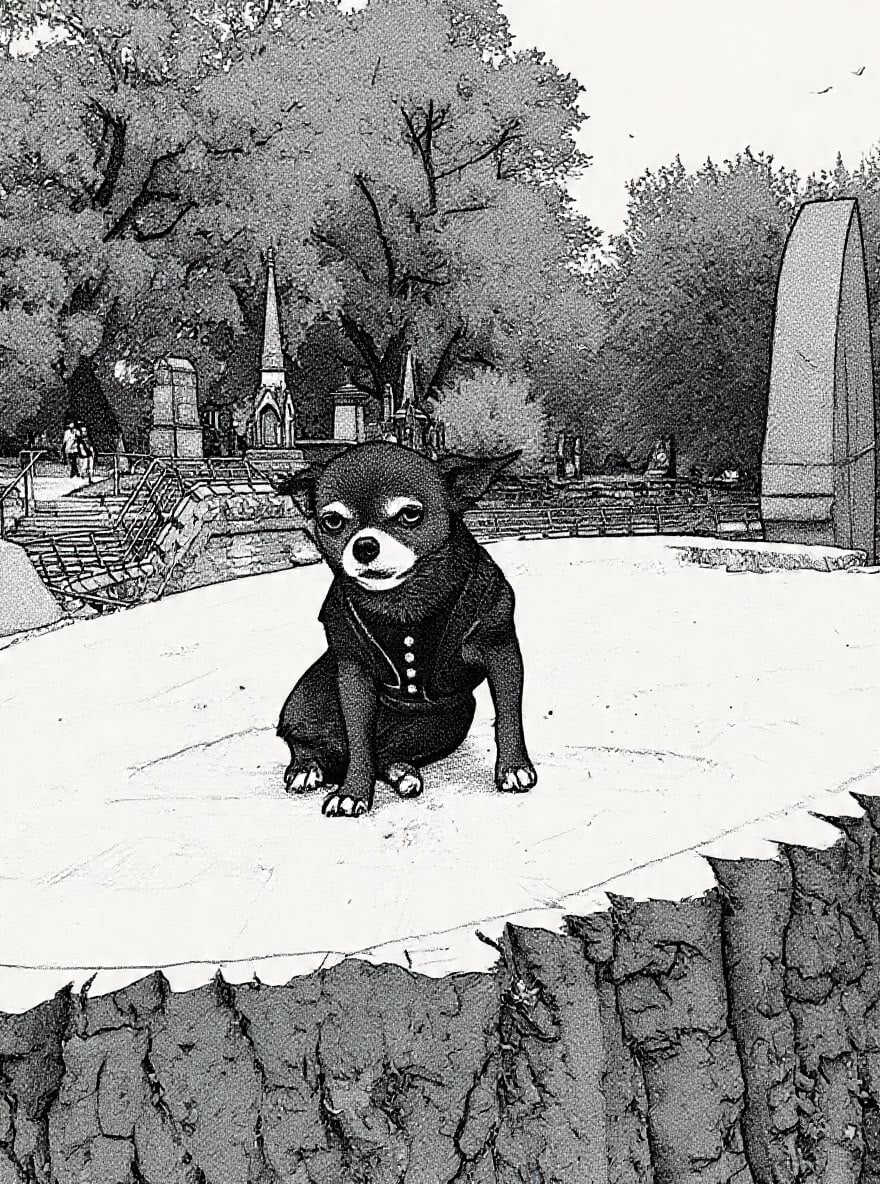
The Restyle with AI feature is powered by Meta’s Muse Image model, which is from Meta’s Superintelligence Labs. It’s a classic case — and we see this all the time — of a big tech firm placing one of its new AI tools prominently within an already popular product, like WhatsApp.
Because this is the big problem for the likes of Meta and Google: they have built the technology, but they haven’t quite worked out how to get people to use it, let alone pay for it.
A recent PNC research report found that in April this year, just 2.2% of AI consumers were paying for AI, averaging $31 per month.
Granted, those numbers have been steadily rising, but perhaps not at the rate needed to sustain the gigantic AI industry. TechCrunch points out that even if that number rose to every citizen in the U.S., that revenue would equal only a third of OpenAI’s massive operating costs.
So for now, we will have to put up with random AI features appearing in products where there was previously no need for any, and still isn’t, in my opinion.
Or big tech will start taking away features and placing them in their AI model instead. Case in point: there was an option on Threads, also a Meta app, to translate posts — a handy feature on an app that’s used by an international community. Recently, it disappeared. Where’s it gone, you ask? Now you have to request the translation from the Meta AI model instead.
Image creditsHeader photo licensed via Depositphotos.
Affiliate Disclosure PetaPixel articles may include affiliate links; we may earn a commission if you buy through one.