The Photographer Who Captured the Glamor of Hollywood’s Golden Age
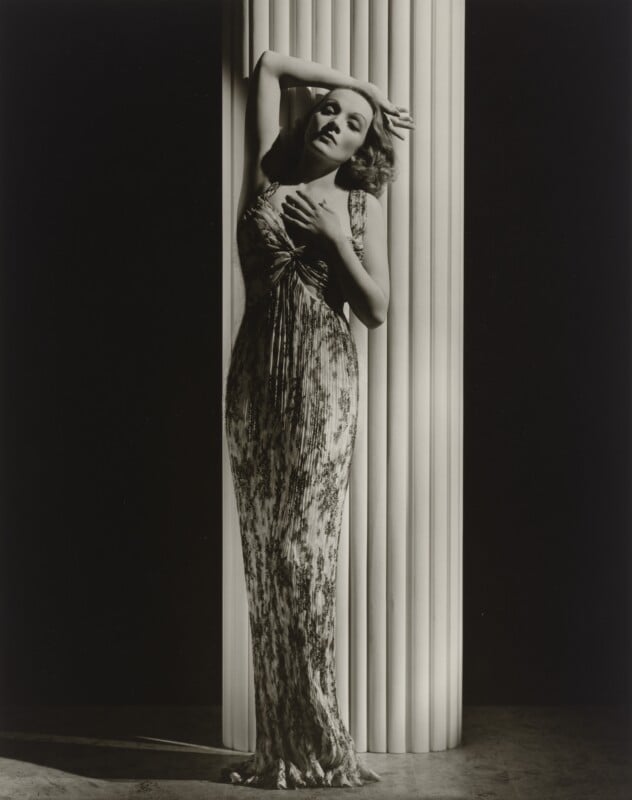
An exhibition celebrates the work of George Hurrell, the defining portrait photographer of Hollywood’s 1930s and early 1940s, whose photographs still epitomize what we think of today as Hollywood glamor.
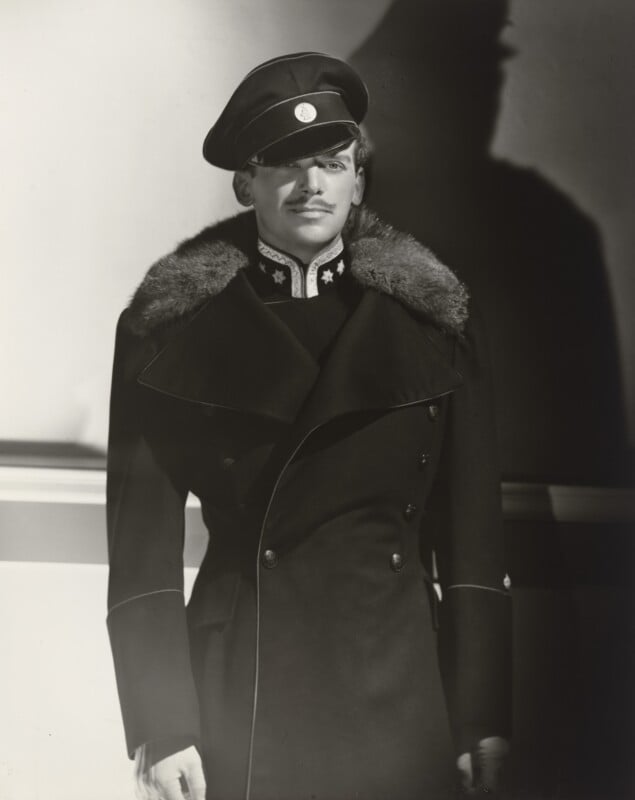
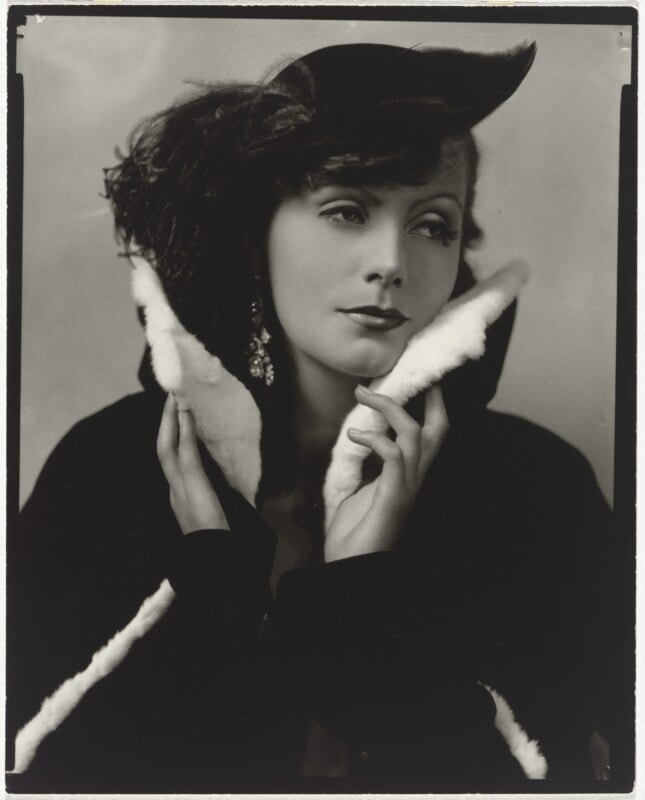
The Smithsonian’s National Portrait Gallery in Washington, D.C., is presenting a second installation of Star Power: Photographs from Hollywood’s Golden Age by George Hurrell, featuring 20 of his vintage portraits of some of the most prominent film stars during the golden era of American cinema.
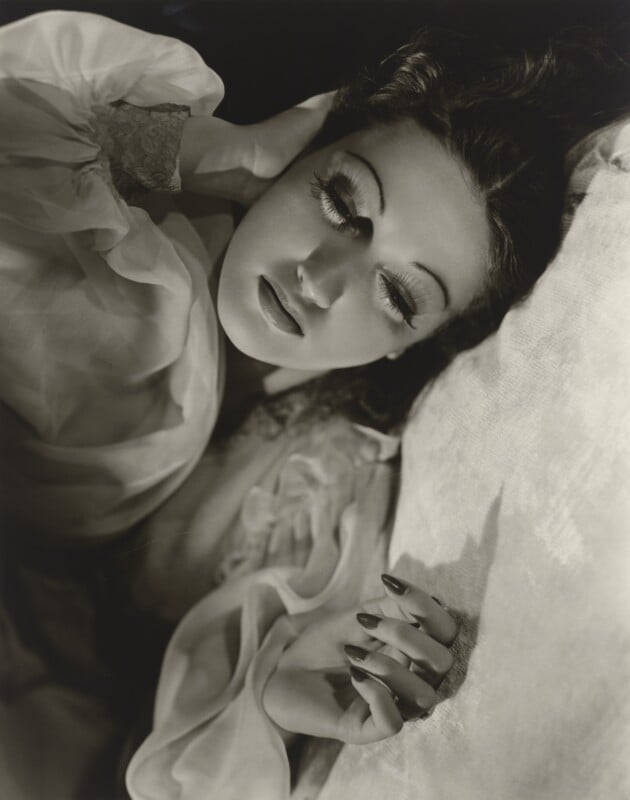
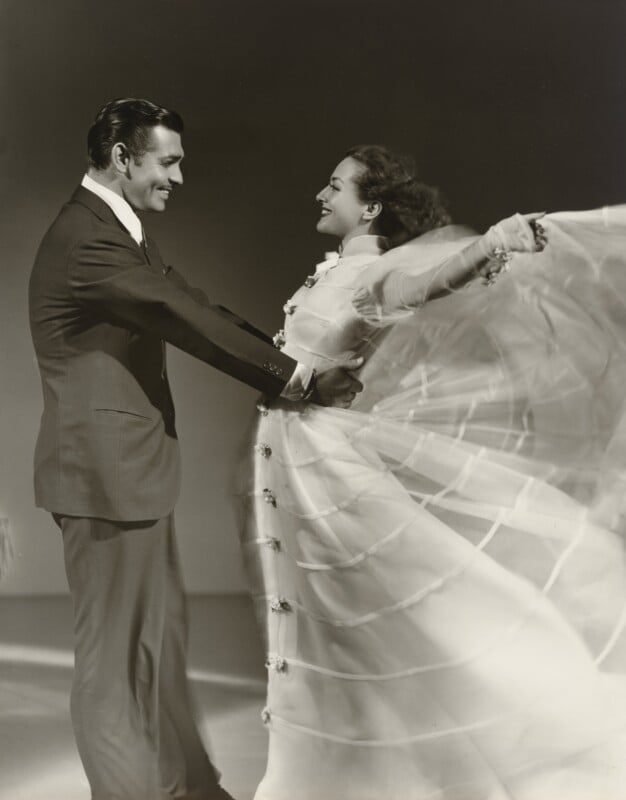
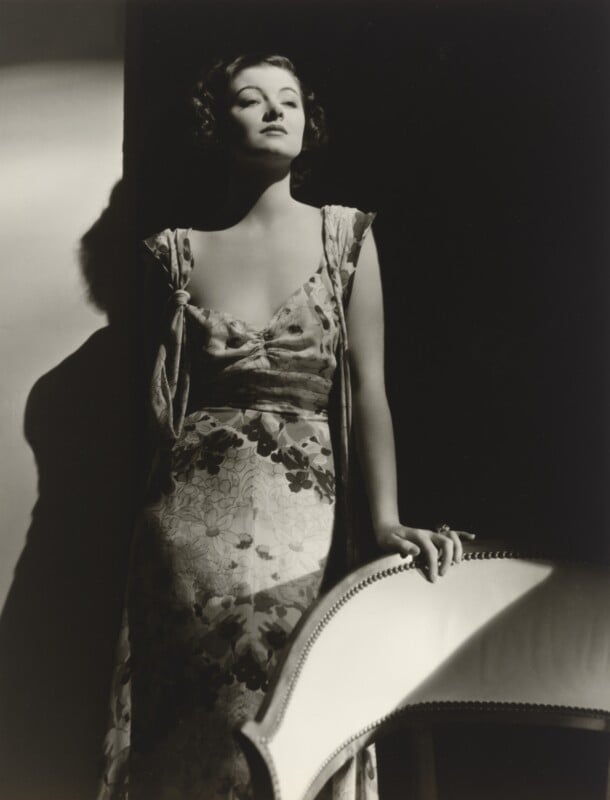
Running through January 10, 2027, the exhibition’s new selection is drawn from the Portrait Gallery’s collection of 70 photographs by Hurrell, whose portraits played a major role in shaping the visual image of Hollywood glamor during the studio era.
Hurrell was Hollywood’s leading portrait photographer of the 1930s and early 1940s. His portraits were widely distributed to theaters, fan magazines and the public, helping shape the image of Hollywood stars as idealized figures who appeared almost larger than life.
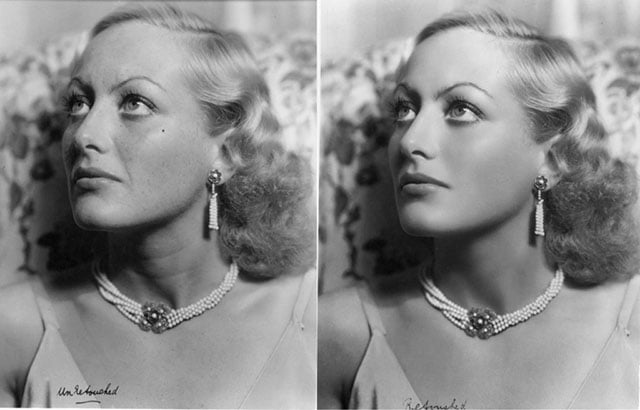
With an eye for artful posing, innovative lighting effects and careful retouching, Hurrell produced portraits that enhanced the public image of many of the “Golden Age’s” greatest stars. The National Portrait Gallery’s exhibition includes photographs of Joan Crawford, Marlene Dietrich, Clark Gable, Greta Garbo, Jean Harlow, Dorothy Lamour and Barbara Stanwyck.
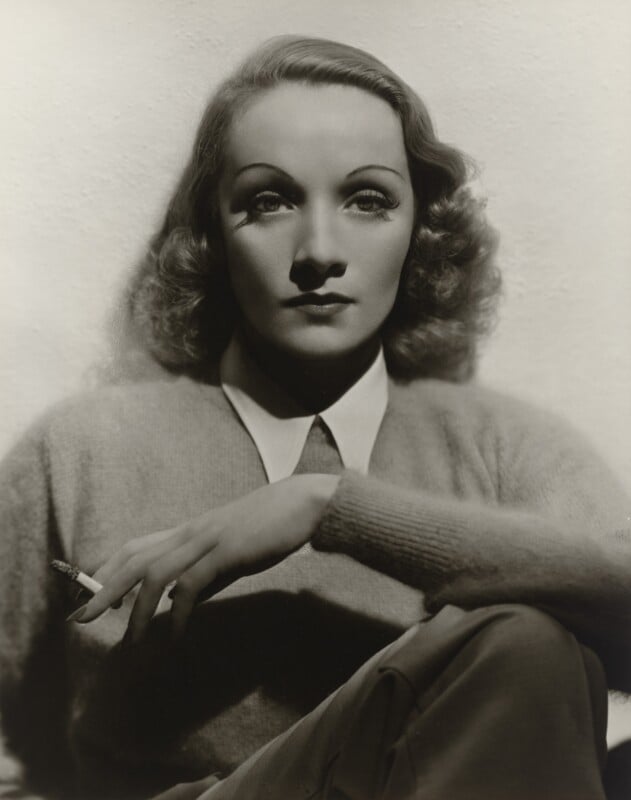
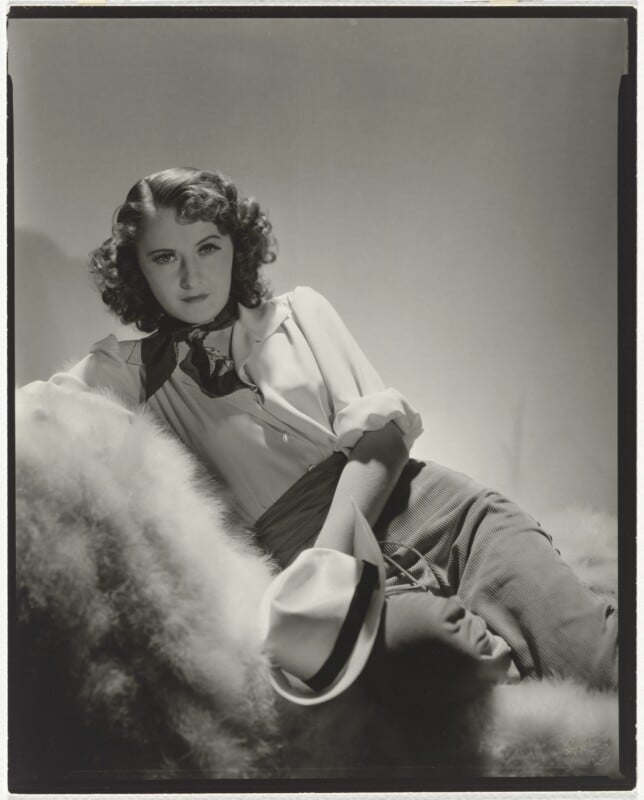
“They were truly glamorous people,” Hurrell recalled, “and that was the image I wanted to portray.”
Hurrell was born in Covington, Kentucky, in 1904 and grew up in Cincinnati, Ohio. He initially studied painting at the Art Institute of Chicago and began using photography to document his paintings before making photography his primary focus while living at a California artists’ colony in the 1920s.
His Hollywood career began after he joined Metro-Goldwyn-Mayer’s (MGM) publicity department at age 25. He quickly became the studio’s principal portrait photographer, photographing stars for publicity surrounding new films and becoming highly sought after by Hollywood studios and actors.
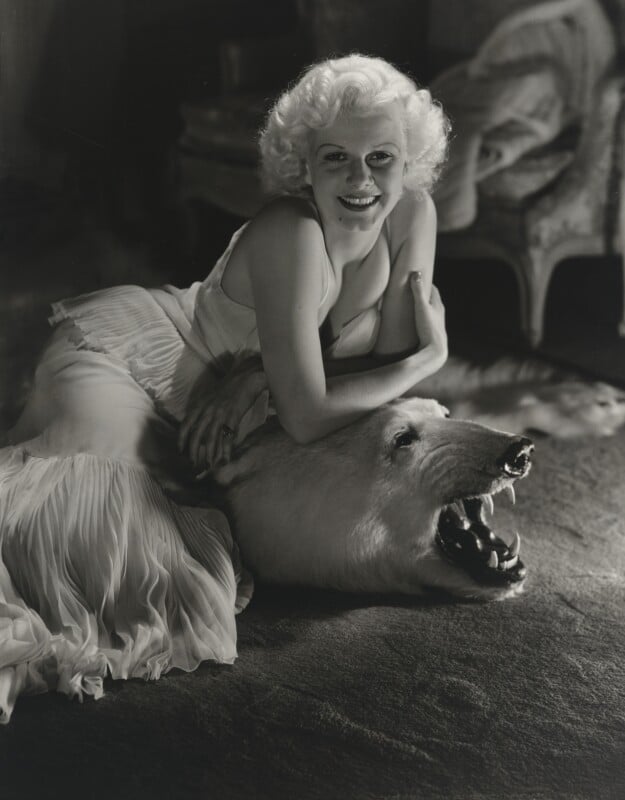
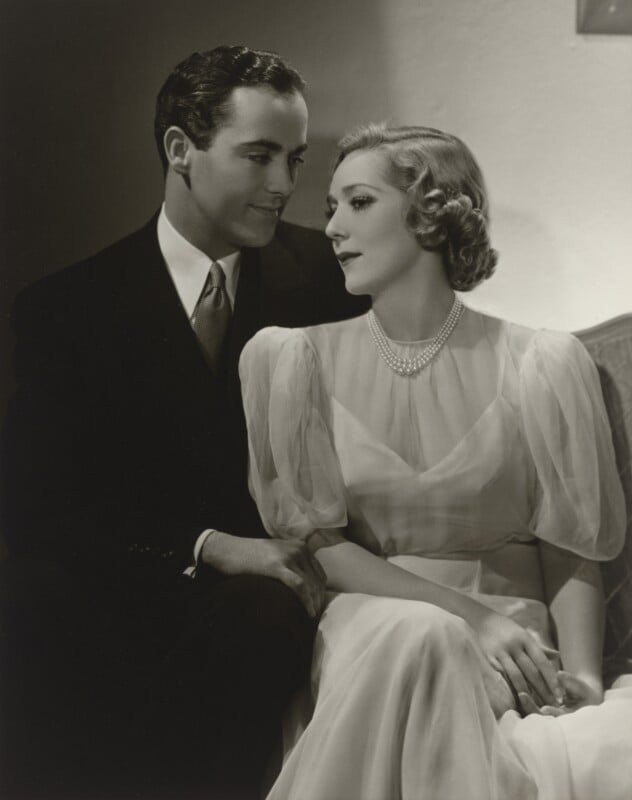
In 1933, Hurrell left MGM and opened a photography studio on Sunset Boulevard. He produced some of his most iconic portraits of MGM stars there, along with memorable images of leading actors from other major studios.After closing his Sunset studio in 1938, Hurrell worked briefly for Warner Bros. and Columbia Pictures before serving with a military film production unit during World War II.
‘The Glamor was Gone’
After the war, the studio portrait style that had defined Hurrell’s career fell out of favor. Candid photography made with portable, small-format cameras became increasingly popular, replacing the meticulously crafted, large-format studio portraits that had epitomized his work. For Hurrell, Hollywood’s “Golden Age” had come to an end.
“When we stopped using those 8 x 10 cameras,” he declared, “the glamor was gone.”
Hurrell returned to Hollywood in the mid-1950s and continued working as a still photographer on film sets. His work experienced renewed interest in the 1980s as glamor photography regained popularity. Among his later clients was Sharon Stone, who was then a relatively unknown actress.
Hurrell died in Los Angeles in 1992 at age 87. His photographs are held in the collections of institutions including the J. Paul Getty Museum in Los Angeles, the Museum of Modern Art in New York and the Library of Congress in Washington, D.C.
Star Power: Photographs from Hollywood’s Golden Age by George Hurrell is on view at the Smithsonian’s National Portrait Gallery in Washington, D.C., through January 10, 2027.
Affiliate Disclosure PetaPixel articles may include affiliate links; we may earn a commission if you buy through one.