NiSi 16mm f/2.8 ASPH G-Mount Review: There Might Be Such a Thing As Too Wide
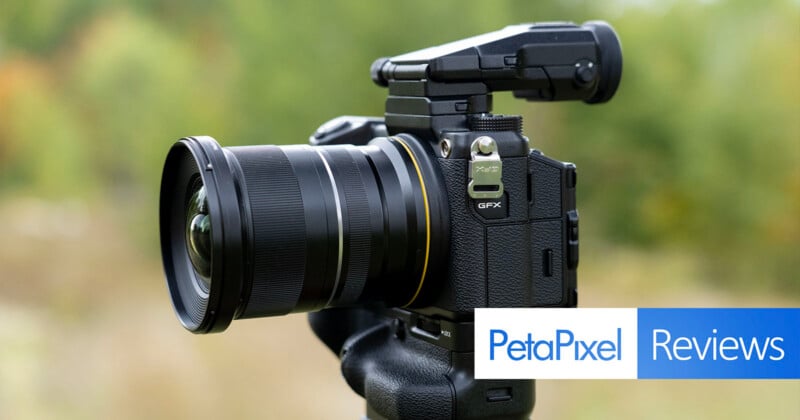
The Fujifilm GFX system has been around for nearly a decade, and it’s safe to say it’s been a great success for Fujifilm. A good indicator of the GFX’s success is that third-party lens makers are getting in on the fun, including NiSi.
It does something few other lenses do, and does it well.
Pros
- Sharp
- Well-built
- Distinctly wide lens in the GFX system
- One of the best astro options for GFX
Cons
- Fully manual design limits usability
- No electronic communication
- Some issues with 82mm filters and vignette
- Limited utility
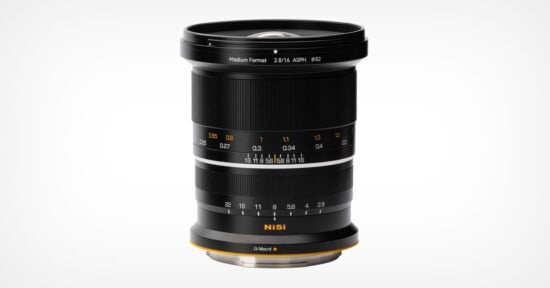
Although photographers may best know NiSi for its high-quality filters, it also makes many lenses. Alongside high-end cinema lenses, the company also makes photo-oriented primes, like the NiSi 16mm f/2.8 ASPH., an ultra-wide lens available for full-frame and medium-format cameras.
On my Fujifilm GFX 50S, which, before anyone disparages it for its age, still holds up just fine, a 16mm f/2.8 lens is equivalent to a 12.6mm lens on a full-frame camera. Of course, the GFX uses a 4:3 sensor, rather than a 3:2 one, so there are other differences to consider. In any case, it’s very wide.

I’ll be the first to admit that I am not exactly a big ultra-wide lens fan, but I appreciate that ultra-wide lenses can deliver an entirely different photographic experience and some pretty dynamic compositions. NiSi’s lens is also manual focus, which adds another layer of “different” for me.
While certainly not my type of lens, I genuinely had a good time using the NiSi 16mm f/2.8 ASPH. lens. It’s well-built, sharp, and can be a lot of fun.
NiSi 16mm f/2.8: How it Feels
The NiSi 16mm f/2.8 ASPH. is a reasonably compact but surprisingly heavy-feeling lens. It’s 108 millimeters (4.3 inches) long, which is nearly the same length as Fujifilm’s own GF 23mm f/4 R LM WR lens, its widest wide-angle prime.
I say the NiSi feels heavy because it’s actually about the same weight as the GF 23mm f/4, too. I used to own that lens, and never once thought it felt especially heavy. However, NiSi’s lens does feel heavy. I think it’s partially a trick of my mind since NiSi’s lens is clearly metal. It immediately gives it a sense of heft.
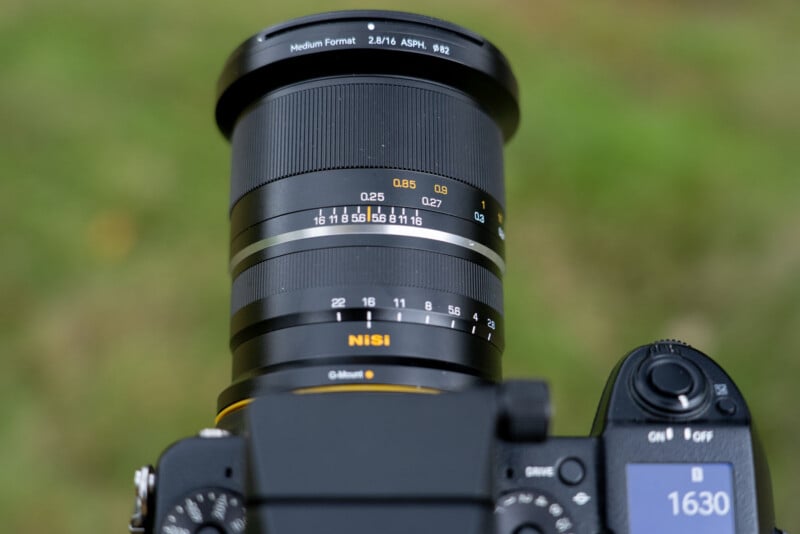
This isn’t a knock on the lens, either. I like when a lens feels heavy-duty like this. It isn’t uncomfortable to handhold by any stretch of the imagination.
The entire lens feels well-built. It has a very good focus ring with tangible resistance. In the modern era of lens design, I often find focus rings too loose and forgiving. The NiSi 16mm f/2.8 doesn’t have that problem. It offers reassuring resistance, and the focusing experience is really nice. This is especially great news given that it’s a manual focus lens, so the focusing experience really has to feel good.
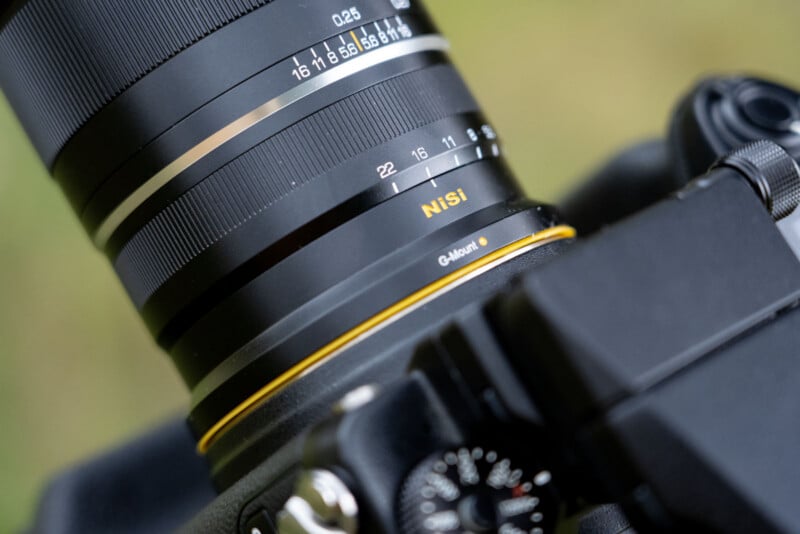
The aperture control ring, which has full stop detents at f/2.8, f/4, f/5.6, f/8, f/11, f/16, and f/22, feels good too. You can technically put the aperture between these positions, but the camera doesn’t read the aperture, so it’s hard, if not impossible, to replicate exact third- or half-stop settings.
Unlike some ultra-wide lenses, the NiSi 16mm f/2.8 ASPH. can accept regular screw-on 82mm filters. However, NiSi ships the lens with its JetMag Pro 95MAG magnetic filter adapter ring, which lets you use 95mm filters. When you use 82mm filters, at least in my experience with some different ones, you’ll experience some level of vignetting. While it’s great that the 95mm adapter ships with the lens, you do actually need the filters themselves, which aren’t cheap.
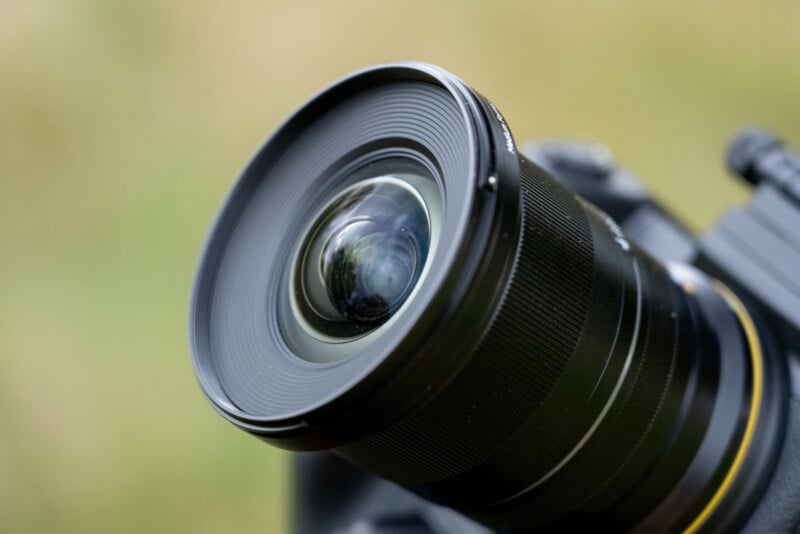
This issue makes a bit more sense when looking at NiSi’s 65 Prime 16mm T2.9 cinema lens for large-format video cameras. That takes 95mm filters and sure seems identical to the new NiSi 16mm f/2.8 ASPH. in terms of its optical design.
Overall, the NiSi 16mm f/2.8 ASPH. lens looks good, feels good, and has a weather-sealed design.
There’s really nothing to complain about here, except perhaps the nitpickiest of nitpicks. I am really scraping the bottom of the barrel here on critiques, but I don’t like that the visible yellow gasket around the lens mount is a noticeably different shade of yellow than the NiSi logo and painted markings on the lens. I know, who cares? Weirdly enough, I do.
NiSi 16mm f/2.8 ASPH.: How It Shoots
As mentioned, this lens has no electronic communication. This has some real-world consequences that some photographers might find a bit irritating. First, you must set up your camera to take photos without a lens attached, since the camera thinks there isn’t one. This isn’t that unusual with lenses like this, but it is a slight friction point right off the bat. It’s an easy fix, though, so no harm done.
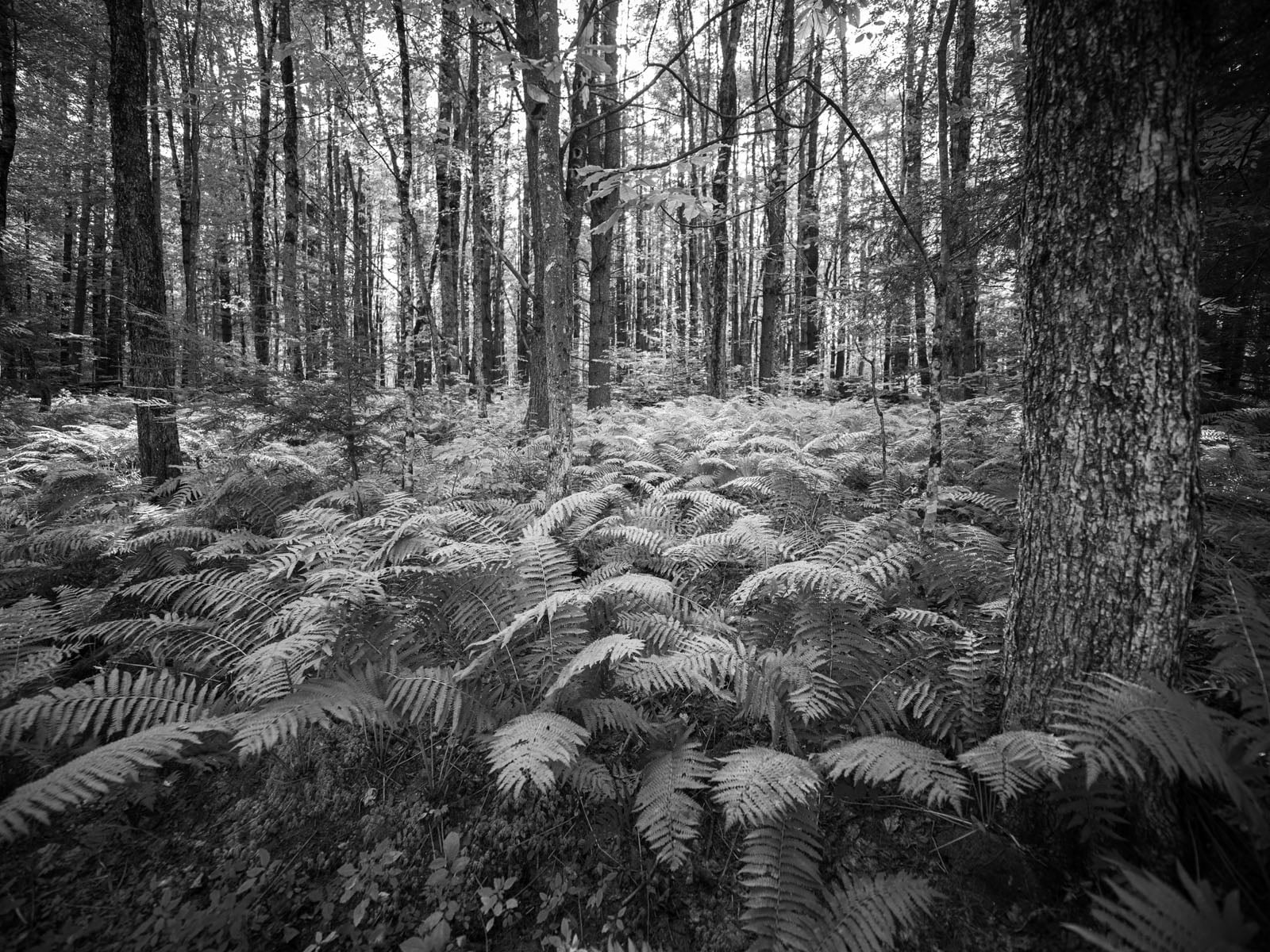
What does cause a bit of harm, at least for me, is that I don’t have complete EXIF data. As far as my photo editing software is concerned, I shot everything at f/1. I still have ISO and shutter speed data, of course, but I do genuinely value aperture information in my photo library.
This also means that I need to remember what aperture I have the lens set at when making decisions in camera. I can usually just look at the bottom of my viewfinder for that information, but with the NiSi 16mm f/2.8, I must look at the lens itself. Another minor quibble.
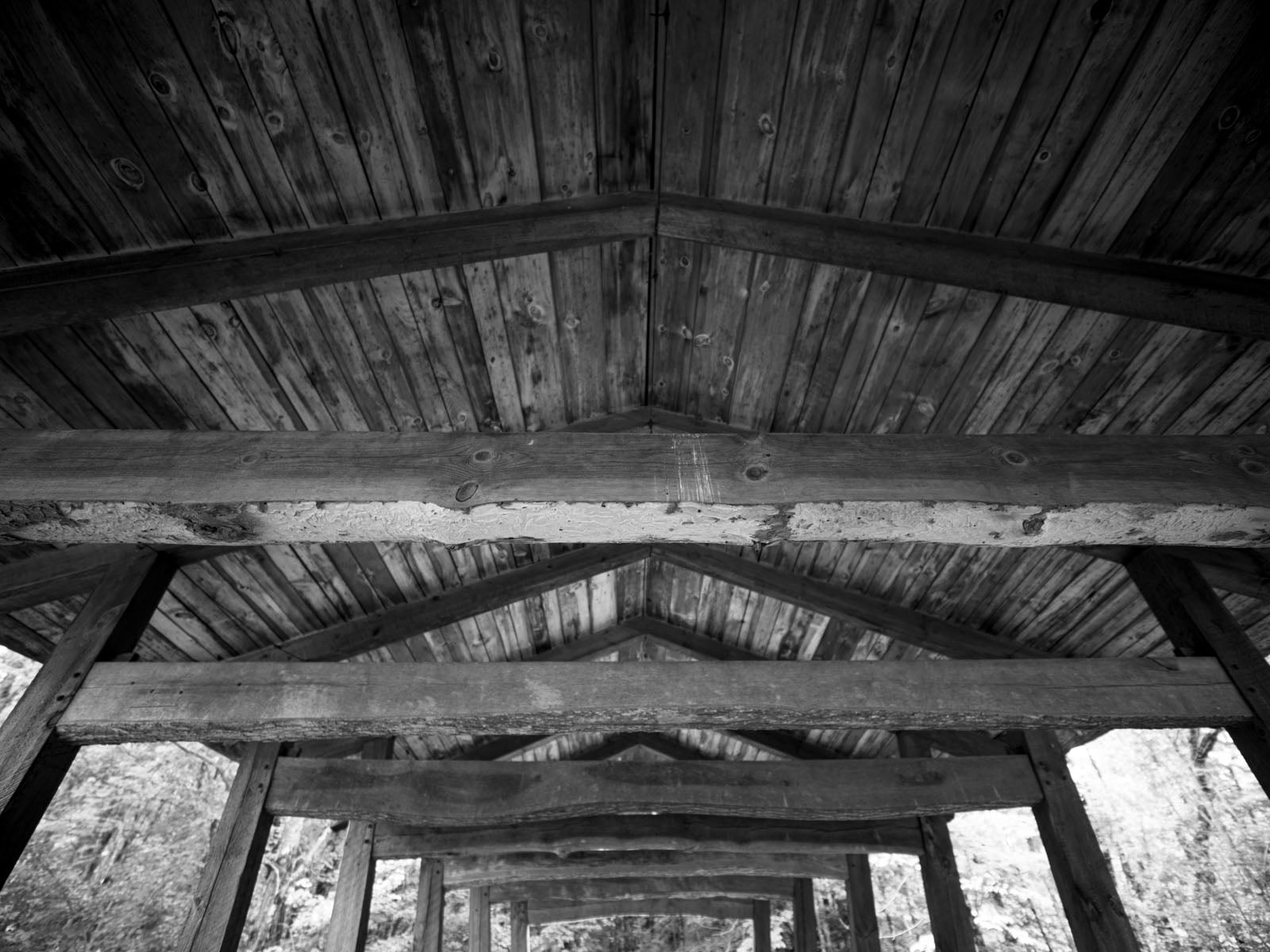
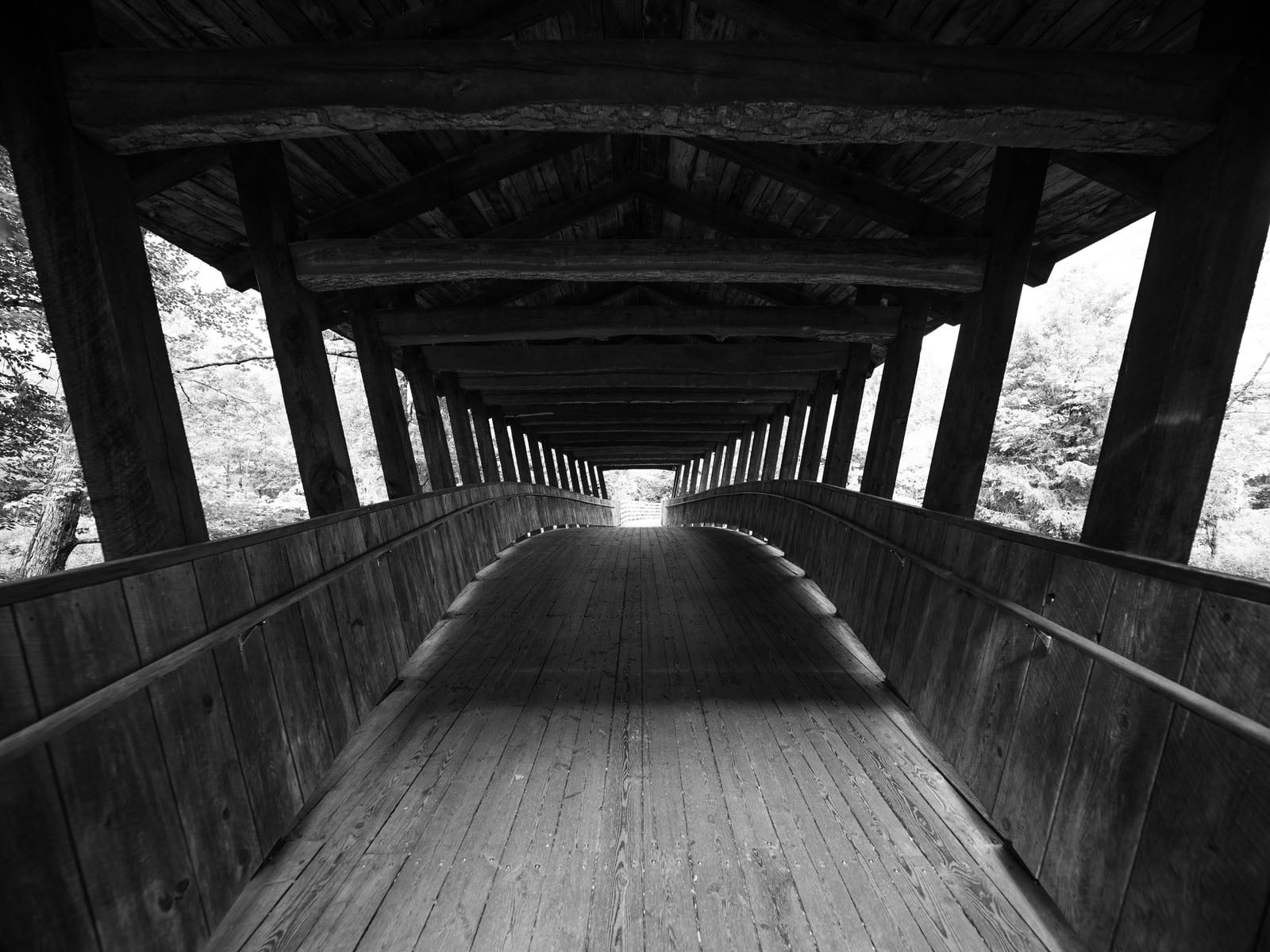
Then there’s the manual focus of it all. How much this affects the shooting experience depends a bit on which GFX camera you have. In my case, I’m rocking the old-school GFX 50S with its relatively ho-hum EVF and sluggish user interface. Punching in to check focus while holding the camera takes time. On a newer GFX camera, like the GFX100 II, I think the experience would be significantly better. It has a really high-res, sharp, quick EVF compared to mine.
I like manual focus well enough in many cases, but I appreciate that some people do not like it at all. For those people, a lens like this is probably a non-starter.

However, before anyone gives up on the lens, it’s worth considering that it’s a distinct offering in the GFX system. It offers a field of view that Fujifilm’s own lenses cannot, and that may hold significant value for some photographers.
It’s also a sharp lens, especially when stopped down. NiSi promises “sharp detail from the center to the edge” at its maximum aperture of f/2.8. In my experience, that’s fairly accurate, at least in the center.
While detail and resolution improve noticeably as you stop down to f/4 and f/5.6, the image at f/2.8 is still pretty sharp. There’s a little bit of fringing and some vignetting, but the detail is there.

At f/4 and especially f/5.6, the lens delivers excellent resolution. It has 16 elements arranged across a dozen groups, including three aspherical elements and four ultra-low dispersion elements.
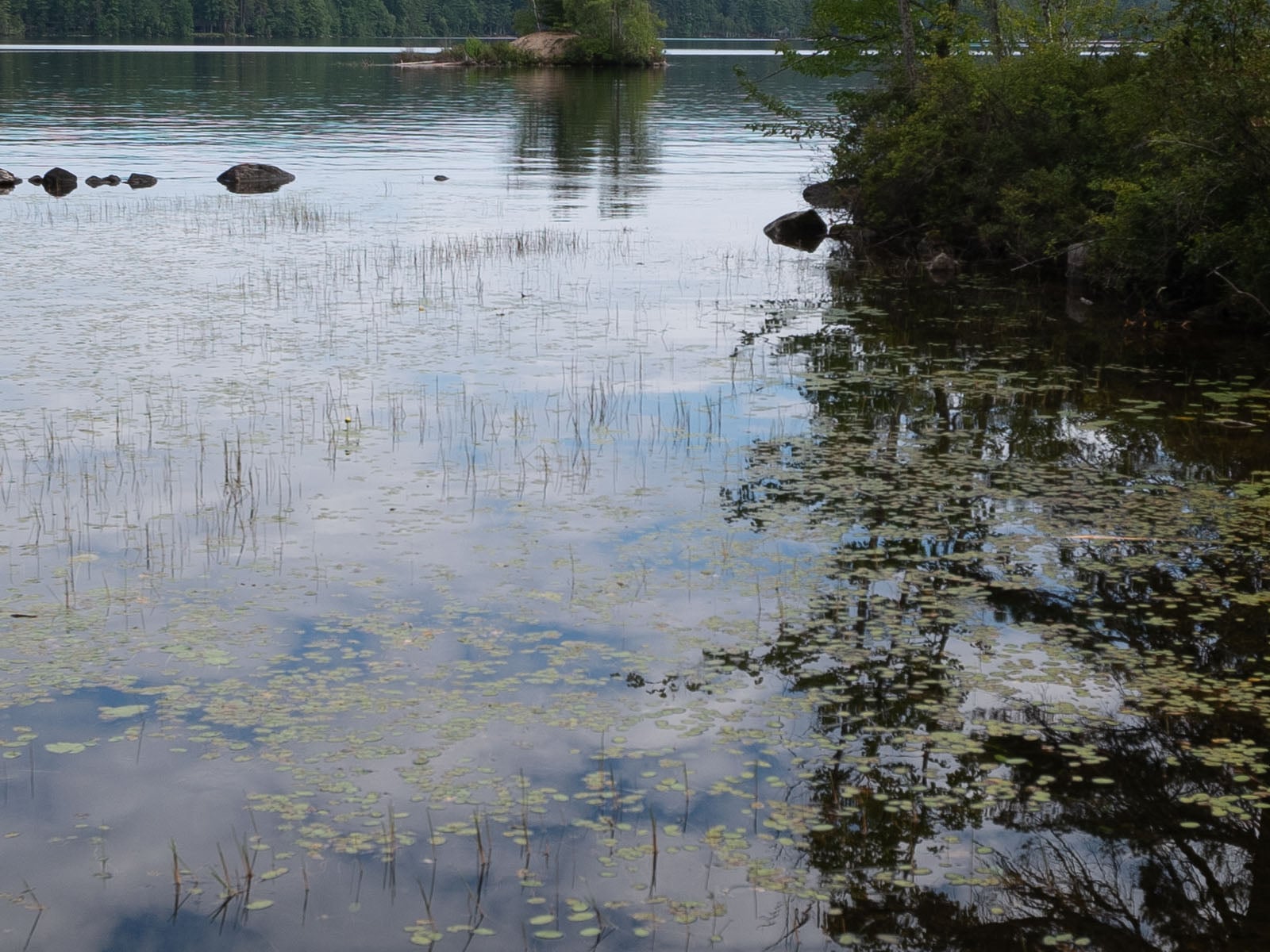
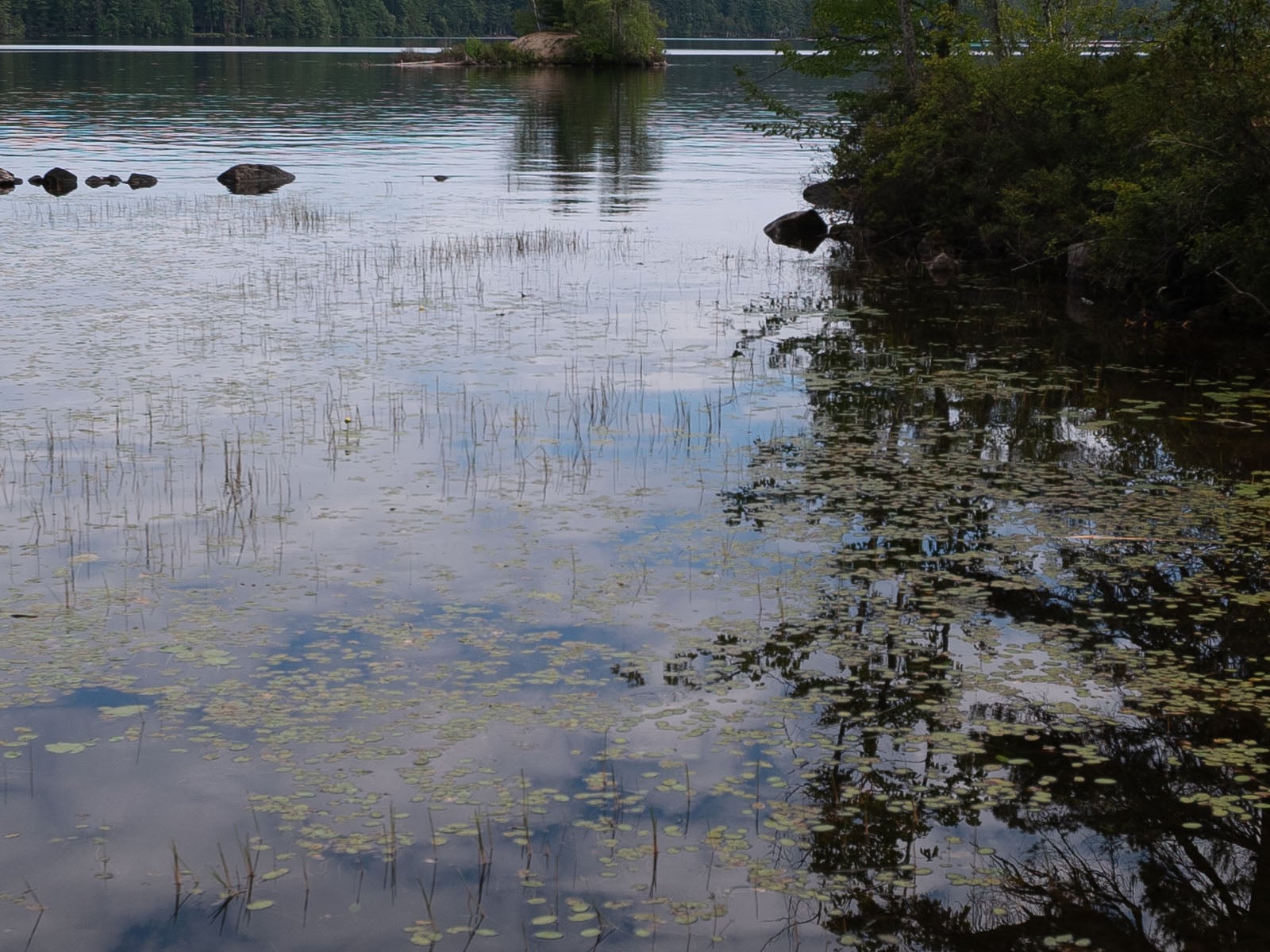
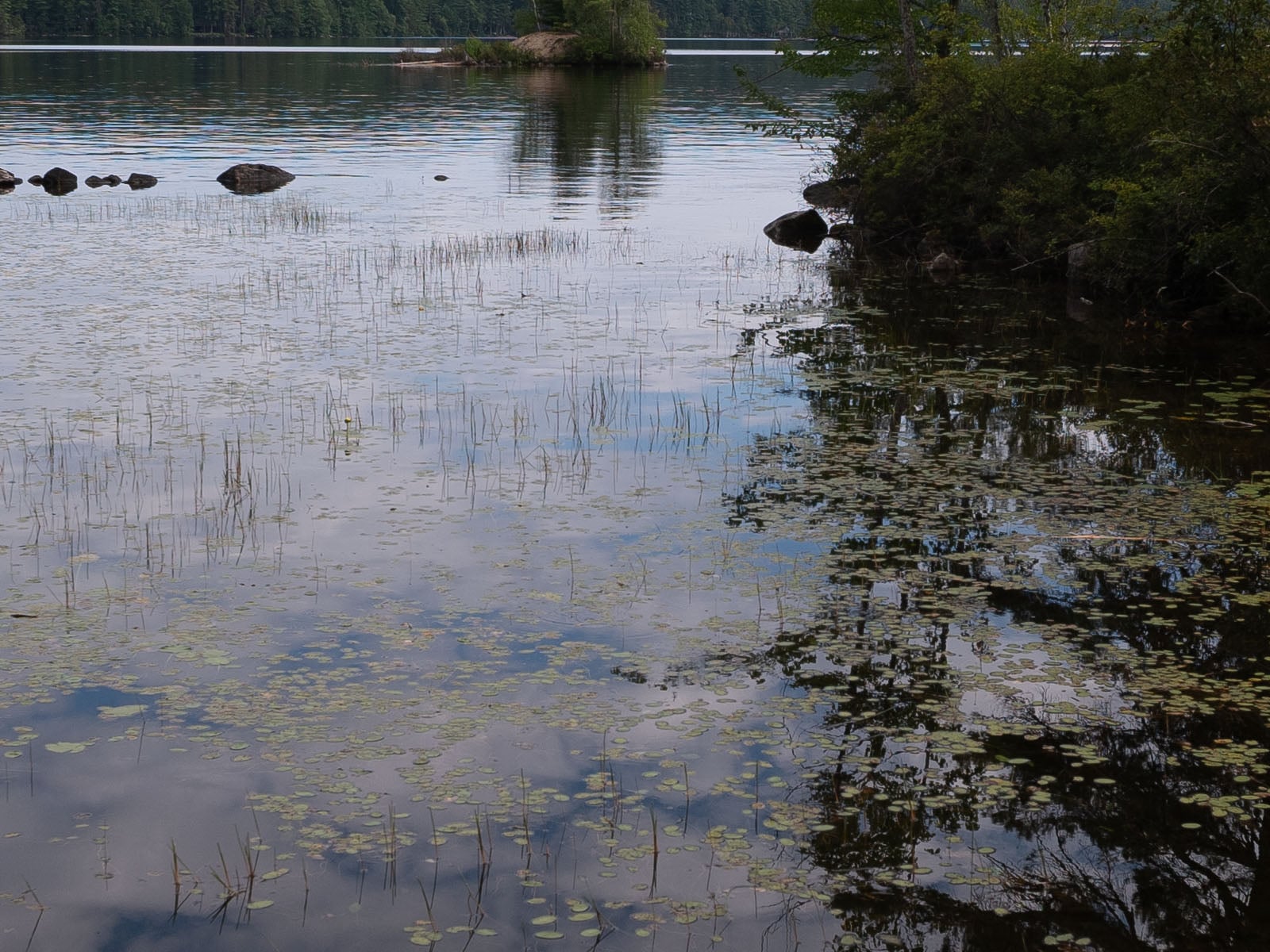
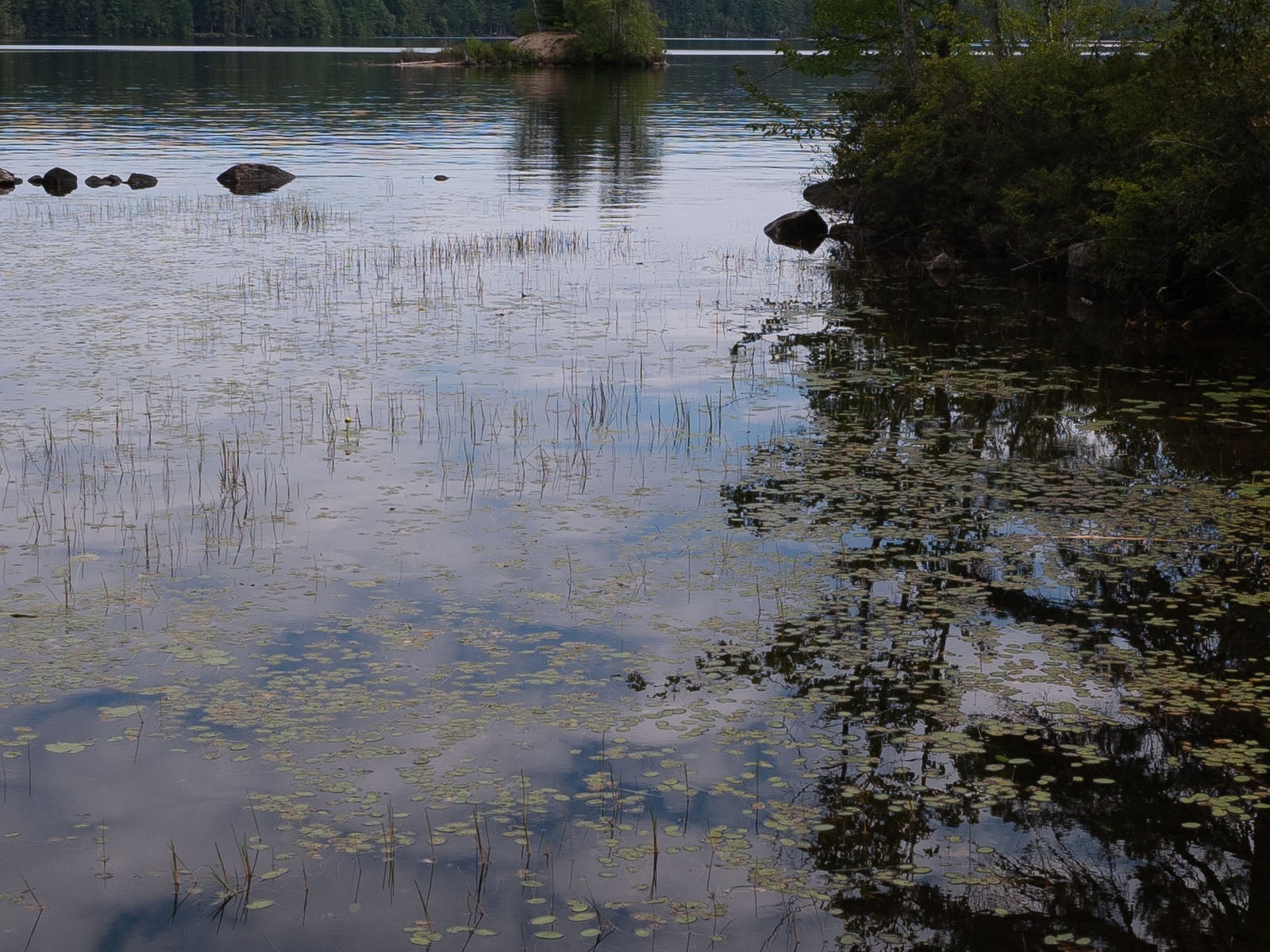
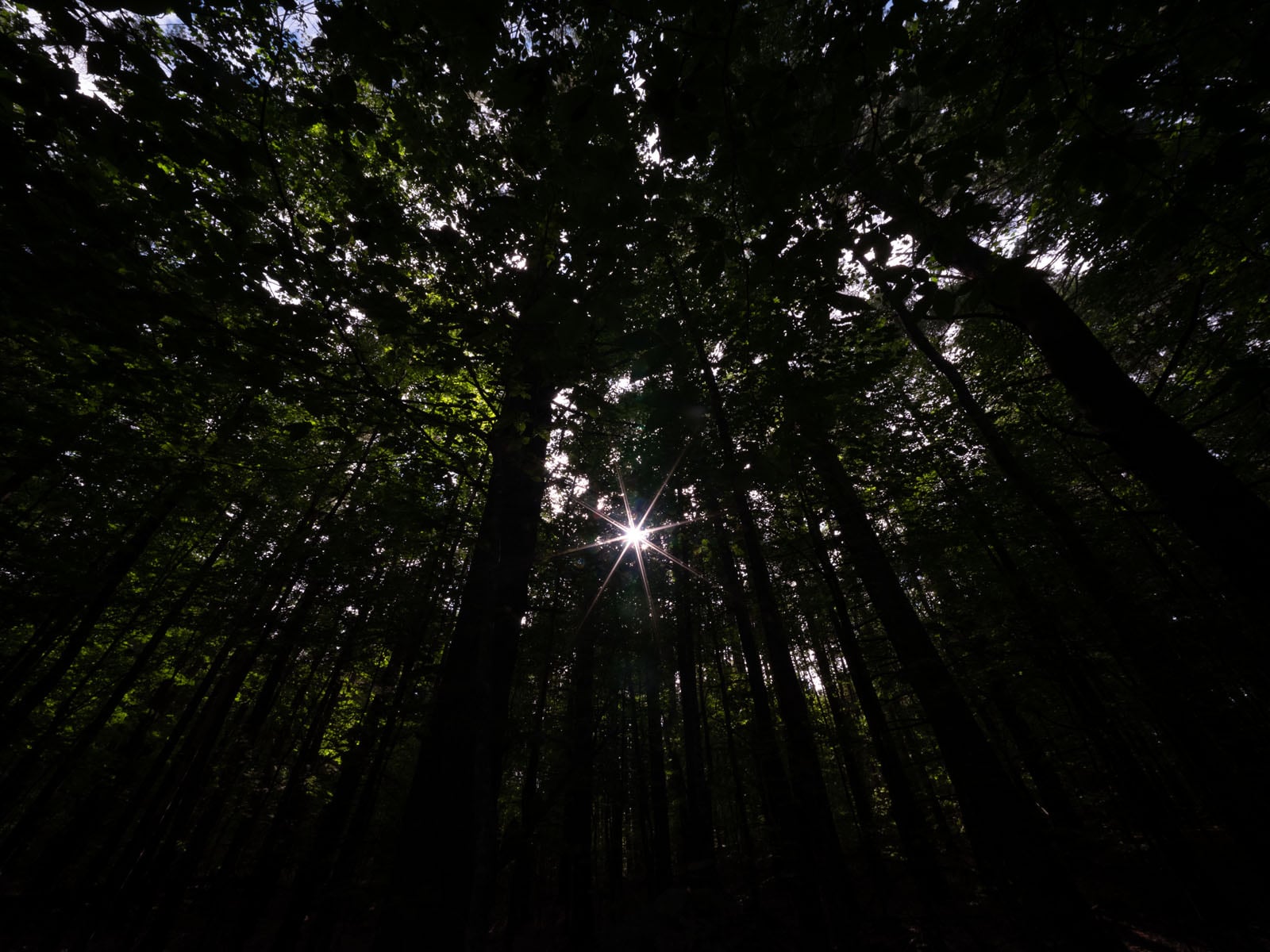
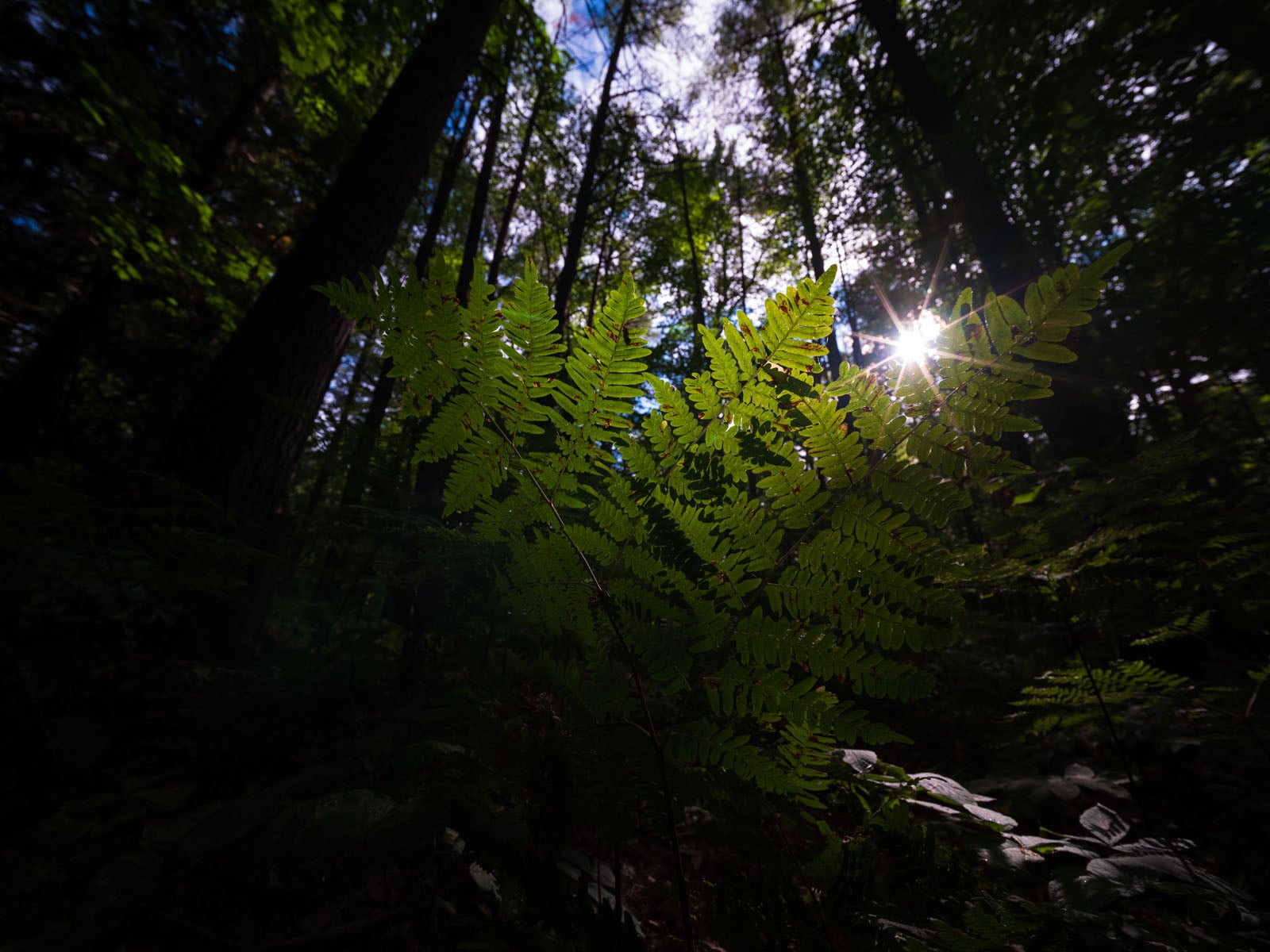
The lens has an eight-bladed aperture which is designed to deliver great sunstars. I’m not a sunstar guy like Chris is, but I must say, nice sunstars!
The GFX system is really lacking astrophotography options. Fujifilm’s wide-angle lenses are all pretty slow, so I was keen to see if the NiSi 16mm f/2.8 was good for astro. It’s one of the few times I actually really want an ultra-wide field of view.
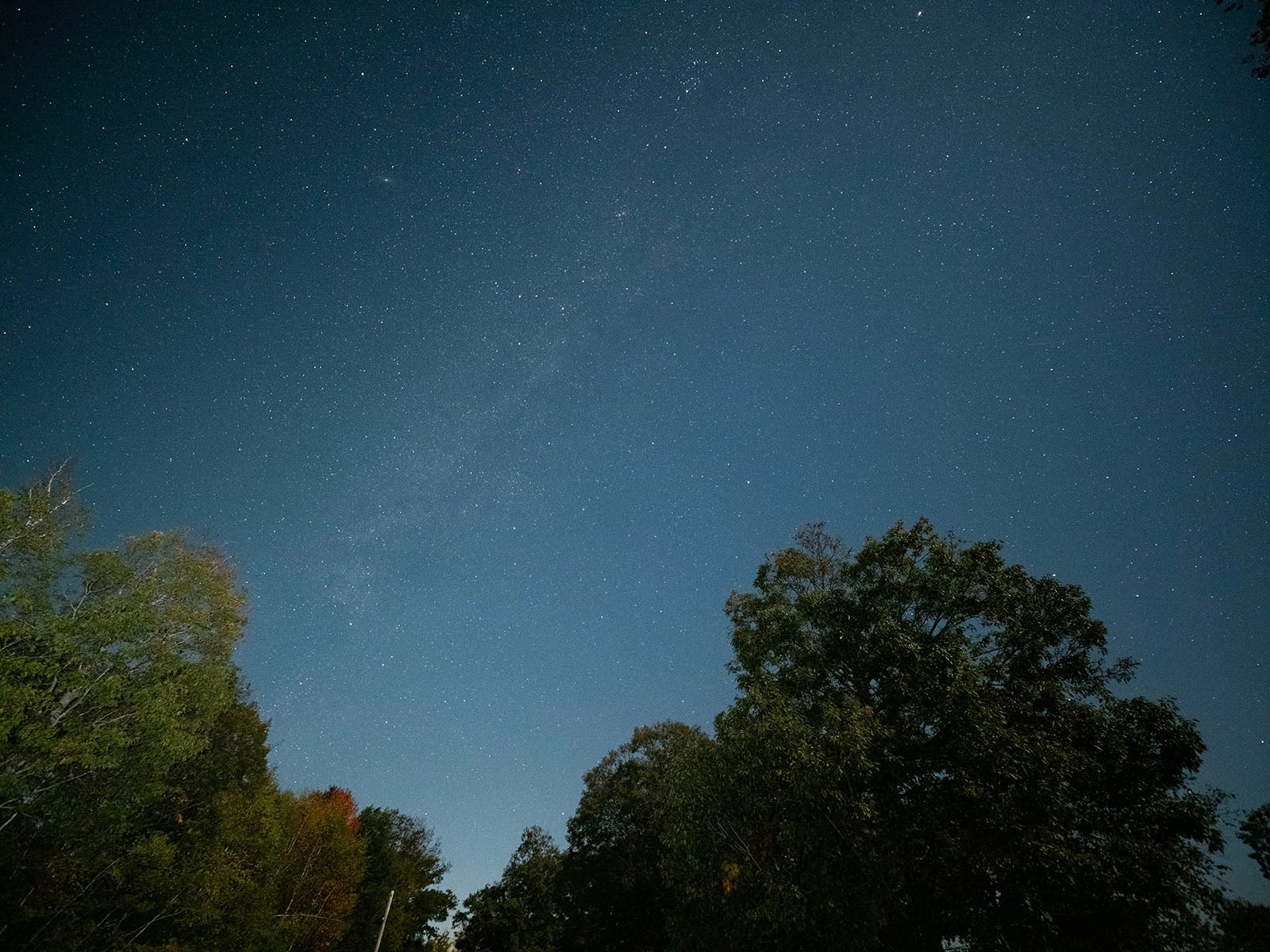
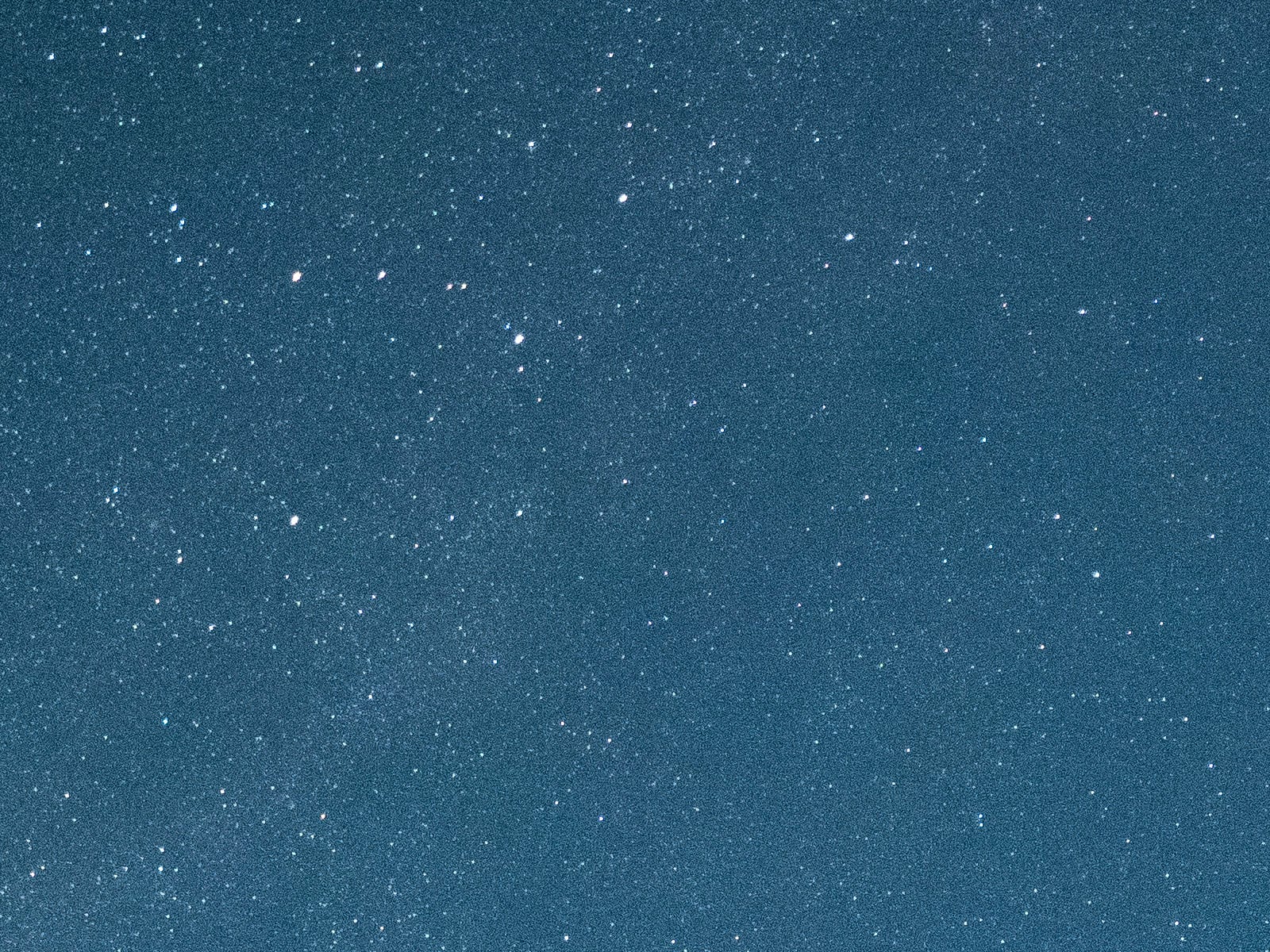
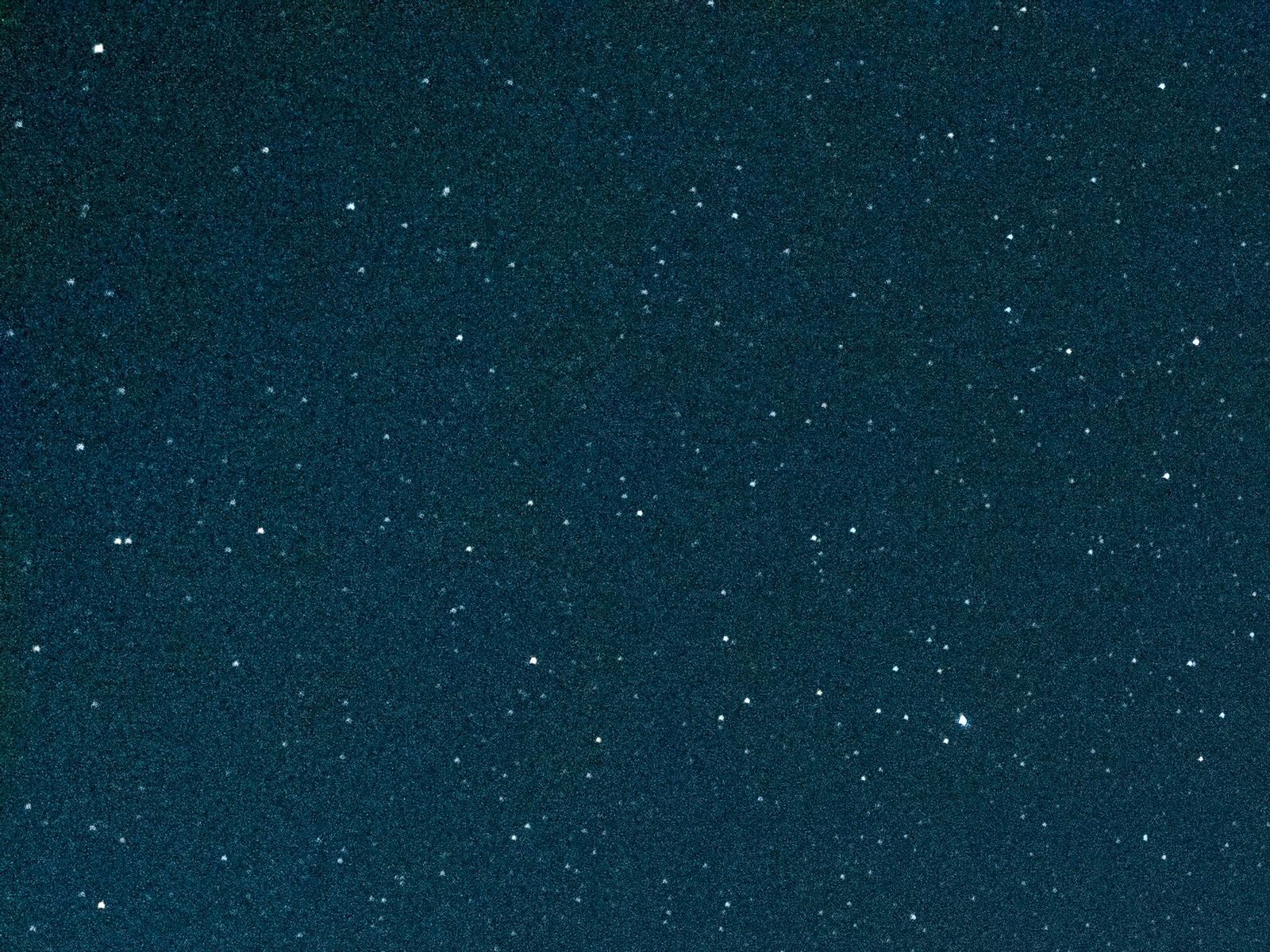
As it turns out, it’s a mixed bag. On the plus side, sharpness at f/2.8 is good. Stars are mostly circular, with occasional aberrations here and there, but generally pretty good performance. The bigger issue, though, is vignette. It’s pretty difficult to deal with.
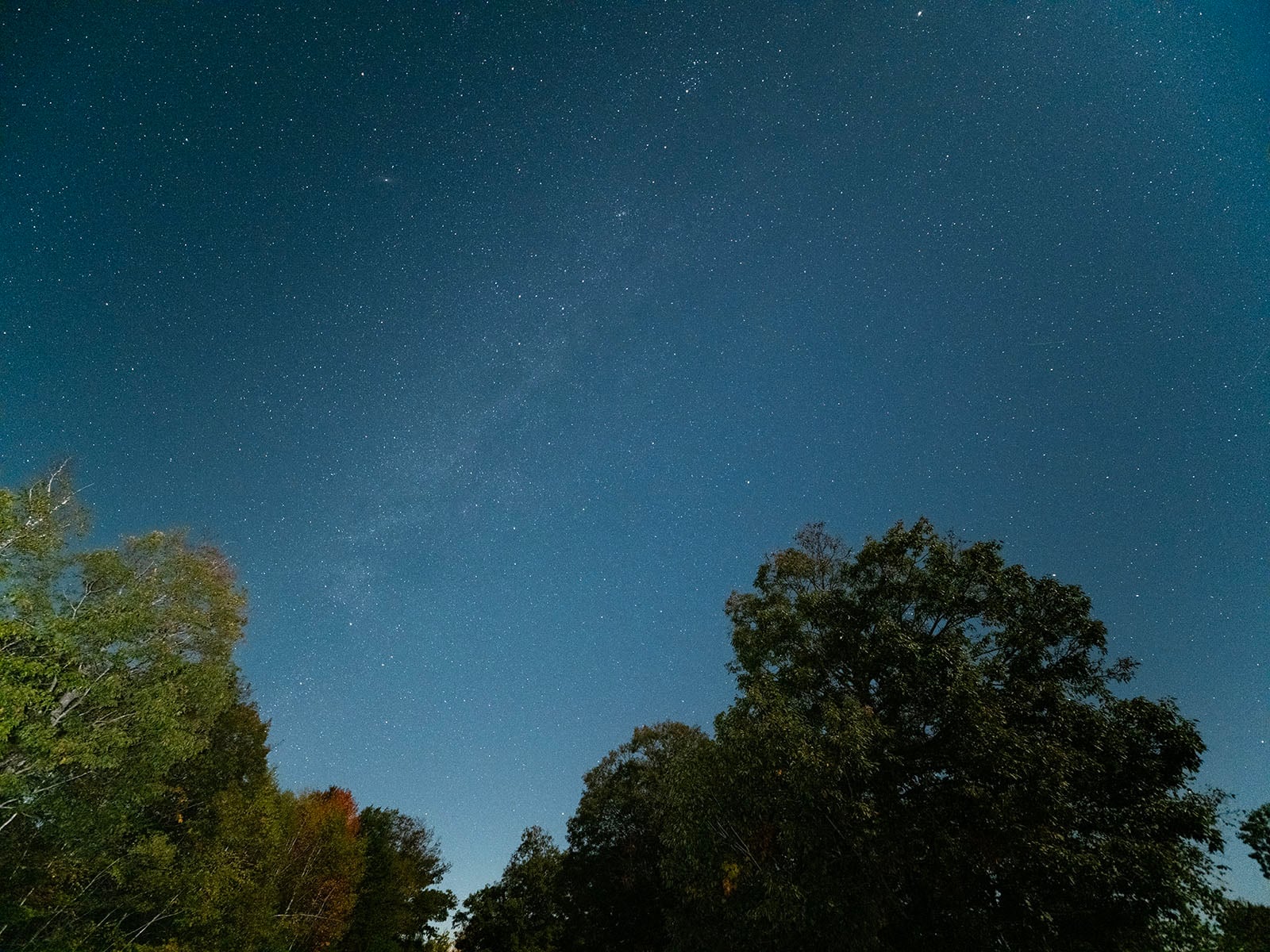
Astro-friendly alternatives for GFX are very few and very far between, which makes the NiSi 16mm f/2.8 ASPH. the best choice essentially by default. However, that’s selling it short. It is genuinely a capable astro lens, provided you are willing to put in a little effort on the post-processing side of things, which is par for the course for astro anyways.
The NiSi 16mm f/2.8 ASPH. Is a Great Ultra-Wide Lens, for Better or Worse
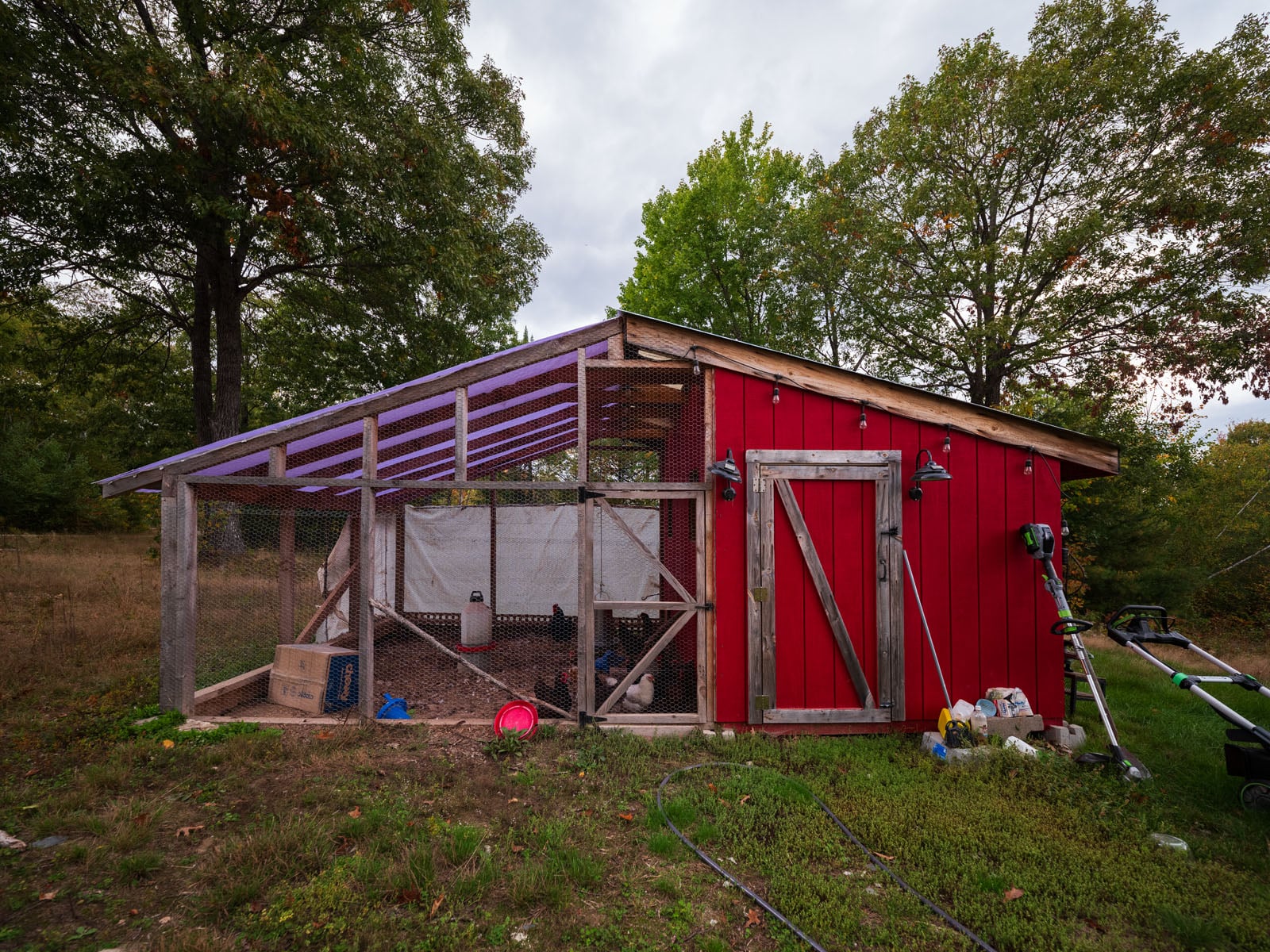
Ultimately, what I think is the NiSi 16mm f/2.8’s greatest strength — its ultra-wide field of view — is also arguably its greatest weakness. A 118° angle of view is a lot. That can be a good thing, but it can also be a bad thing.

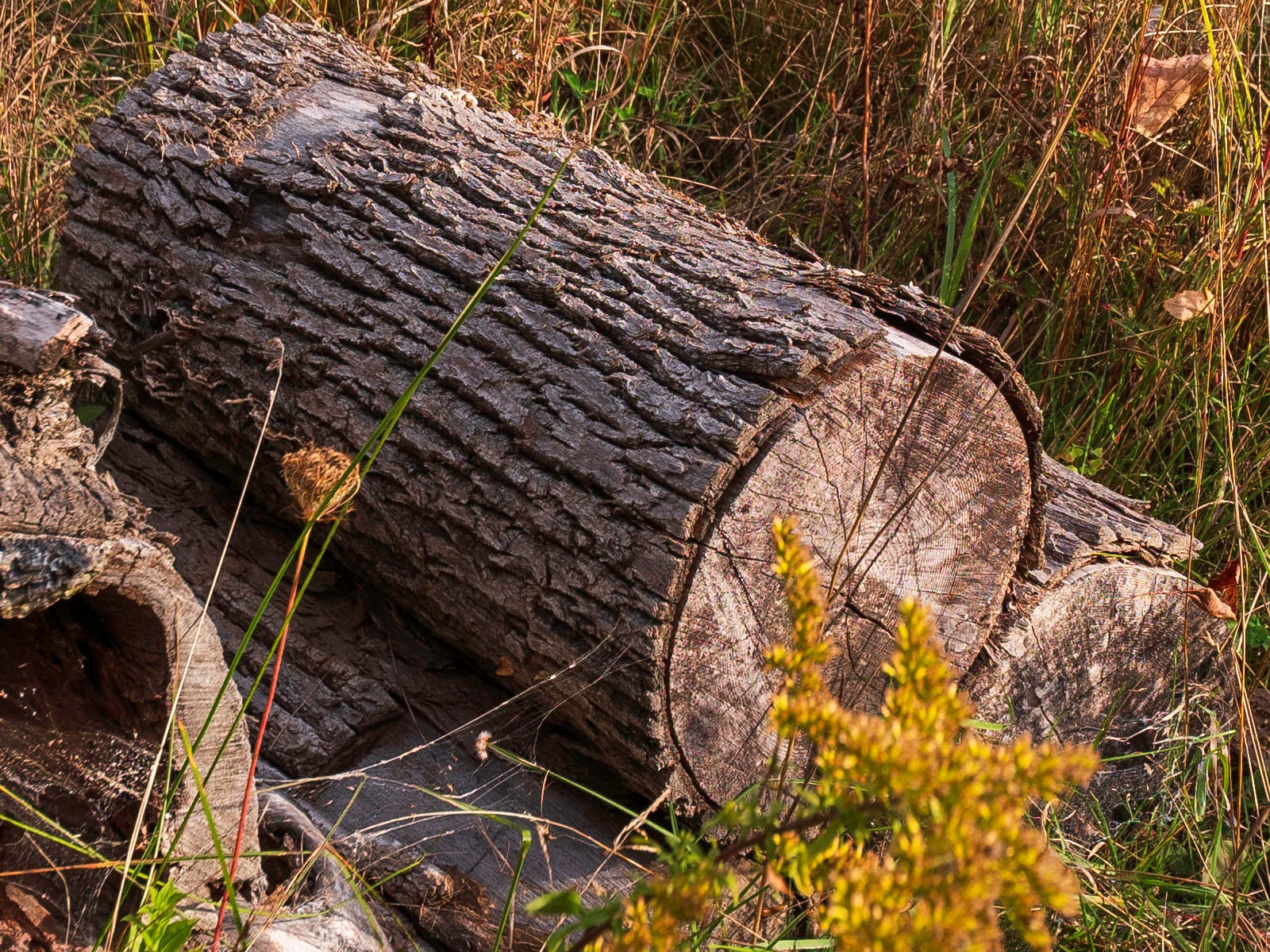
For me, the ultra-wide field of view means that this lens is ultimately extremely niche and very specialized. There’s a reason I sold my Fujifilm GF 23mm f/4 lens: I barely ever used it.
That said, the NiSi 16mm f/2.8 ASPH. was still an enjoyable change of pace for me. Its really good close-focusing distance of just 0.25 meters (less than 10 inches) meant I could get creative in the field. Its sunstars were fun to experiment with. I appreciate the lens quality. It delivers some really great resolution when you nail the focus.
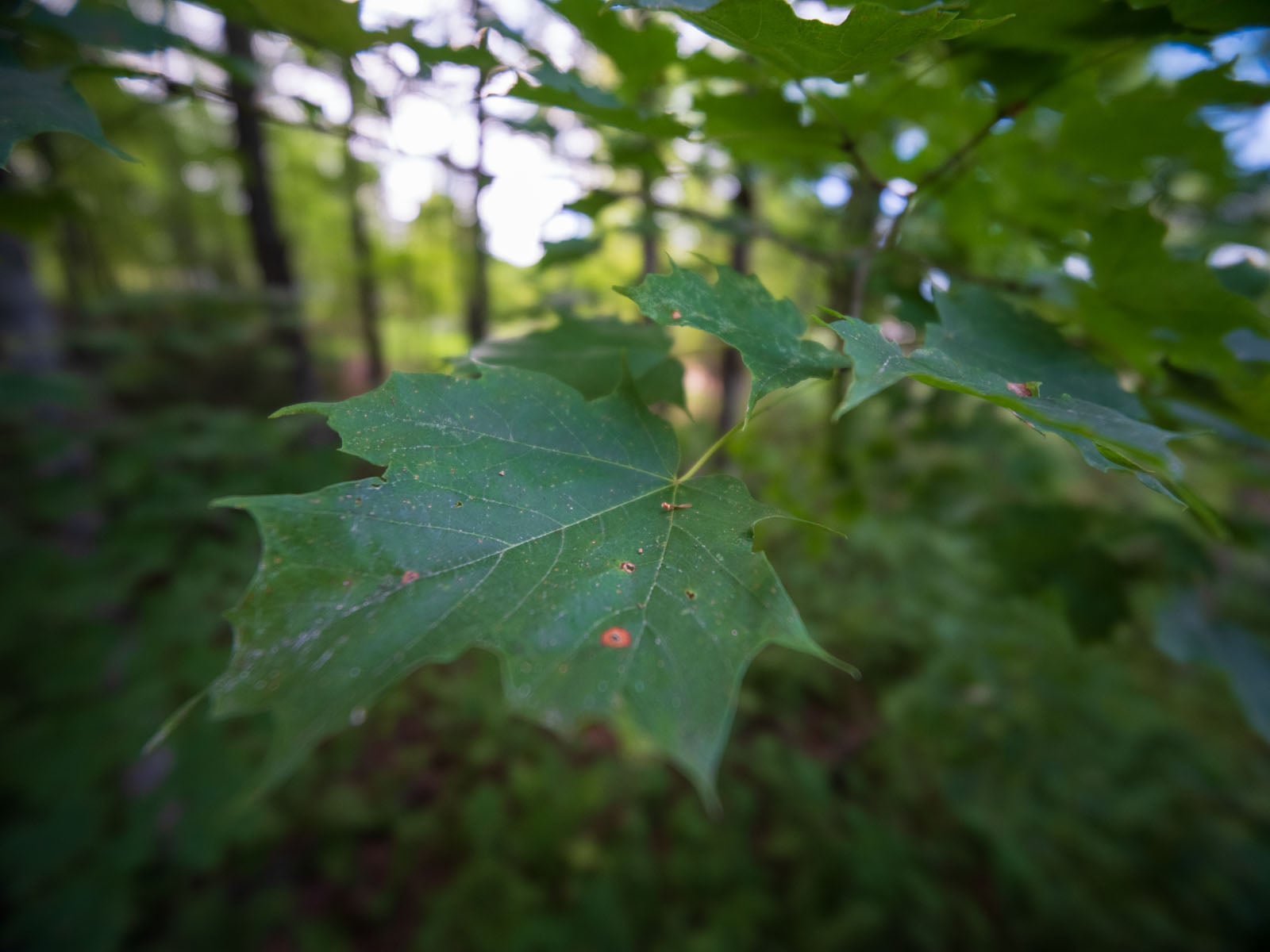


Nailing the focus isn’t always easy, though, and I do strongly prefer autofocus lenses. Even if I want to fine-tune focus manually, as I sometimes do, it’s really nice not to need to.
The NiSi 16mm f/2.8 ASPH. is a complicated lens, then. It’s not quite the lens for me, but if I put myself in the shoes of someone who really wants an ultra-wide lens for their GFX (or Hasselblad XD series camera), is this a good one? I believe so, yes.
The NiSi 16mm f/2.8 is sharp, well-built, well-priced, and it delivers on its core promises. There are drawbacks and downsides, like the manual focus design, lack of electronic communication, and issues with 82mm filters, but it does something few other lenses do, and does it well.

Are There Alternatives?
Fujifilm also makes ultra-wide lenses, though none come anywhere near as wide as NiSi’s 16mm prime.
The widest first-party prime lens is the Fujinon GF 23mm f/4 R LM WR, one of the company’s earliest GF lenses. It’s $2,999.95, while NiSi’s lens is $1,189 right now thanks to a discount. It’s regularly $1,399, which is still a far cry from Fujifilm’s first-party lens prices.
There’s also the GF 20-35mm f/4 R WR zoom lens, which is ever-so-slightly wider. That lens is $2,899.95 and pairs very well with Fujifilm’s “standard zoom,” the GF 32-64mm f/4 R LM WR.
Both of Fujifilm’s GF lenses have some very real advantages, though. Yes, they’re slower and more expensive, but they have autofocus, electronic communication, Fujifilm’s purpose-built corrections, and outstanding performance across the board. NiSi’s lens is sharp, yes, but it doesn’t offer the rest of those benefits.
TTArtisan has a 17mm f/4 Tilt-Shift lens for Fujifilm GFX. It’s $549, about the same focal length, a stop slower, and less than half the price. It also has tilt and shift capabilities, albeit with reduced range compared to its full-frame counterparts.
As far as standard ultra-wide primes go, the NiSi 16mm f/2.8 ASPH. is basically it. Fortunately, it’s a good lens, as long as you can live with its usability and workflow drawbacks. It is optically very good, which is probably the most important thing.
Should You Buy It?
Maybe. If you can live with the downsides of NiSi’s 16mm f/2.8 lens, you’ll likely be pleased with its overall performance. But you really need to love an ultra-wide field of view to find the trade-offs worthwhile. It’s a niche lens that is really good at its niche.
Affiliate Disclosure PetaPixel articles may include affiliate links; we may earn a commission if you buy through one.