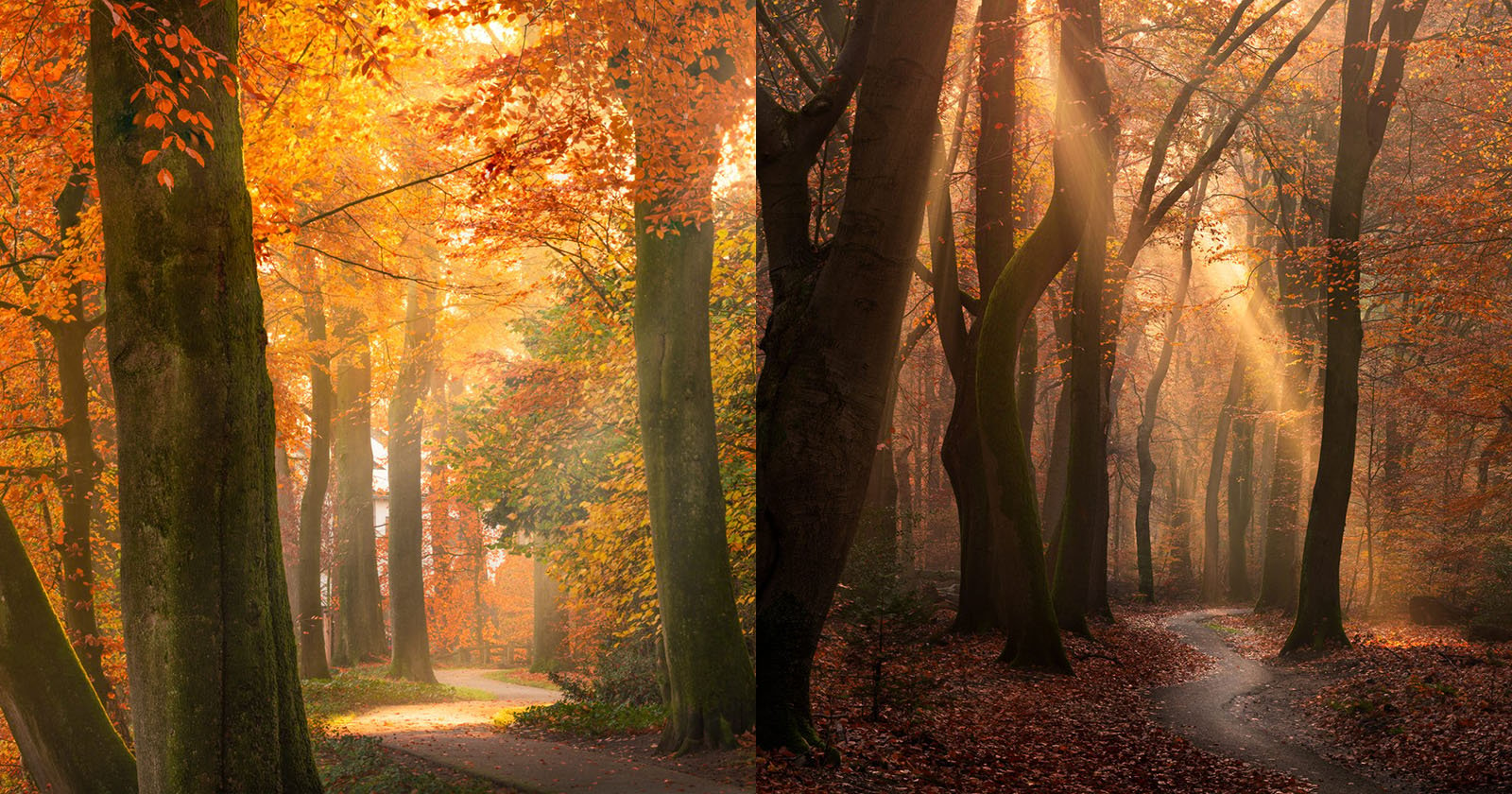
What I’ve Learned After 20 Years of Photographing Fall Color
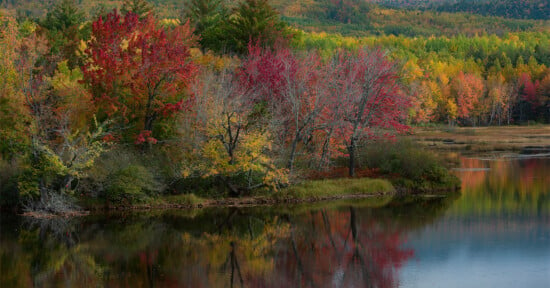
After 20 years of photographing fall color, I’m sharing the lessons that have helped me plan better outings, find stronger compositions, and build a more varied portfolio.
Growing up in the Northeastern U.S., autumn has always been one of the times of year that draws me outside with its explosion of color and fleeting window of opportunity. Over the years, though, I’ve learned that creating great autumn photographs isn’t simply about being in the right place when the leaves reach their peak. The most memorable seasons are the ones when I come home with a variety of images rather than hundreds of versions of the same landscape. That takes planning, a willingness to change how I approach a scene, and a mindset that keeps me looking beyond the obvious view.
Fall color gives us a surprisingly short window to work with. Depending on where you live and how the weather cooperates, peak color can come and go in just a few weeks, so I don’t want to spend that limited time wandering around hoping a photograph presents itself. Instead, I’ve developed a shot-list approach that gives my outings some direction while still leaving plenty of room to discover something unexpected.
Build a Fall Color Shot List
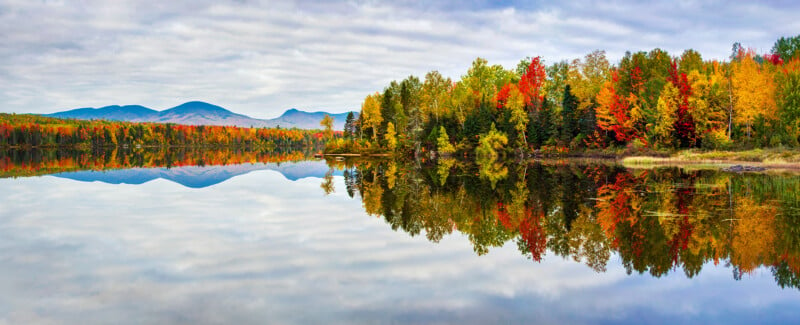
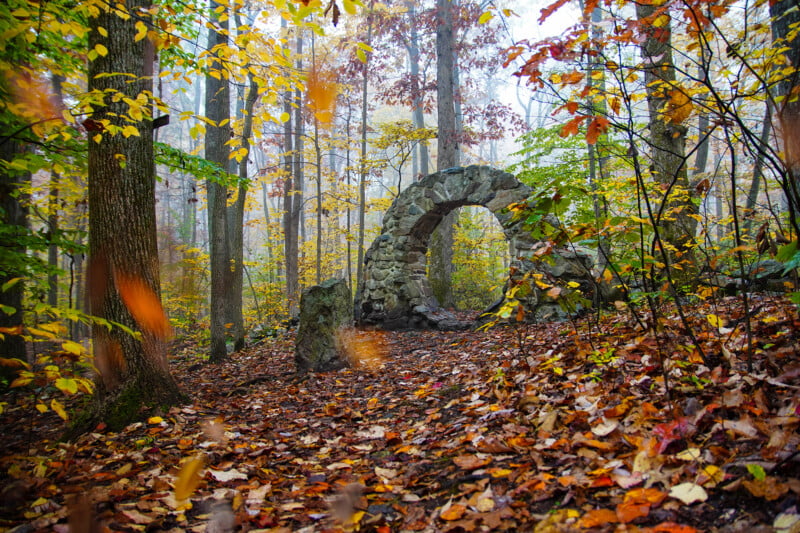
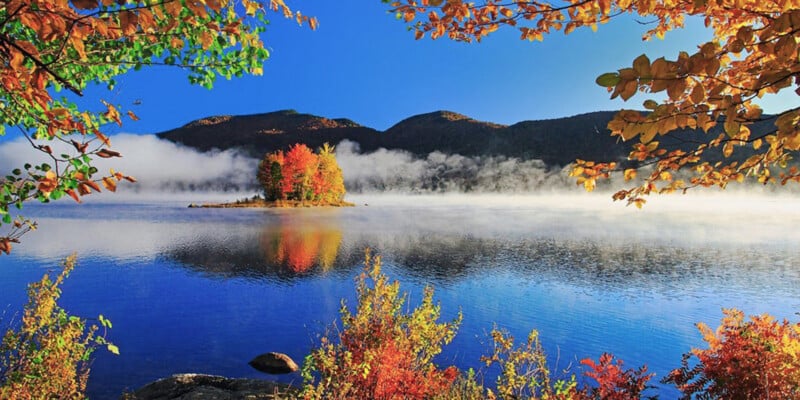
The biggest lesson I’ve learned is that planning doesn’t mean going out with one photograph already in mind. In fact, I approach fall color with a whole shot list. My goal is to end the short autumn color season with a variety of images rather than a collection of different scenes photographed in essentially the same way. A shot list gives me direction without dictating exactly what each photograph needs to look like.
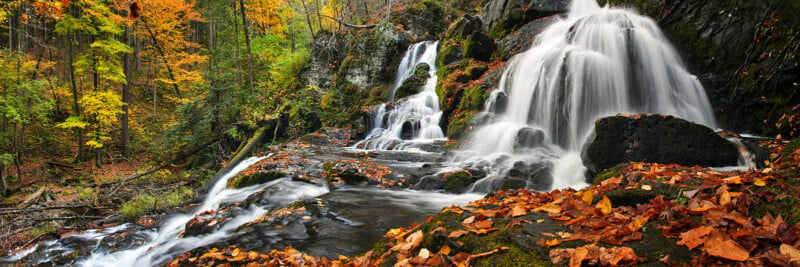
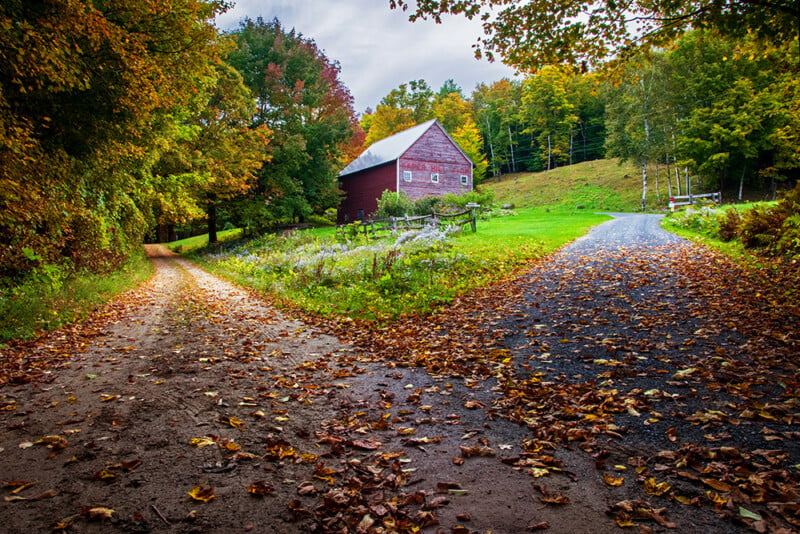
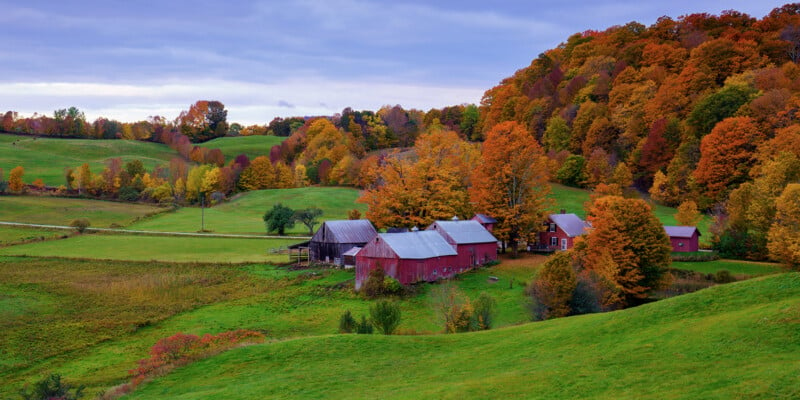
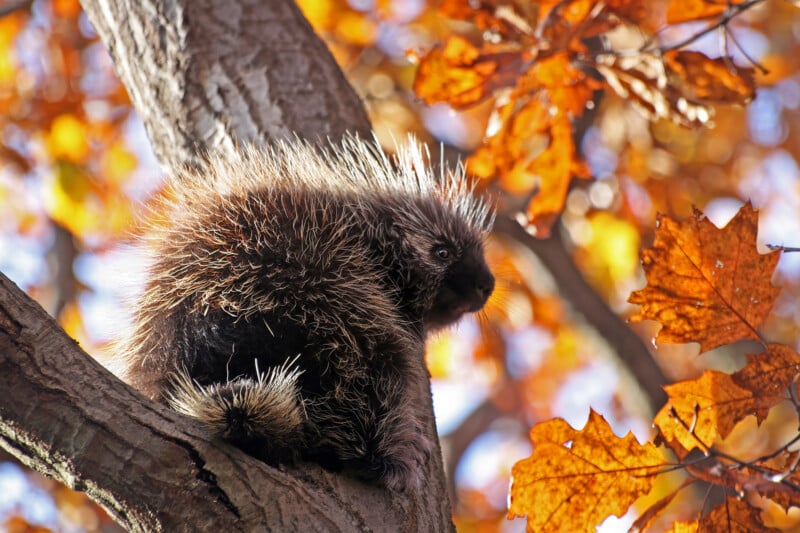
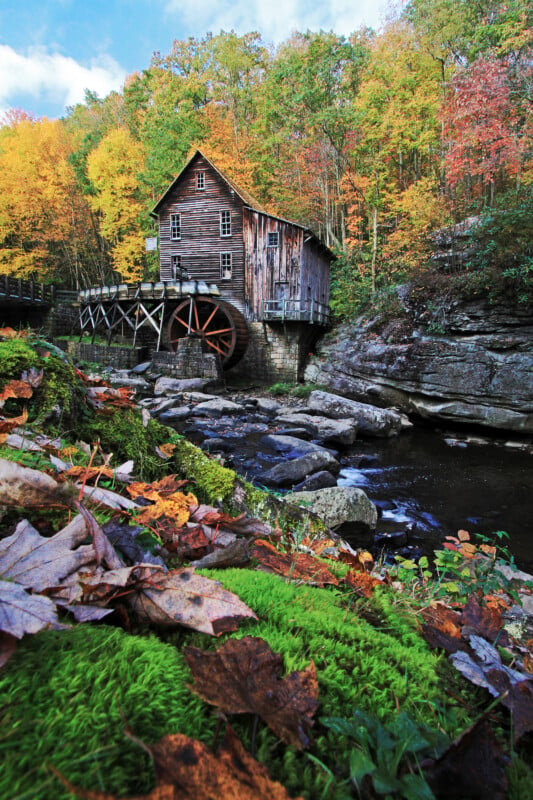
For me, that list might include macro photographs of incredibly colorful leaves, waterfalls with interesting rocks that can create leading lines in a long exposure, wide panoramic vistas that make you stop and say “wow,” or barns and covered bridges that connect the viewer with the surrounding landscape. I also look for smaller details, such as moss, mushrooms, bark, and other textures that can contrast with the bright colors of autumn. Wildlife is another part of that list, whether I’m creating a tighter portrait surrounded by fall foliage or using a longer lens to make the animal a small part of a larger environmental scene.
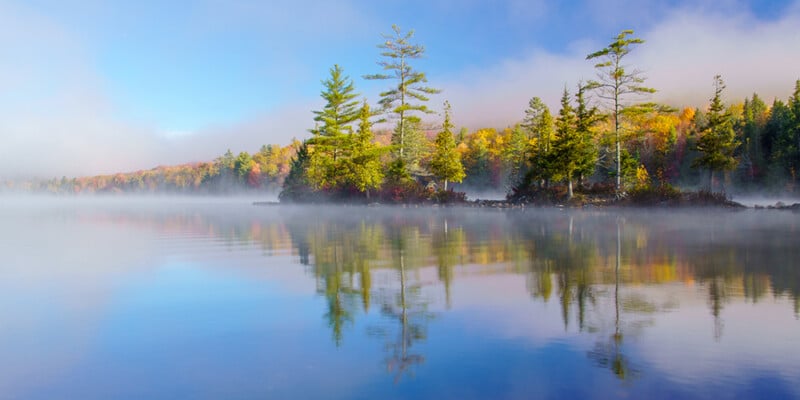
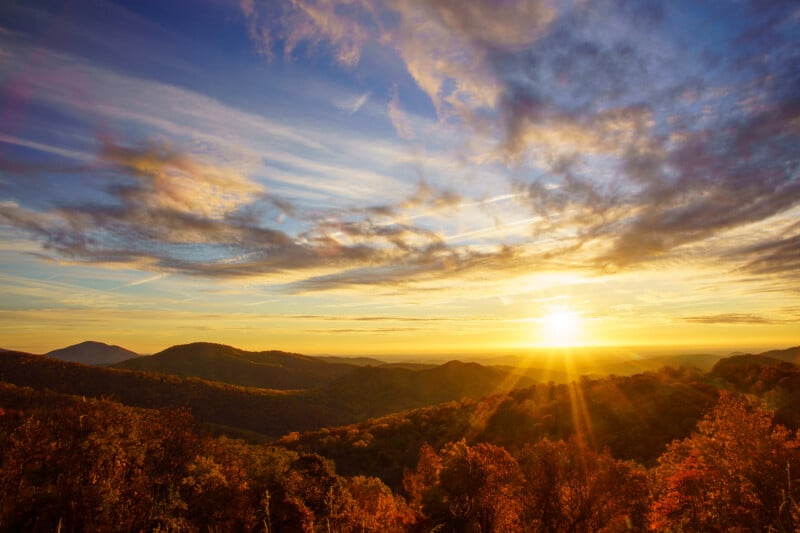
An Example of My Fall Color Shot List
To give you an idea of what this looks like in practice, I might head into the fall season with a list like this:
- Big landscapes: Wide or panoramic views with peak fall color and dramatic light.
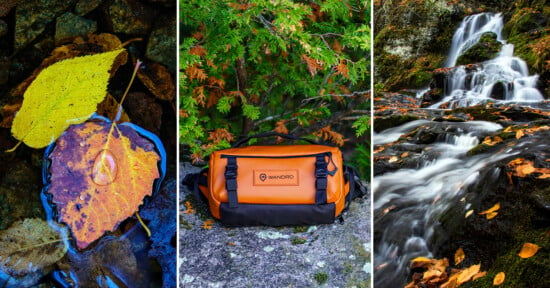
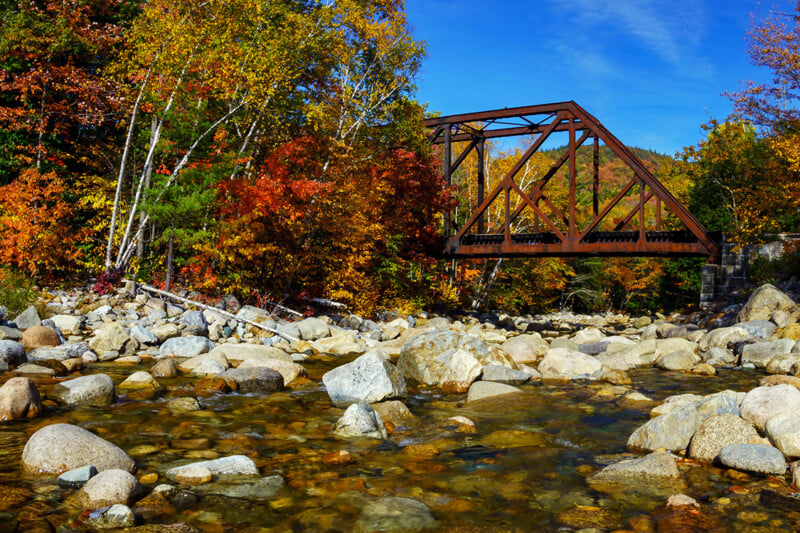
- Waterfalls: Long exposures with colorful foliage and interesting rocks or other foreground elements that create leading lines.
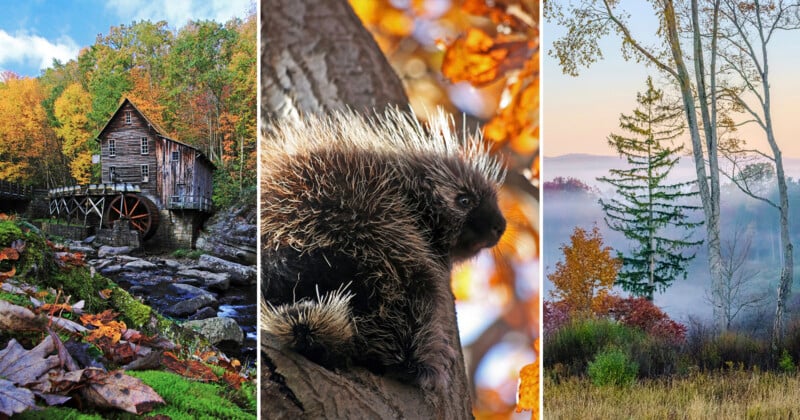
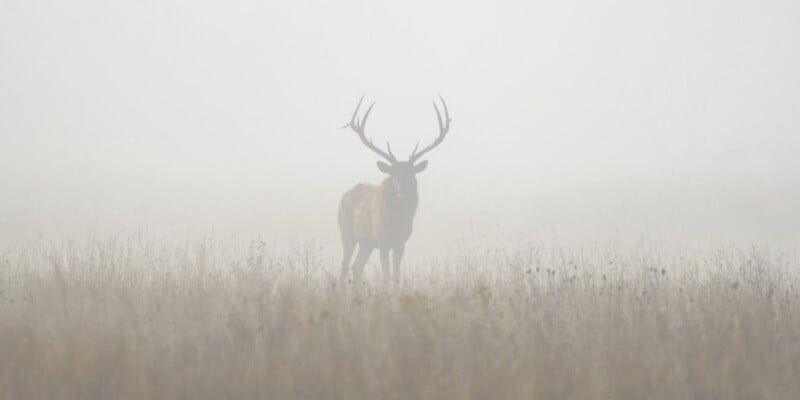
- Environmental wildlife: Animals relatively small in the frame with the surrounding autumn landscape playing an important role.
- Wildlife portraits: Tighter images with colorful foliage used as the background or frame around the animal.
- Macro images: Colorful individual leaves, interesting clusters of leaves, or small autumn details.
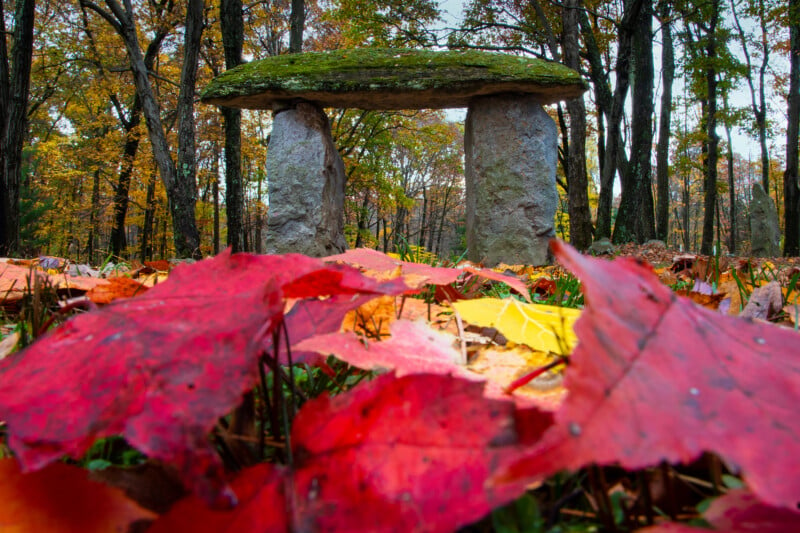
- Textures: Moss, mushrooms, bark, rocks, or other natural textures that contrast with the surrounding fall color.
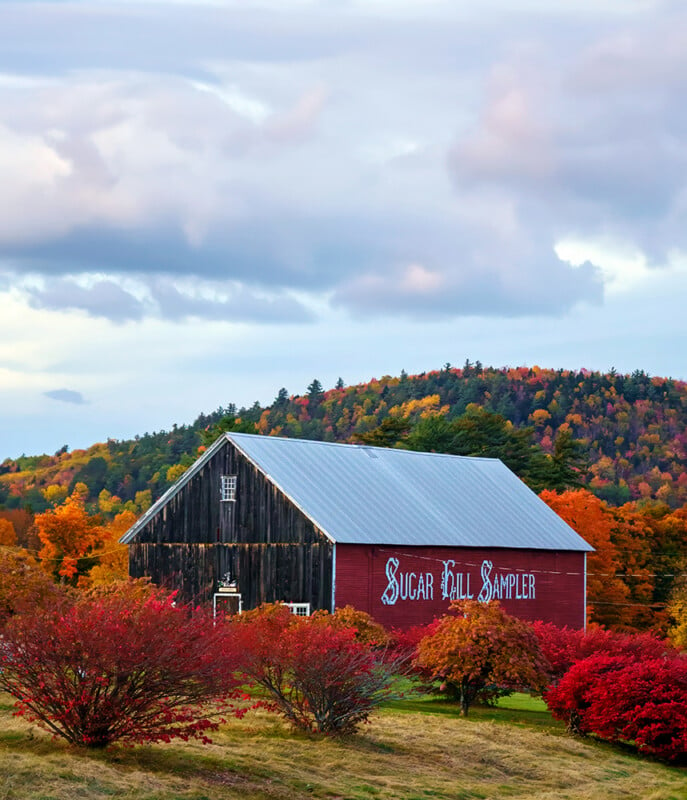
- Human elements: Barns, covered bridges, trails, fences, or other structures that help connect the viewer to the landscape.
- Abstract or unusual compositions: Reflections, overlapping foliage, compressed layers, or other interpretations that don’t immediately look like traditional fall landscapes.
I don’t expect to complete this entire list every time I go out. Instead, it gives me a variety of photographs to look for throughout the season. One outing might produce waterfall, macro, and texture images, while another might focus on wildlife and environmental scenes. A third might focus on finding a dramatic vista at the right time of day.
The important part is that I’m not simply returning to the same type of composition over and over. If I’ve already made several wide landscapes, I’ll deliberately look for something tighter or more intimate. If I’ve spent the morning photographing wildlife with a telephoto lens, I might switch to a macro lens and spend some time looking at the forest floor. The shot list keeps me thinking about what is missing from my collection rather than just photographing whatever is easiest to put in front of the camera.
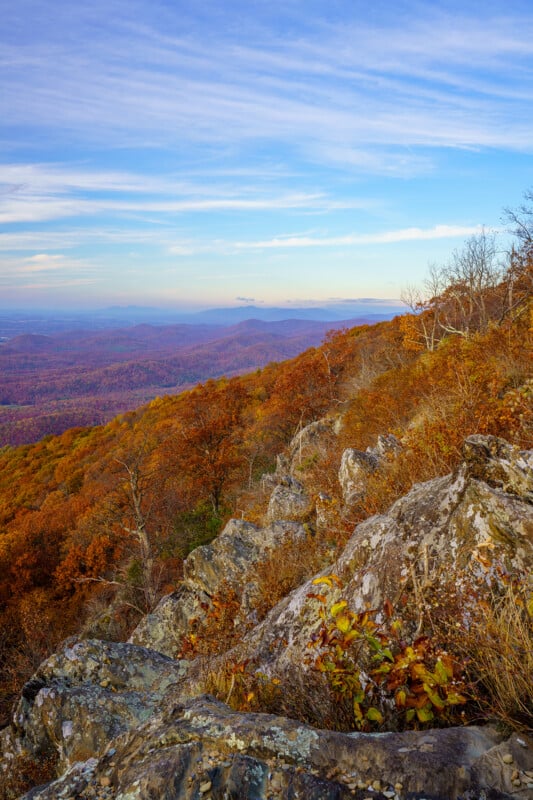
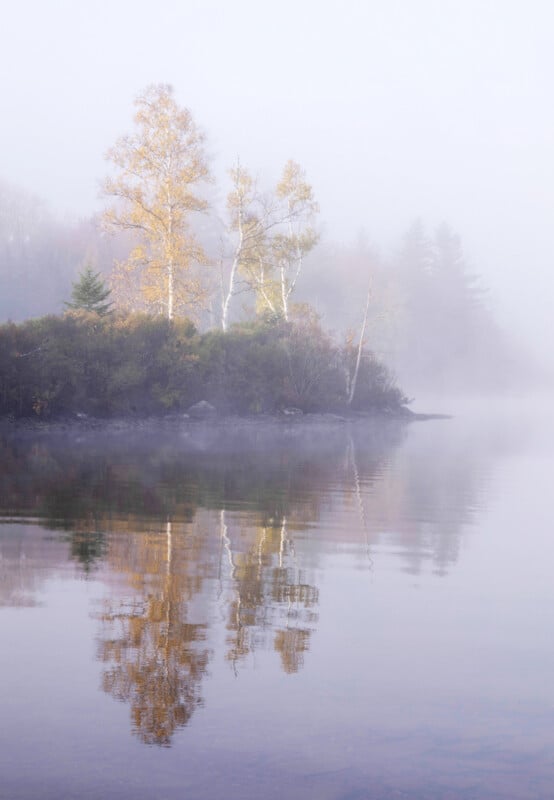
Once I have an idea of the types of photographs I want to come home with, I can plan my outings around them. If I want waterfalls, I’ll research locations where I can safely get low and work with rocks or other foreground elements for layered compositions. If I’m looking for panoramic vistas, I’ll seek out overlooks and mountain viewpoints. If I’m after barns, covered bridges, or other structures, I’ll research areas where I can incorporate those subjects into the autumn landscape.
That approach has made a huge difference in the variety of my fall color portfolio. Rather than spending the entire season photographing whatever happens to be directly in front of me, I’m intentionally looking for different types of photographs. The result is a much larger collection of keepers at the end of the season, with images that feel different from one another rather than folders full of snapshots that are essentially the same composition repeated across different locations.
How to Plan Your Outings Around the Shot List
Once I have my shot list, I pay close attention to the weather and light because different conditions suit different types of photographs. Instead of simply looking at the forecast and deciding whether it is a good day to photograph fall color, I use it to decide what kind of photography I should focus on. Understanding how weather and light affect each subject can make a huge difference in what I bring home.
For example, overcast days are some of my favorite conditions for waterfalls and macro photography. The clouds act like a giant softbox, reducing harsh contrast and making it easier to photograph autumn’s bright colors without losing detail in the highlights. That softer light also works well for close-up photographs of colorful leaves, moss, mushrooms, and other details because I don’t have to fight strong shadows across small subjects. If I see an overcast day in the forecast, I might skip the big mountain vista and instead plan a hike around waterfalls and forest details.
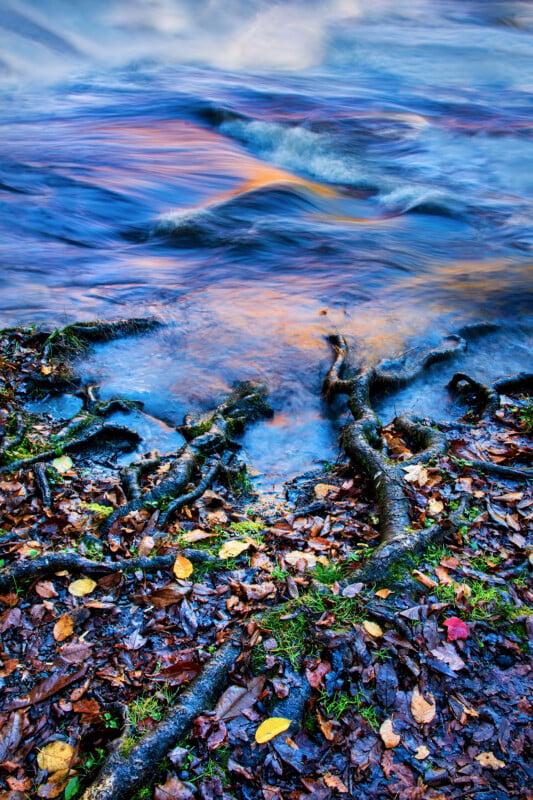
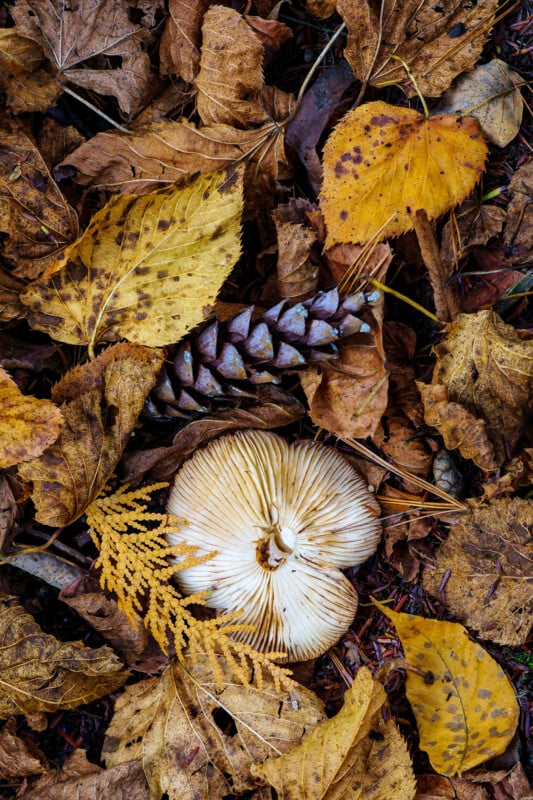
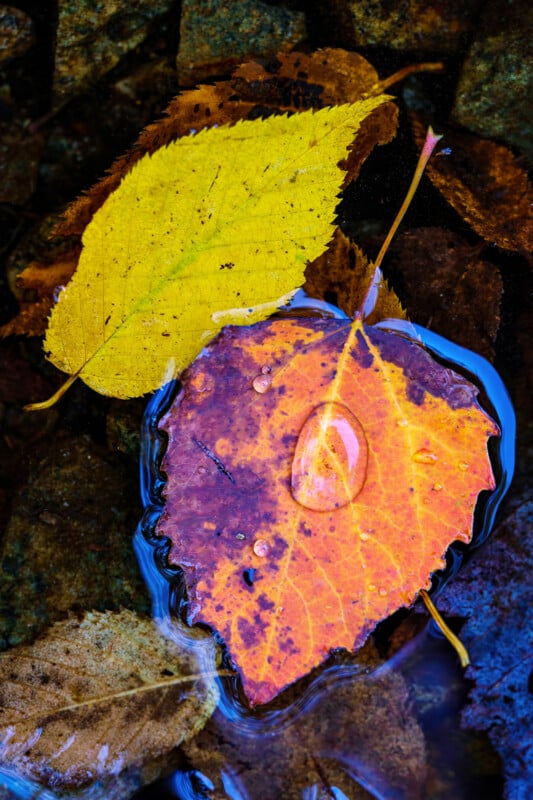
Recent rain can make those waterfall outings even more worthwhile. The day or two after a good rainfall, waterfalls and smaller cascades can have significantly more flow, making them more dramatic and giving me more options for long exposures. Wet rocks, leaves, and moss can also become more saturated, while puddles and streams can create reflections. I still need to consider trail and water conditions for safety, but from a photographic standpoint, I pay close attention to the weather in the days leading up to a waterfall trip, not just what is happening that morning.
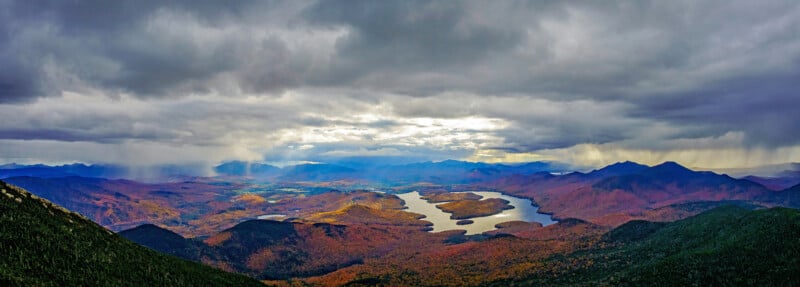
For big landscapes and panoramic vistas, I look for very different conditions. Partly cloudy weather around sunrise or sunset can give me the combination of dramatic clouds and warm light that makes a mountain landscape come alive. Clear skies can sometimes produce beautiful color during the first or last few minutes of daylight, but some cloud cover gives the light something to interact with and can add depth and texture to the sky. If the forecast looks promising for sunrise or sunset, I’ll plan my outing around an overlook or mountain viewpoint rather than spending that morning photographing in the forest.
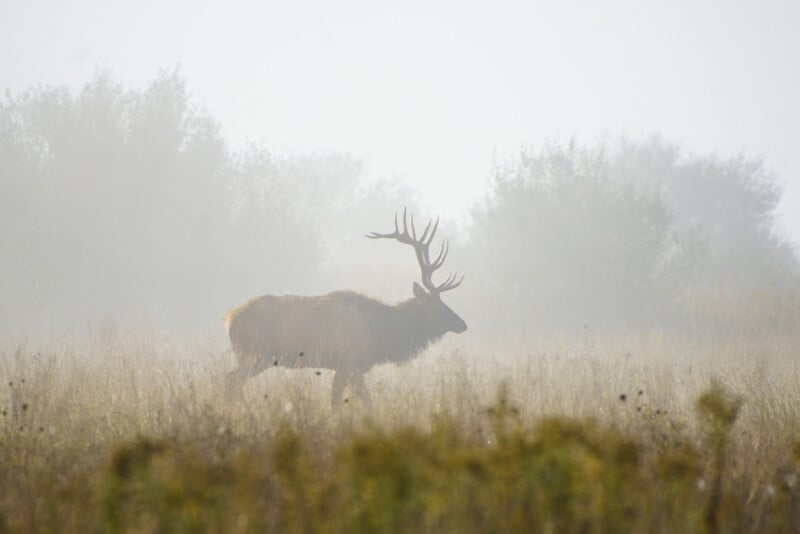
Wildlife requires another kind of planning. I’ll research where the animals are likely to be, but I’ll also think about the light and the type of photograph I want to make. Soft morning or evening light can be especially useful for wildlife portraits because it provides more flattering illumination and can add warm color to the surrounding foliage. If I’m looking for an environmental wildlife photograph, I’ll also consider the background and light direction so the animal becomes part of the larger autumn landscape rather than simply a subject in front of it.
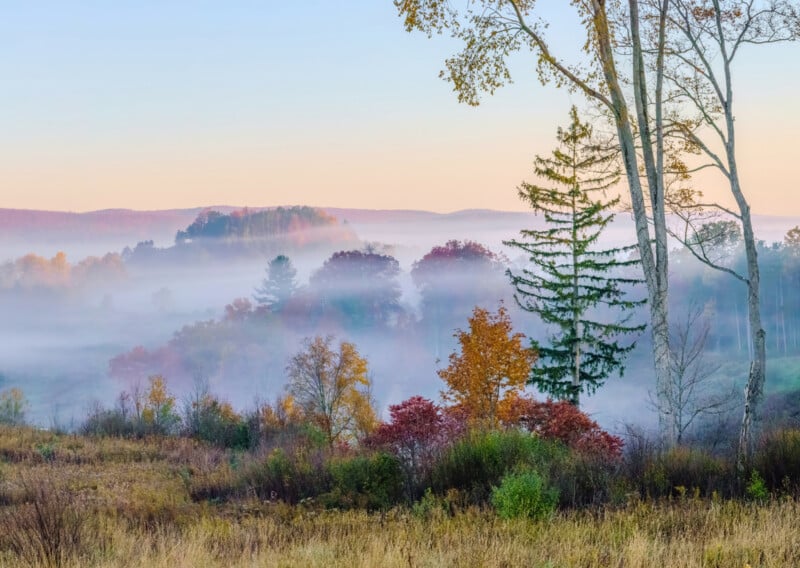
The same approach applies to barns, covered bridges, and other structures. If I’m photographing one as part of the surrounding landscape, I’ll think about where the sun will be and whether the light will illuminate the structure and the foliage around it. Fog can also completely change how I approach these scenes, particularly in the mountains, where it can simplify the background and create layers between subjects, trees, and distant hills.
This is where having the shot list becomes particularly useful. I can check the forecast and decide based on the conditions rather than simply hoping for good weather. Overcast and recently wet? I’ll look for waterfalls and macro details. Partly cloudy with a promising sunrise or sunset? I’ll head for a vista. Good conditions for wildlife? I’ll bring the telephoto and look for animals surrounded by fall color. The weather doesn’t determine exactly what photograph I’ll make, but it can help determine which kinds of photographs are most worth pursuing that day.
The goal isn’t to predict exactly what photograph I’ll make before I leave home. It’s to understand the conditions, choose the type of photography they suit best, and put myself in places where those photographs are possible.
Don’t Just Photograph the Famous View
A shot list also helps me avoid falling into the trap of photographing only the famous view at a location. There’s nothing wrong with taking the iconic photograph, and I often do. But if that is the only photograph I make, I’ve probably left a lot of possibilities unexplored.
If I’m standing at a popular overlook, for example, I’ll make the wide view and then start looking for other opportunities that fit my shot list. Maybe there’s a lone tree with exceptional color that works better as a telephoto composition. Perhaps a trail leads into the forest and creates a natural leading line. I might find a small stream reflecting the surrounding foliage or notice interesting moss and mushrooms along the trail.
This is how I can visit a well-known location without simply creating another tourist photograph. I’m still photographing the place, but I’m looking for my own way into the scene. Sometimes that means walking a little farther, turning around, getting closer to the ground, or simply paying attention to what is happening outside the obvious viewpoint.

Change Your Lens
One of the simplest ways I’ve found to create a variety of images is to actually change lenses. It sounds obvious, but it’s very easy to put one versatile zoom lens on your camera and spend an entire outing simply zooming in and out. Physically changing lenses forces me to reconsider the scene and think differently about what I want to photograph.
For example, I might start with a wide-angle lens and photograph a waterfall with colorful trees surrounding it. I’ll look for something in the foreground to create leading lines, and get low to build a layered composition. Then I’ll switch to a telephoto lens and look at that same waterfall differently, perhaps isolating a section of colorful foliage or compressing layers of trees in the distance.
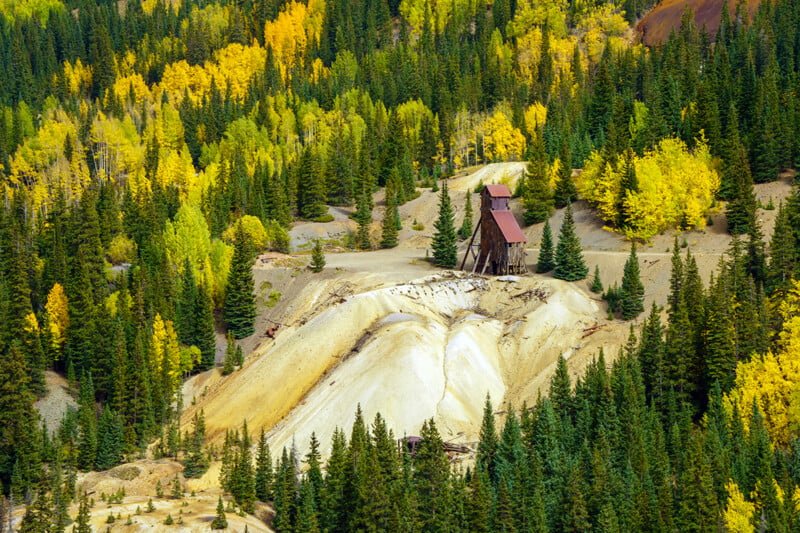
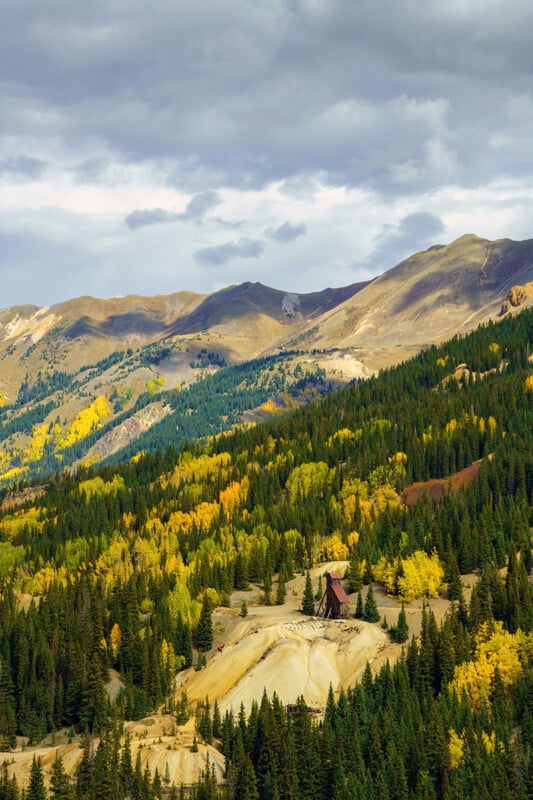
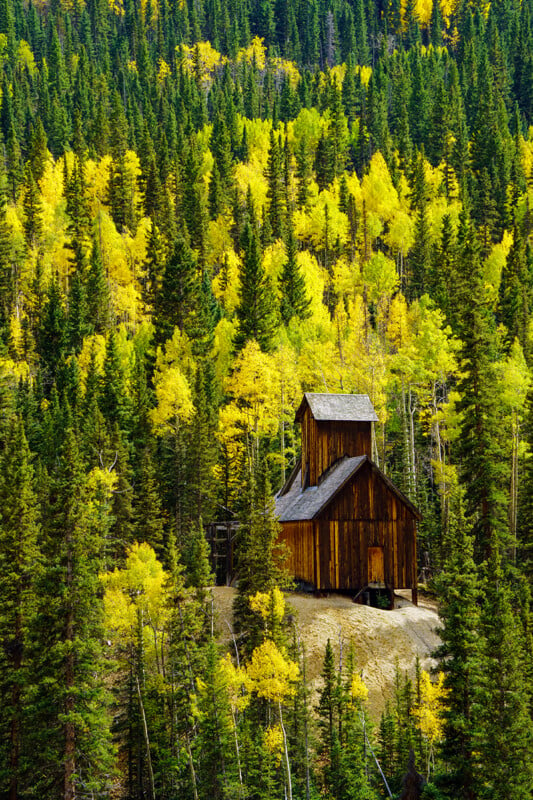
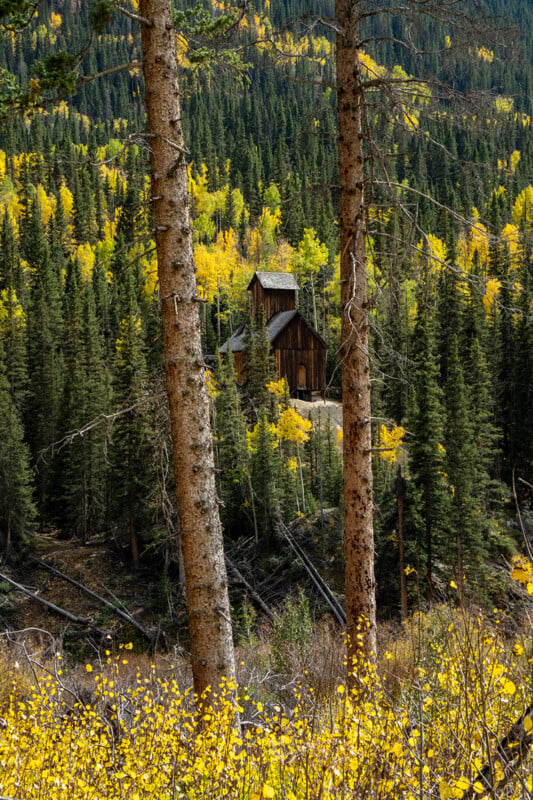
If I’m carrying a macro lens, I can switch gears completely. Instead of photographing the landscape, I’ll look closely at individual leaves, moss, mushrooms, bark, or other textures. A single red leaf surrounded by green moss can become a completely different photograph from the sweeping autumn landscape I was making a few minutes earlier.
This is one reason I don’t consider changing lenses simply a technical decision. It changes how I see. When I put a different lens on the camera, I have to stop thinking about the photograph I was just making and start looking for photographs that suit the new perspective.

Bring the Gear That Gives You Options
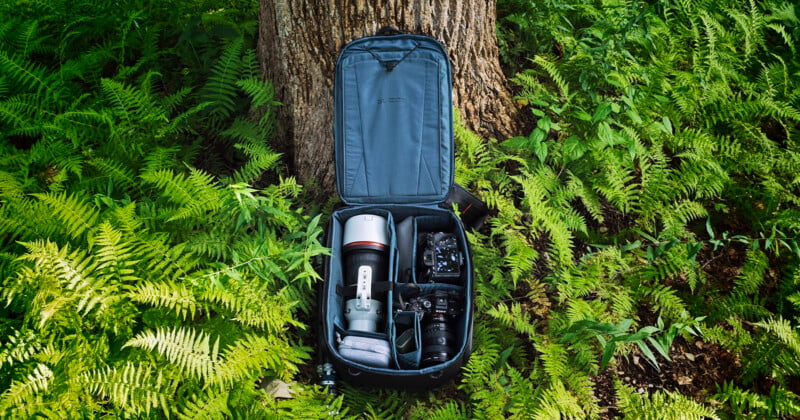
Having the right equipment isn’t about owning the most expensive gear. It’s about bringing the tools that let you capture the photos on your shot list. If waterfalls and long exposures are part of the plan, I’ll want a sturdy tripod and filters. If I’m heading somewhere known for wildlife, I’ll make room for a long telephoto lens. If macro details are on my list, I’ll bring a lens that lets me get close and isolate those smaller subjects.
I also think about the accessories that can make a difference once I’m in the field. A circular polarizing filter can help control reflections on wet leaves and water, while ND filters give me more flexibility with shutter speed when I’m photographing waterfalls. Extra batteries matter when I’m spending long days outside, especially in cool autumn temperatures, and cleaning supplies become essential when I’m working around waterfalls or dusty trails.
The important thing is that I’m not carrying all of this gear simply because I might need it someday. I’m bringing it because I’ve thought about the photographs I want to make and know which tools will help me create them.
I go into much more detail about exactly what I carry for fall color, including my two different camera bag setups, in my article “What’s in My Camera Bag for Photographing Fall Color.”

Don’t Let the Foliage Become the Only Hero of the Photograph
Fall color is so visually impressive that it can be tempting to point your camera at a wall of colorful trees and assume the photograph will make itself. Sometimes it does, but often the result is simply a photograph of pretty leaves. That’s why I try to give the color something else to do within the composition.
If I’m photographing a mountain covered in autumn foliage, for example, I might wait for a hiker to walk along a trail below it. That person provides scale and gives the viewer something to notice within the larger scene. At a waterfall, I might use colorful leaves in the foreground rather than filling the entire frame with the falls. If I’m photographing wildlife, I might intentionally make the animal small in the frame and use the surrounding landscape to tell the story of where it lives.
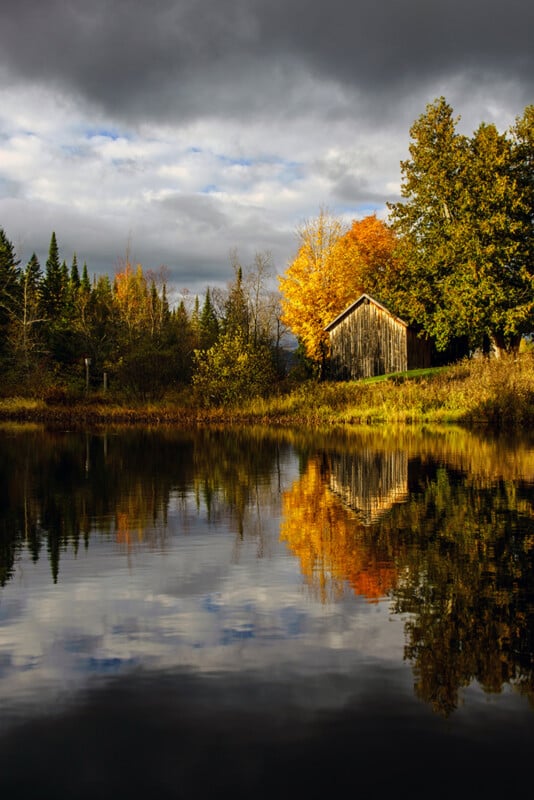
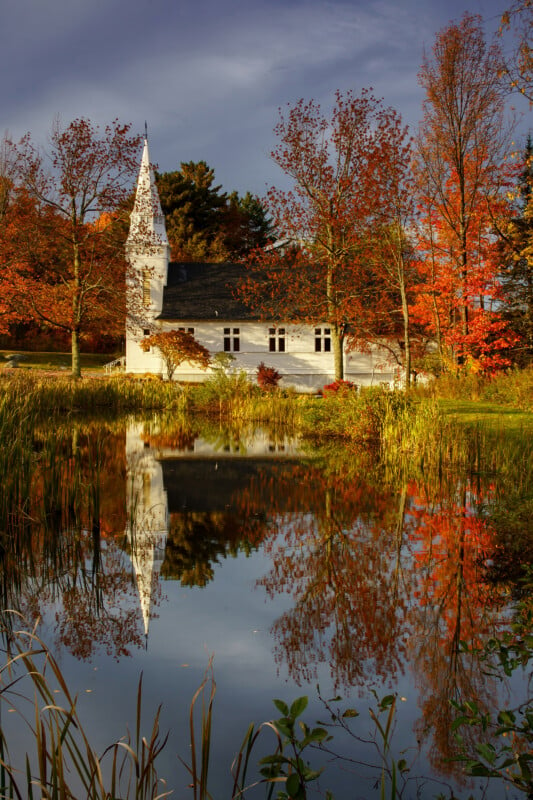
Barns, churches, and covered bridges are another example. Instead of photographing the structure as an isolated subject, I’ll look for a composition where the building interacts with the surrounding trees and landscape. The autumn color becomes part of the story and connects the viewer to the place, rather than simply acting as a colorful background.
Look for Layers and Depth
Another thing I actively look for when working through my shot list is depth. Layers of trees, overlapping hills, foreground leaves, distant mountains, and atmospheric conditions such as fog can give a photograph a much stronger sense of space.
One simple way to create this is to find something close to the camera and use it as a foreground element. I might photograph through a cluster of colorful leaves so they frame a distant mountain, or stand behind a moss-covered rock so it becomes the first layer of the image. Even a small branch or fallen leaves on the ground can help lead the viewer into the scene.
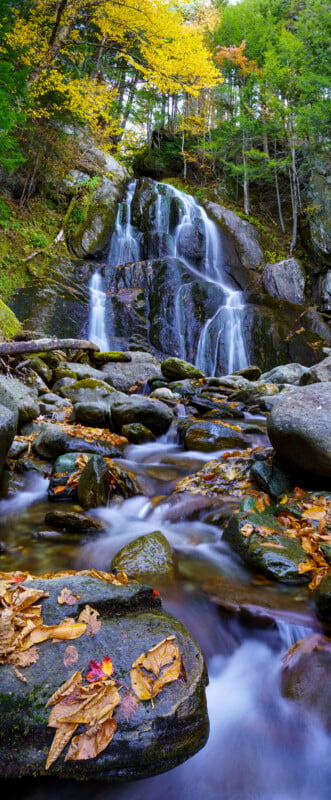
My waterfall photographs are a good example of how I intentionally look for these layers. Rather than standing directly in front of the falls and photographing the water head-on, I’ll look for rocks that create leading lines toward the waterfall. If I can safely get low, I can use those rocks in the foreground, the flowing water in the middle of the frame, and the colorful trees beyond it to create a much more dimensional composition.
Telephoto lenses create a completely different kind of layering. If several ridges are covered in fall color, I can use a long lens to compress those layers together, turning what looked like a distant landscape into a series of overlapping bands of color.
Photograph the Details
My shot list always includes details because some of the most interesting fall photographs aren’t necessarily wide landscapes. A perfect red leaf against green moss, fallen leaves floating in a stream, or a cluster of leaves caught in soft light can all become photographs in their own right.
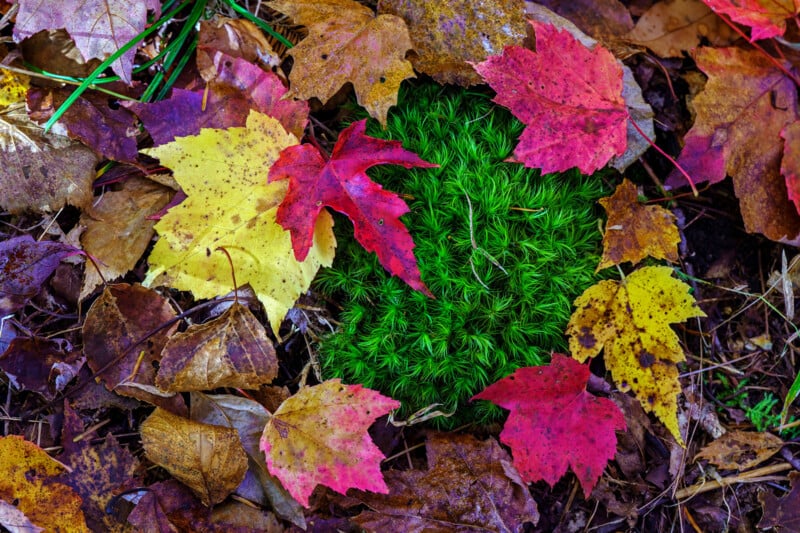
This is where I’ll often switch to my macro lens. Instead of photographing an entire tree, I might focus on one leaf and use a shallow depth of field to isolate its texture and color against a soft background. If I find an interesting collection of leaves on the forest floor, I’ll move around it to find the angle where the light brings out their shapes and textures.
I also like looking for textures that contrast with the color itself. Bright autumn leaves against green moss can create a completely different image from leaves surrounded by more colorful foliage. Mushrooms, tree bark, rocks, lichen, and other natural details can give the viewer a visual break from the reds, oranges, and yellows while still keeping the photograph firmly connected to autumn.
Give Yourself Time to See the Scene
Having a shot list doesn’t mean rushing from location to location trying to check everything off. In fact, some of my best photographs come from giving myself enough time to explore a location after I’ve found something that fits my list.
For example, I might arrive at a waterfall because I know I want to make a long exposure with fall color. I can set up the obvious composition, but then I’ll look around to see whether moving a few feet gives me a stronger foreground. I might try a vertical composition, change the shutter speed, or switch to another lens. If the light changes, I’ll reconsider the scene rather than simply sticking with the photograph I originally had in mind.
The same thing happens with wildlife. I might initially photograph an elk as a tighter portrait, but then realize that the animal looks much more interesting as a small part of the surrounding landscape. Instead of packing up after getting the portrait, I’ll switch compositions and wait for the animal to move into a position where the autumn color becomes part of the image.
The shot list tells me what I’m looking for, but spending time with the scene determines how I ultimately photograph it.
Intuition: Know When to Move On
Just because a spot is beautiful doesn’t mean it will make a good photograph. I’ve learned to recognize when a composition simply isn’t working and give myself permission to move on rather than wasting time trying to force an image. If I’ve tried several angles and nothing is coming together, I don’t feel like I have to leave with a photograph just because the foliage is beautiful.
This is particularly important during fall color because the season is so short and there are usually countless opportunities nearby. If a wide vista isn’t working because the light is flat or the composition feels cluttered, I’ll look for something else on my shot list. Maybe there’s a waterfall farther down the trail, wildlife nearby, or interesting macro details in the forest. I would rather spend that limited time looking for a photograph that works than stay in one spot trying to convince myself that a weak composition is worth making.
Learning to reject the obvious photograph has also helped me find more unusual compositions. Sometimes the best decision is simply to stop looking at the scene the way everyone else is photographing it and ask myself what else is around me. For example, in the following clip, I didn’t like the harsh light on the obvious composition. Instead of fighting it, I went inside the structure and used the rustic window to create an intentional starburst.
Having a variety of subjects and compositions in mind gives me the freedom to move on when something isn’t working. Rather than getting hung up on the duds, I can keep exploring, knowing there is always another possibility to find.
Make Photographs That Feel Like Yours
After more than 20 years of photographing fall color, probably the biggest lesson I’ve learned is that I don’t want to come home with a portfolio that simply documents where I went. I want the images to reflect what I actually found interesting about those places and to create a connection between nature and the viewer.
That doesn’t mean avoiding iconic locations or trying to be different simply for the sake of being different. If the classic view is beautiful, photograph it. But then ask yourself what else you can find. Can you use a different lens? Can you get closer? Can you photograph a detail? Is there wildlife nearby? What happens if you wait for different light? Can you incorporate a barn, covered bridge, trail, waterfall, or another element into the composition?
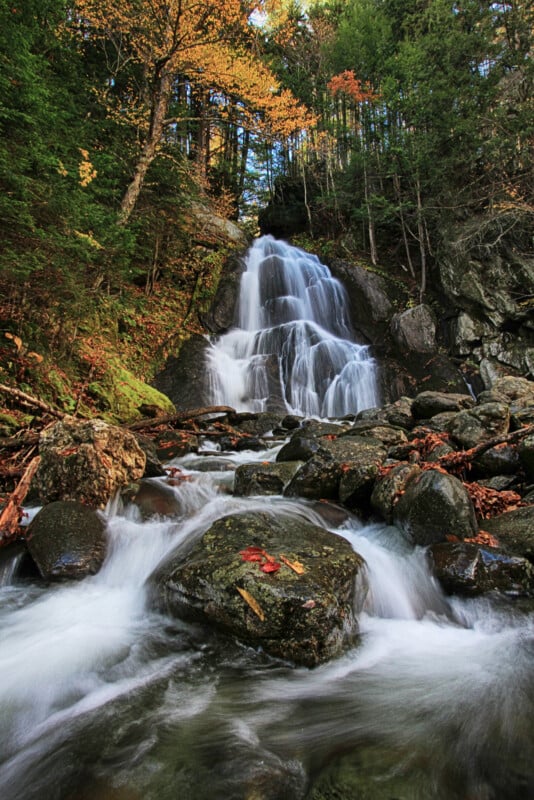
That’s ultimately why I use a shot list. It gives me enough structure to be intentional without telling me exactly what each photograph needs to look like. I can set out knowing I want a few dramatic vistas, some intimate macro images, waterfall long exposures, wildlife, environmental scenes, and photographs of the smaller details of autumn, then let the light, leaves, and overall landscape determine what those photographs actually become.
Fall color gives us an incredible amount to work with, but the leaves are only the starting point. After 20 years, I’ve found that the difference between coming home with a handful of repetitive snapshots and coming home with a portfolio often comes down to how intentionally I approach the season. Plan what kinds of images you want, seek out places that offer those opportunities, change your lenses, explore beyond the obvious viewpoint, and give yourself enough time to find the photograph rather than simply recording random scenery.
Image creditsPhotographs by Kate Garibaldi
Affiliate Disclosure PetaPixel articles may include affiliate links; we may earn a commission if you buy through one.