Astronaut’s Before-and-After Photos Show How Cities Switched From Orange to White Light
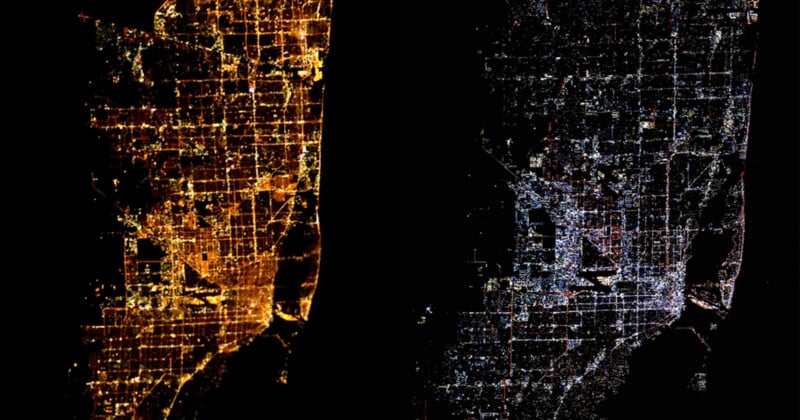
Over the past 15 years, cities at night around the world have undergone a transformation: instead of being bathed in warm, orange sodium vapor light, they’re now lit up by brighter, white LED lights.
NASA astronaut and photographer Don Pettit, who has been living on and off at the International Space Station since 2002, has documented this transition and recently shared a series of photos that starkly demonstrate what that change looks like from space.
“I have spent 23 years documenting the global LED transition of city lighting from space,” Pettit, who took some of the early photos on film cameras, writes on X.
“Across my four missions to the ISS, I have photographed every major city on Earth, building a data set of the gradual replacement of sodium vapor lighting with LEDs.”
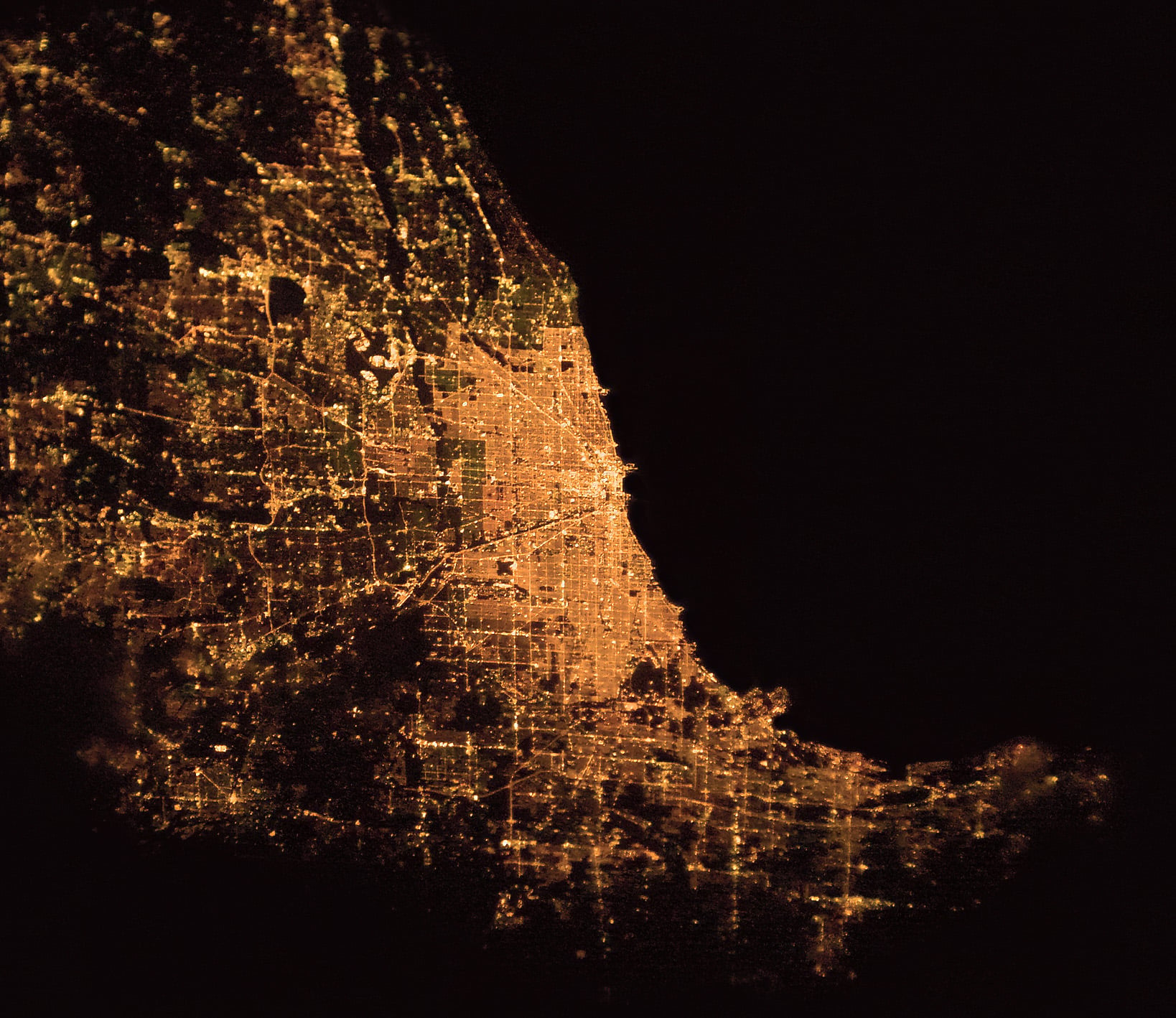
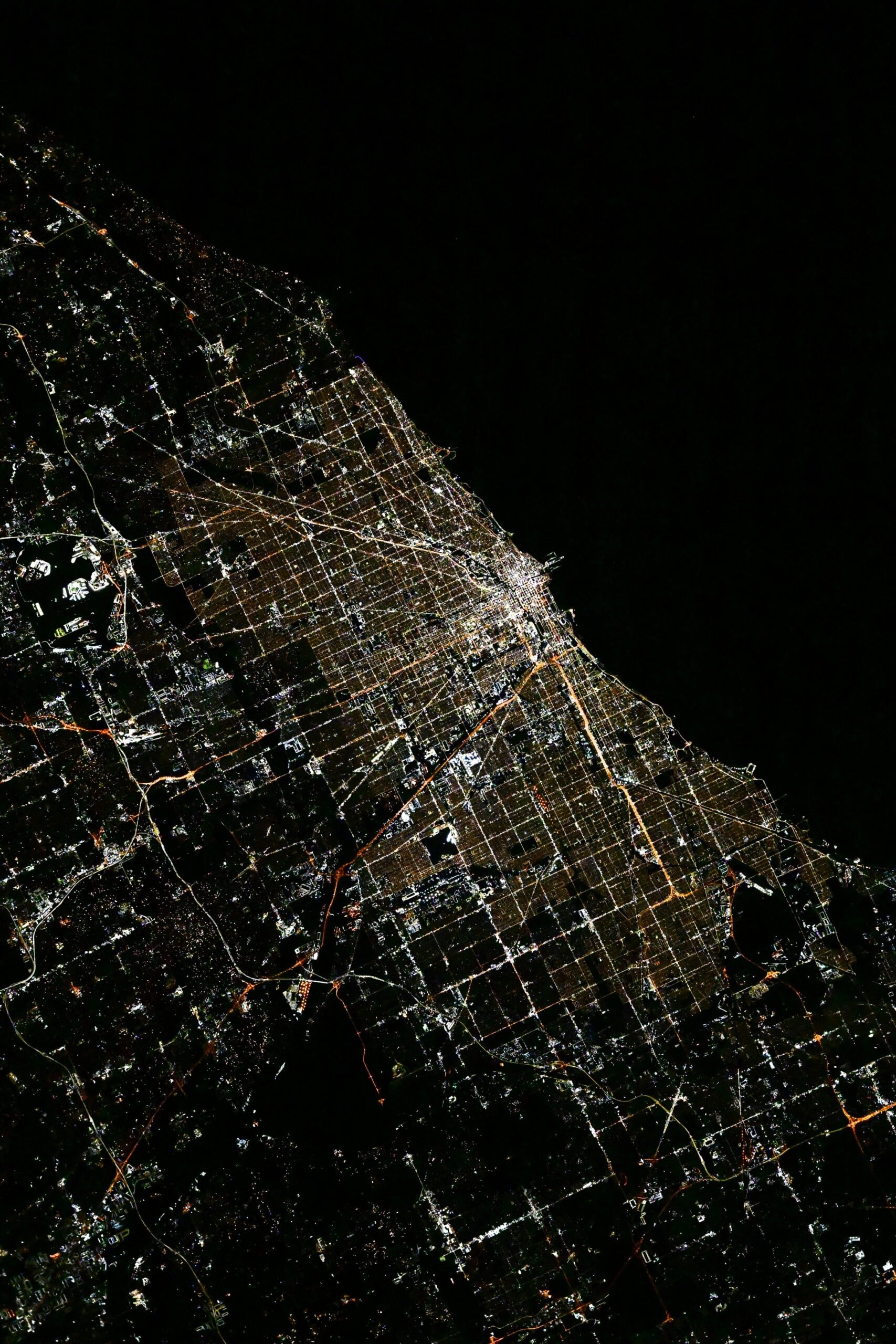
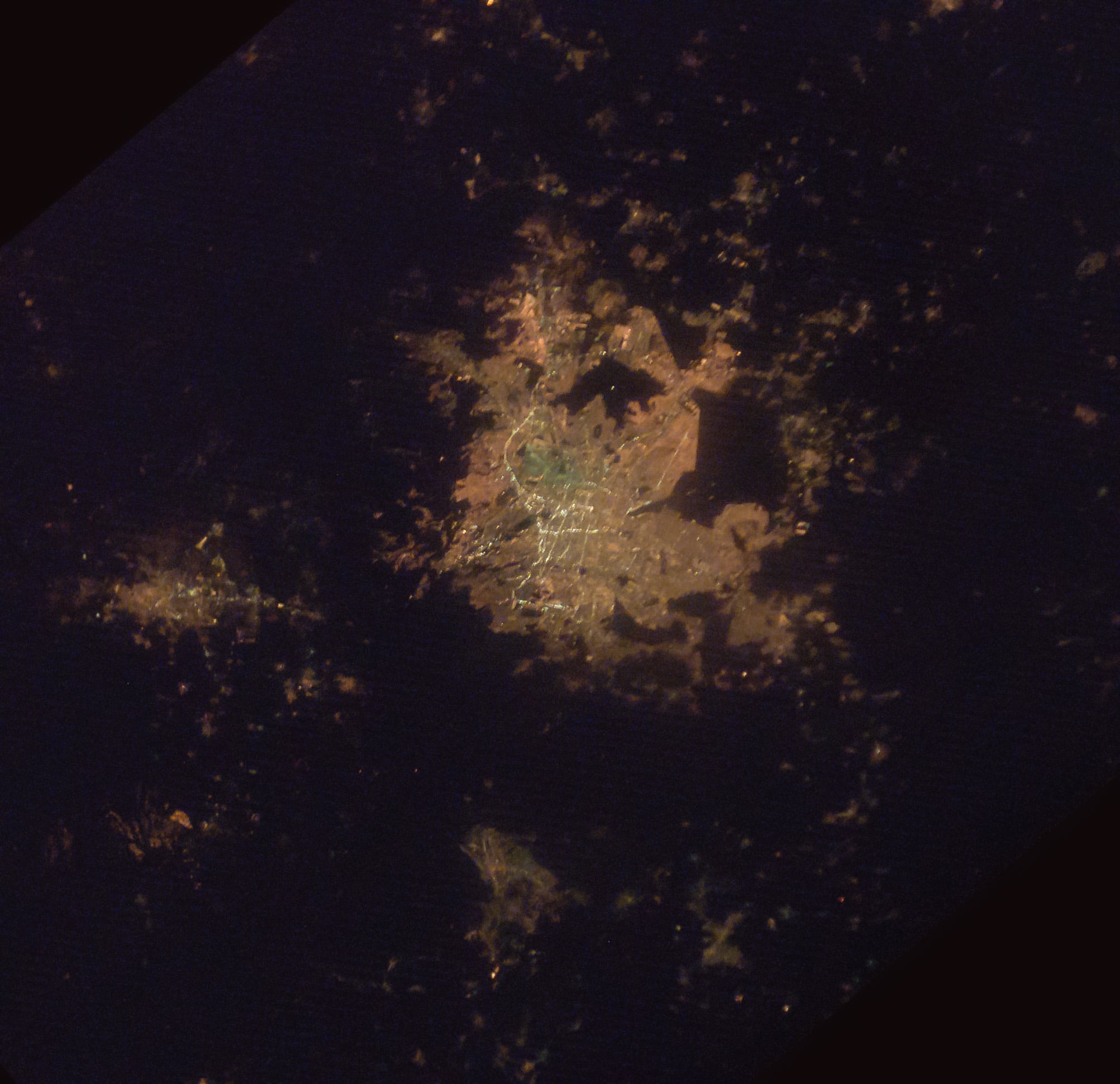
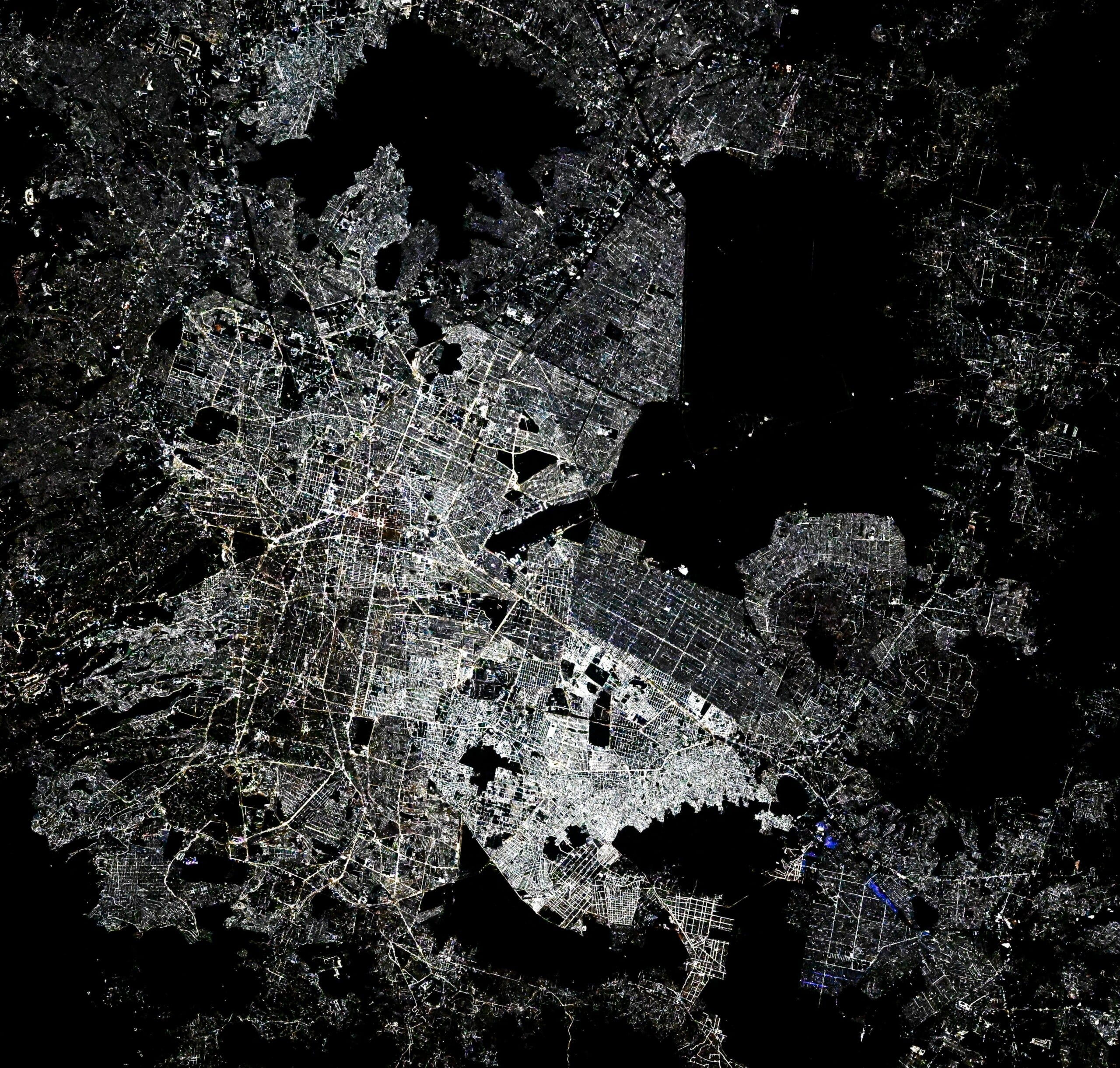
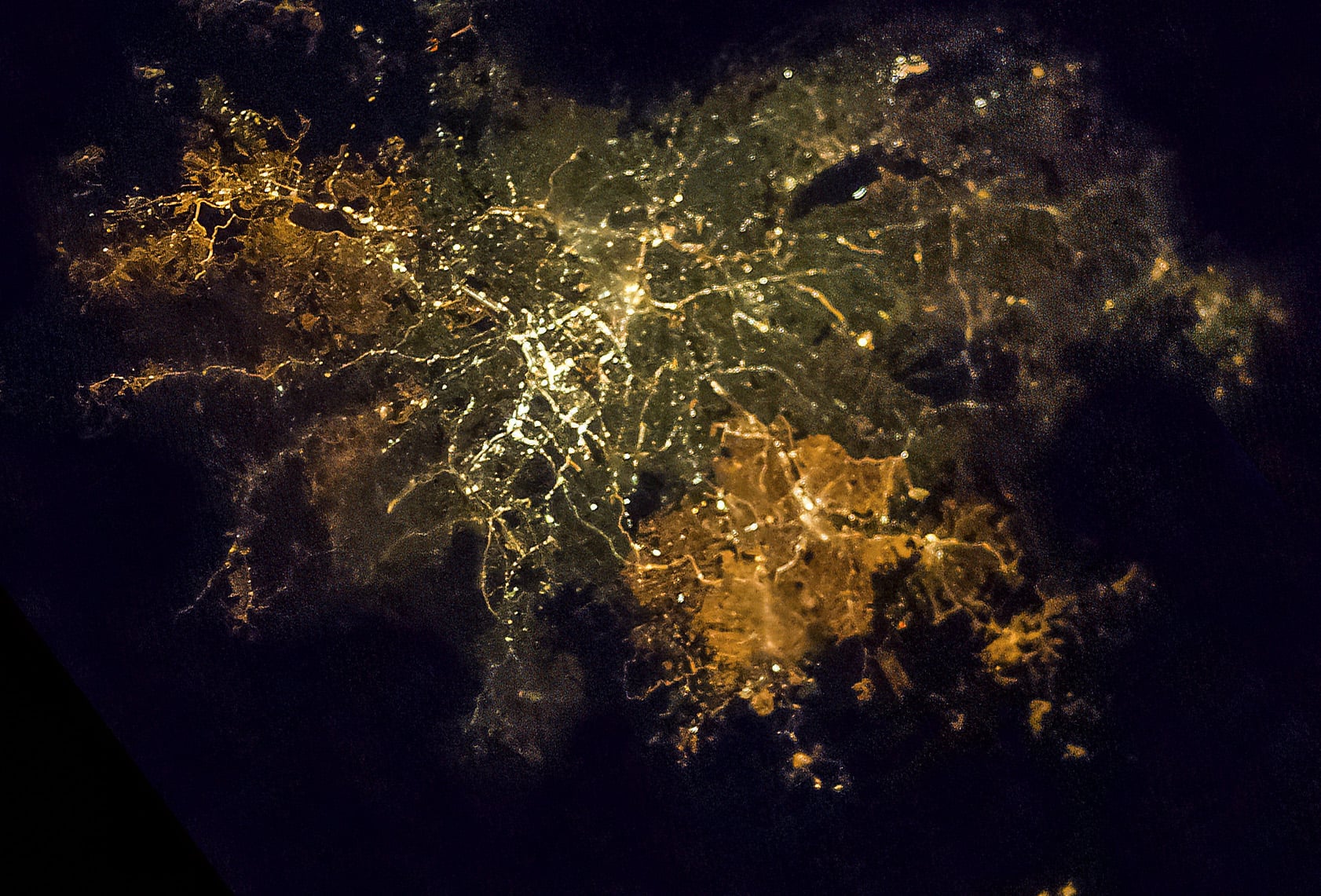
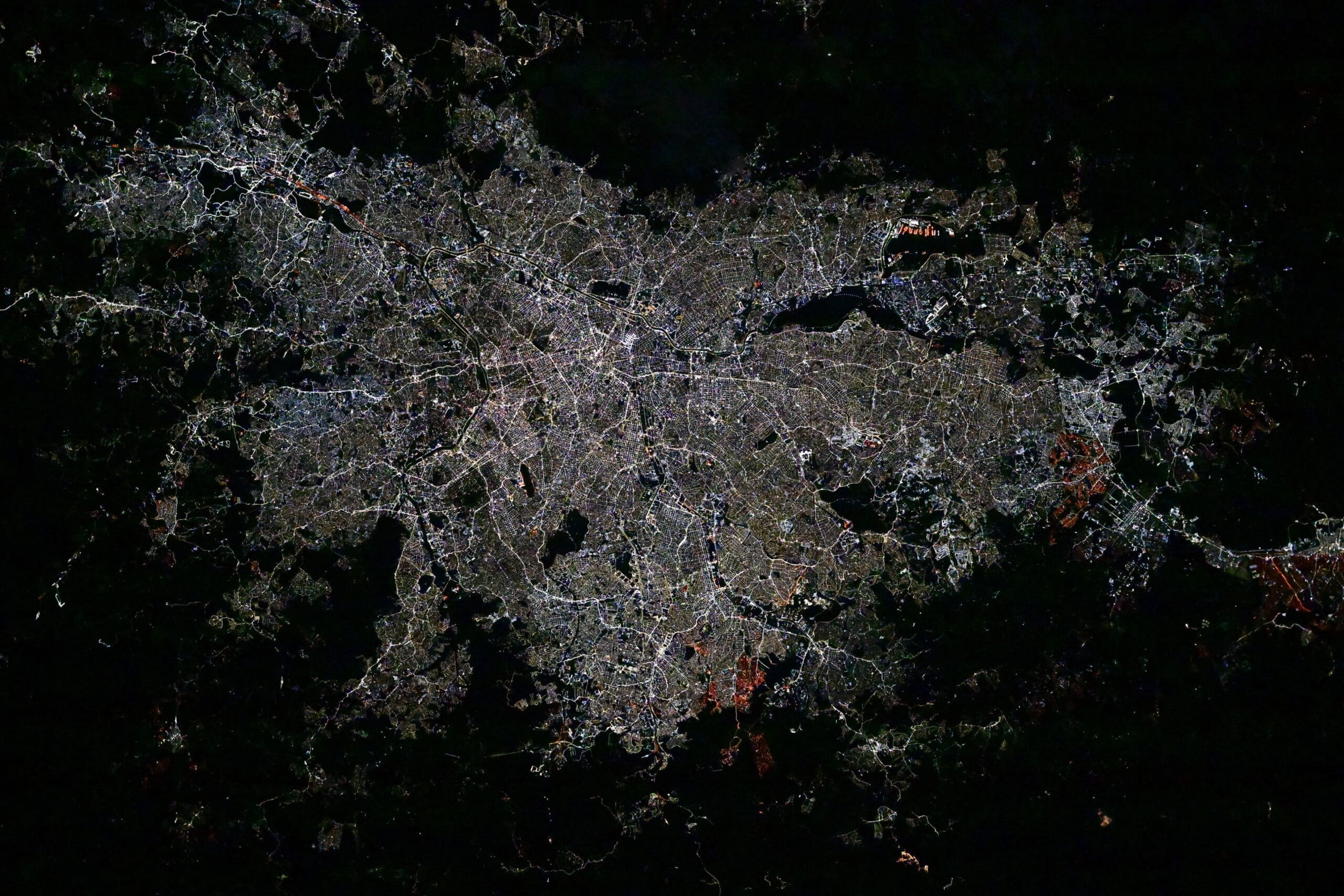
Pettit explains that the “warmer, yellow-orange of gas discharge lamps has been phased out worldwide to multi-colored LEDs, citing energy savings and environmental reasons.”
“Widespread adoption has markedly changed the way our cities look from orbit, and as many have pointed out, how they feel to those on the ground,” he adds.
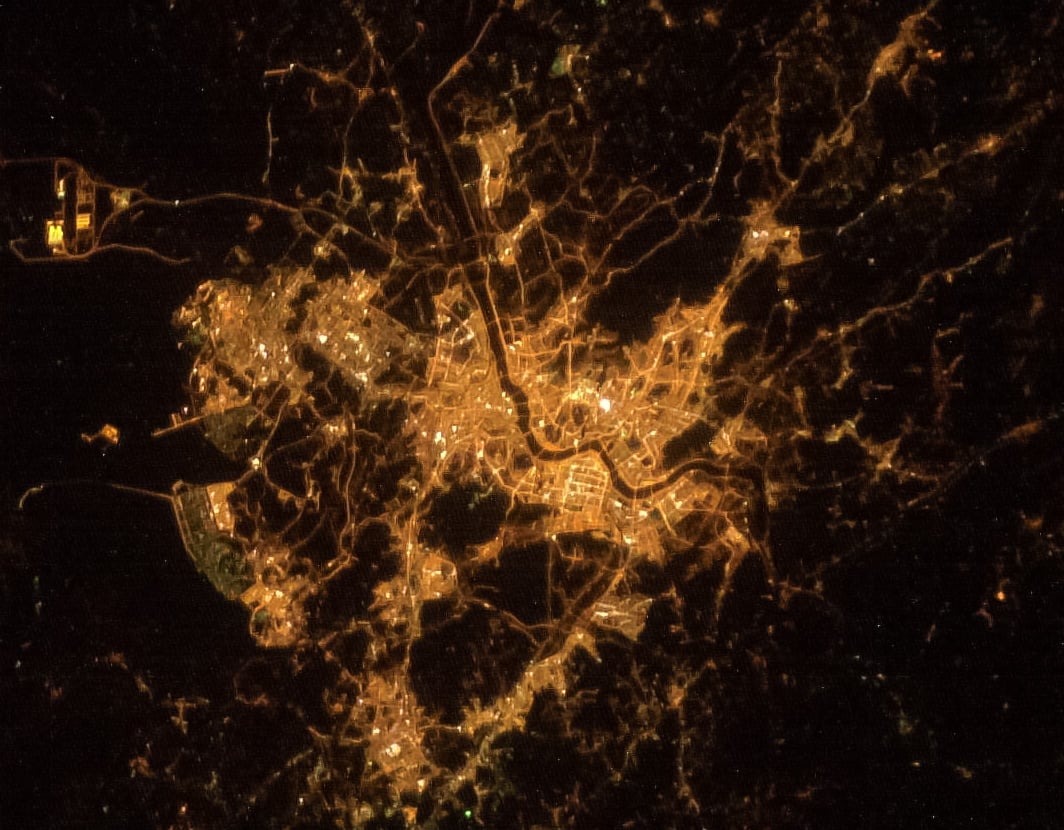
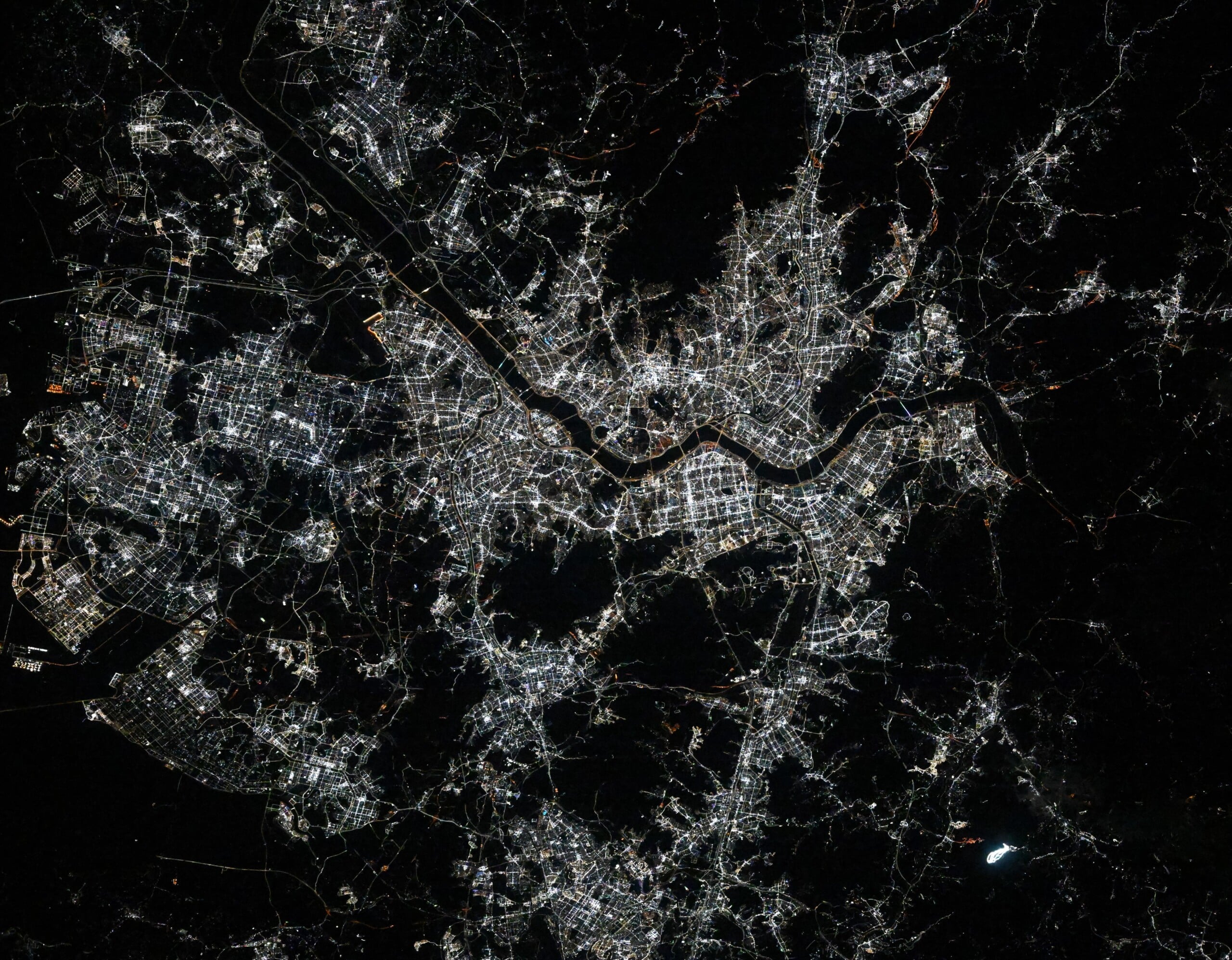
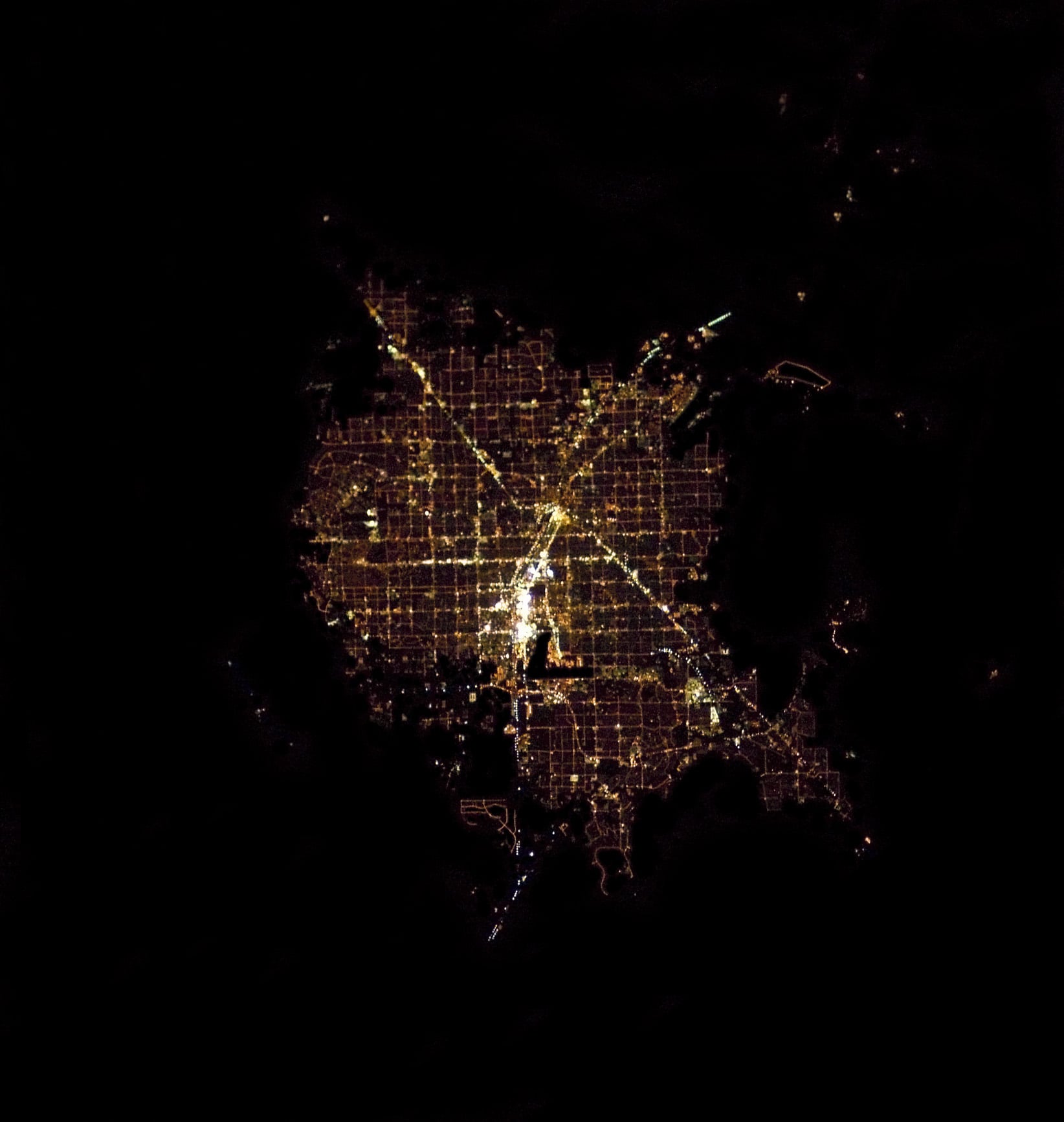
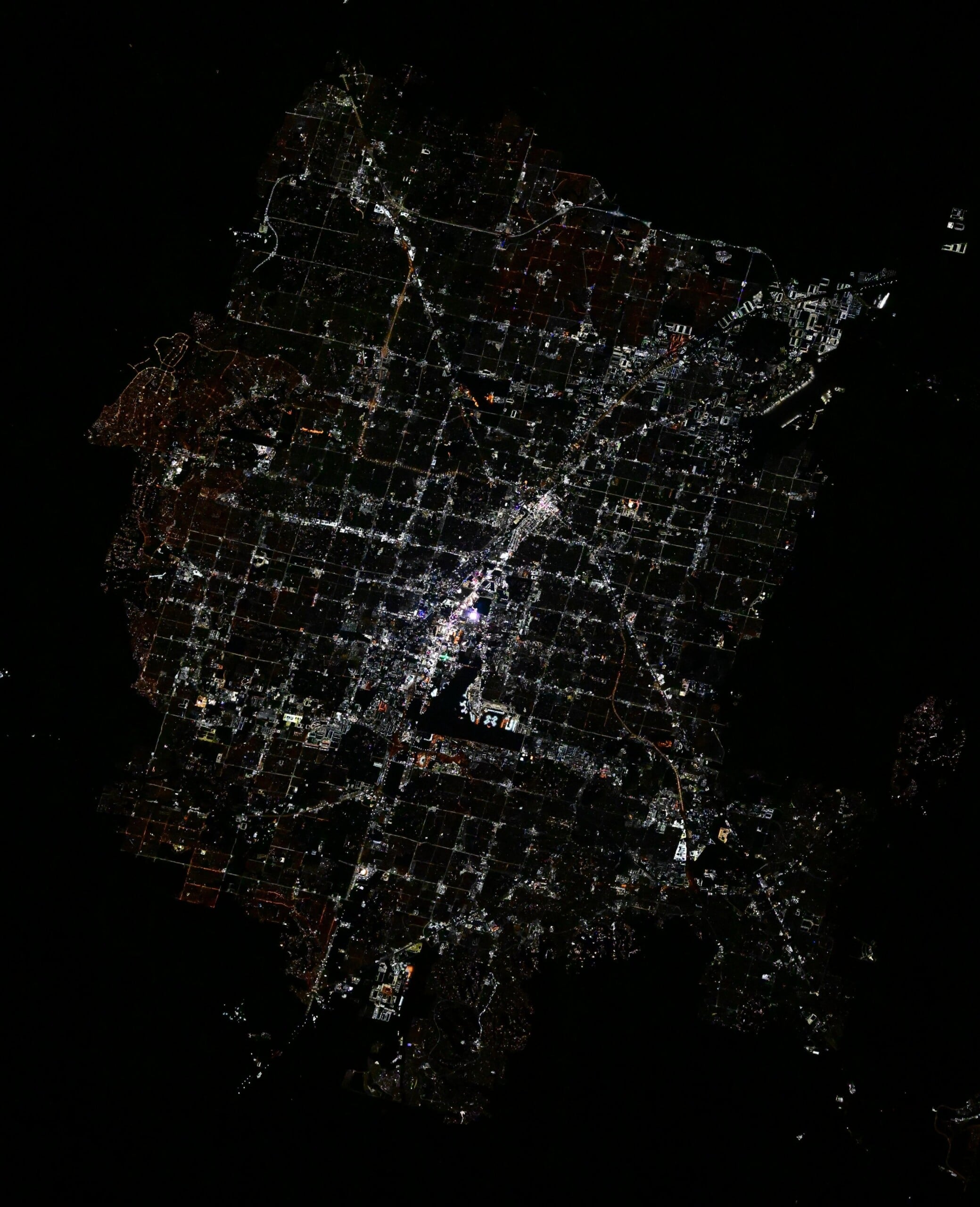
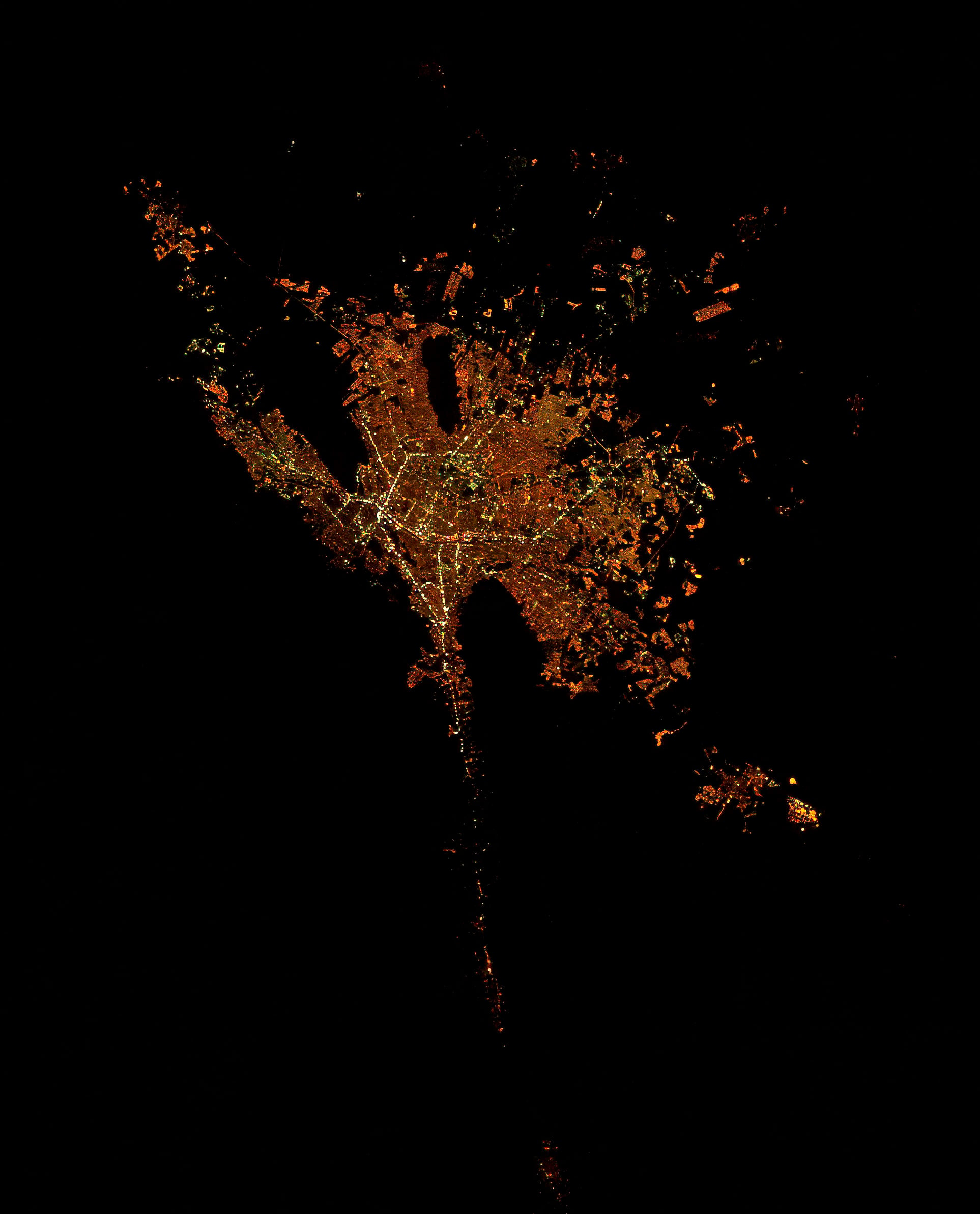
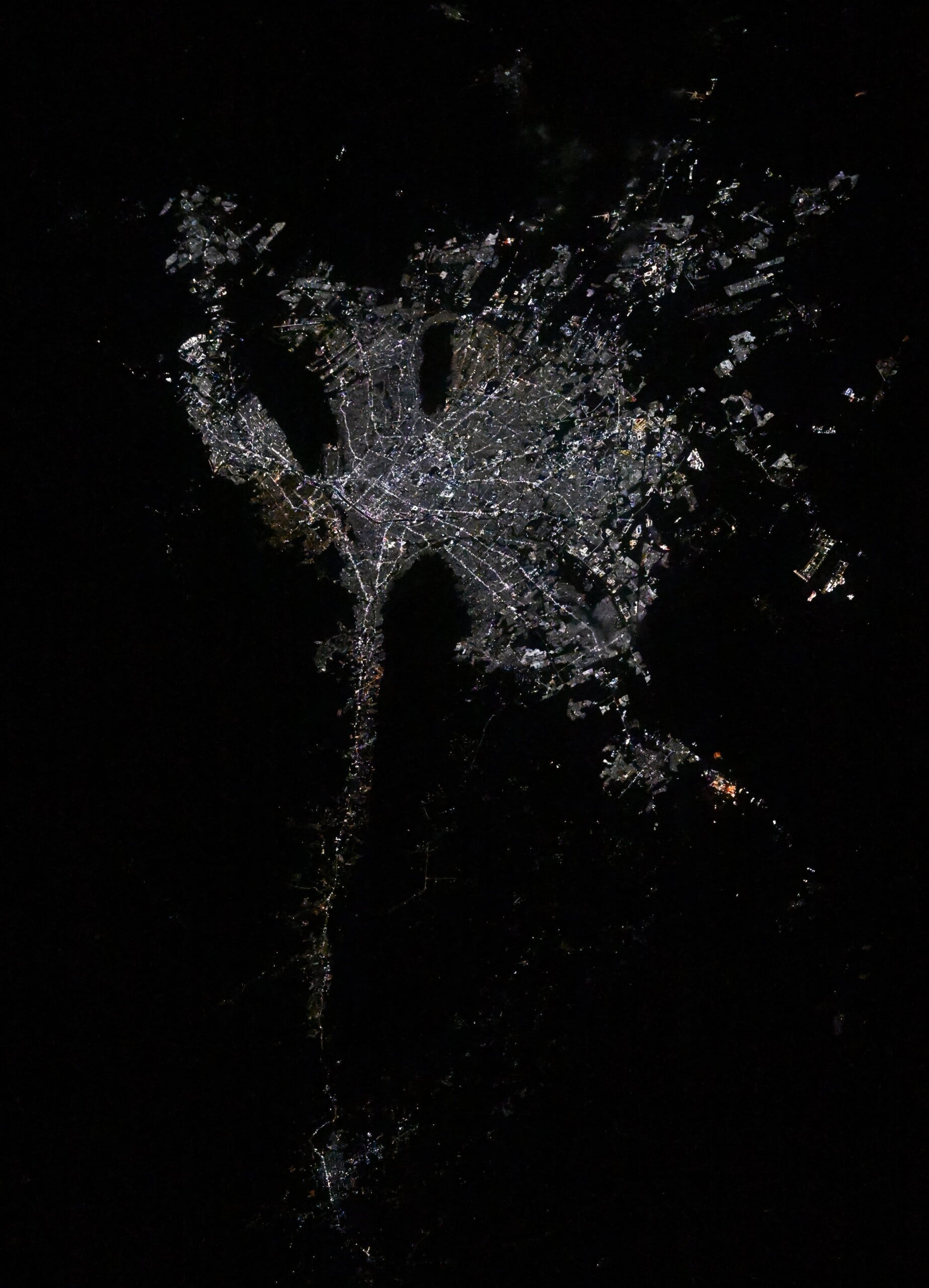
As Pettit’s images show, these huge metropolitan areas have a very different nighttime glow in the 2020s; the only exception is Hong Kong (below), which shows the special administrative region maintaining its sodium vapor lighting, while nearby Shenzhen has burst into LED light.
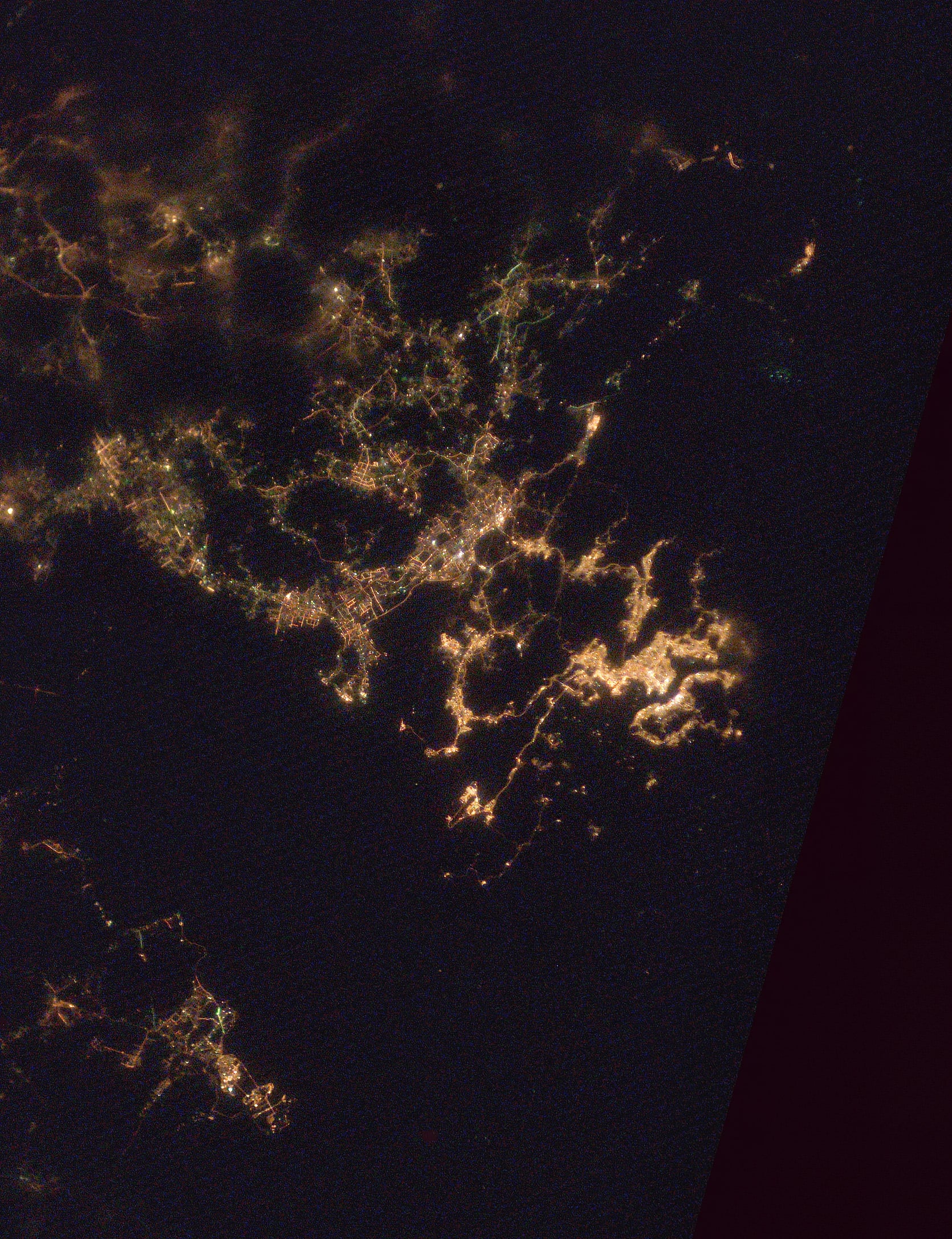
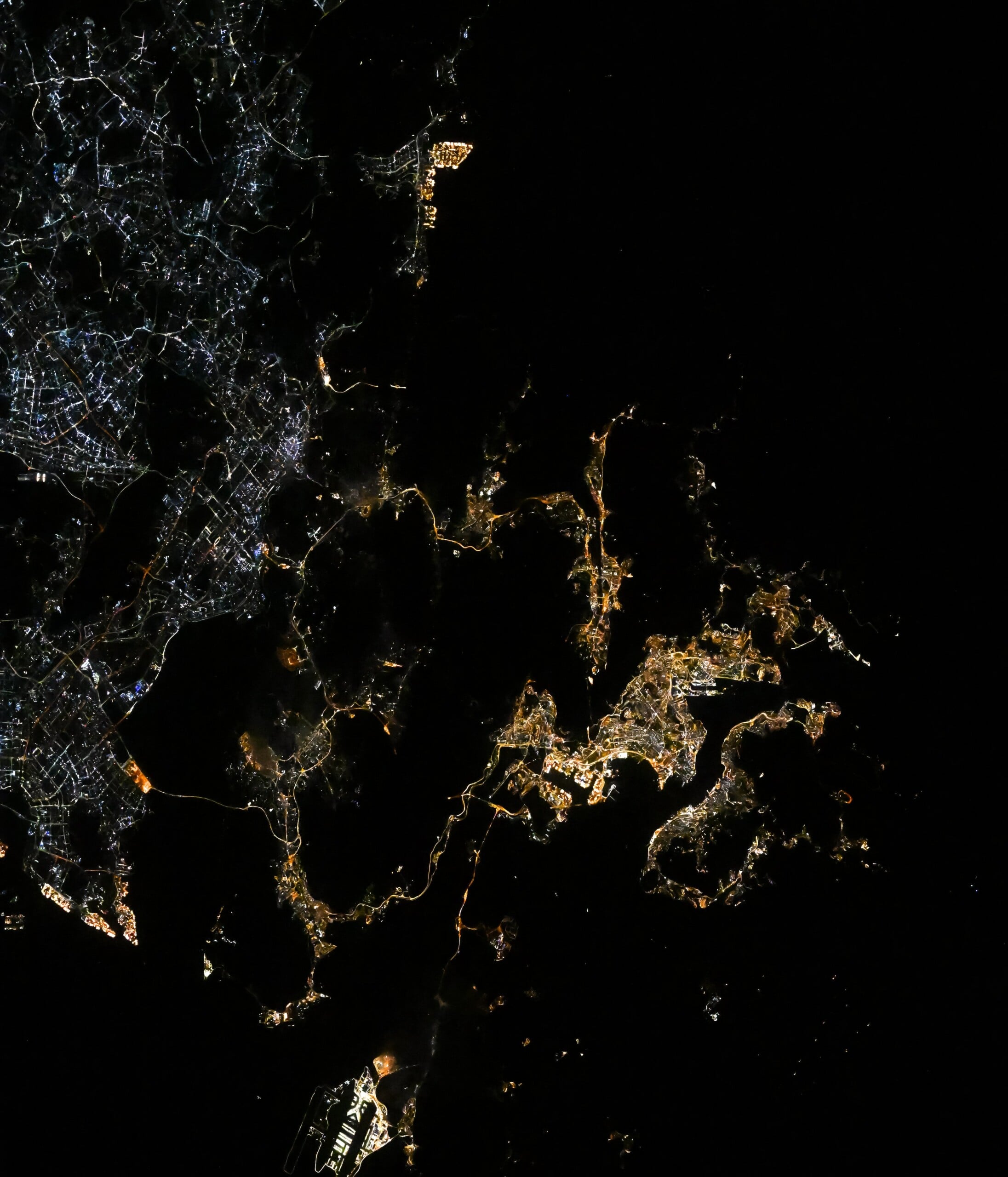
The change from sodium-vapor streetlights to LEDs across the world was mainly driven by cost: LEDs are cheaper to run and easier to control.
However, many photographers have lamented the loss of sodium vapor lights, believing the warmer sodium vapor lighting just looks better on camera. Drive, a 2011 film that was shot mostly at night on the streets of L.A., was one of the last movies shot under the orange-yellow hue. Had the film been shot any later, it would have lost much of its charm and atmosphere.
Sodium lamps take time to warm up and reach full brightness, whereas LED lights turn on and off instantly. The LED lights initially brought to cities like L.A. had a color temperature of around 4,000K, leading to complaints from locals who said they were too clinical and reminded them of a hospital or prison. In L.A. and other cities, officials have warmed the LED lights to more like 3,000K.
Affiliate Disclosure PetaPixel articles may include affiliate links; we may earn a commission if you buy through one.