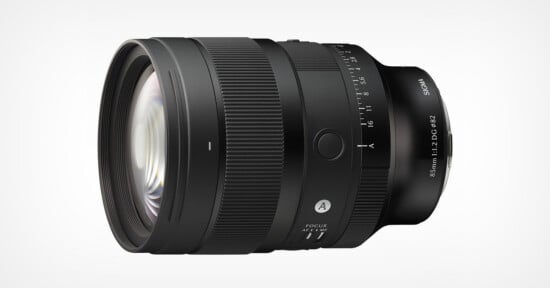
Sigma 85mm f/1.2 DG Art Review: Sigma is the Alpha This Time
Sigma has never made an 85mm f/1.2 lens — until now. Maybe this lens is late to the party, but the company might have saved the best for last. The new 85mm f1.2 will be available in Sony E-mount and Leica L-mount where previously the only lenses available were manual-focus. This gives Sigma a unique opportunity to make a big splash and, in that metaphor, this lens is a cannonball.

If you want a portrait lens that can deliver smooth bokeh and dreamy flare, this is a spectacular choice. It's also the only choice right now if you want something with autofocus.
Pros
- Stunning bokeh
- Flare is beautiful for backlit portraits
- Quite lightweight for its aperture
- Solid build quality and controls
- Extremely sharp
Cons
- Incredibly minor LoCA
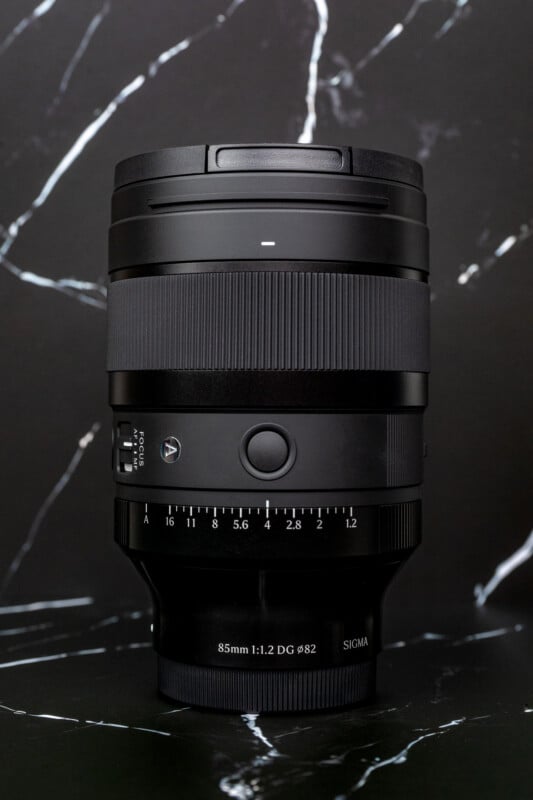
We have publicly admonished the need for an f/1.2 aperture when the f/1.4 versions already do so much — we even made a full episode about it. Why pay the extra cost and carry the extra weight of an f/1.2? In order for the Sigma to be worth the $1,600 expense, it will have to deliver something special at the widest aperture without being a burden to carry.
Sigma 85mm f/1.2 DG Art Review: How It Feels
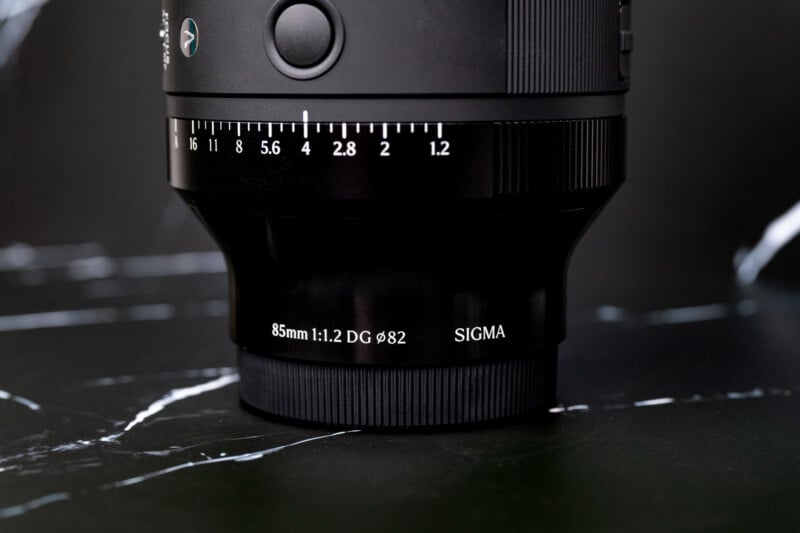
With the Canon and Nikon versions pushing almost 42 ounces (1,200 grams), it’s downright shocking that Sigma manages to create a similar optic that weighs only 32 ounces (905 grams). That takes care of the excessive weight issue I mentioned above. It’s heavier than the f/1.4 alternative for sure, but I didn’t find it that burdensome to carry around. In fact, Sigma calls it the world’s lightest and smallest full-frame 85mm f/1.2 lens.
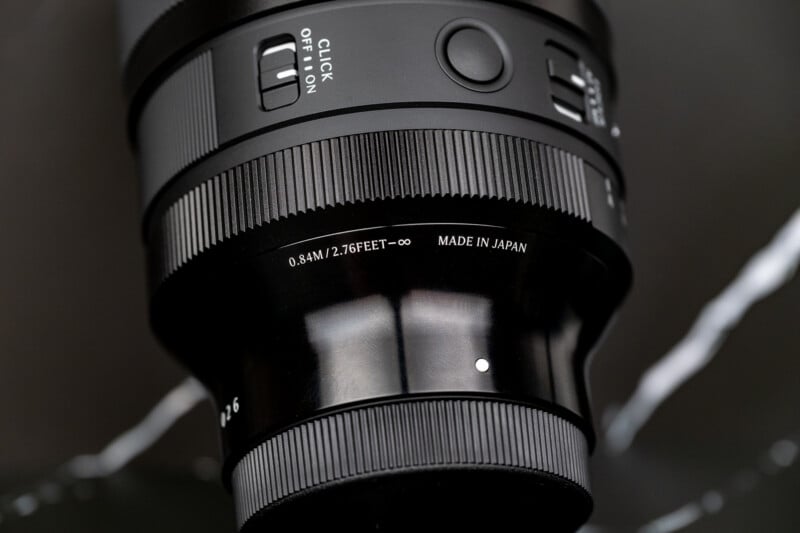
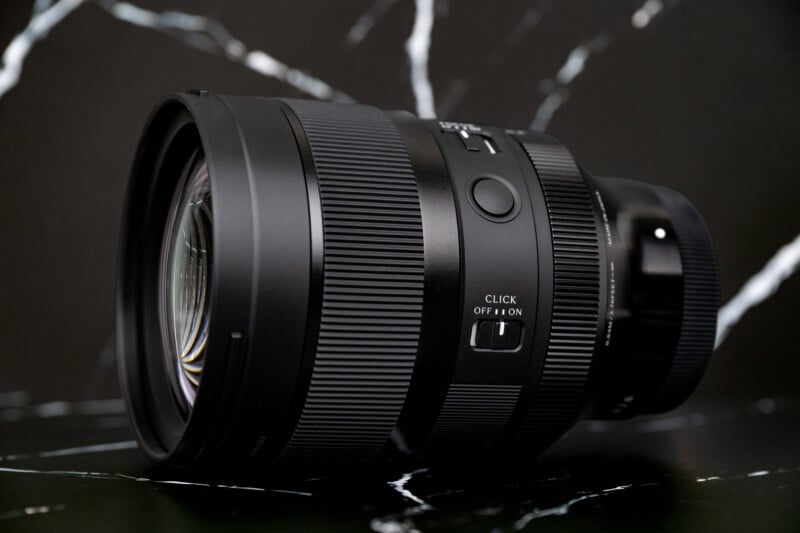
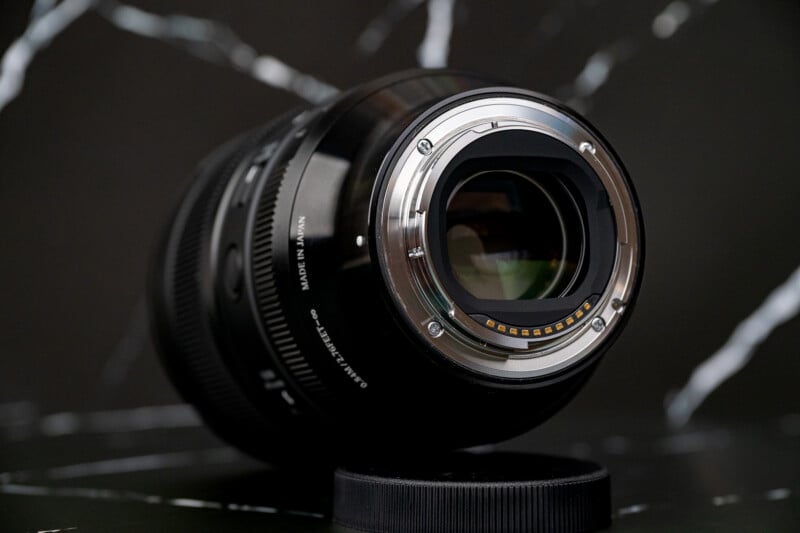
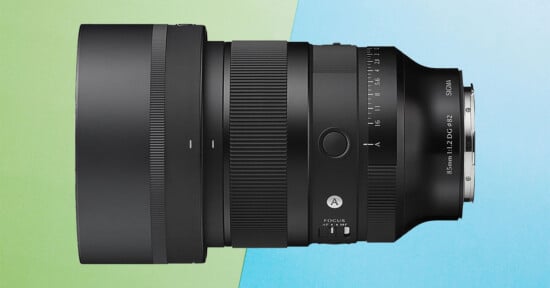
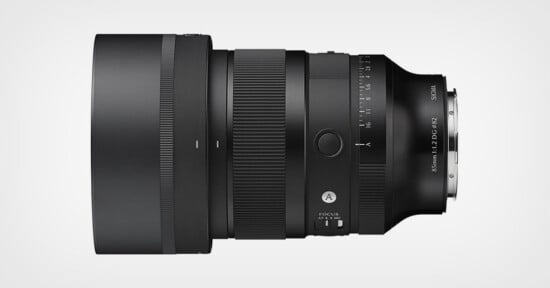
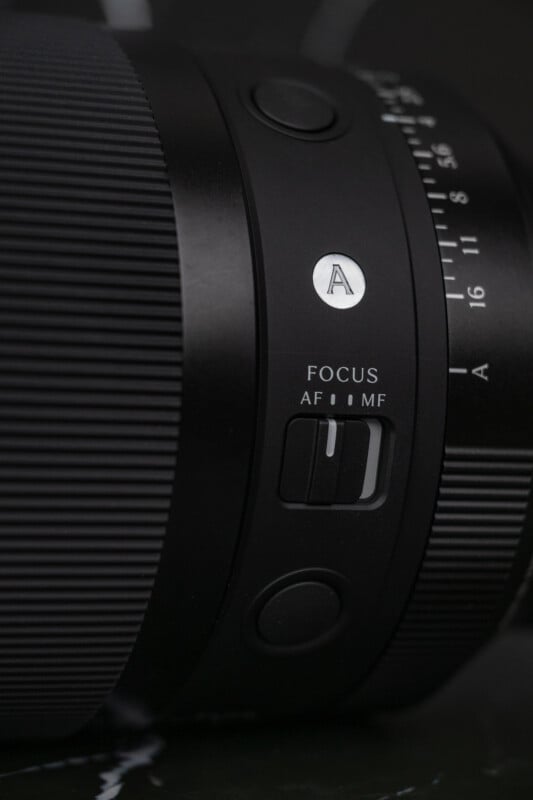
The front of the lens features an 82mm filter diameter and it manages to keep a relatively slim profile to the chassis. The lens uses a fast, high-speed linear actuator motor (or what Sigma calls HLA) and still finds the space to give you a customizable button and full aperture ring. You can also de-click the aperture, which is nice. As usual, the Art series lenses are designed to be robust and weather-sealed to a fair degree.
Somehow, Sigma managed to reduce weight on this lens without compromising on the feature set.
Sigma 85mm f/1.2 DG Art Review: How It Shoots
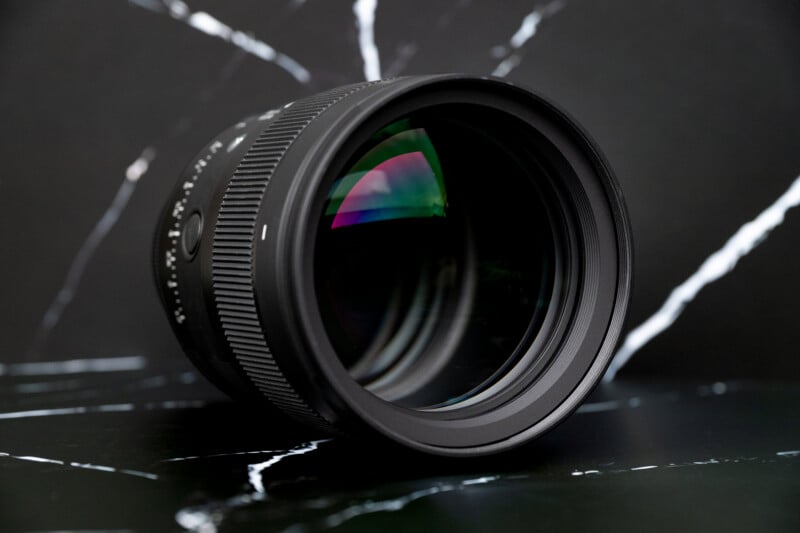
The focusing speed is very quick on this lens, but there is also a floating element placed between the high-speed focusing motors. Sigma is using this floating assembly to help reduce lens breathing, which is a shift in the field of view when focusing the lens. There is some breathing still present, but the effect is minimal, so if you like to do video focus pulls with an intensely shallow depth of field, this is the lens for you. I also tested flare with that big front element and found the lens to have a little bit of soft flare scattered across the frame at f/1.2. Stopping the lens down makes that go away quickly, and the ghosting is visible but not awful. A little veiled flare can actually be quite desirable in a portrait lens like this, especially for backlit subjects.




LoCA, or longitudinal chromatic aberration, can be an issue with ultra-fast lenses, but the Sigma was surprisingly well-controlled. It’s there, but it’s incredibly minor. The lens is also brilliantly sharp.
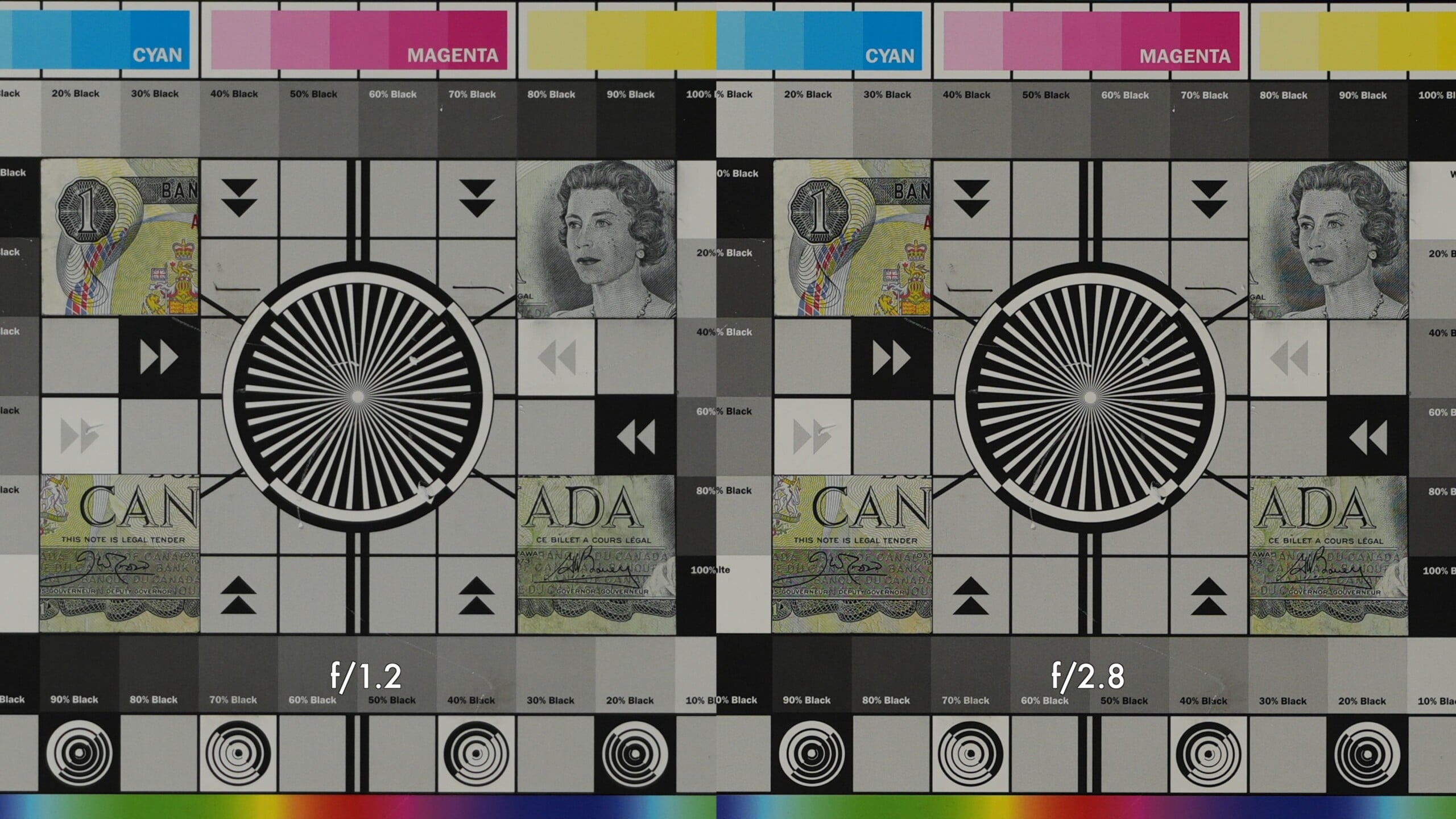
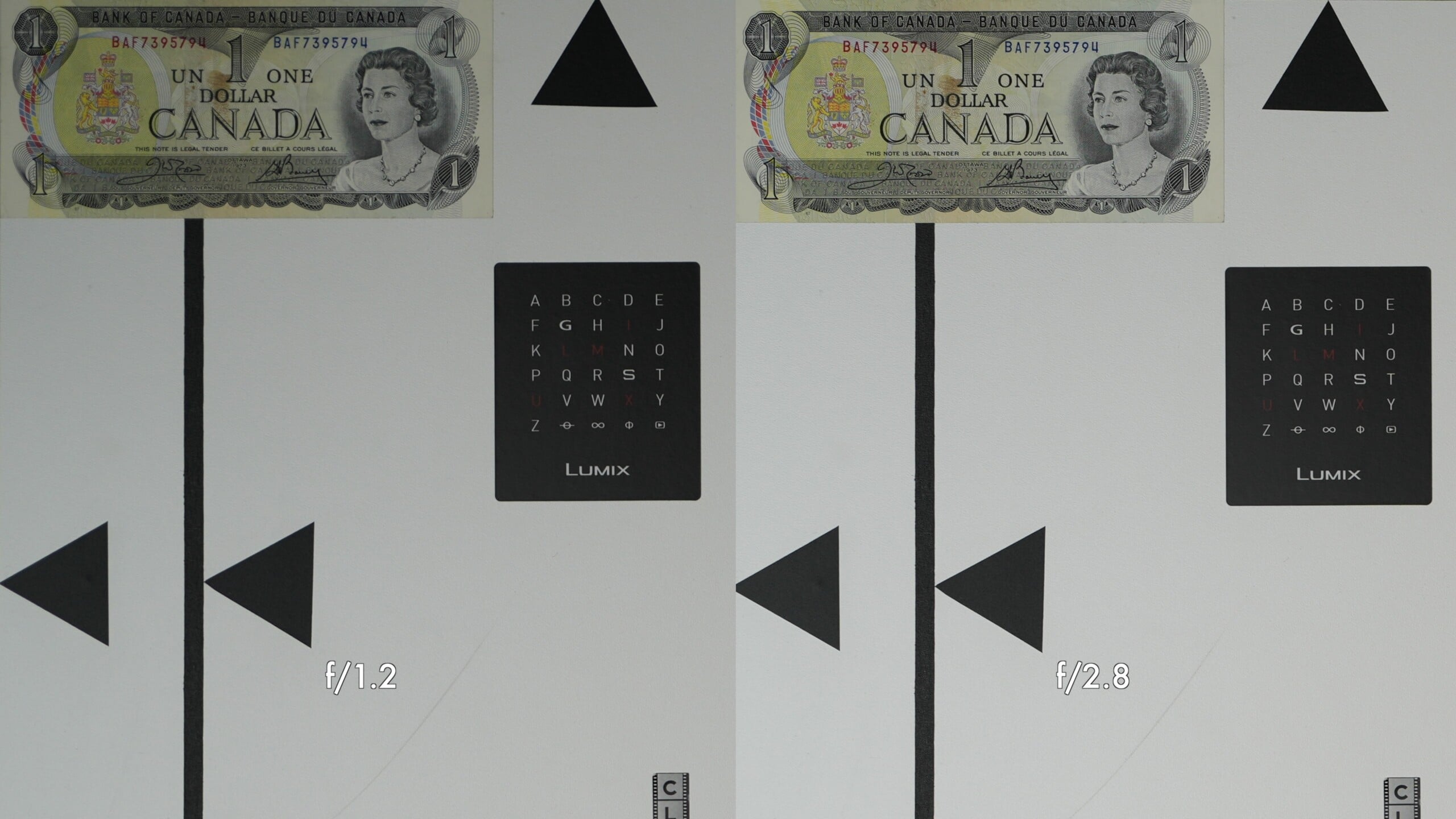
At f/1.2, there is lots of detail, but the contrast has a slightly dreamy quality. Again, this can be nice for a portrait lens. Stop down even a little bit, and the clarity is extremely high. Corners are also really good, with only a little vignetting and good sharpness wide open. You can stop the aperture down for better detail if you need it. I also noted that when the center of the image is in focus, the corners are as well. This lens really impressed me.


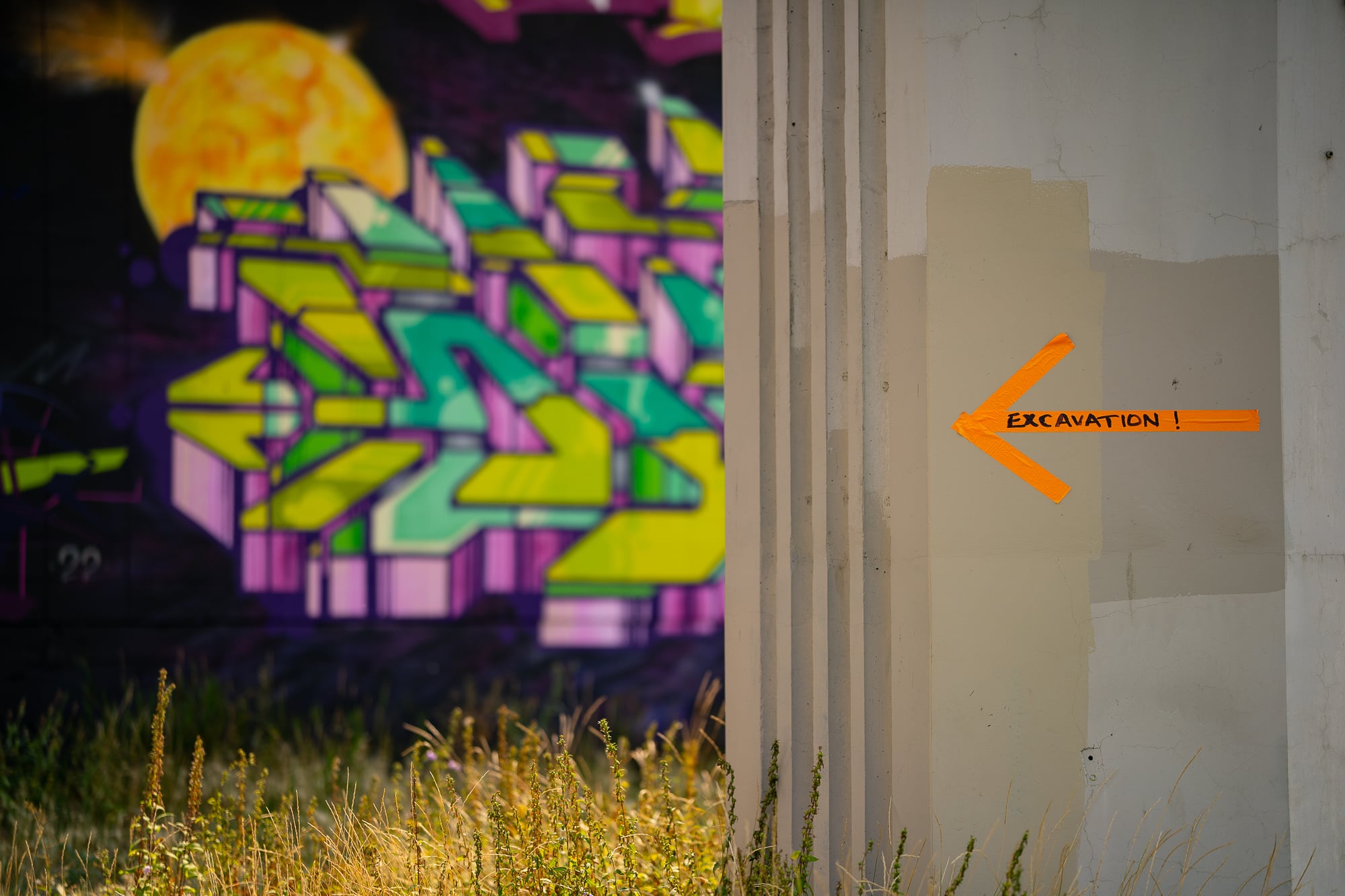
Bokeh is going to be extremely important with this lens. The main reason to buy and carry an f/1.2 lens like this is for shallow depth-of-field shots. Specular highlights are so clean on this lens, with no onion rings present. I like the swirly cat’s-eye effect at wider apertures, too. Backgrounds fall into large swathes of soft color, and the viewer’s eye can be drawn right to the subjects in focus. Sigma certainly got this part of the assignment done properly.




Sigma 85mm f/1.2 DG Art Review: Sublime
If it wasn’t clear, I loved this lens. It’s optically sublime, and Sigma have made it excel at the f/1.2 end. If you want a portrait lens that can deliver smooth bokeh and dreamy flare, this is a spectacular choice. It’s also the only choice right now if you want something with autofocus in Sony E or Leica L. Sigma is going to capitalize on the lack of competition right now, and it managed to do it with a lightweight design that is really nice to carry, and is still cheaper at $1,699 than a lot of the f/1.4 lenses available.



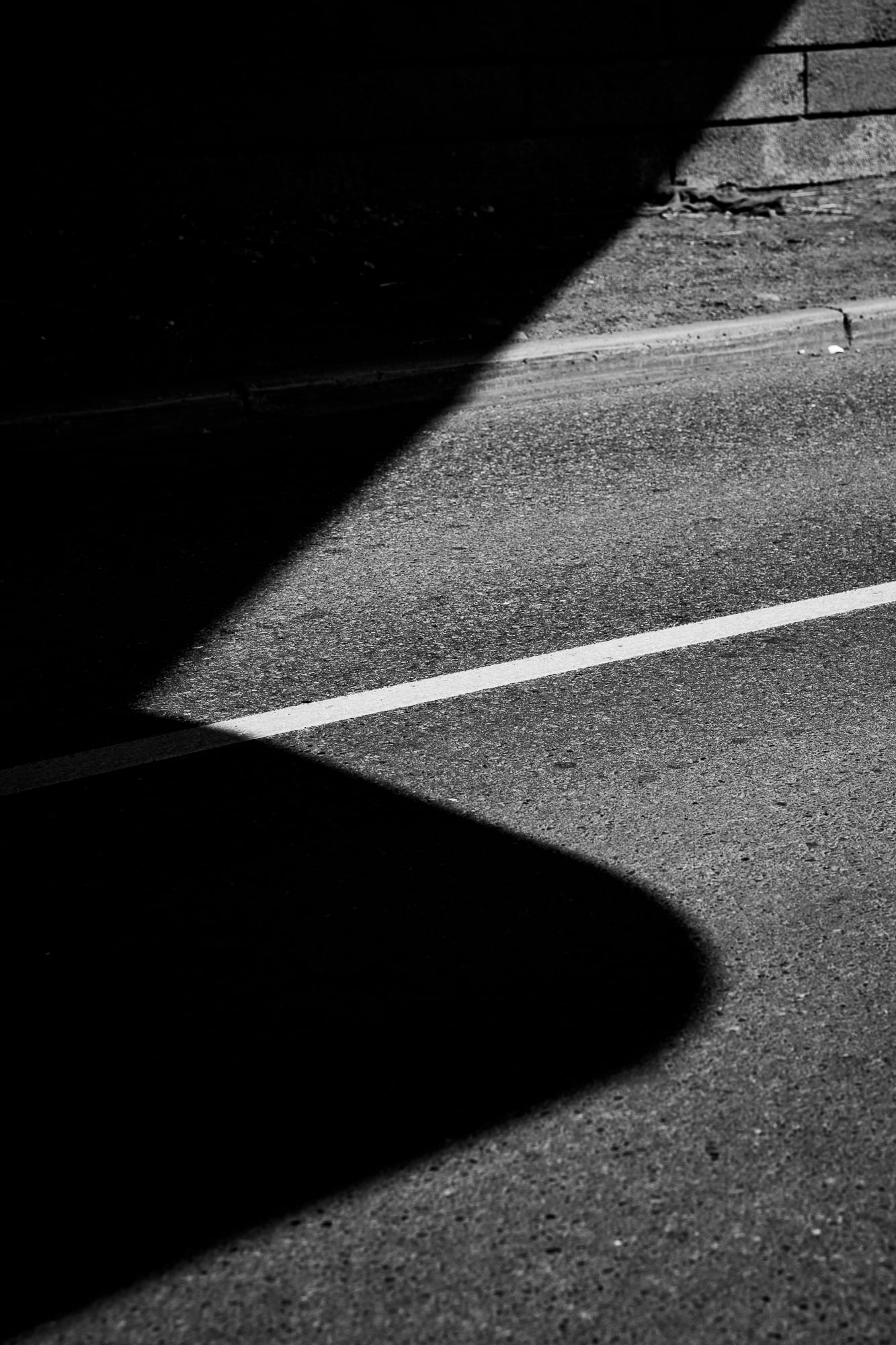
All of this said, let’s keep in mind that this is still a specialty lens. I’d only go for it if you regularly wanted to shoot at f/1.2. Otherwise, I still think that a more compact f/1.4 lens will be the better purchase. But considering that Sigma was able to make a lens this good without totally breaking the bank or your shoulder is an amazing achievement.


Are There Alternatives?
No. What? There literally isn’t.
Should You Buy It?
Yes. This is the only 85mm f/1.2 lens in town for L-mount or E-mount, and is absolutely great (read: nearly perfect) at what it does.
Affiliate Disclosure PetaPixel articles may include affiliate links; we may earn a commission if you buy through one.