
This Hawaiian Shirt Tricks AI Surveillance Cameras Into Thinking You’re Not Human
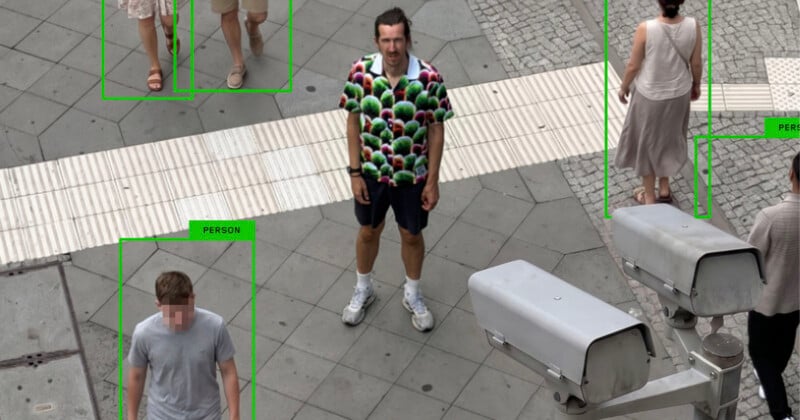
Security cameras used to just record the view in front of them, but now the cameras themselves can actually recognize and label what it is they’re seeing thanks to AI-powered computer vision. Some people take issue with this.
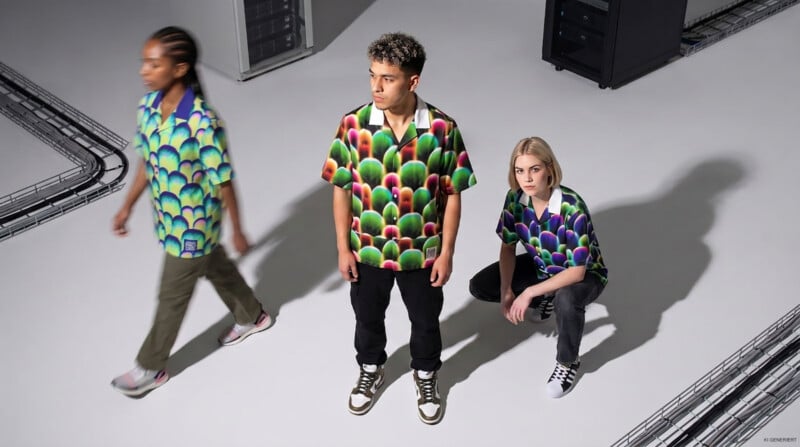
Step forward, Simon Weckert, a digital artist from Berlin, Germany, who has designed an unconventional Hawaiian shirt called Digital Camouflage that’s designed to confound AI computer vision systems.
As Weckert tells Dezeen, while to humans the shirt looks like it’s made up of eccentric patterns and colors, to an AI model, the shirt looks like nothing at all.
“AI systems are made of multiple layers and never learned what a human is — they learned what humans statistically look like in millions of training images,” says Weckert.
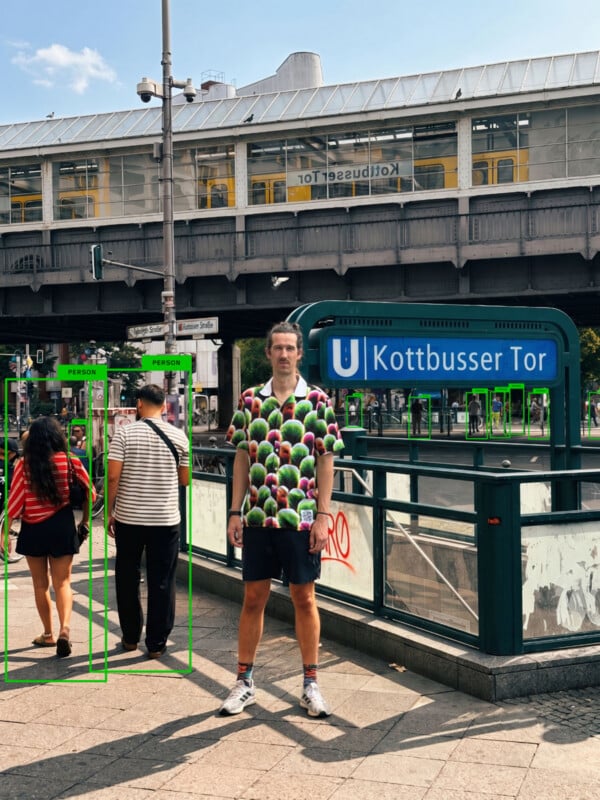
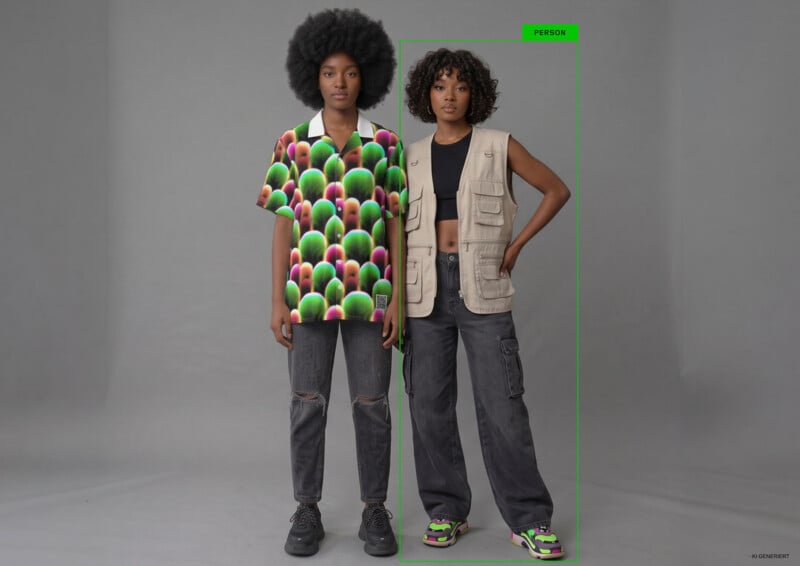
He explains that AI models learn what a person looks like via bundles of visual statistics like the silhouette of a head and shoulders and the proportions of limbs and torsos. But he realized this was a weakness.
The specific combination of colors and textures on the shirt and how they interplay with each other is what confuses the AI system.
“The saturated colour transitions fire strongly in the network’s early layers, while the overlapping shapes break the continuity of the body’s outline, so the detector can no longer bind the parts into one figure,” he tells Dezeen.
“The pattern essentially shouts over the quiet statistical whisper that says ‘person’. To a human it reads as an almost hypnotic textile; to the AI model it reads as nothing at all.”
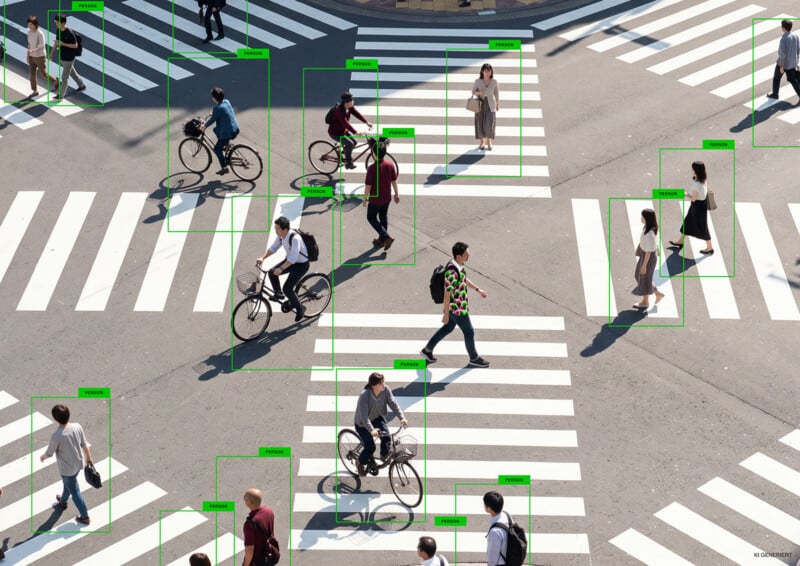
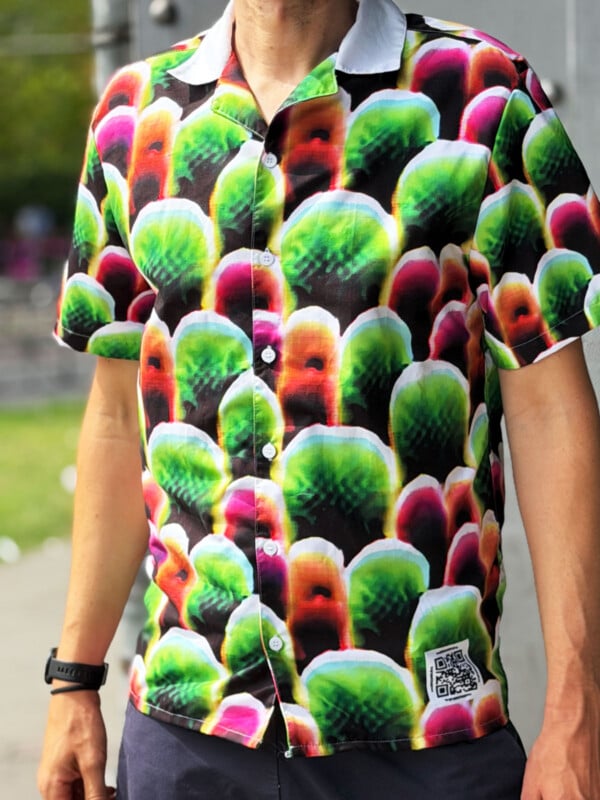
Weckert actually created the pattern by using another AI in what’s known as an “adversarial loop” to trial-and-error designs until he hit upon one that can trick computer vision systems. He then tested the shirt using an open-source, real-time object-detecting AI model called Yolo.
“This was necessary because a machine’s blind spots are not intuitive to humans; you cannot design against machine perception by eye, only the machine can tell you what it fails to see,” he adds. “There’s a poetic symmetry in that: the same class of AI that watches the square also taught the shirt how to hide.”

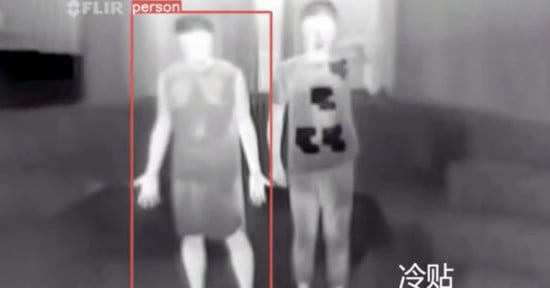
It’s not the first time someone has designed a garment to thwart security cameras: the “hacker hoodie” had invisible high-powered LEDs sewn in the garment that blinded infrared lights.
Weckert previously hit the headlines after using 99 phones to trick Google into believing there was a traffic jam.
Image creditsPhotos by Simon Weckert
Affiliate Disclosure PetaPixel articles may include affiliate links; we may earn a commission if you buy through one.