
NYT Reporter Shocked to Discover VHS Dating Service Tapes Were Faked
A New York Times reporter flew out to Los Angeles to meet the people running the VHS Dates Instagram account, which supposedly digitizes VHS tapes from an “old dating service,” only to find the whole thing was staged with actors.
VHS Dates has close to 900,000 followers on Instagram, and the NYT reporter is far from the only person who believed the tapes were real.
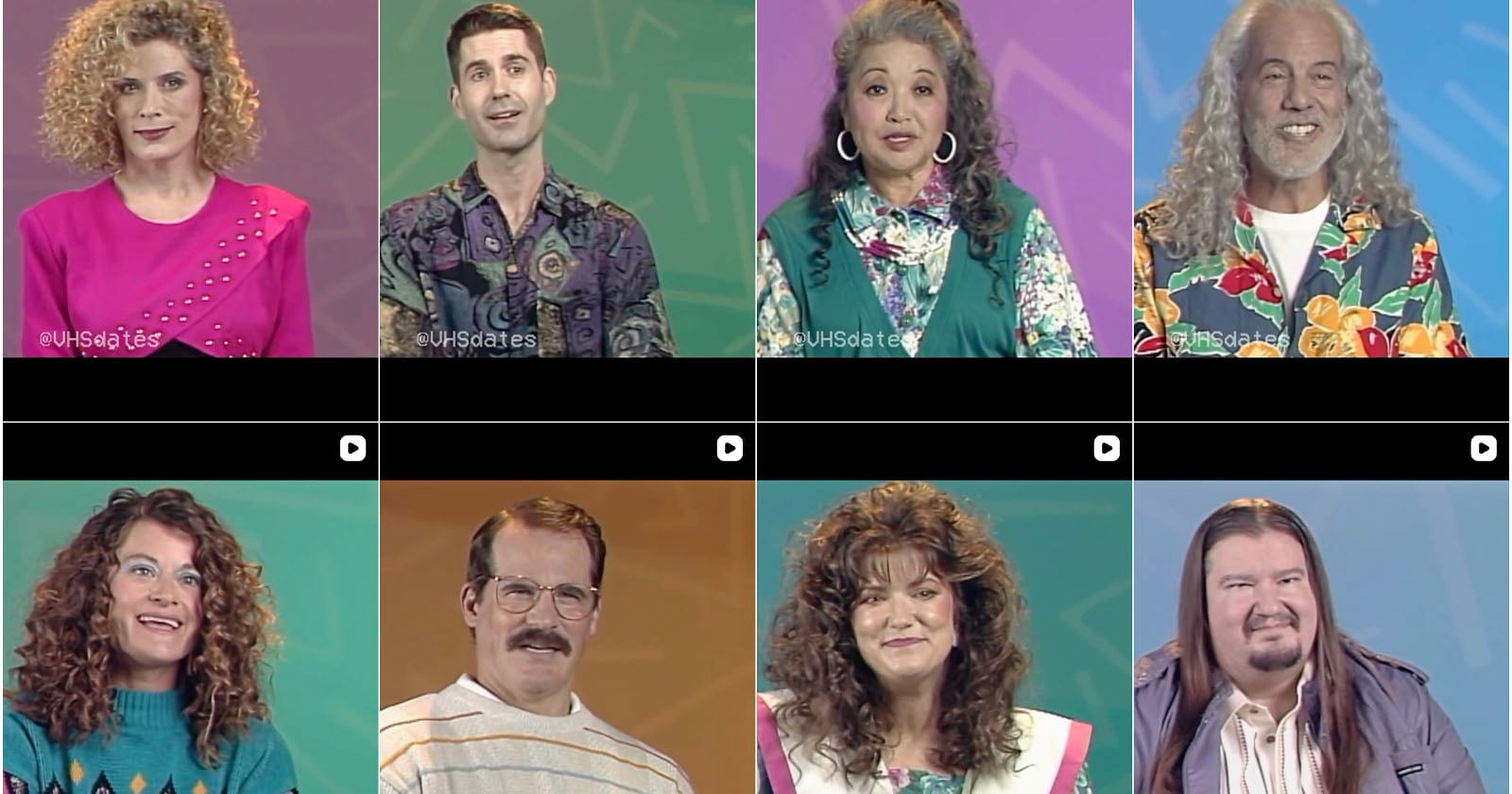
Each post contains a grainy video of someone from the 1980s or 1990s looking for love. The period-correct clothing, hairstyles, and camera work enhance the ruse.
“I flew out to Los Angeles to meet with the two creators of the account,” says NYT reporter Sopan Deb in an Instagram video. “[I was] really excited to see these tapes and ask them how they found it.”
But as Deb was getting a tour from the creators, they pointed at a studio and said, “This is where we shoot the videos.” That was apparently the moment Deb realized the tapes weren’t genuine. “It was like finding out that Santa Claus is not real,” he says.
Deb published his story in The New York Times last week, but a Reddit post from a year ago makes it clear the whole thing is fake; someone recognized a couple of the actors in the videos and even shared their IMDB page.
The two filmmakers behind VHS Dates, Lee Citron and Trevor Worley, went to great lengths to keep up the hoax, which they compare to kayfabe — a wrestling term that means presenting staged events as if they are real.
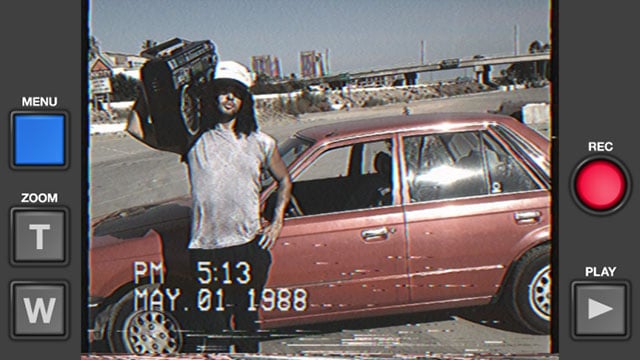
Citron and Worley, who are both 39 years old, used a 1980s Ikegami tube camera to film the video. These cameras were industry-standard back in the 1980s and have a very specific look.
Along with the camera, the creators would scour old Sears catalogs to find the right kind of gaudy sweaters and large glasses for the actors.
However, the game now seems to be up. Citron and Worley say that the actors have started being recognized and the VHS Dates account hasn’t posted anything since May.
“At the end of the day, yes, they were staged. But I do think there’s something to be said about vulnerability; these tapes show people who are vulnerable in a way that we don’t really see as much anymore,” adds Deb. “It reminds us of a time we weren’t so manicured for public consumption.”
Most people were just pleased that the videos weren’t AI-generated. “I’d rather be fooled by real art made by humans than AI,” says one YouTube commenter.
Earlier this week, PetaPixel reported on another New York Times staffer being tricked, this time by President Trump.
Affiliate Disclosure PetaPixel articles may include affiliate links; we may earn a commission if you buy through one.