Testing the Best On-Camera Shotgun Microphones of 2026
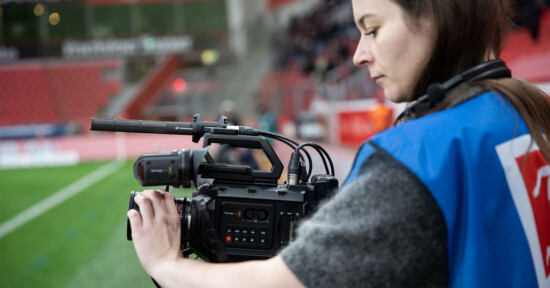
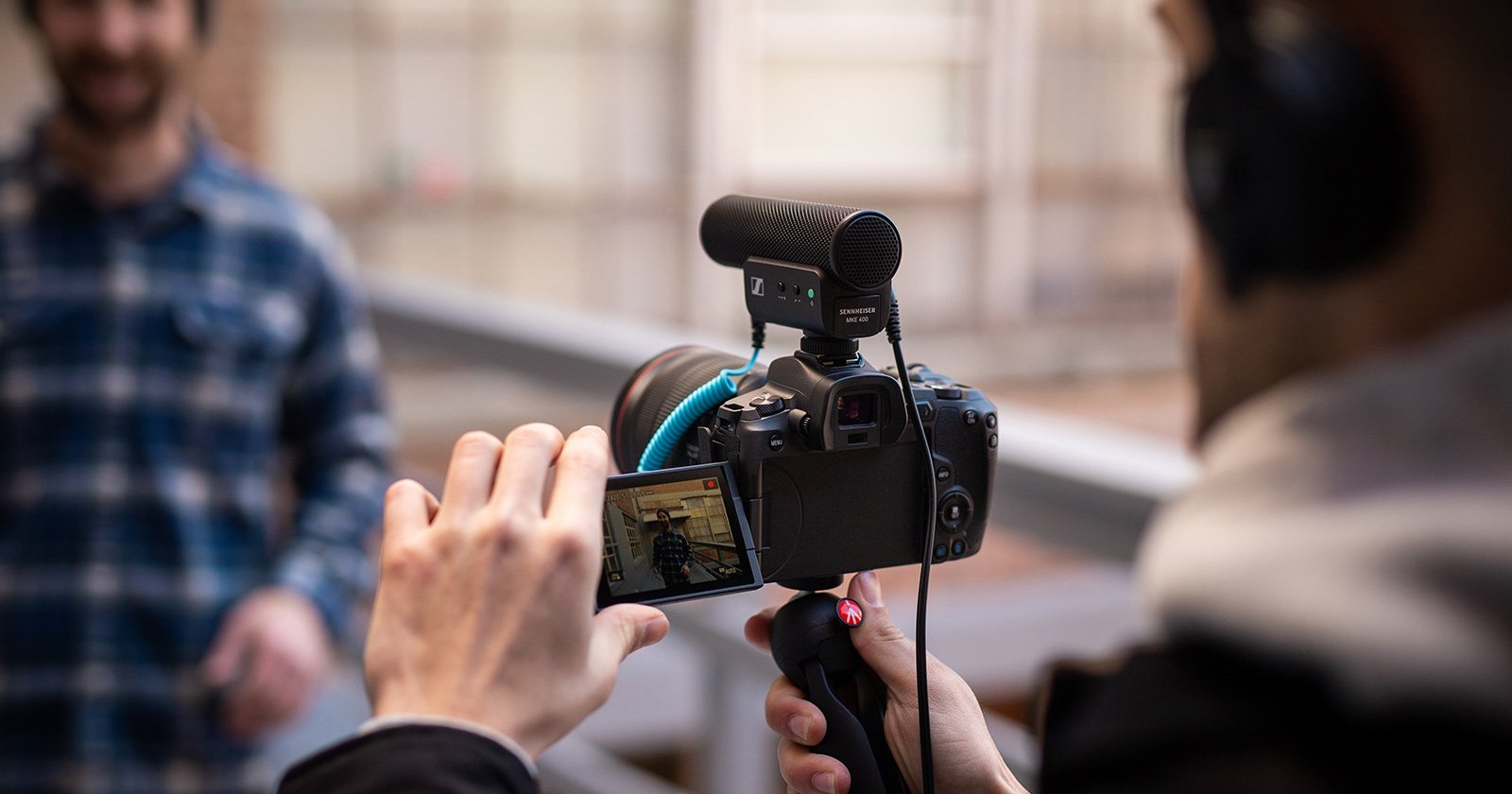
By now, you’re used to seeing nearly every YouTube video shot with a little clip-on wireless microphones. They’re small, discreet, and they go anywhere, but there’s a real case to be made for the onboard camera shotgun mic, too.
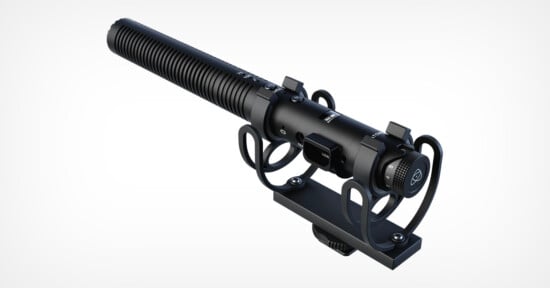
They are directional, they capture whatever is in front of the lens, and sometimes you just don’t have time to mic up your speaker. Maybe you’ve got multiple people talking, or maybe you just want to record the environment as it actually sounds for the sake of storytelling. But if that’s what you want, which one should you buy? To answer that question, I gathered up a handful of these smaller-format shotgun mics (those with their own body and ballast as well as on-board volume control) and put them through their paces.
The Best Shotgun Microphones in 2026: Setting the Ground Rules
First, let’s lock the recording medium and plug straight into the camera, in this case a Fujifilm X-H2s. Plugging into a dedicated recorder might give us better bitrate and fidelity, but the whole point is to use these mics the way they’re actually intended: directly into a camera.
I set levels on every mic to roughly the same point so that the camera’s levels were reading speech around -12dB, while leaving internal camera gain untouched. Every one of these has extra functions on the body like low cut, gain offset, even compression in one case, but I left all of that off. The main reason I did this is that we don’t really know what processing algorithms these mics employ. Even with low cuts at 75/150Hz, we don’t know how steep the cut is on each mic, so to judge the baseline quality, it’s best to keep these off.
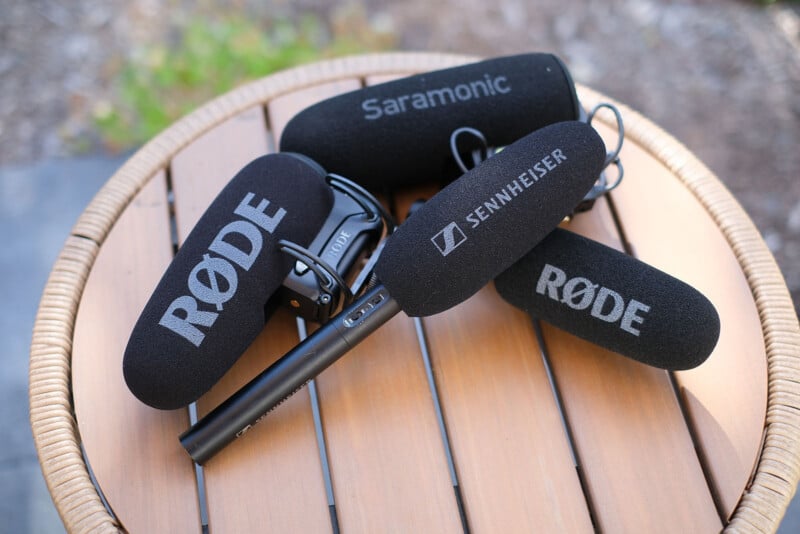
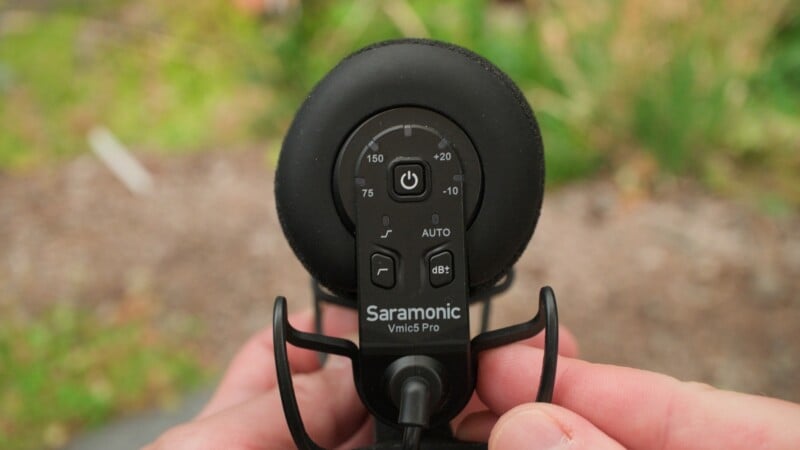
For this test, we looked at the Sarmonic VMic5 Pro, the Audio-Technica ATV-SG1, the RØDE VideoMic NTG, and the RØDE VideoMic Pro.
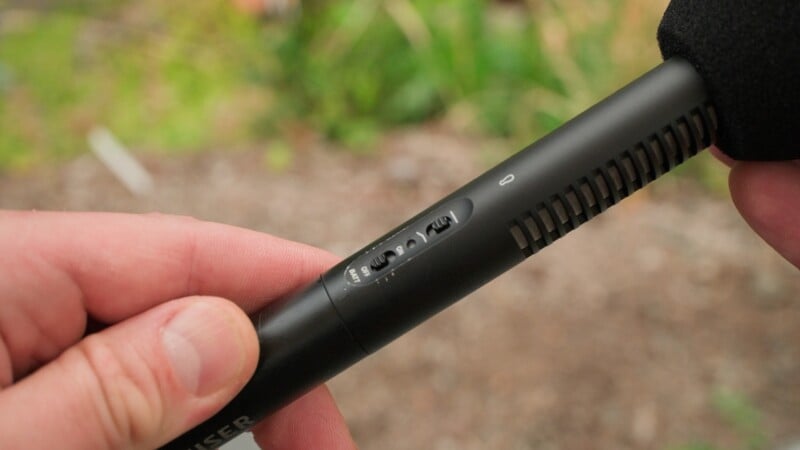
I also threw my own Sennheiser MKE-600 into the mix. It’s a full-size shotgun, so not quite the same form factor as the others in this test, but I wanted a baseline against something I know and use regularly.
The Best Shotgun Microphones in 2026: Testing in the Wild
What better way to test noise isolation than around real traffic and real people? I found a couple of busy intersections, one with general traffic, and one with an active construction site nearby. For the quieter intersection setup, I angled the mic diagonally away from the street so noise came from the sides and behind but never from the front. For the louder setup next to a construction site, I positioned the noise about 90 degrees off-axis, which is right where it should be best at canceling.
Pointing the mic directly at the noise with me standing in front would’ve told us nothing about its off-axis rejection. Plus, I recorded these mics in my sound-treated studio to really hear the voice quality without all the noise. Then, I plugged these into my DAW to hear how they sounded side by side. I made sure to leave off any EQ, compression, and noise reduction to not color the sound and judge only the pure recording.
The Best Shotgun Microphones in 2026: The Rundown
A quick overall observation first: the mics that handled distance best were the ones that resolved high frequencies well. High frequencies carry farther, so the more sensitive mics picked up speech more clearly at range, sometimes at the expense of some lows and mids.
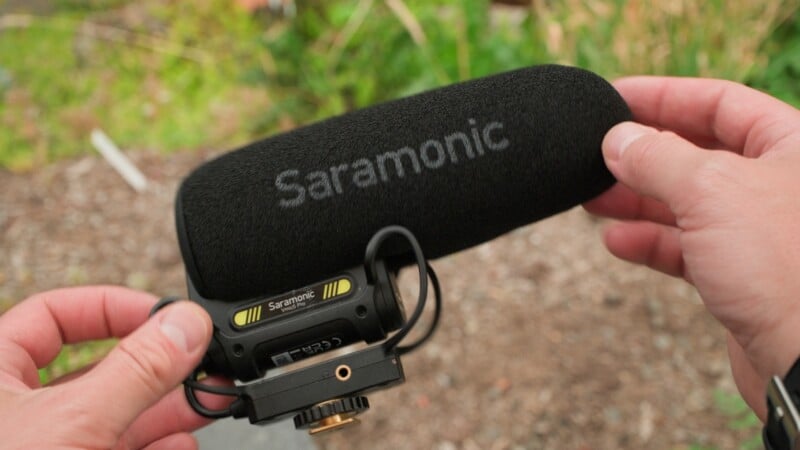
Saramonic VMic5 Pro and Audio-Technica ATV-SG1 were great performers, and remarkably similar. From five feet out to thirty, those crisp highs meant you could still understand me, even through heavy noise at distance. It wasn’t the most rounded, but it was intelligible. Up close, you can tell they’re missing some mids and bass, but that was the tradeoff for their reach.
RØDE VideoMic NTG had the smallest body and delivered good quality. Crisp highs and good presence. It struggled a bit at distance, and the sound tended to get lost further from the camera. It’s also the mic with the most onboard processing options, so if compression, low cut, and gain offset all in one small package appeal to you, it’s definitely compelling.
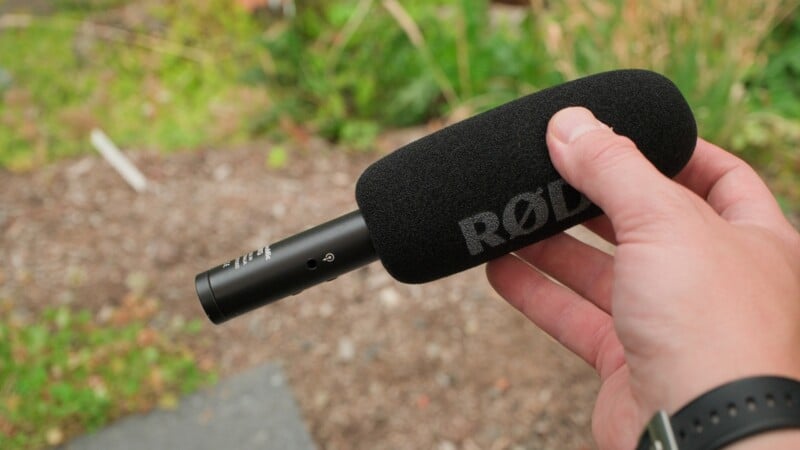
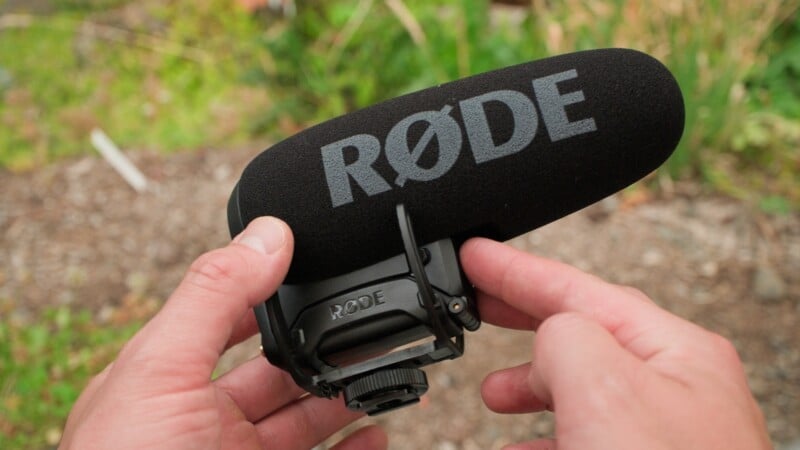
RØDE VideoMic Pro had less high end, and more mids and lows. Up close, it’s full and present, but you can hear it fall off by fifteen feet and struggle at thirty as the highs stop carrying. It makes up for the distance trouble with real presence close to the camera, so this mic can excel in quieter conditions.
Sennheiser MKE-600 surprised me by sounding the noisiest of the whole group, with the most trouble rejecting sound from the sides and back, so it became hard to hear me far away in a noisy environment. Maybe because it’s designed to be used like a standard shotgun boom mic, mounted on a pole and pointed down, but the evidence is compelling me to switch to one of these other mics for my camera-mounted work.
Features Worth Knowing
A few things stood out across the group. All of them except the Sennheiser sensed power from the camera through the audio jack, powering on and off automatically as you plug in or as the camera cycles, which saves time fiddling with the power button every time.
All of them offer onboard gain control. Saramonic VMic5 Pro and the RØDE VideoMic Pro use buttons stepping through 0dB, +20dB, and -10dB, and the other two use knobs/potentiometers running smoothly from 0 to 10, which could be more useful for dialing in exact levels.
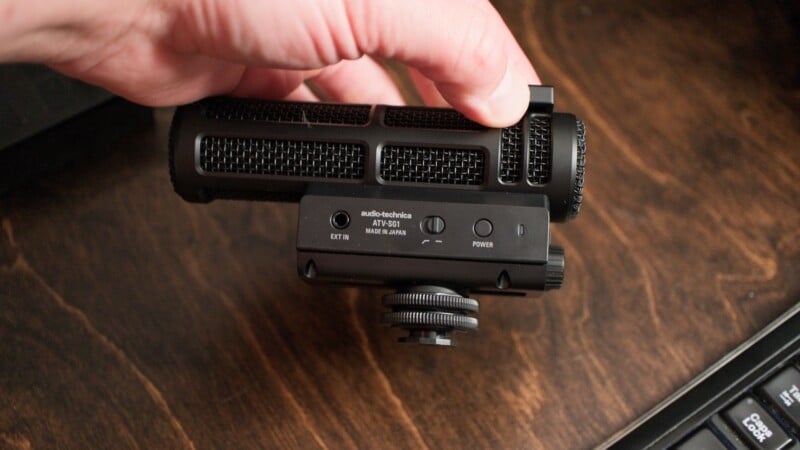
Audio-Technica ATV-SG1 has an external input, so you can plug in a second mic like a lavalier and feed stereo into your camera with discrete sources per channel, which is a really nice added feature and lets you use two audio sources, so you’re not giving up the lav source if you also want natural sound.
Both RØDE mics let you offset gain between channels, which is clever in a variable environment: run one channel hot for someone speaking quietly, and switch to the lower-gain channel when things get loud so you don’t clip on a plosive. The RØDE VideoMic NTG also adds onboard compression. Pair that with the low cut so the rumble doesn’t trigger the compressor, and you can do most of your processing inside the mic itself, leaving very little for post.
The Bottom Line
All of these are genuinely usable as onboard shotgun mics feeding straight into your camera. They performed well, especially up close, resolving speech clearly and rejecting enough of the surrounding noise.
They all sit around $200 to $250, so price isn’t a deciding factor here. For form factor, the NTG is by far the smallest, while the others feel a bit bulkier. And a few offer extra features worth weighing: the ATV-SG1’s second input for two-channel recording, the RØDE channel gain offset, and the NTG’s built-in compressor. You’ll have to decide which of these are most important to you, but it’s good to know you’re not giving up performance on the baseline features if you do go with one of these bonus features.
In the end, they all work great. Pick the one with the features you actually need and the size that fits your rig, and go from there.
Affiliate Disclosure PetaPixel articles may include affiliate links; we may earn a commission if you buy through one.