Things Go From Bad to Worse for GoPro
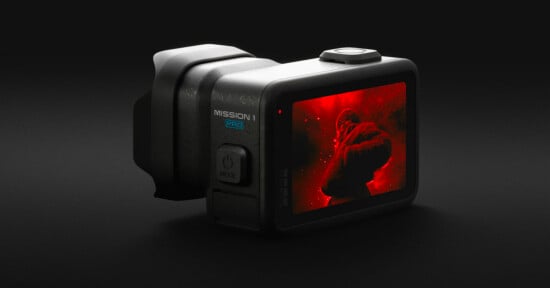
GoPro just released a fantastic new action camera, the Mission 1 Pro, but somehow that is not even close to the biggest news surrounding GoPro in recent months. The company, mired in financial difficulties, is now noncompliant with NASDAQ listing requirements.
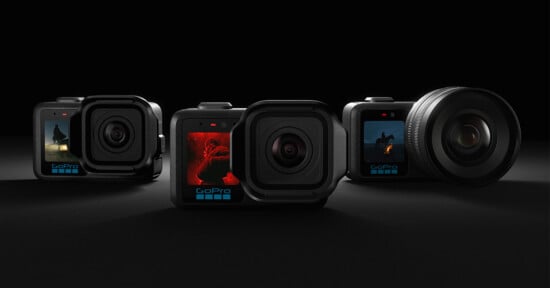
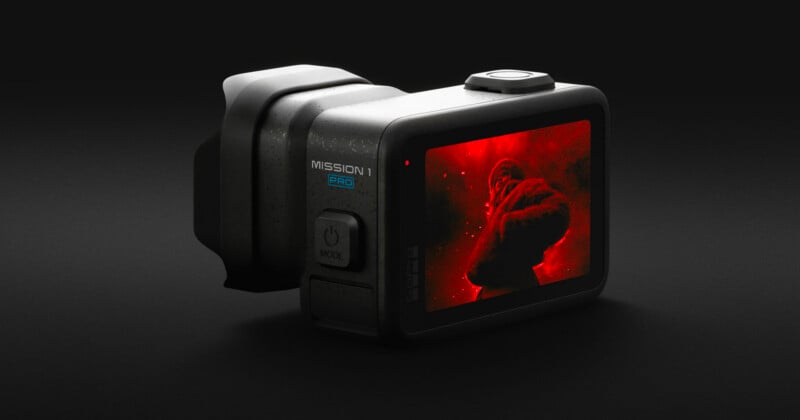
To bring everyone up to speed, GoPro announced the Mission 1 Pro and Mission 1 ILS cameras in April. These action cameras promise significantly improved performance and usability thanks to an all-new imaging pipeline. The Mission 1 Pro, available now, is certainly impressive.
However, just before announcing these cameras in early April, GoPro revealed plans to layoff about 23 percent of its global workforce, citing a need to reduce its operating costs and improve its bottom line.
The following month, GoPro said it was considering selling as part of a formal review of its strategic options.
“Over the past 24 years, GoPro has developed significant technology, IP, and brand assets along with world class product development and scaled manufacturing capabilities,” said GoPro founder and CEO Nicholas Woodman in May. “We are excited to work with our advisors to evaluate potential opportunities in various sectors to maximize shareholder value.”
Just a few weeks later, in early June, GoPro warned in official financial filings with the United States Securities and Exchange Commission (SEC) that it has “substantial doubt” about its ability to continue as a going concern. At that time, GoPro raised alarms about its ability to satisfy its current debt obligations, noting that the ongoing memory crisis was raising its costs to unsustainable levels.
Just a couple of weeks ago, Woodman said that he was effectively lending his company $20 million through stock purchases.
As Digital Camera Life in Japan reports, GoPro’s stock price has been taking a hit during all this turmoil, and spent 30 days trading at under $1.00 per share. This violates NASDAQ listing regulations and puts GoPro in noncompliance.
There is an 180-day grace period before further action would be taken, including potential de-listing or moving GoPro’s stock to a different market. It’s also possible for the grace period to be extended in certain circumstances.
However, GoPro could also implement a reverse stock split, wherein existing shares would be combined into a more valuable share. This could satisfy NASDAQ’s rules, but would not help GoPro with its investor confidence issue.
As of writing, GoPro’s shares are trading at 69 cents, which is up 0.55 percent from opening this morning. GoPro was last at a buck per share on June 4, and its stock price is down 52.6 percent so far this year. GoPro’s stock price is down 93.2 percent over the past five years. GoPro’s stock price peaked at nearly $94 per share in October 2014.
GoPro is in serious trouble. Its founder and CEO, Woodman, and the company’s Board of Directors seem committed to exploring all possible avenues of relief for the company. Still, there are a lot of factors working against GoPro right now. Beyond any internal issues, Chinese competitors are eating GoPro’s lunch and industry materials costs are skyrocketing. That’s a very bad combination for the American company, once a monolithic presence in the action camera space. As GoPro itself has admitted in filings with the SEC, time is running out.
Image creditsGoPro. Header image created using an asset licensed via Depositphotos.com.
Affiliate Disclosure PetaPixel articles may include affiliate links; we may earn a commission if you buy through one.