
Official Guide Outlines How to Avoid Sexual Camera Angles of Women Athletes
The European Broadcasting Union (EBU) has published official guidelines that address how to showcase women athletes without overly sexualizing the camera angles.
The EBU describes itself as the world’s leading alliance of public service media, with 113 member organizations in 56 countries, with an additional 31 associates in Asia, Africa, Australasia and the Americas.
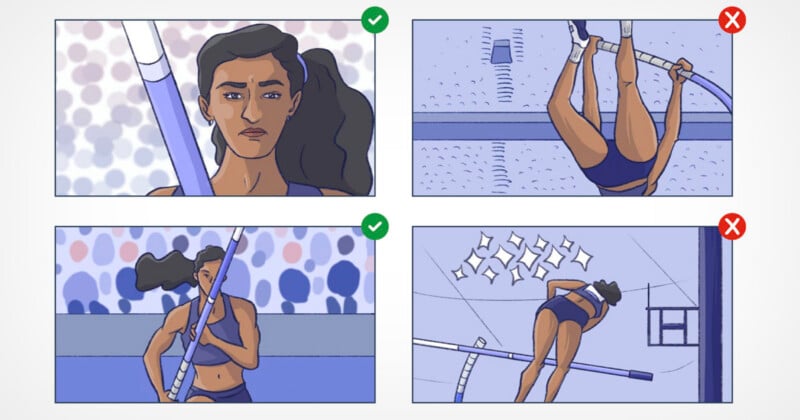
The guide, titled Raising the Bar, focuses on women’s track and field and includes multiple examples of how to both position cameras while at the same time avoiding certain compromising angles.
During the 2024 Olympics, the CEO of Olympic Broadcasting Services specifically called on camera operators to film both male and female athletes the same way to avoid “stereotypes and sexism” creeping into television coverage of the sporting event. This guide, which gives specific examples, feels like a natural extension of that broad call.
“How do you film a sportswoman so the footage honors her power and skill rather than undermining it? Raising the Bar sets out practical guidelines for respectful camera work in women’s athletics, drawing on real broadcast examples and the first-hand experiences of Olympic competitors Holly Bradshaw, Ivana Španović and Blanka Vlašić. It shows how the angles that best capture technique and emotion are often the very same ones that treat athletes with dignity,” the EBU explains.
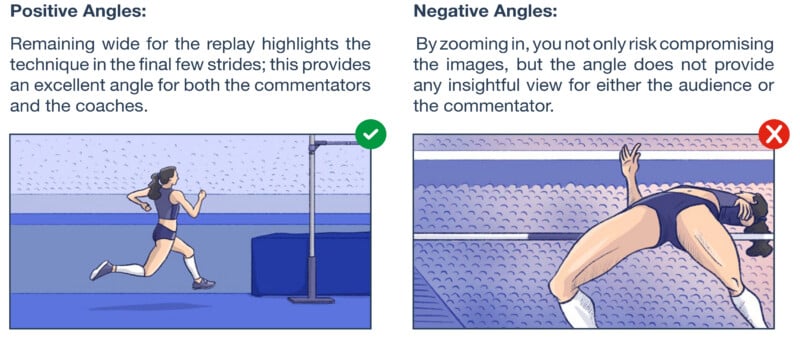
Given how quickly athletes move and where cameras are positioned, it may be extremely difficult to always avoid every example of what the EBU calls “respectful” angles, so these are not hard and fast rules. Instead, as Glen Killane, Executive Director of EBU Sport, says, the goal is to encourage camera teams to ensure that athletes are portrayed fairly, accurately, and with respect.
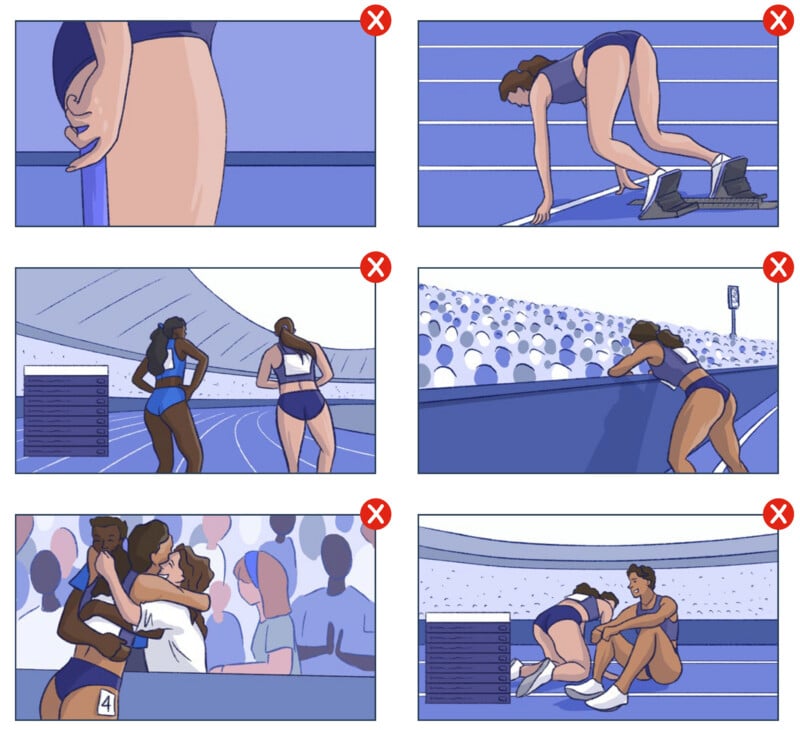
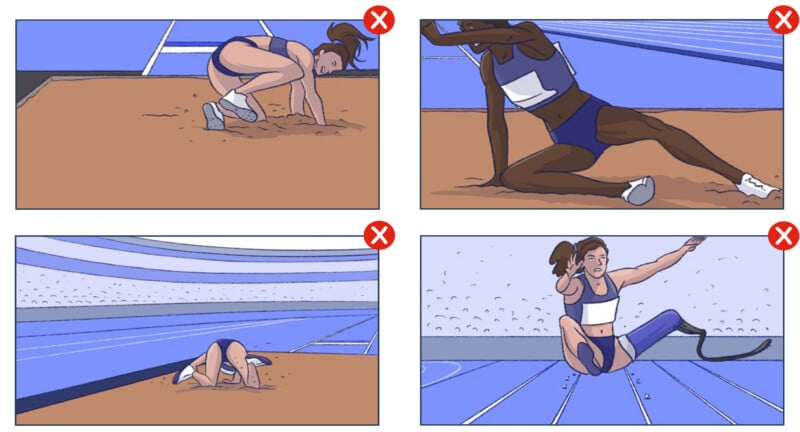
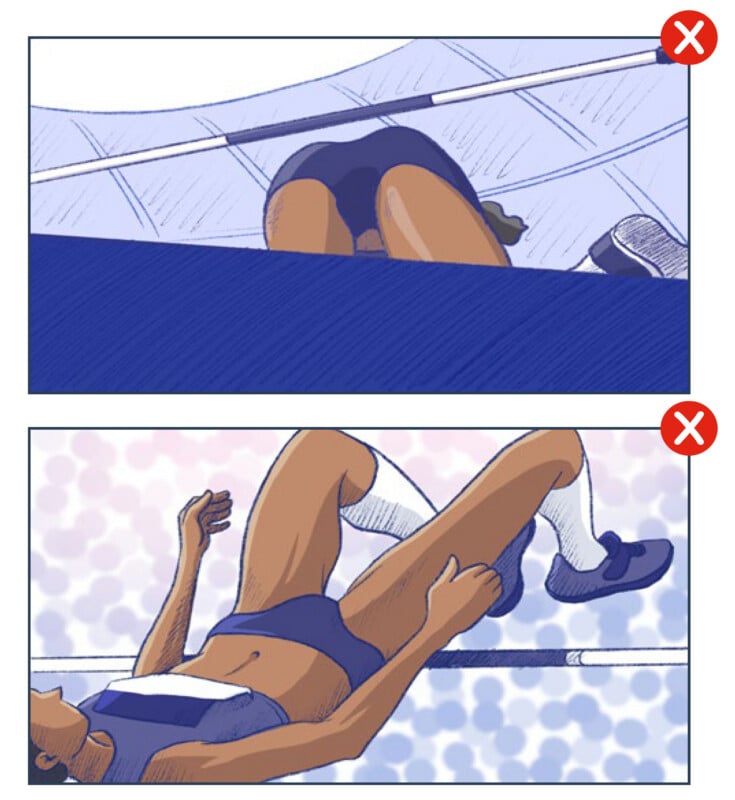
“Our coverage should reflect the skill, dedication, and excellence that define athletics, and uphold the trust placed in us by audiences and competitors alike,” Killane says. “The sexualization of women athletes through selective camera angles and editing choices continues to be a significant concern across many sports broadcasts. Lingering shots on bodies, low-angle cameras that capture revealing views, and excessive slow-motion replays that serve no technical or storytelling purpose are among the issues observed in the media coverage of women’s athletics competitions today.”
The guide was created in tandem with women athletes, who have contributed descriptions of angles they believe showcase their events and skills while simultaneously treating them with dignity and respect. The EBU says that the guide mainly focuses on larger-scale productions, but stipulates that the principles outlined within apply equally to smaller crews, too.
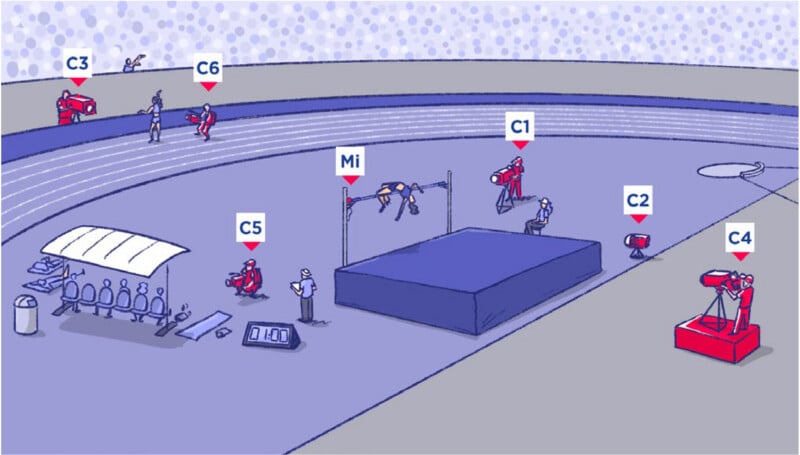
“How our sport is displayed during live broadcast can be incredibly powerful yet sometimes harmful to the women competing and the women/girls watching,” Holly Bradshaw, Olympic pole vaulter, says. “I first-hand have received social media abuse and witnessed inappropriate videos online of myself and colleagues when slow-motion content of us competing is captured. Athletes want to enjoy themselves doing the sport they love without feeling uncomfortable or anxious about the footage being shown live.”
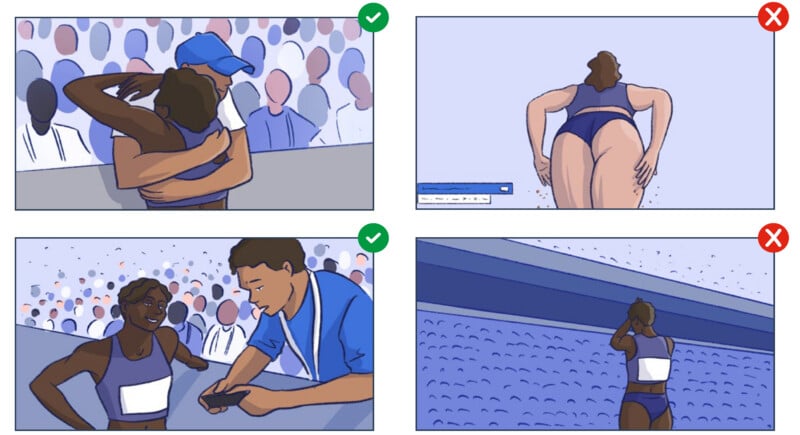
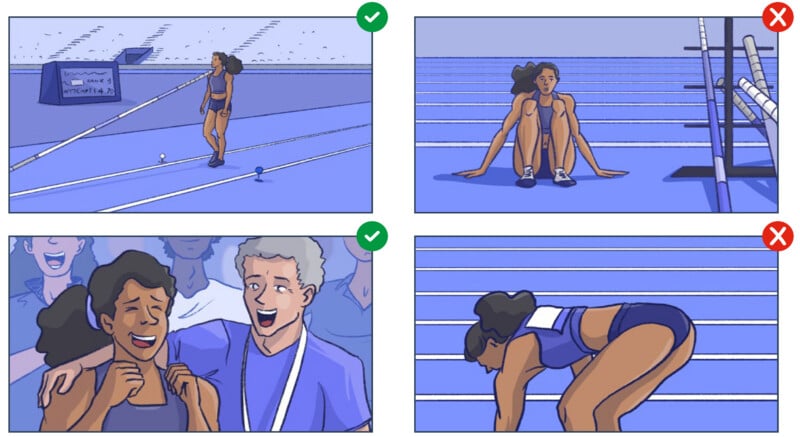
“This is not a list of restrictions. Across high jump, pole vault, horizontal jumps, and running events, the report demonstrates how the most compromising shots can be avoided with no loss of storytelling or visual quality. Whether you direct a major production or work with a small crew, it offers a clear, shared standard for broadcasters, directors, camera operators, and the athletes they cover,” the EBU says.
For now, the EBU only provides examples of how to cover women’s track and field, but it’s not unreasonable to expect the EBU to produce additional guides for other types of sporting events, especially given the EBU Sport Executive director’s statements about the importance of this document.
“We recognize the urgent need to strengthen broadcasting standards to ensure coverage that consistently respects and reflects sportswomen’s skill, strength, and dedication,” Killane says. “This is a shared responsibility across our EBU Membership.”
The full guide can be downloaded from the EBU’s website.
Image creditsEBU
Affiliate Disclosure PetaPixel articles may include affiliate links; we may earn a commission if you buy through one.