This Photographer Built an Awesome Medium-Format Rangefinder, and So Can You
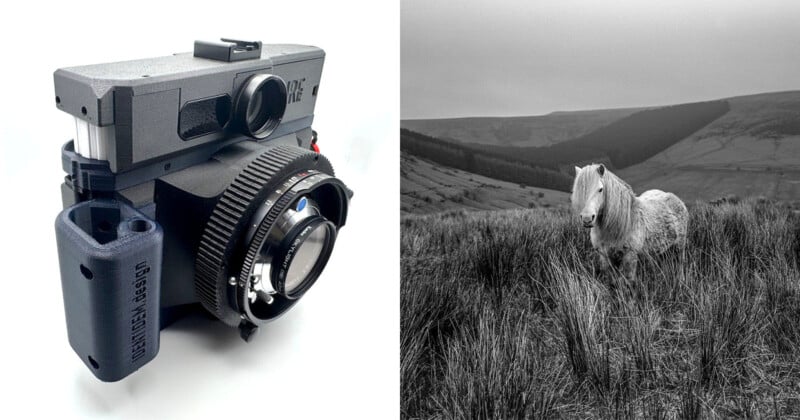
Photographer Albert Cornelissen wanted a medium-format rangefinder camera that could utilize great glass and wouldn’t break the bank. The second restriction meant the legendary Mamiya 7 and Fujifilm GF670 cameras were out of the question, so Cornelissen took matters into his own hands and built his dream camera: The MRF2.
“The MRF2 is the second version of the (M)edium-format (R)ange(F)inder — a truly unique camera that combines old and new technology for a one-of-a-kind analog photography experience,” Cornelissen explains. “Built for the Mamiya Press lens system, it uses microelectronics and software to bring a modern lens-coupled, LiDAR-powered medium-format rangefinder to life.”
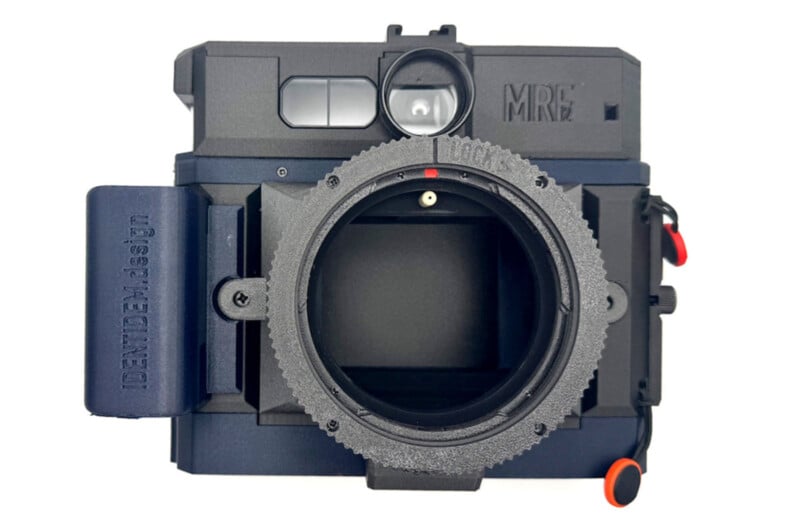
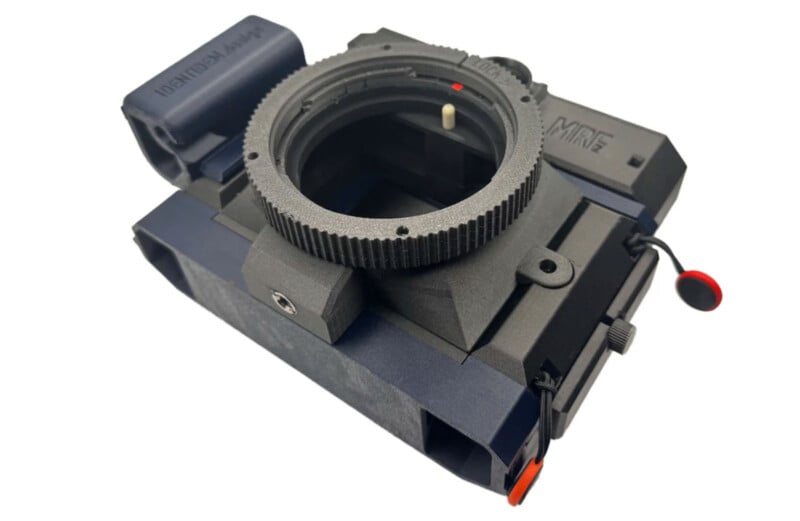
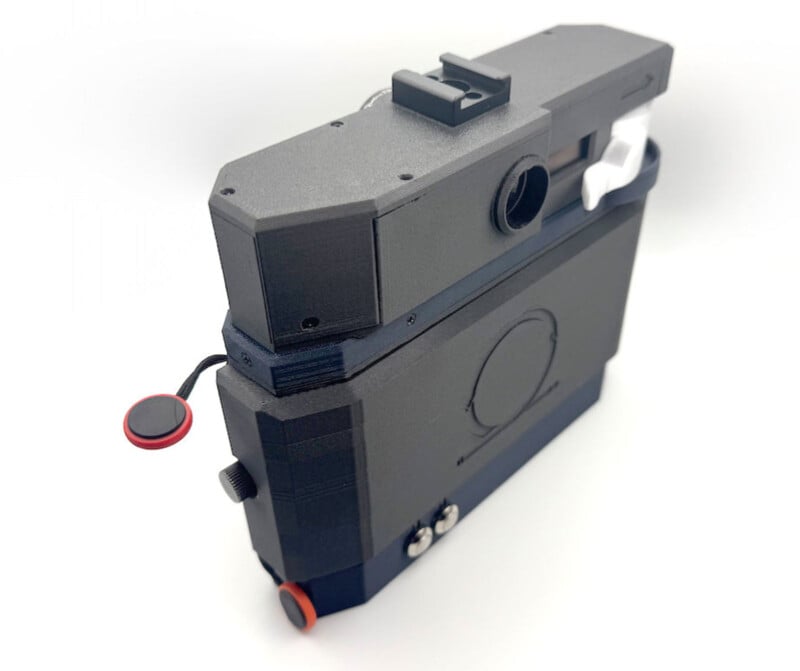
While the photographer sells a fully assembled version of his camera on his website for $1,156, although it is currently sold out, his project is entirely open source. Anyone can access his 3D-printable files, read the instructions, and learn everything they need to make their very own medium-format rangefinder camera on Github.
“The camera-making community is amazing. They are welcoming, open to share knowledge, and super encouraging. I’ve built and shot cameras designed by Oscar Oweson (Panomicron), Mario (SPRKPLG), and many others. People like Ethan of Cameradactyl are also extremely inspirational. How could I not give back?” the photographer tells PetaPixel of his decision to keep his project accessible to all. “I am also a firm believer in the ethos of open source, and hope that others can build on and improve my work!”
As for the MRF2, Cornelissen also drew inspiration from his peers for this new camera.
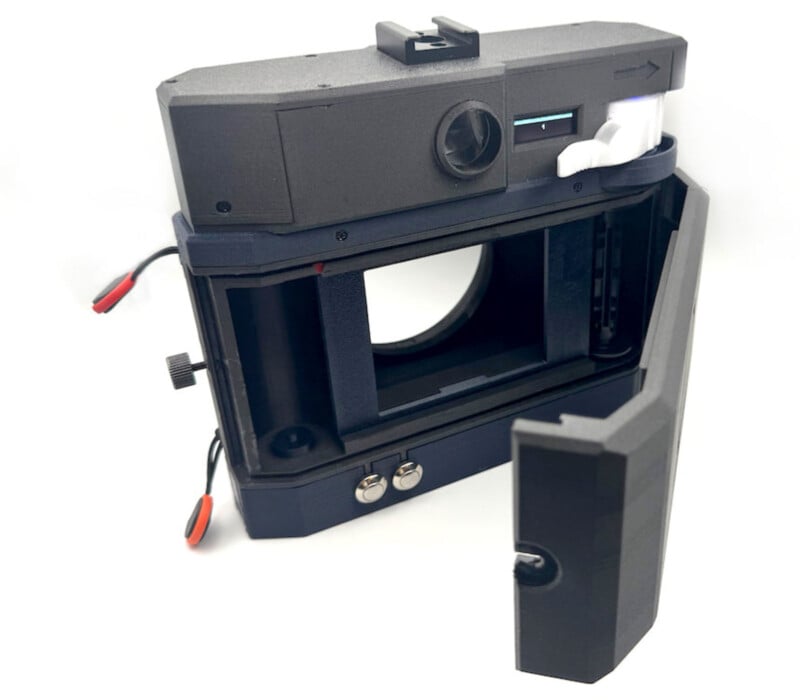
“I had made and shot some of the excellent cameras by Mario from SPRKPLG that use the Mamiya Press lenses, and realized I could use those lenses as a starting point to design my own modern rangefinder,” the photographer tells PetaPixel.
“Oscar Oweson from Panomicron had released the Thulium not long before, and that was the perfect foundation to start with. At that point in time off-the-shelf hobbyist electronics to tie this all together had also started to become much more accessible. So it was the perfect storm and a few years later the MRF became reality.”
The DIY camera community is rich, diverse, and very generous. It has helped Cornelissen in many ways over the years, and the MRF2 is certainly not his first rodeo, as the camera’s name suggests. He started working with 3D-printed camera parts and modifications a few years ago, designing and sharing files to mount the Lomograflok Instax Wide back to Polaroid Pathfinder cameras.
“That set me on the path of designing and building cameras like a tiny clone of the Bight, a Polaroid SLR, a 4×5 rangefinder that was the precursor to the MRF, as well as numerous little bits and pieces to make the analog photography experience just a little more pleasant,” Cornelissen says.
He has been a lifelong hobbyist photographer with extensive experience across a wide range of formats. He says he also loves making things, so “these passions were bound to cross paths sooner or later!”
While some DIY camera builds can be quite complicated and require specific expertise, which is not necessarily a bad thing, Cornelissen’s MRF2 has gone through “many iterations” to make it as easy to build as possible. He says the biggest hurdle for many will likely be the electronics, but that said, “it’s mostly plug and play, with minimal soldering.”
“And you’ll hopefully have fun and learn lots along the way,” the photographer and builder says. He has an excellent YouTube video below that goes through the entire building process so people can follow along.
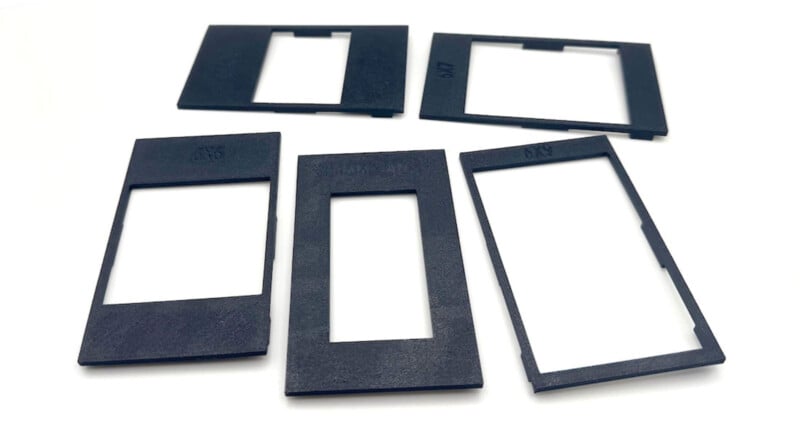
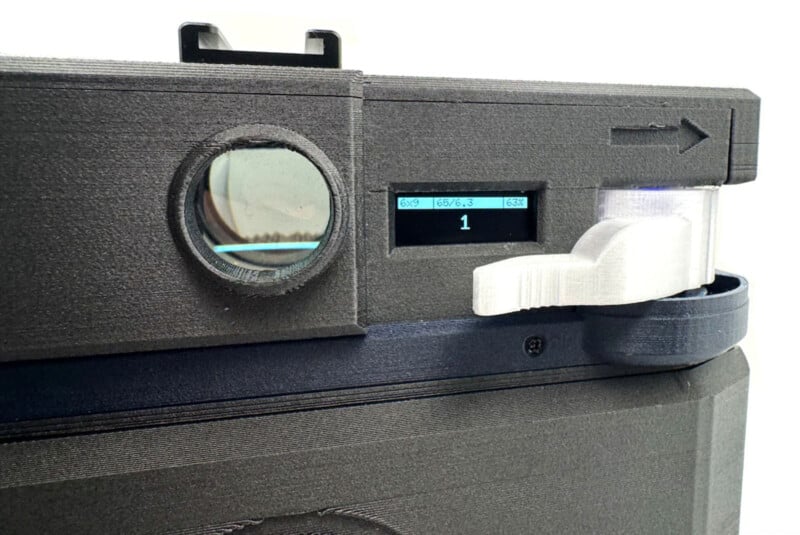
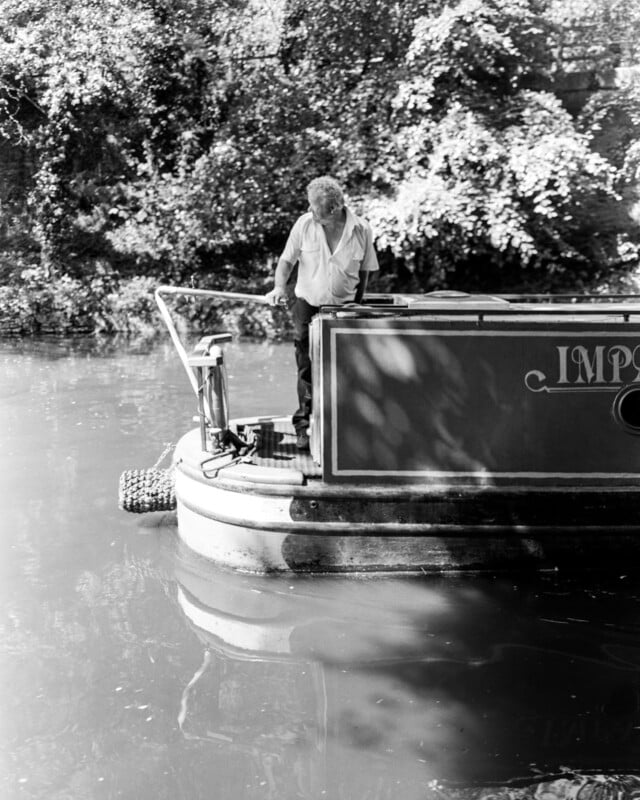
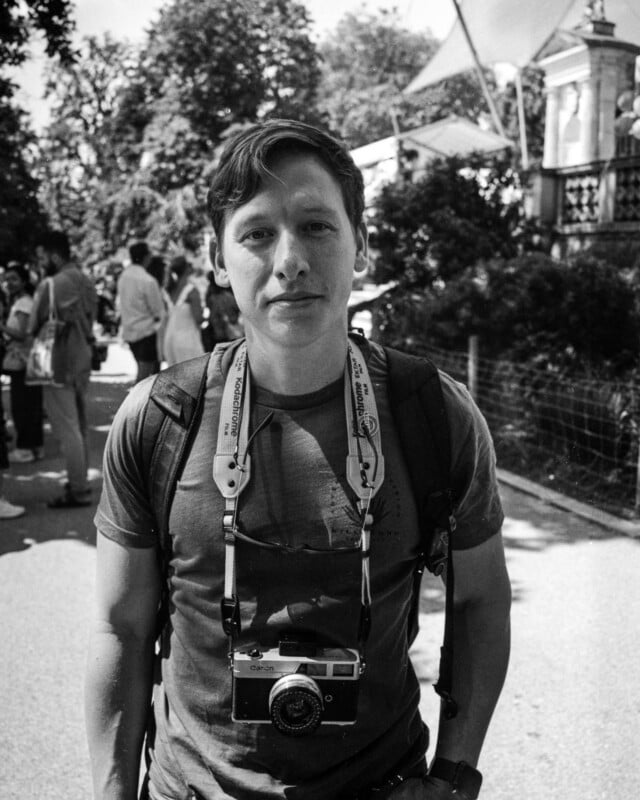
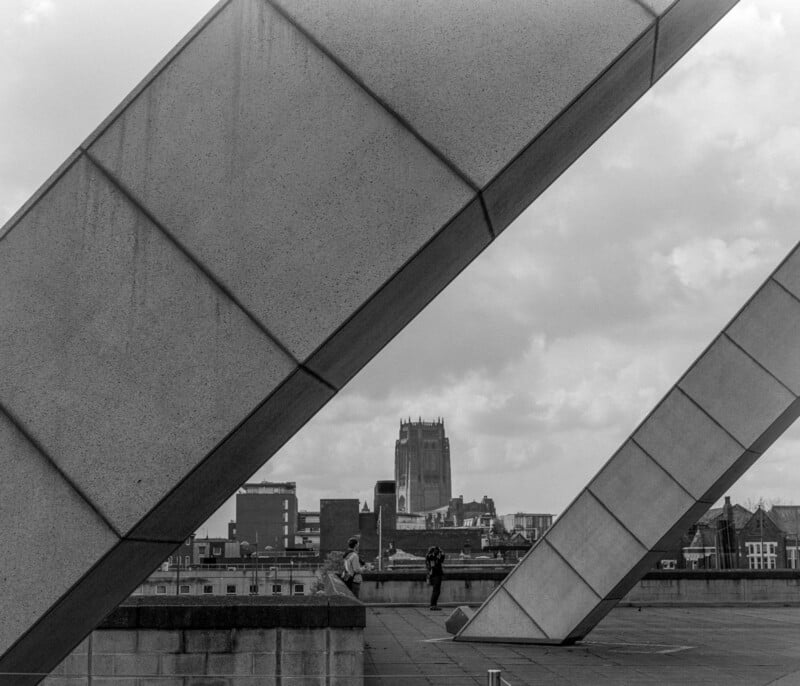
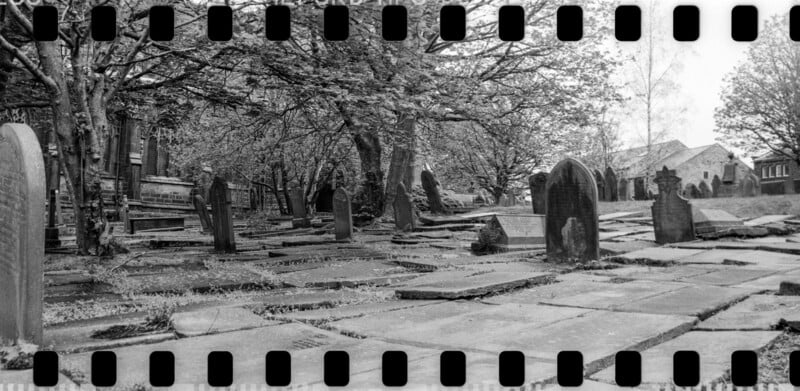
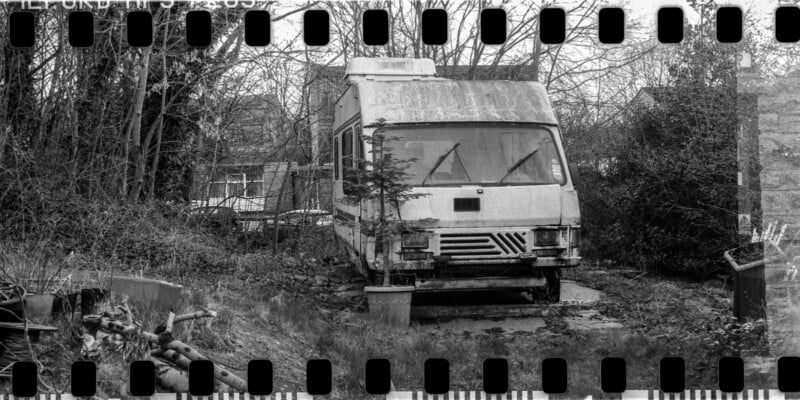
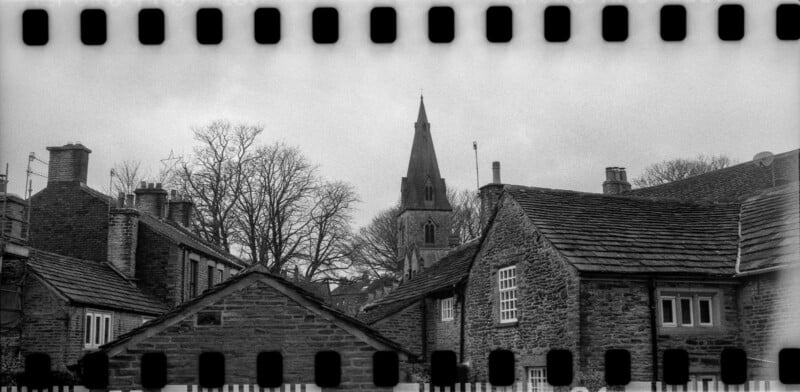
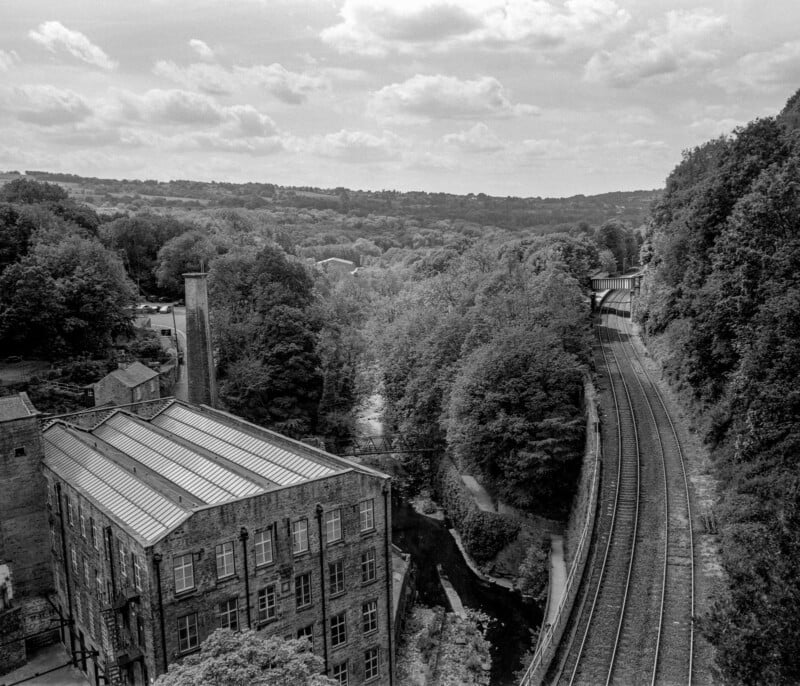
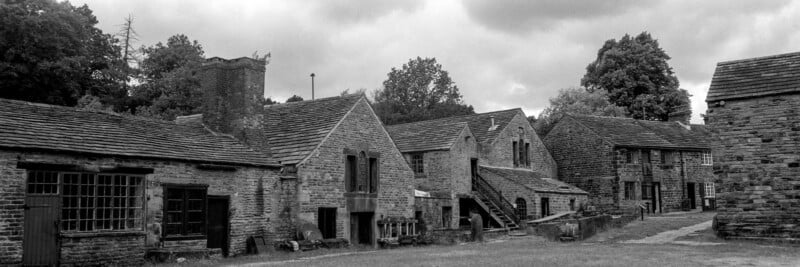
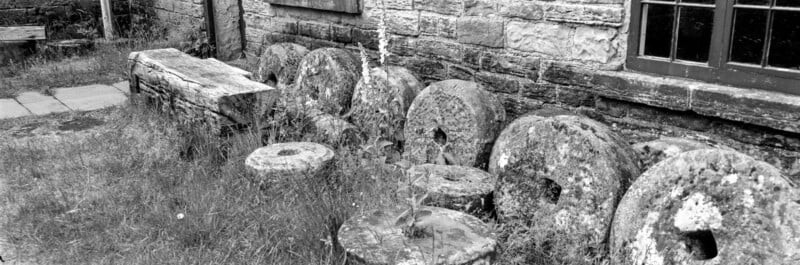
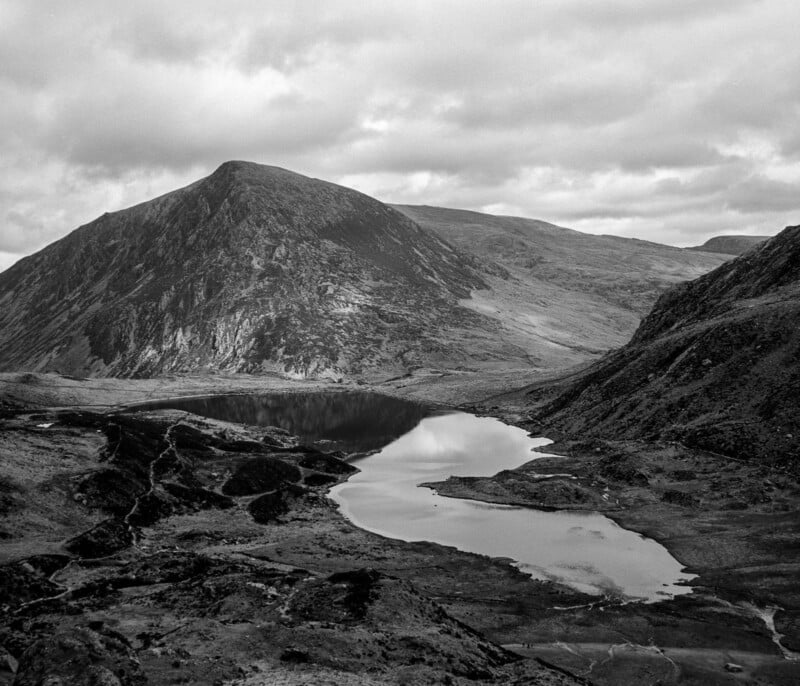
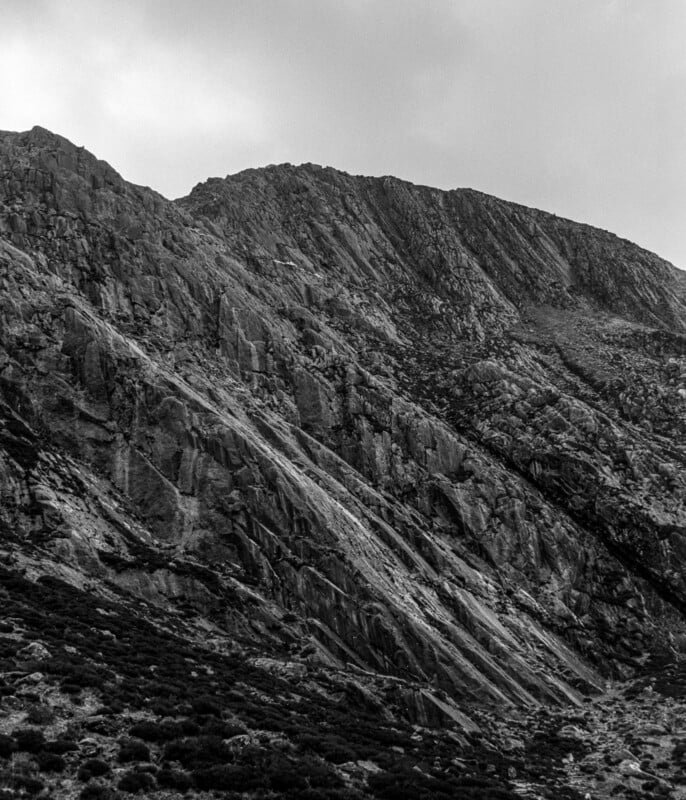
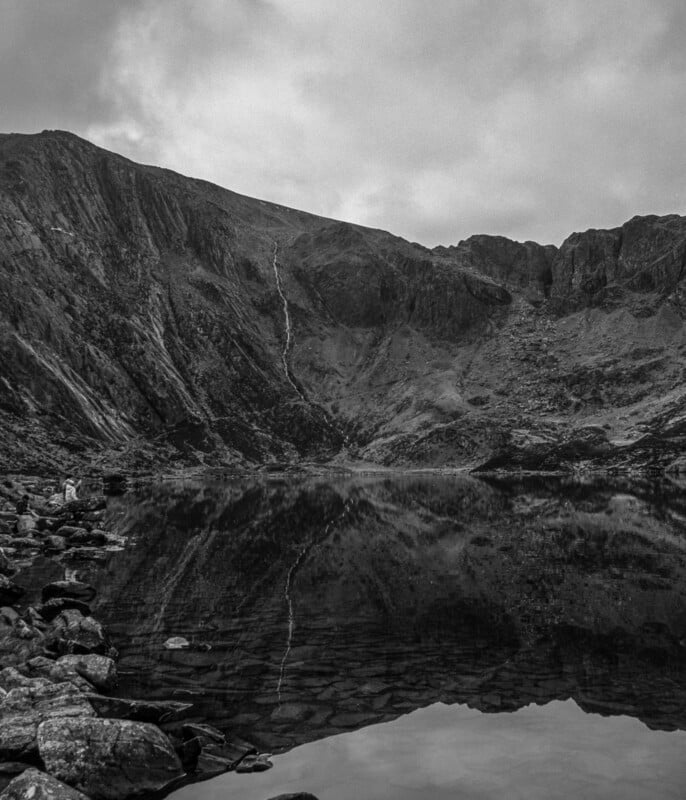
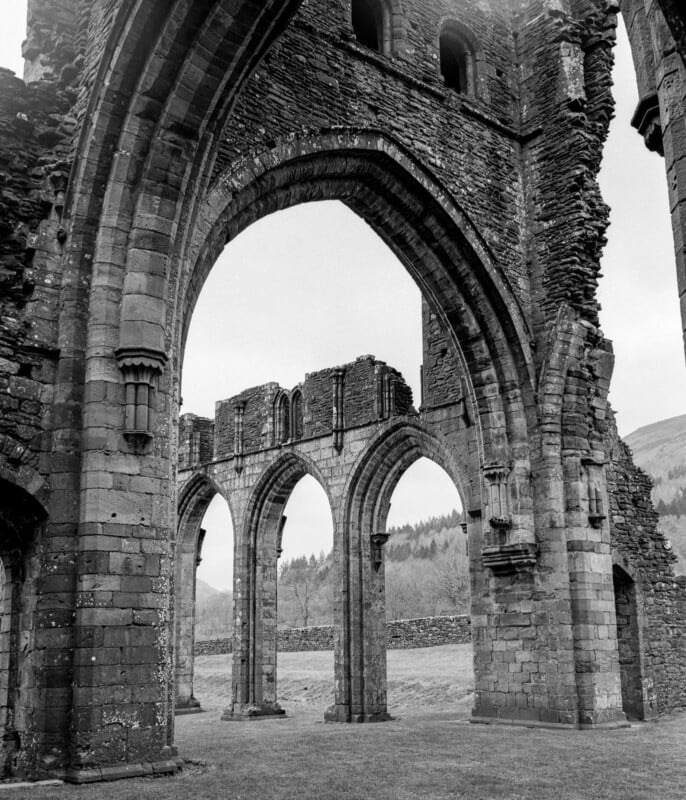
The MRF2 can do a lot. It features custom PCBs, custom firmware, LiDAR-based lens-coupled focusing, dual OLED displays, and 3D-printed parts, ensuring it is versatile, configurable, and supports multiple film formats. The camera can capture 35mm panoramas and shoot in 6×4.5, 6×6, 6×7, and 6×9 formats, has a light meter, a horizon level indicator, and an external display that shows relevant exposure, battery, and format information. Most importantly, as the sample images throughout this article show, the MRF2 can capture incredible photos.
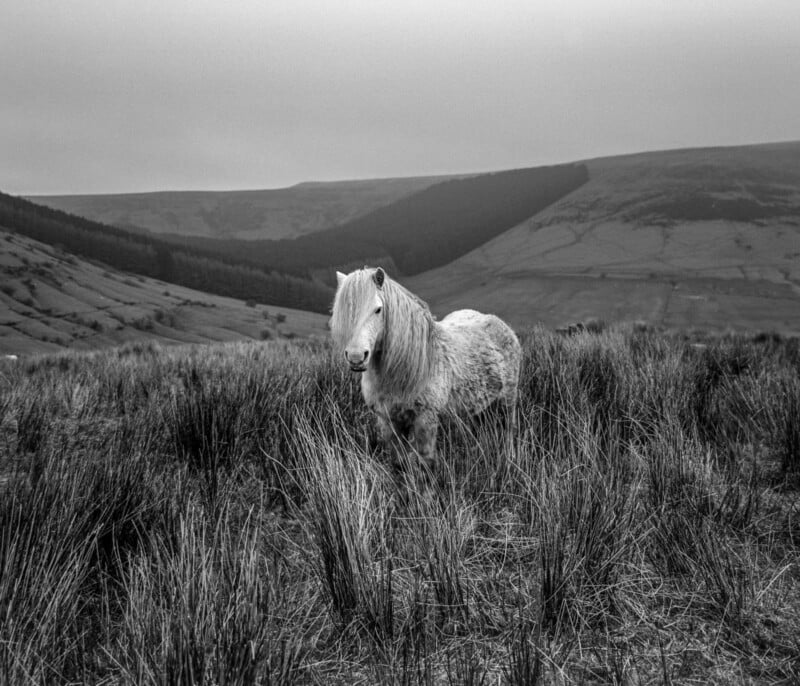
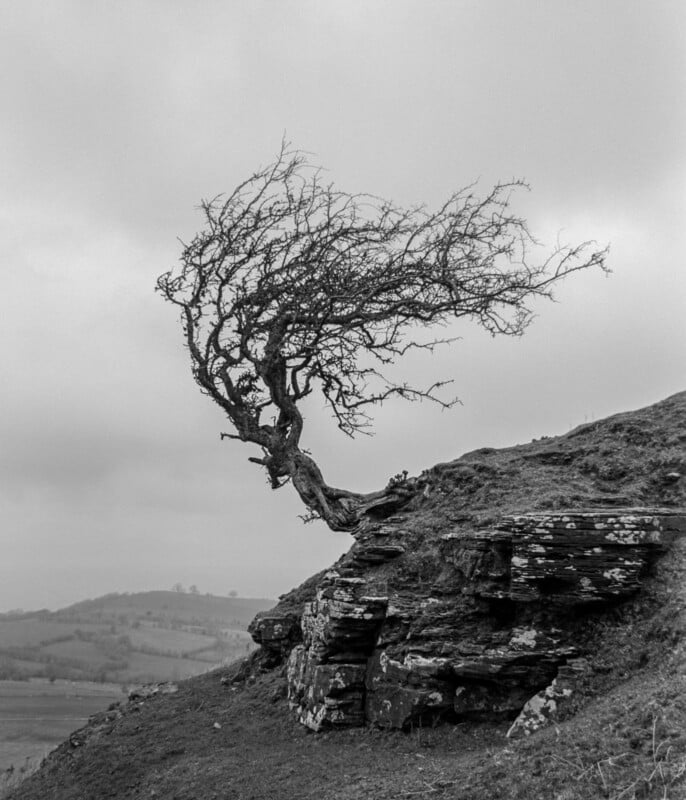
If any PetaPixel readers want to build the MRF2 camera for themselves, Cornelissen encourages them to reach out to him on Instagram or his website.
“I’m always happy to help and give advice.”
Image credits: Albert Cornelissen / Identidem.design