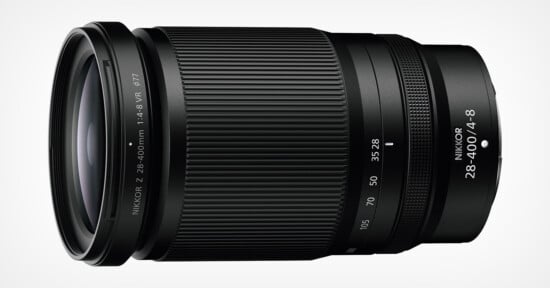
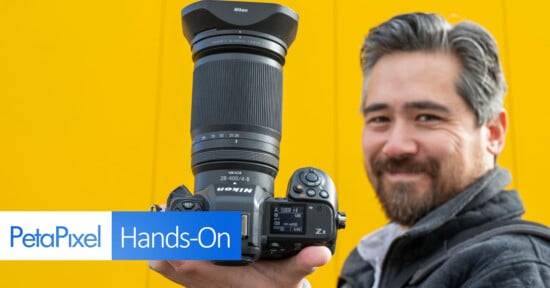
Nikon Z 28-400mm f/4-8 VR: The Best All-Purpose Lens I’ve Ever Used
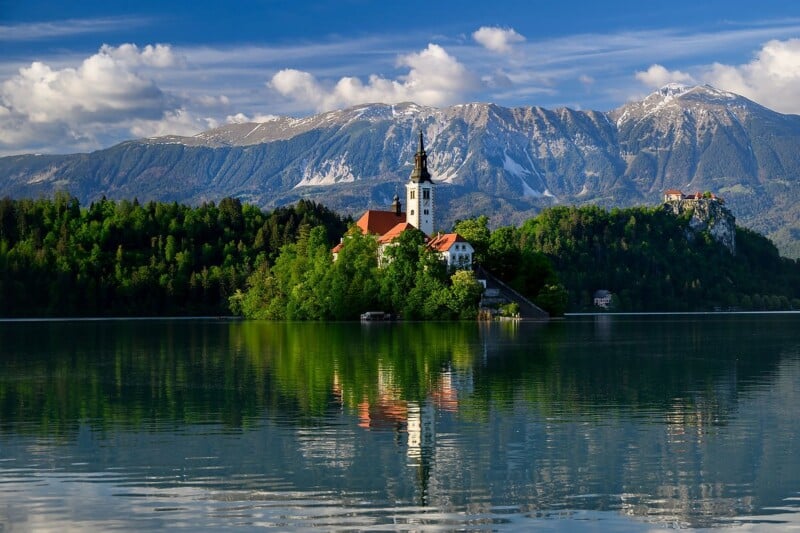
When Nikon announced a new Nikon Z 28-400mm f/4-8 VR in March, I didn’t get very excited. After all, lenses that attempt to cover an extreme range of focal lengths (“all-in-one”) tend to suffer from distortion at their widest and longest and lose sharpness at the long end.
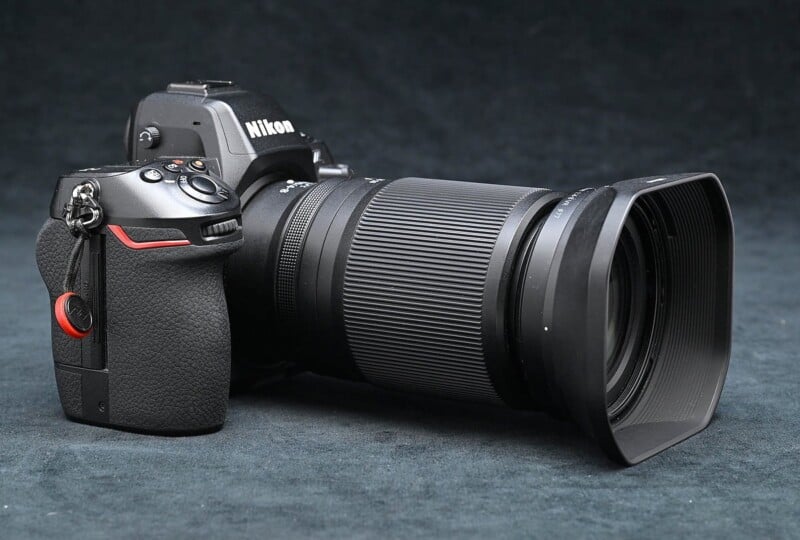
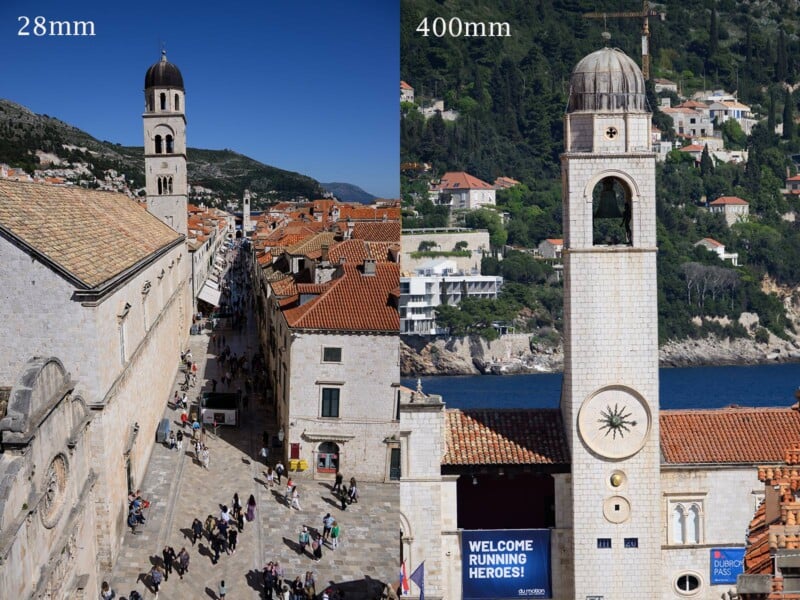
The upsides seem obvious, so let’s talk about the downsides first: size, weight, and aperture. It’s a pretty beefy lens, and does tend to extend on its own when hanging from my shoulder (it has a “lock” switch you can flip to keep it at 28mm). My Nikkor Z 24-200mm f/4-6.3 lens weighs 1.26 lbs, and the new 28-400 is 1.6 lbs, so only about a quarter-pound heavier. And while the aperture is f/4 at 28mm, it gets to f/5.6 at 50mm and f/8 by the time you hit 200mm. That was one of my concerns, and it turns out I didn’t need to worry because I shoot mainly with the Nikon Z 8 and Z 9 cameras. Both of them handle high ISO’s really well, as I’m comfortable going up to 4000 ISO anytime, and will take it up to 12,800 if I really need to. Add to that I don’t plan on using this lens much for sports or wildlife, so won’t need high shutter speeds often. And, the IBIS (In Body Image Stabilization) on these cameras is so good I surprised myself by getting sharp photos at shutter speeds I normally wouldn’t consider using with a long telephoto lens.


And the upsides? The biggest, of course, is that focal length range. 28-400mm? That’s crazy! But add to that the fact that it’s sharp (very sharp) throughout the range – even maxed out at 400mm. And that’s even when used wide open. I regularly found myself shooting the lens at its maximum aperture (widest) at whatever focal length I was using because it was always sharp. In fact, after the first couple of days, I only closed the aperture down when I wanted to pick up more depth of field.



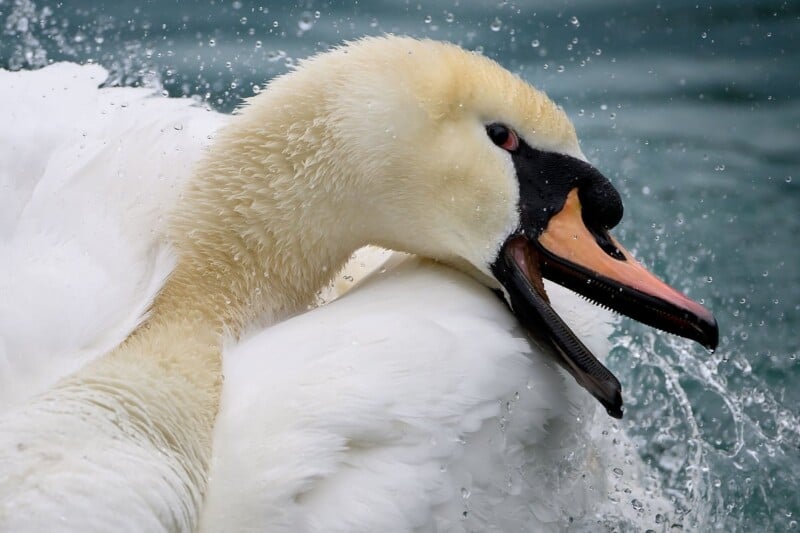
We all know that f/8 is not a “fast” aperture to work with, limiting your ability to create a shallow depth of field. However, at 300 to 400mm, and relatively close to your subject, even f/8 will result in a pretty soft background. And bokeh? That’s never something I’ve worried much about. In my opinion, if people are looking at the bokeh in the background of a photo I’ve made, then the photo’s not very good. If I’ve found a good subject or scene, that’s what the viewer should be looking at.


But what about the wide-angle end? If you know me, you know I’m a BIG fan of super-wide lenses. My current favorite is the Nikon Z 14-30mm f/4 S. So would 28mm mean more time spent changing lenses? As it turned out, no. 28mm was wide enough for most of what I was shooting, and that compact 14-30mm was always close by for when I needed to go wider.
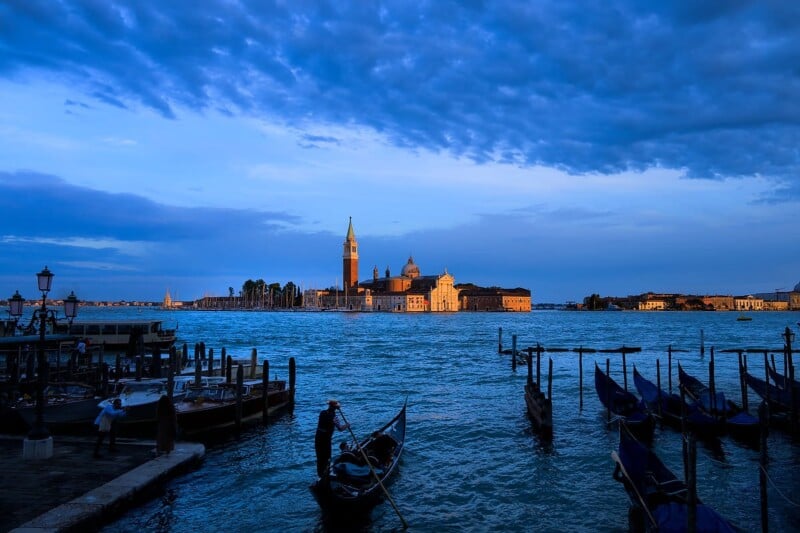
I’ll still take the Z 24-200mm f/4-6.3 with me on trips where I won’t need more than 200mm, or also have a much longer lens (like the 180-600mm). And my Z 24-120mm f/4 lens will go in the bag when I know I’ll need that f/4 aperture. But from now on, for most of my travels, this new 28-400mm lens will be what I reach for first. And that range, along with not having to change lenses as much, is going to help me make photos I couldn’t before. Here are a few more of those that I shot in Europe over the last two weeks with this impressive lens:

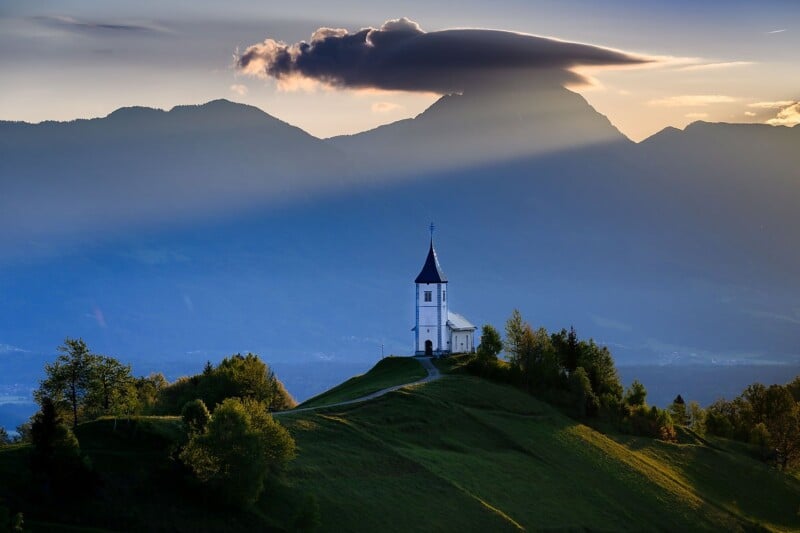

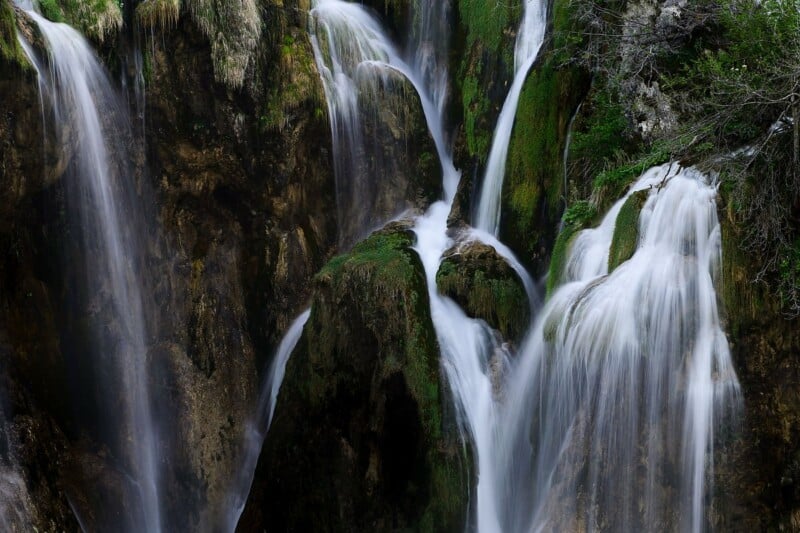
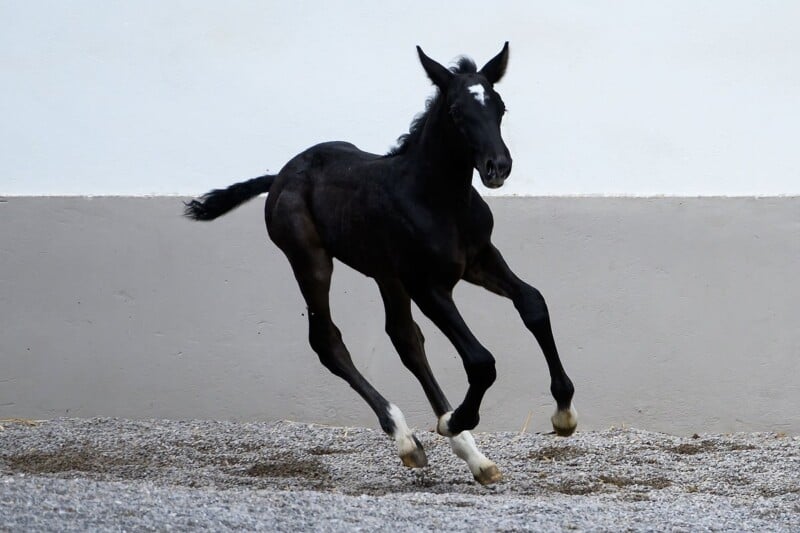

Affiliate Disclosure PetaPixel articles may include affiliate links; we may earn a commission if you buy through one.