Here’s an interesting TED audition by artist Phil Hansen, who speaks on embracing limitations (both natural or artificial) in order to drive your creativity. While Hansen isn’t a photographer, many of his ideas should be very relevant to photographers looking to give their work a kick in the butt.
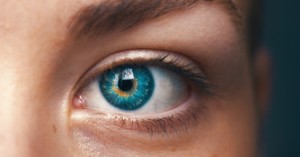
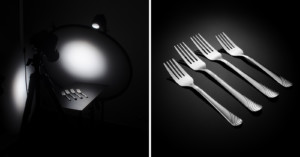
UV lens filters are a popular way to protect the front element of lenses from damage, but you should make sure you invest in a high-quality one unless you want to make a huge sacrifice in image quality. Reddit user EvilDoesIt shot the photos above comparing a cheap filter with a pricier one:
The top one is a $20 Quantaray UV filter. Bottom is a ~$70 B+W MRC UV filter. This is a more extreme example, but it shows the difference between a nice filter and a crappy cheap one. Both these shots are unedited JPEGs from my Nikon D7k with a Nikkor 17-55 ƒ/2.8 @ 1.3s ISO100.
I do realize that the top pic can be easily fixed by adjusting levels, but in my opinion, it’s always better to get the best picture you can get out of your camera before editing. [#]
His last sentence is a gem: to achieve the best images, you want to make sure you’re squeezing out the best image quality you can from each step along the way.
Image credit: Photographs by EvilDoesIt and used with permission
While there are ample resources available on portfolios, websites, leave behinds and promotional materials, there’s one important subject that I’ve found little helpful information on: the photographer’s bio.
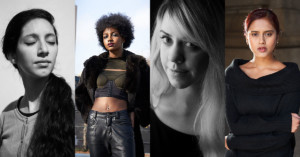
Almost always found on a professional photographer’s site, the bio can make or break you. In a world where creatives often only have a couple of minutes to view your site, the bio can play a significant role. A biography is a glimpse into your personality and gives the reader a sense of what you might be like to work with. Creatives will often seek out the bio to help them make quick judgements. Therefore, just having great pictures isn’t enough. Many people will quickly abandon a website to jump to the next, so you have to make sure your entire site is not only engaging, but successfully portrays your personality. With bios being one way to express who YOU are, I’m always surprised at just how many dreadful ones I find. So, after reading one too many boring, exaggerated, absurd, grammatically incorrect and simply over the top biographies, I decided to come up with a few Dos and Don’ts. Read more…
Beginners: Ever wonder why your photos don’t look ‘professional?’ Amateurs: ever wonder why you lack consistency? Pros: Ever wonder why you lose your edge or drive? Wonder no longer. This article deals with some of the most common oversights by photographers of all kinds, and how to avoid them. Read more…
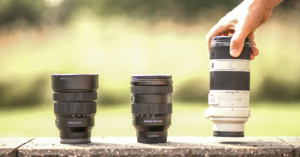
Today’s dose of inspiration comes in the form of two videos for the price of one. Both videos feature well-known and well-respected photographer and photojournalist Steve McCurry — the man behind the unforgettable Afghan Girl photo that graced the cover of NatGeo — but each offer a different sort of insight into his world. Read more…
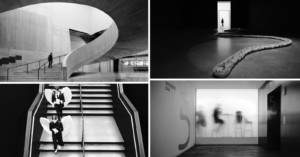
At some point or another, as a creative professional, you will have the option to exhibit work to the public. Exhibitions are a great tool to market yourself, and your work to potential clients and art buyers. Read more…
In a world where everybody wants more for less, it’s hard to justify spending money on things which may or may not make your clients happier. I have always been a believer in the idea that you need to spend money to make money, yet I find other photographers are very split on this subject. I know photographers who are proud that they use the same camera and laptop they bought 5 years ago citing that their clients aren’t complaining so it must be working just fine. Read more…
Last year I did a lecture about how to get commercial assignments by photographing and promoting personal photography projects at the Event Space at B&H Photo in NYC. It was a wonderful lecture discussing how to come up with tests shoots that are artistic, enjoyable to shoot, and could be marketable to potential clients. Most of the images I was showing that day were from a portrait project I had shot a couple years earlier which ended up getting me some great advertising jobs. The portraits I was showing were very much about personality and were by no means a great technical feat being that they were shot in the studio on a black background. Read more…
Every year I meet with lots of students, assistants, young photographers, and photography educators and discuss the business of photography. Over the years I have complied a list of the biggest mistakes that most young photographers make when trying to become full-time money-making commercial photographers. I want to share those with you in the hope that people stop making the same mistakes. Read more…
If you’re a fan of shooting portraits in outdoor environments, David Hobby of Strobist has a great tip: keep a catalog of spaces and backdrops that you stumble upon. Anytime you need a backdrop, just flip through your catalog and select the one you (or your subject) like. If you have a GPS-enabled camera, simply snap a photo at the various locations and throw them into an app that can display the locations on a map for you. There’s also a nifty free app called ShootLocal designed for this very purpose.