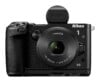
Nikon have made some big changes to their flagship compact system camera, which is now seemingly targeted at more casual consumers, rather than the keen enthusiast that the previous V2 specifically catered for.

Nikon have made some big changes to their flagship compact system camera, which is now seemingly targeted at more casual consumers, rather than the keen enthusiast that the previous V2 specifically catered for.
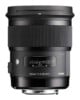
The Sigma 50mm F1.4 DG HSM is a fast and tack-sharp lens, both in the centre and at the edges of the frame, with virutally no evidence of chromatic aberrations and very little distortion.
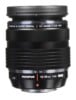
The Olympus M.ZUIKO Digital 12-40mm f/2.8 Pro is the perfect partner to the OM-D E-M1, forming a fast, well-built, weather-proof system that delivers excellent image quality.
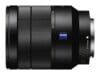
The Carl Zeiss Vario Tessar T FE 24-70mm F4 ZA OSS is a good premium standard zoom lens for Sony A7/A7/A7S owners, but it's not quite the stellar performer that we expected given its high price-tag, large size and f/4 maximum aperture.
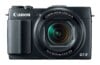
[T]he Canon PowerShot G1 X Mark II is a smaller, lighter and more full-featured update of the original G1 X camera [...] with the faster, longer lens, improved AF system, wi-fi/NFC connectivity and dual lens control rings in particular making the upgrade worthwhile.
Designed to appeal to both photographers and videographers, the new Panasonic Lumix DMC-GH4 is a veritable tour-de-force, offering excellent stills and outstanding video quality in a small, compact package at a very attractive price.
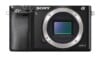
The Sony A6000 is a full-featured, responsive compact system camera that delivers excellent images in a variety of situations, all at a very competitive price that significantly undercuts its main rivals.
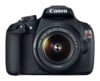
[T]he EOS 1200D / Rebel T5 does offer a lot of what its beginner target audience actually needs at a very attractive price-point.
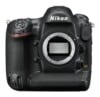
The Nikon D4s is an evolutionary, rather than revolutionary, update of the two-year-old D4 camera, adding a raft of relatively minor improvements that add up to make the D4s a slightly better camera than its already well-appointed predecessor.
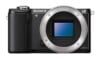
The new Sony A5000 is a rather modest refresh of last year's NEX-3N cameras, ditching the NEX branding, upgrading the image sensor and processor, and adding wi-fi and NFC connectivity, a better handgrip and the more intuitive Alpha menu system.
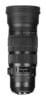
We can strongly recommend the new Sigma 120-300mm F2.8 DG OS HSM S as a fast telelphoto zoom lens that delivers excellent results on the latest full-frame DSLRs.
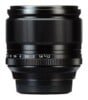
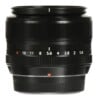
[T]he Fujifilm XF 56mm F1.2 R is something of a considered purchase, but we found it to be a very adaptable lens that can be used for a lot more things than just portraiture, helping to justify the cost.
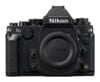
The Nikon Df is either a brave attempt to offer a simplified, back-to-basics photography tool, or a cynical attempt to cash-in on the current trend of retro-inspired products - only you can decide.
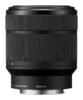
The Sony FE 28-70mm F3.5-5.6 OSS is a very competent, if unspectacular, standard zoom lens for the Sony A7R/A7 full-frame compact system cameras.
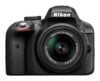
Otherwise we can continue to highly recommend the new Nikon D3300 as a great camera for beginners who want a little more oomph from their DLSR, and who are prepared to spend a little extra to get it.
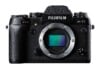
The new Fujifilm X-T1 is the best X-series camera to date, and one of the best interchangeable lens cameras, mirrorless or otherwise, that we've ever had the pleasure of reviewing.
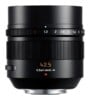
The Panasonic Leica DG Nocticron 42.5mm F1.2 ASPH is an outstanding short telephoto lens that currently offers one of the fastest maximum apertures of any Micro Four Thirds lens.
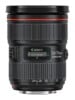
The Canon EF 24-70mm f/2.8L II USM delivers the best image quality of any Canon standard zoom lens, but it's also an incredibly pricey standard zoom lens too.
It [...] suffers from relatively slow auto-focus speeds when compared to its stable-mates, especially in low-light.
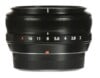
Competitively priced at £429.99 / $599.99, we'd definitely recommend the Fujifilm XF 35mm F1.4 R as a must-have lens for all Fujifilm X-mount users.
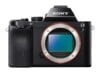
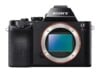
In terms of operational speed and all-round performance, the A7 delivers on most counts. Shutter lag is only notable by its apparent absence, and image processing times are slightly faster than the A7R thanks to the smaller Raw files that the A7 produces.
The Sony A7R is the most revolutionary camera of 2013, bringing 35mm full-frame, interchangeable lens shooting to the masses both in terms of cost and size.
The 16 megapixel Micro Four Thirds format Panasonic Lumix DMC-GM1, its maker's smallest CSC ever, provides proof that good things really can occasionally come in small packages – in this instance a body the size of a pack of playing cards.
The Pentax K-3 is the most full-featured prosumer DSLR camera on the market, but not only that, it also delivers great performance, weather-resistant build quality, slick handling and excellent image quality too.