Caira Is Jumping on the Vibe-Coded Camera Train
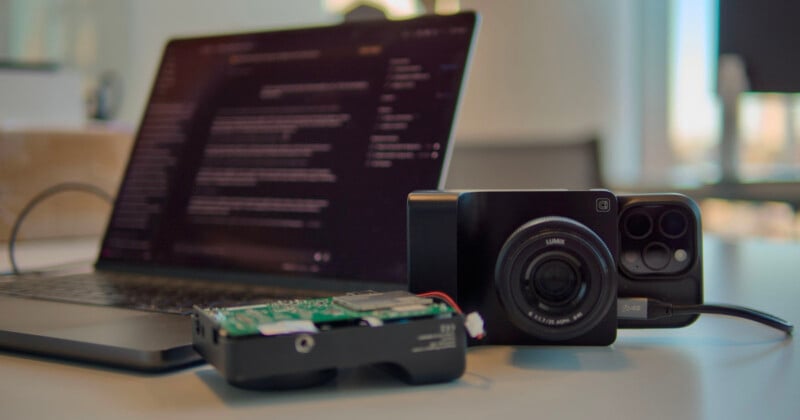
Camera Intelligence, the company behind the controversial Caira camera, is leaning into the current trend of vibe-coded camera hacks by making it a dedicated feature of its smartphone-mounted Micro Four Thirds camera system.
To call the Caira controversial is not a hot take: it’s one of the few cameras on PixelMeter that have an equal number of recommended, mixed, and panned reviews. The experience is highly subjective.
“I’ll give the Caira this: No one else is really making anything like it,” Chris Niccolls wrote in his review from earlier this year.
“I’m left with a concern about who would actually enjoy using the Caira camera. Advanced photographers will not enjoy the problematic handling, the generative AI features, and the fiddly control scheme, but this camera was never intended for them anyway. I worry that casual crowds will not appreciate the benefits of buying, carrying, and learning about interchangeable lenses, and see much benefit in the purchase of this product over their smartphones. Content creators might want to dabble with the different optics and some manual controls, plus they will find the separate functionality of the phone apart from the camera useful, but they generally already have DJI Pocket Osmo or Sony ZV cameras with mobile apps.”
From its inception, the Caira camera has been cozy with AI. In fact, it was one of the most panned features of the camera when it was in beta — Google’s Nano Banana image generator was built directly into the system, allowing users to generatively edit photos directly in the camera. Before the camera launched, Camera Intelligence reined in the capabilities of the system in response to the blowback.
“When we first announced the generative editing feature in October, it was an extremely raw, early, novel, and nebulous concept. We were not expecting to get everything perfectly right. But, it was being considered from a point of view that many people outside the camera industry find it challenging and overwhelming to navigate and maximize the benefits of editing tools like Lightroom and Photoshop,” Camera Intelligence’s CEO, Vishal Kumar, told PetaPixel.
While AI was significantly pulled back, it’s clear that Camera Intelligence’s goals for Caira are heavily influenced by it. That is reinforced today as the company is fully embracing vibe-coding camera hacks, a trend that has gotten very popular over the last couple of months. Think Magic Lantern, but for any camera and at the whim of the photographer.
“Something big is happening in the camera industry right now. Photographers are using AI tools like Claude Code and ChatGPT to hack their own cameras and add features the manufacturer never shipped. Many people are vibe coding these modifications without permission or a safety net, and some are bricking expensive cameras in the process,” Kumar says.
“At Camera Intelligence, we’ve been waiting for a moment like this and want to embrace and encourage this development. We’ve always had ambitions to provide access to our operating system that runs on the Caira (did you know that ‘Caira”‘ stands for ‘computational artificial intelligence camera’?). We’re opening up Caira, our Micro Four Thirds camera that attaches to an iPhone, through our new ‘Creative Sandbox’. It’s a new, safe development environment inside Camera Intelligence OS where our users can build their own features for the camera using their own AI coding tools.”
It’s hard to tell if this was something Camera Intelligence always envisioned as a possibility or if it’s just an example of the company jumping on the latest trend, but it is taking the capability seriously. It is hosting a Holiday Camera Hack in its London office in December, which is a one-day hackathon for up to 20 photographers, video creators, and engineers. Applications for that are open.
Image creditsCamera Intelligence
Affiliate Disclosure PetaPixel articles may include affiliate links; we may earn a commission if you buy through one.