Wandrd Magnetic Camera Straps Review: A Substantive Reinvention of the Humble Camera Strap?
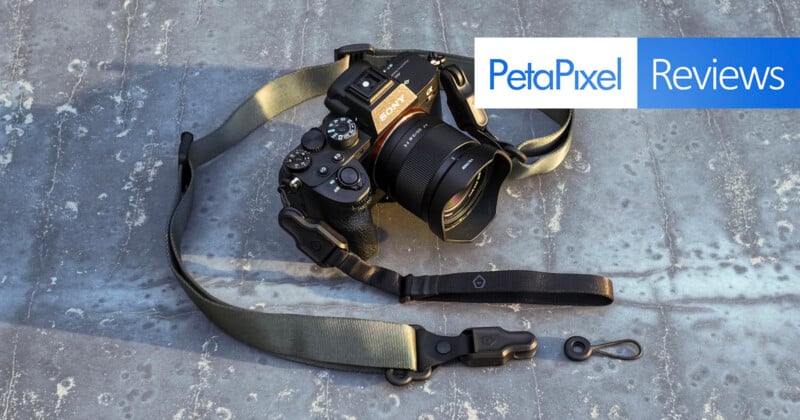
Camera straps are one of those accessories that don’t always get much attention until something about them becomes inconvenient. Switching between straps, dealing with attachment hardware, or having buckles knock against camera equipment can all become minor annoyances over time. Wandrd’s new Magnetic Camera Strap System takes a different approach, using magnetic alignment and a mechanical locking mechanism to make connecting and removing a camera quicker.
The straps are solid, the hardware has some thoughtful design touches, and the magnetic release mechanism is genuinely enjoyable to use.
Pros
- Quick magnetic alignment and secure locking mechanism
- Non-metal hardware that won't clang against or potentially scratch equipment
- Easy switching between neck and crossbody carrying styles
- Modular system compatible with additional Wandrd straps and accessories
- DIY kit offers compatibility with select third-party straps
Cons
- Some photographers may prefer to avoid magnetic hardware near their electronics
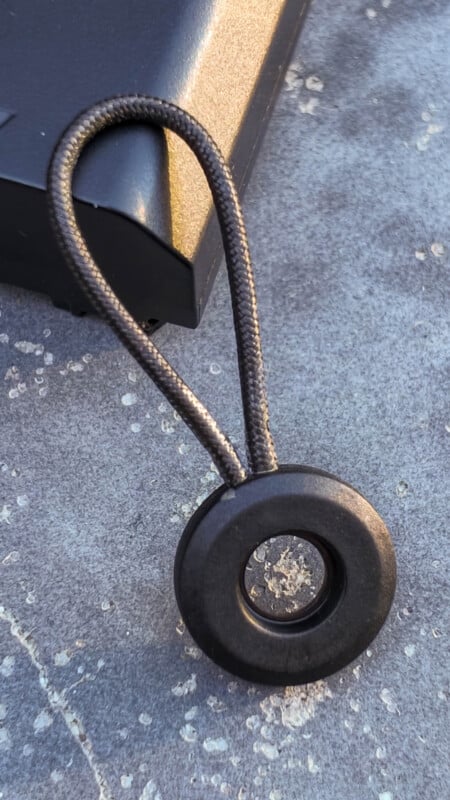
- Requires compatible Torus Links and connectors (don't lose them)
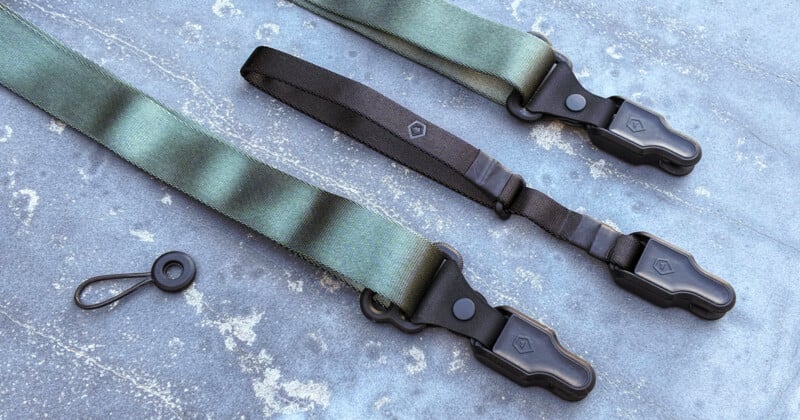
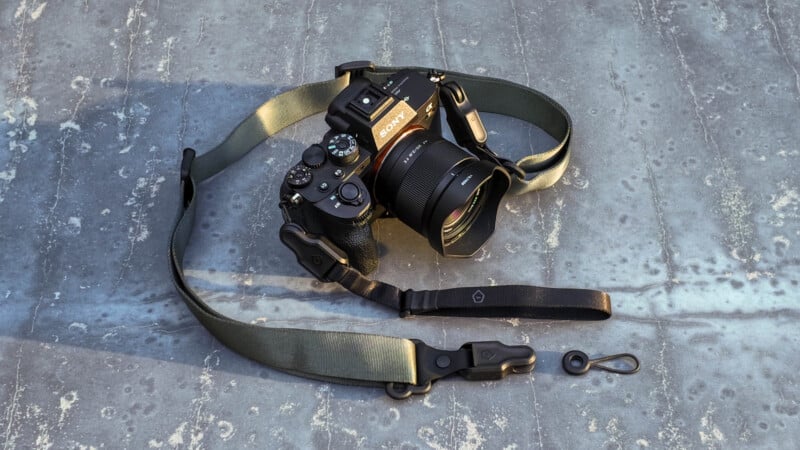
Wandrd sent over the 30mm Magnetic Camera Strap in Wasatch Green and the Magnetic Wrist Strap in Black to try out the new system. Both offer a familiar approach to carrying a camera, but the redesigned connection hardware adds an interesting twist. After spending some time with them, there are a few details that stand out, particularly the tactile release mechanism and some of the smaller design choices that make the straps pleasant to use.
A Different Take on Camera Strap Hardware
The straps feel solid and well-constructed, with a straightforward design that doesn’t stray far from what you’d expect from a camera strap. The biggest difference is the Magnetic CoreLock system, which replaces more traditional attachment hardware with a magnetic quick-connect mechanism.
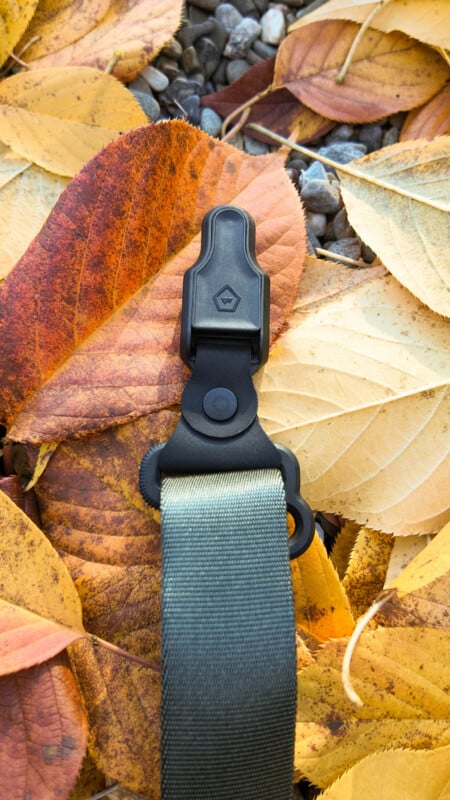
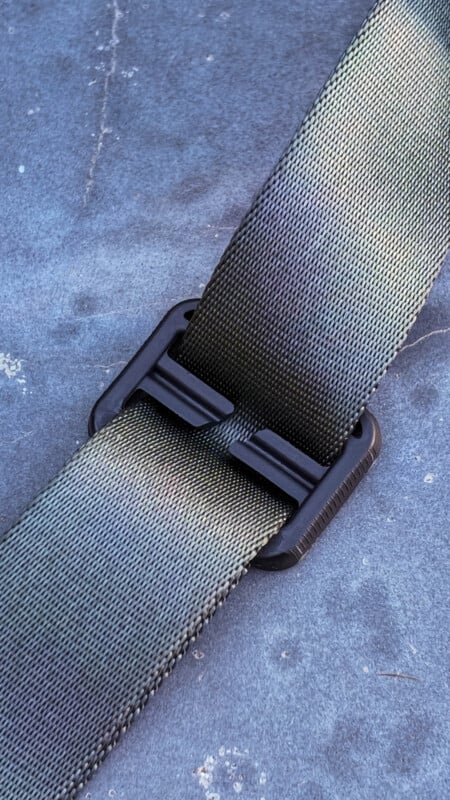
One detail I particularly appreciate is the use of plastic hardware rather than metal buckles. When packing away a camera or storing the strap, there is no metal clanging against the camera body or other equipment. It is a small consideration, but it makes sense for photographers who regularly pack gear into camera bags or carry multiple accessories.
On the 30mm version, the faux leather material is used specifically where the nylon webbing meets the magnetic release hardware. It has a subtle texture that feels smooth to the touch but still offers some grip. Rather than covering large sections of the strap, the material is limited to the transition area around the connector, adding contrast to the otherwise nylon construction.
The Magnetic CoreLock Is the Main Attraction
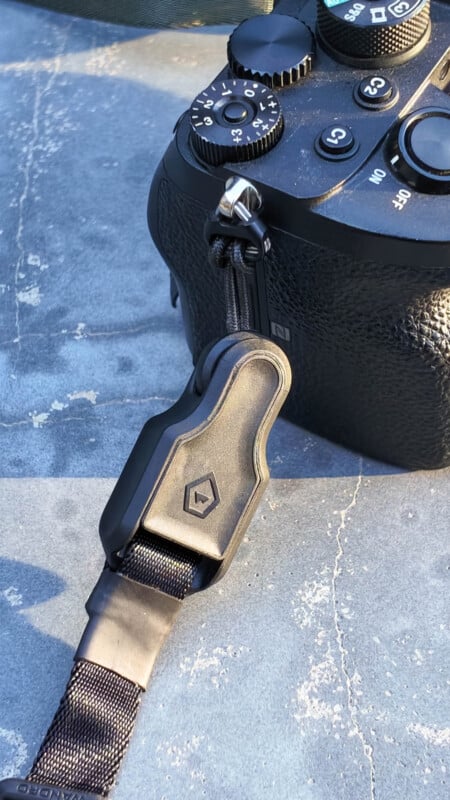
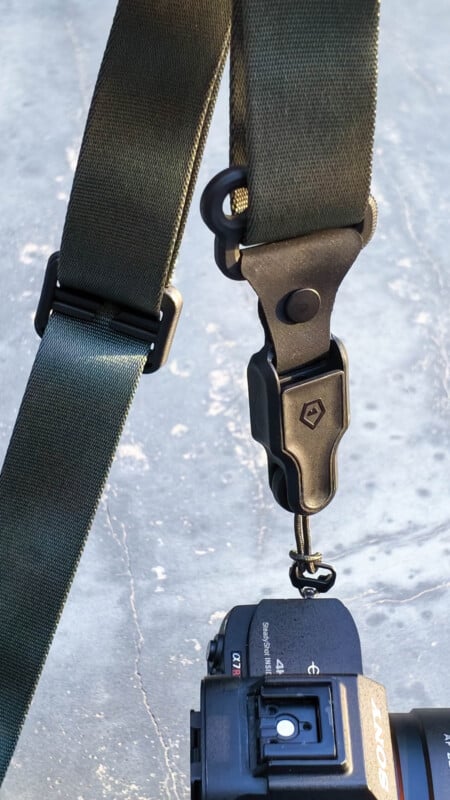
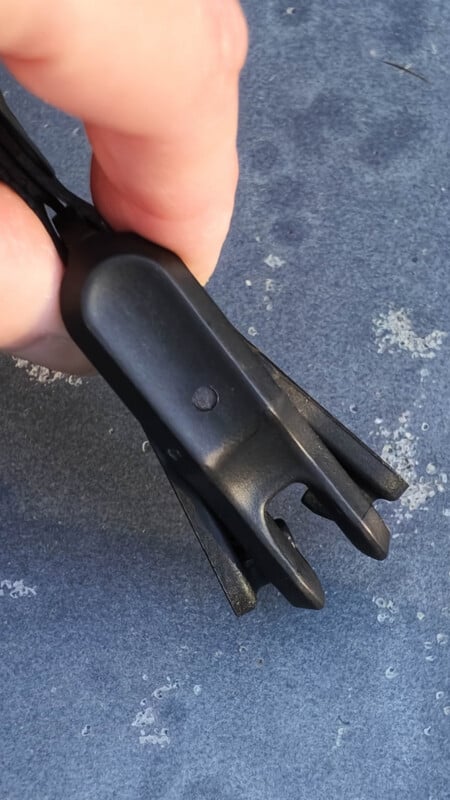
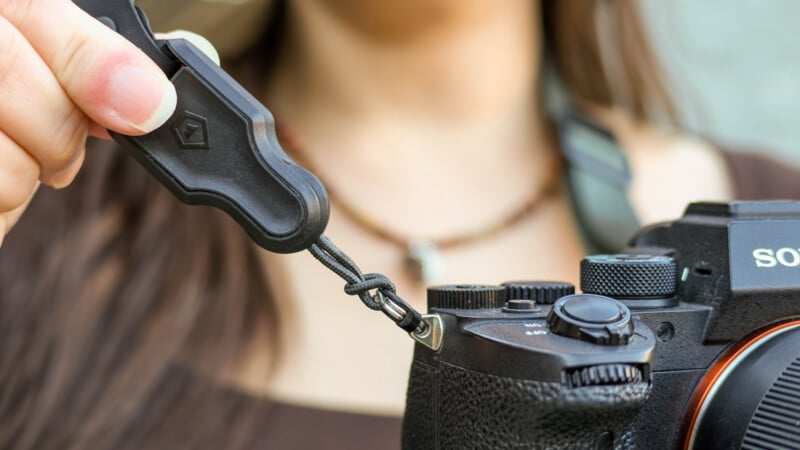
The most interesting part of the system is undoubtedly the Magnetic CoreLock. Instead of threading or clipping a traditional strap attachment into place, the connector uses an internal magnet to guide the Torus Link into position. Once aligned, the spring-loaded locking mechanism engages, securing the connection under tension.
Releasing it requires pinching both sides of the connector. The action works just as Wandrd demonstrates, and it quickly becomes intuitive. The mechanism is particularly satisfying, to the point that I occasionally play with it like a fidget toy while hiking. It is a small thing, but the tactile action makes the system enjoyable to use beyond its intended purpose.
The combination of magnetic alignment and mechanical locking is also an interesting design choice. The magnet helps guide the connection, while the physical locking mechanism keeps everything secure. It is a more thoughtful approach than simply relying on magnets to hold a camera in place.
Wandrd Magnetic Camera Strap 30mm
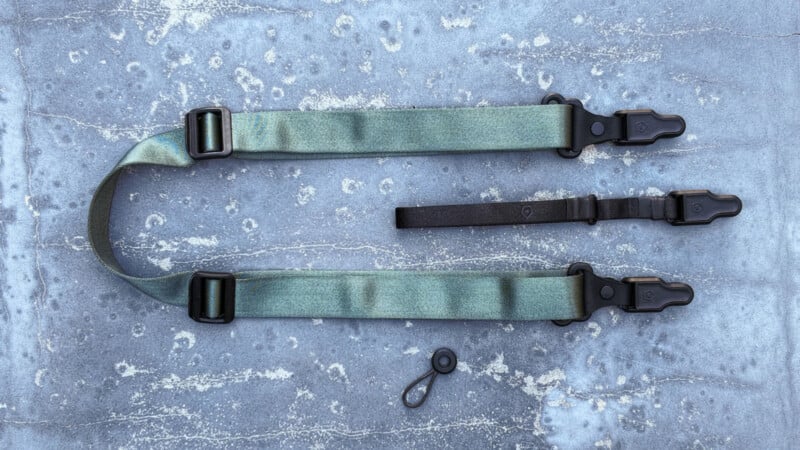
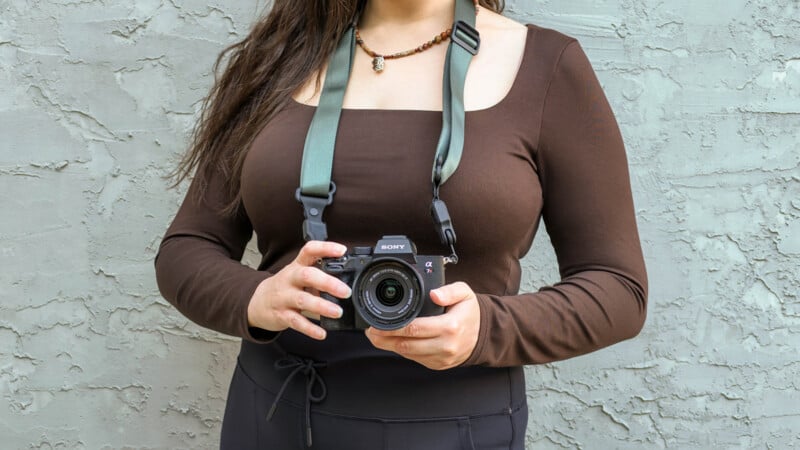
The 30mm Magnetic Camera Strap is the wider of the two neck strap options and is designed for photographers carrying larger camera setups. The Wasatch Green color adds some personality without being overly flashy, and the wider nylon webbing gives it a substantial feel.
The strap keeps a familiar design, with the magnetic connection hardware as the main departure from conventional camera straps. Its 30mm width makes it the more substantial option in the collection, particularly for photographers who prefer a wider strap when carrying their equipment.
Both neck strap models share one useful feature: integrated on-body storage. This lets the strap clip to itself when it is not attached to a camera, giving photographers a way to keep it secure rather than leaving loose strap ends hanging around while shooting.
Wandrd Magnetic Wrist Strap
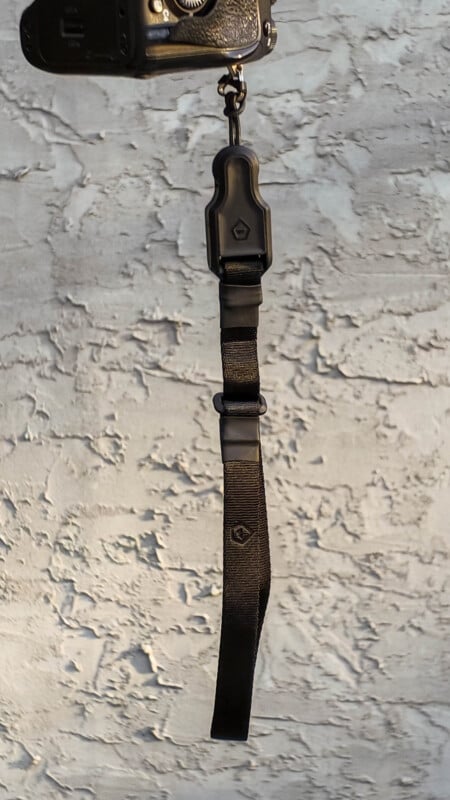
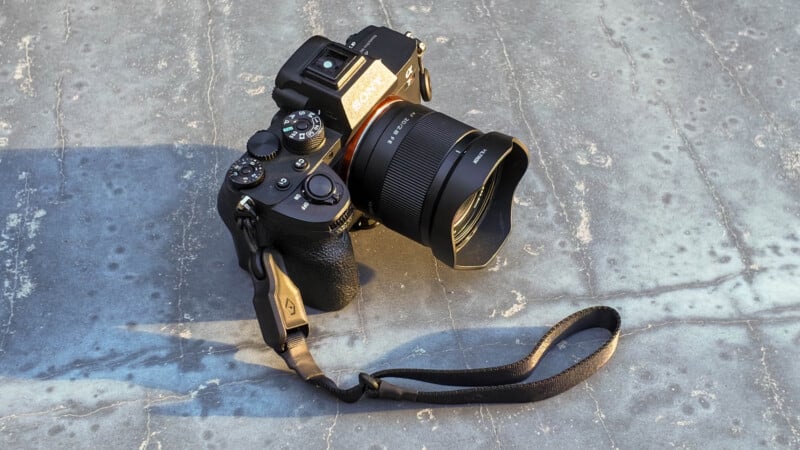
The Magnetic Wrist Strap uses the same connection concept in a more compact form. The black version has a minimalist appearance, with the same quick-connect hardware used throughout the collection.
Wrist straps can be useful when working handheld, especially when you want to keep a camera readily accessible without wearing a full neck strap. The same magnetic attachment system means photographers can switch between the wrist strap and neck strap without an entirely different connection setup.
This is also where the collection’s modular nature becomes more interesting. Rather than treating each strap as an independent accessory, Wandrd has created a shared attachment system that allows different carrying options to work together.
A System With Room to Grow
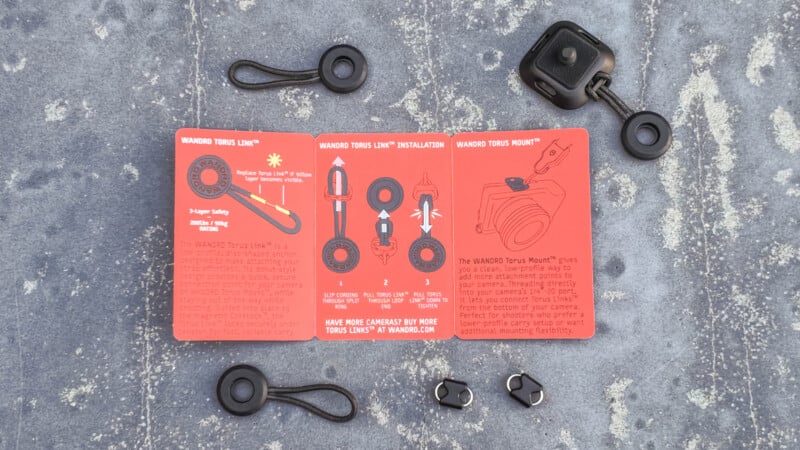
One of the more interesting aspects of Wandrd’s approach is that the system isn’t limited to its own straps. The company also offers a DIY Magnetic Kit intended to adapt compatible existing camera straps to the Magnetic CoreLock hardware. Additional Torus Links are available separately, allowing photographers to outfit multiple camera bodies with their own connection points.
For photographers who regularly switch between cameras, this could be a convenient way to keep one strap compatible with several bodies. It also opens the door to using different carrying styles depending on the type of photography being done.
Overall, I like what Wandrd has put together. The straps are solid, the hardware has some thoughtful design touches, and the magnetic release mechanism is genuinely enjoyable to use. It is a neat system that offers a different approach to a familiar camera accessory, and I’m interested to see whether Wandrd develops the concept further and what other applications it might find for the technology.
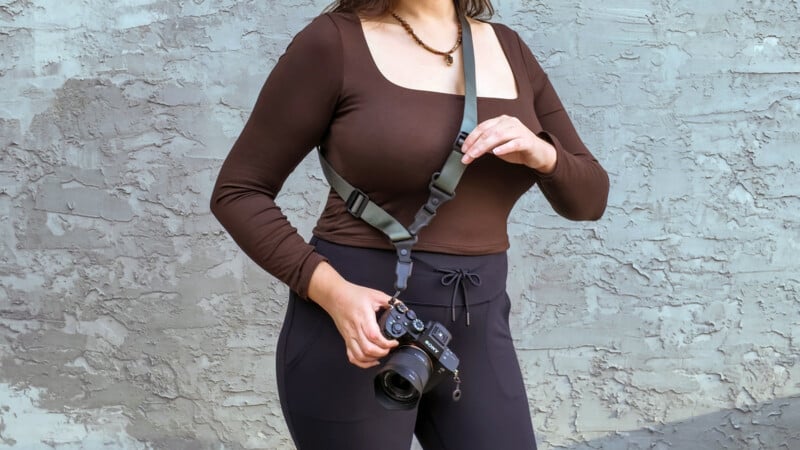
As a woman who spends a lot of time hiking with a camera, I find carrying it this way considerably more comfortable than having it hang around my neck. Being able to switch between a traditional neck strap and a sling-style carry with little effort is a meaningful advantage for how I work outdoors.
That flexibility is what ultimately makes the system stand out to me. A camera strap might seem like a relatively simple accessory, but how it carries and moves with you can make a noticeable difference over a long day of shooting. The Wandrd system makes changing how I carry my camera straightforward, and the quick-release hardware adds another layer of convenience.
Peak Design remains a strong alternative, and photographers who prefer to avoid magnetic hardware may be more comfortable with its approach. But for my own use, Wandrd has taken the lead. I like the overall design, appreciate the smaller details, and find the ability to move between neck and crossbody carrying especially useful.
I’m looking forward to seeing what else Wandrd does with this system and whether the concept expands into other camera accessories.
Are There Alternatives?
Wandrd isn’t the first company to rethink how photographers attach and remove camera straps. Peak Design has built a popular lineup around its Anchor Link quick-connect system, and having used straps from both companies, I think they are both great options. They approach the same everyday problem differently, though, and a few details could make one more appealing than the other depending on personal preference.
One thing I have never particularly liked about the Peak Design hardware is its metal components. The metal buckle and adjustment hardware can knock against other equipment and potentially scratch camera surfaces if they come into contact. I’ve also had the hardware catch in my hair when I wear it down, which is surprisingly irritating when carrying a camera for extended periods. These aren’t dealbreakers, but they are small inconveniences I notice in regular use.
Wandrd avoids some of those issues by using plastic hardware for its CoreLock connector. There is no metal buckle clanging against equipment, and the overall connection feels more streamlined. However, the magnetic alignment introduces a different consideration. While the mechanical lock secures the camera, the system still uses magnets, and some photographers may prefer not to have magnets near their cameras or other electronics. That concern may not be an issue for everyone, but it is worth considering if you are uncomfortable with magnetic accessories.
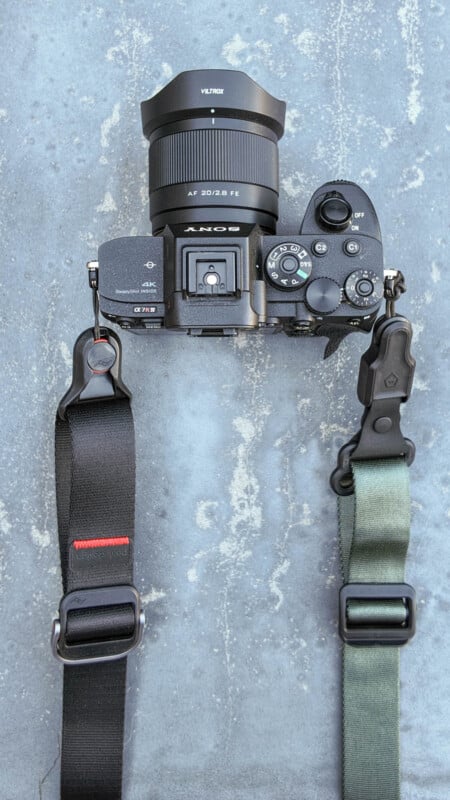
Another detail I noticed is the difference in the strap materials. Wandrd’s webbing feels softer and silkier, while Peak Design’s has a noticeably stiffer texture. I prefer the feel of Wandrd’s material against my neck, although the difference is subtle enough that I probably wouldn’t have noticed it without having both straps side by side.
Both systems are strong contenders, and which is best for you comes down to personal preference. Peak Design has an established, versatile attachment system, while Wandrd takes a different approach that I find particularly appealing in everyday use. The choice ultimately comes down to which hardware and carrying style you prefer.
Should You Buy It?
Yes. After spending more time with the Wandrd strap, it has become my preferred option among comparable camera straps, largely because of how easily I can wear it crossbody.
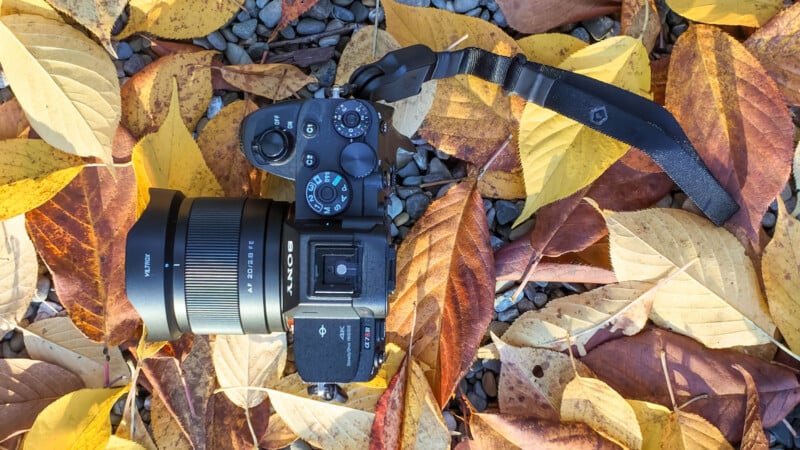
Image creditsPhotographs by Kate Garibaldi
Affiliate Disclosure PetaPixel articles may include affiliate links; we may earn a commission if you buy through one.