How Understanding Animal Behavior Transforms Your Wildlife Photography
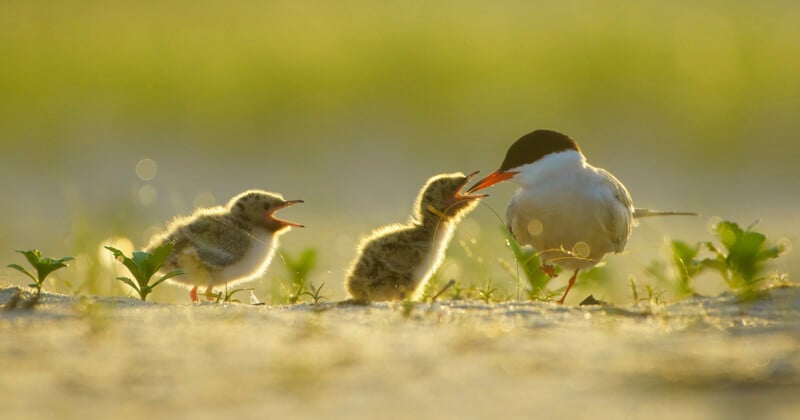
Wildlife photography is about more than finding an animal and capturing a sharp image. Understanding animal behavior helps photographers anticipate movement, recognize meaningful interactions, and capture moments that reveal more about a subject than its appearance alone—they tell a story.
Most of all, taking the time before you even pick up your camera to learn how to read body language and recognize behavioral patterns can make the difference between reacting to an action and being ready when it happens.
Why Behavior Matters in Wildlife Photography
A photograph can show an animal in beautiful detail, but behavior gives the image another layer of meaning and wow factor. The way an animal moves, feeds, communicates, interacts with others, or responds to its surroundings offers insight into its daily life. Capturing these moments helps tell a more complete story and gives viewers a better sense of the animal beyond its physical appearance.
Behavior also creates opportunities for more compelling compositions. An animal looking directly toward the camera can make an effective portrait, but a photograph of it displaying, feeding, preening, or interacting with another animal can communicate much more. These moments introduce action and context, giving the viewer something to interpret rather than simply observe.
Understanding behavior is particularly valuable because some of the most powerful wildlife photography sits at the intersection of storytelling and documentation of animals’ lives. Animals follow routines and respond to their surroundings according to instinct, environmental conditions, and social relationships. Photographers who recognize these patterns have a better chance of anticipating what might happen next and preparing to capture it.
Learning Through Watching and Observing
One of the best ways to become a more effective wildlife photographer is to spend time learning about the animals you want to photograph before heading into the field. Wildlife documentaries, online videos, books, scientific articles, and species-specific resources can all provide useful information about feeding habits, courtship, territorial displays, migration, nesting, and other behaviors. Watching footage can be especially helpful because it allows photographers to see how an animal moves and how one action often leads to another.
However, learning does not have to happen entirely through research. Spending time observing animals in person is just as important, particularly when you can return to the same location regularly. Birds are a common and effective starting point because they are found in a wide range of environments and display an extensive variety of behaviors. Even a local park can offer opportunities to learn how different species feed, interact, defend territory, and respond to people or other animals. To keep things simple, I will focus primarily on birds throughout this article, as their visibility and varied habits make them ideal subjects for study.
When first learning about wildlife photography and animal behavior, simply sitting on a park bench with a book while casually observing nearby birds can be a useful exercise. Watch how they move through their environment, how often they pause to look around, and what they do before taking flight. Notice how their behavior changes when another bird approaches or when people move nearby. With repeated observation, familiar actions become easier to recognize, and you begin to notice patterns that might otherwise go overlooked.
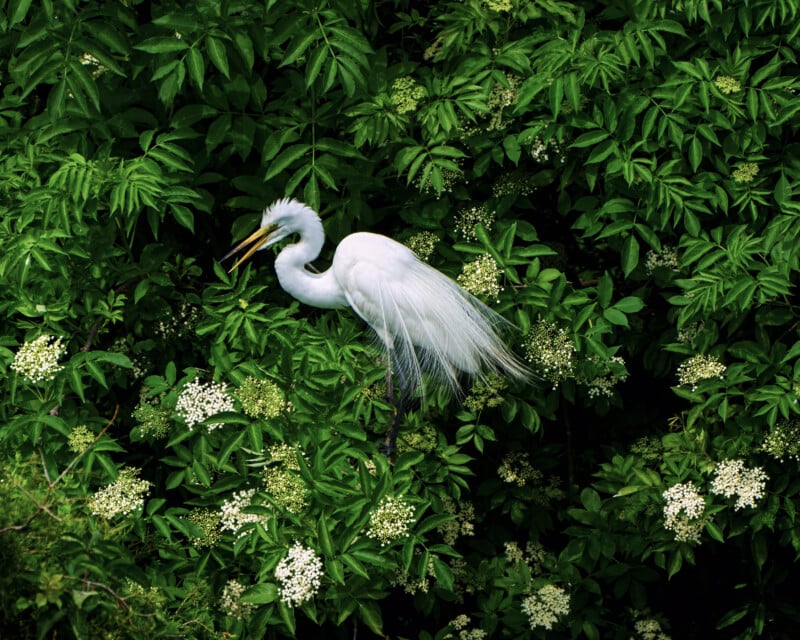
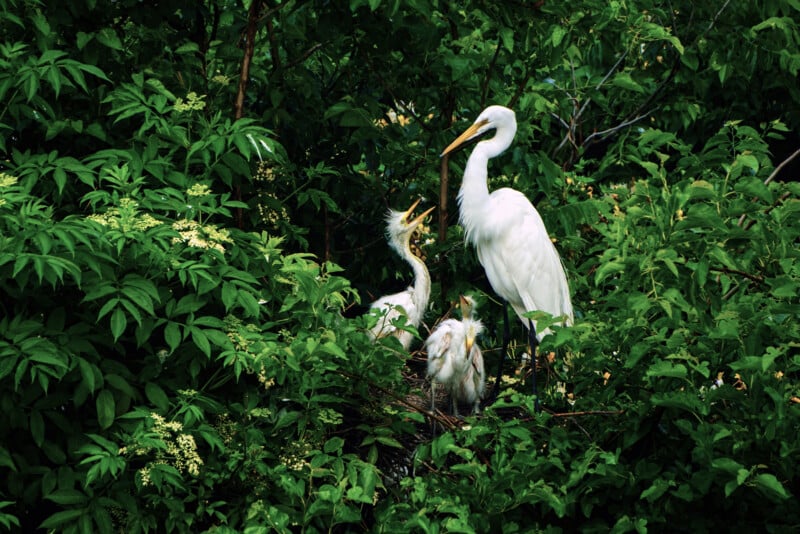
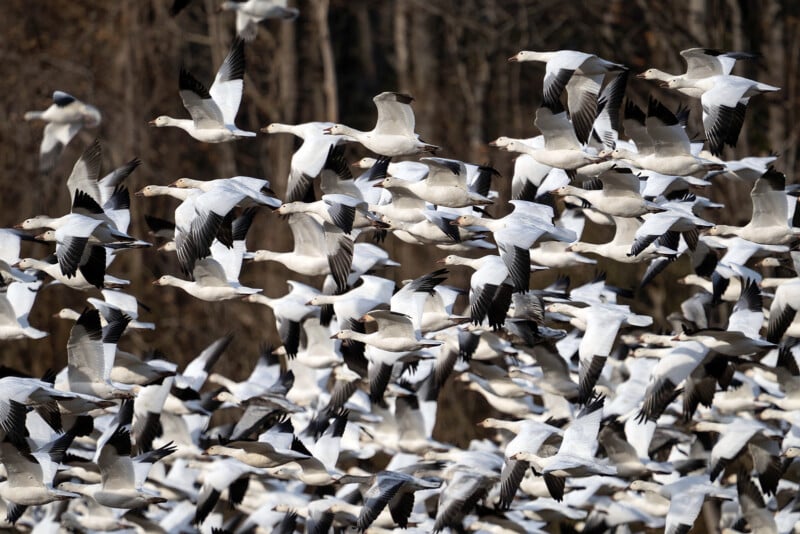
Locations where large numbers of birds gather can be particularly valuable places to practice. For me, rookeries along the New Jersey shore provide opportunities to observe nesting activity, courtship, feeding, and interactions among birds. During winter, the gathering of bald eagles around Conowingo Dam in Maryland offers a chance to watch feeding behavior, competition, and interactions around fish. Areas of open water that attract wintering ducks and geese, including snow geese, are also useful observation sites. When many birds gather in one location, photographers can watch different behaviors happening simultaneously and compare how individual species respond to one another.
To find wildlife hotspots near you, research is key. Look up local Audubon chapters, birding groups, and guided trips—whether on social media or through organized photo walks at nature centers. These communities can be a great source of camaraderie, education, and field assistance.
The goal at these hotspots should be to observe just as much as to photograph. Rather than immediately concentrating on getting a particular image, spend time watching the birds and learning what is happening around you. Notice where they tend to gather, when activity increases, and how they respond to changes in their surroundings. Most of all, returning to the same location can reveal patterns that are difficult to recognize during a single visit.
Recognizing Body Language and Behavioral Cues
Animals communicate through more than vocalizations. Posture, movement, positioning, and subtle changes in appearance can all provide clues about what an animal is doing or how it is responding to something nearby. Learning to recognize these signals helps photographers distinguish ordinary activity from moments that may lead to an interesting interaction or display.
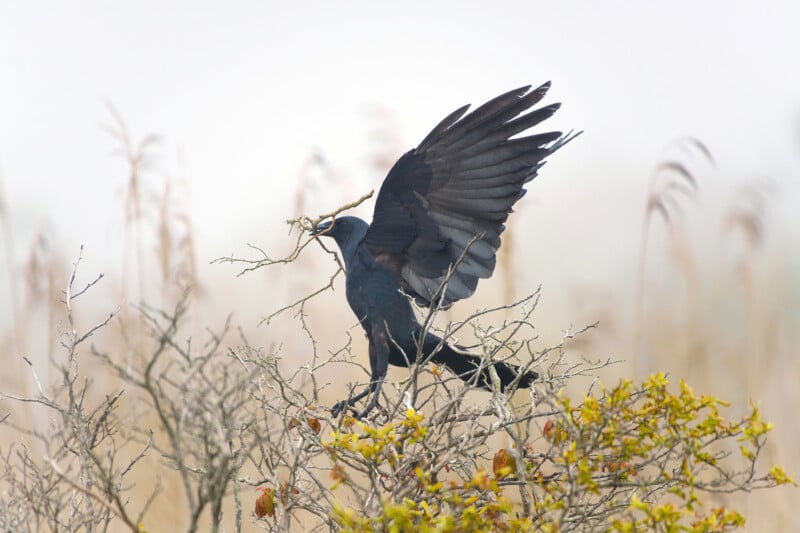
Birds provide many visible examples. Changes in posture, feather position, head movements, and wing displays can indicate courtship, aggression, alertness, or preparation for flight. A bird that repeatedly looks in one direction may be responding to another animal or monitoring a potential threat. A change in stance or a sudden pause can also signal that its attention has shifted.
Recognizing these signals also gives photographers time to prepare their camera settings. If a bird begins shifting its weight, lowering its body, or opening its wings before taking flight, it may be time to increase the shutter speed and switch to a continuous autofocus mode if you are not already using one. If two birds begin displaying toward each other, consider widening the composition and checking that your shutter speed is fast enough to freeze sudden movement. Small adjustments made before the action begins can make a significant difference.
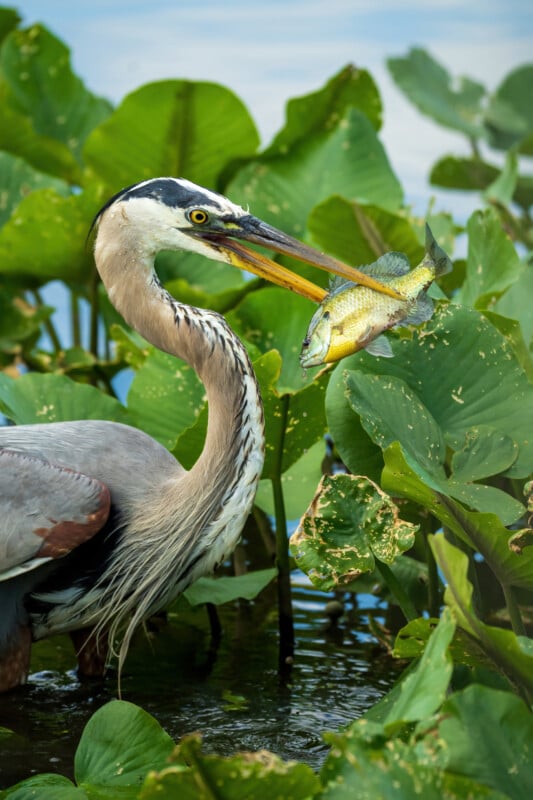
Hunting herons and egrets are great subjects to practice on, as they methodically scour shallow water to snatch up prey. This predictable, repetitive behavior gives you time to observe, learn, and test your own “hunting” skills.


Anticipating Behavior and Preparing for the Moment
Once photographers become familiar with an animal’s routines, they can begin anticipating what it may do next. Many wildlife behaviors follow recognizable sequences, even though the exact timing can vary. An animal may pause before moving, shift its posture before taking flight, or display a series of movements before interacting with another individual. Recognizing these patterns creates opportunities to prepare for the photograph rather than simply reacting after the action begins.
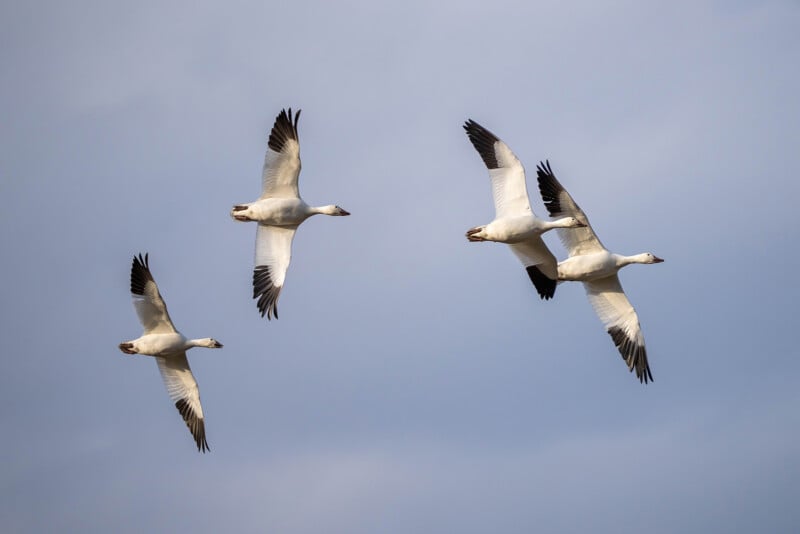
Camera settings should reflect the behavior you expect to photograph. For a stationary bird or mammal, a shutter speed around 1/500 second is often a useful starting point, although the appropriate speed depends on the focal length, subject movement, and camera stability. For walking animals or birds that are moving more quickly, 1/1000 second can provide a better chance of freezing motion. Takeoff, flight, running, and fast interactions may require 1/2000 second or faster, particularly when you want to preserve detail in wings or other rapidly moving parts.


For example, when photographing eagles gathering around a feeding area, a bird preening on a branch may be relatively easy to capture at 1/1000 second. However, if you are anticipating a takeoff or an interaction over a fish, increasing the shutter speed to 1/2000 or 1/3200 second can help freeze the action. Birds in flight against a relatively clear background may also be easier to track with continuous autofocus and subject recognition enabled, depending on the camera system.
Aperture is another important consideration. When photographing a single animal, a wide aperture such as f/4 or f/5.6 can help separate the subject from a distracting background while allowing more light to reach the sensor. However, when photographing two animals interacting, a slightly narrower aperture may provide enough depth of field to keep both subjects sharp, particularly if they are not positioned on the same focal plane. The trade-off is that a smaller aperture may require a higher ISO or slower shutter speed.
Auto ISO can be useful when photographing unpredictable behavior. Setting a minimum shutter speed and allowing the camera to adjust ISO as light changes can help maintain the speed needed to freeze movement. In rapidly changing conditions, this can be more practical than trying to adjust exposure manually while following an animal. It is still worth keeping an eye on the ISO, especially in low light, to avoid introducing more noise than necessary.
Another useful option is to configure a custom camera button or shooting mode for unexpected action. I set up what I call an “oh heck” setting, which switches my camera to its widest available aperture, a shutter speed of 1/2000 second, continuous autofocus, and burst shooting. When an animal suddenly takes off, starts fighting, or begins an interaction, I can press one button and have the camera ready for action without having to change several settings while the moment is unfolding. Many cameras offer customizable buttons or saved shooting modes that can be configured in a similar way. The exact settings can be adjusted to suit your camera, the subjects you photograph, and the conditions you typically work in, but having a ready-to-go action setup can make a real difference when something happens without warning.
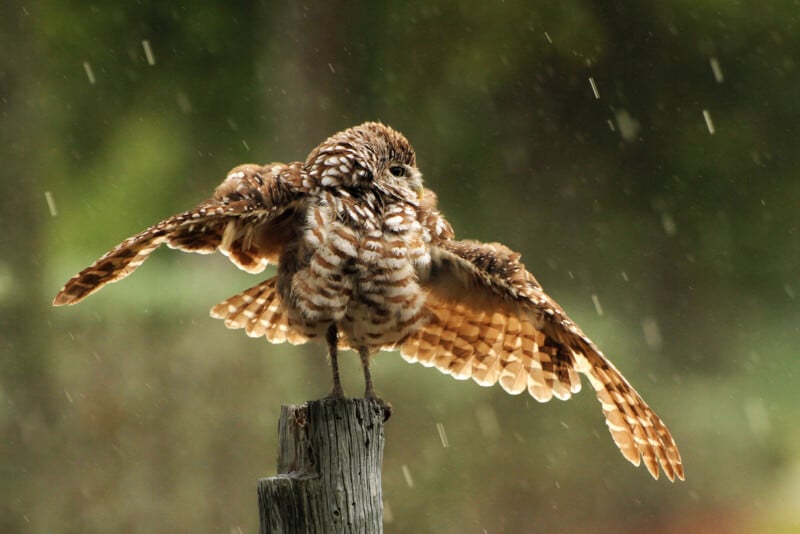
Autofocus settings should also reflect the situation. Continuous autofocus, often called AF-C or AI Servo depending on the camera manufacturer, is generally the better choice when an animal is moving or likely to move. Animal subject detection can help maintain focus as the subject changes position, while a suitable tracking area gives the camera enough flexibility to follow its movement. For a stationary animal, a smaller focus area may offer more precise control, especially when branches, reeds, or other foreground elements could interfere with subject detection.
Composition needs to account for movement as well. If you expect an animal to take off, leave room in front of it rather than placing it tightly against the edge of the frame. When photographing feeding or social interactions, a slightly wider composition can preserve the surrounding context and keep important parts of the action from being cropped out. You can always refine the composition later, provided the original file retains enough resolution.
Anticipation also requires flexibility. Wildlife does not always follow predictable patterns, and an animal may change direction or abandon an activity without warning. Avoid becoming so committed to one expected moment that you miss something else happening nearby. Keep observing the entire scene, even when you are focused on a particular subject.
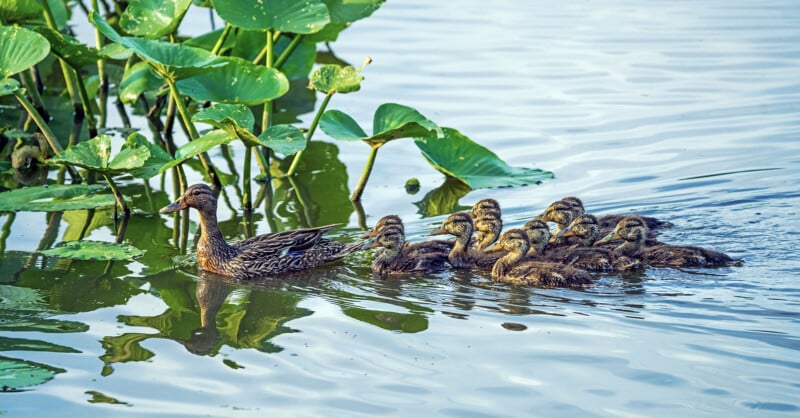
Photographing Social Interactions
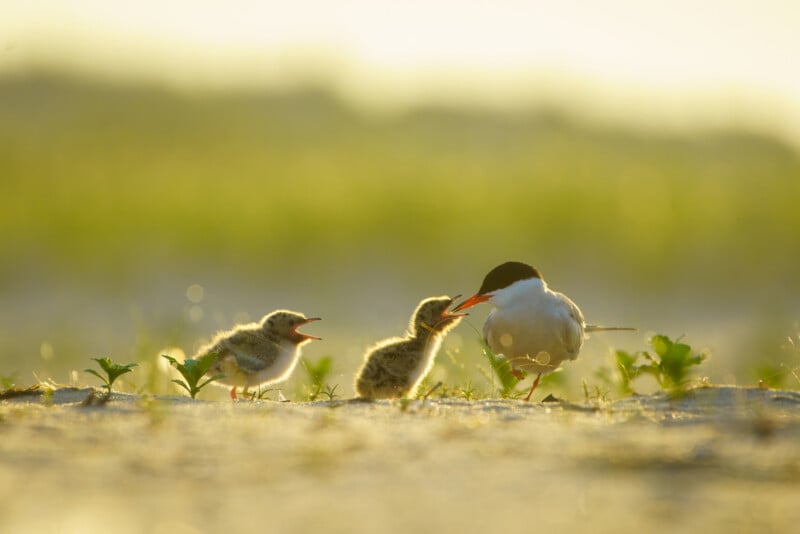
Some of the most engaging wildlife photographs involve more than one animal. Social interactions can reveal communication, cooperation, competition, courtship, and relationships between parents and young. These moments often provide a stronger sense of the animals’ lives than an isolated portrait because the photograph captures a relationship or exchange.
Photographing interactions requires paying attention to more than one subject. Watch how animals position themselves in relation to each other, how they respond to movement, and whether an encounter is developing into a larger display. The most meaningful part of an interaction may happen quickly, so it helps to anticipate the sequence rather than concentrate exclusively on a single frame.


Camera settings can become more challenging when multiple animals are involved. If two birds are interacting at close range, a shutter speed of 1/1600 to 1/2500 second can help freeze sudden movements, while an aperture around f/5.6 or f/8 may provide more depth of field than shooting wide open. The exact combination depends on the available light and how far apart the subjects are. If one animal is closer to the camera than the other, even f/8 may not provide enough depth of field to keep both sharp, so consider your shooting angle and focus placement as well.
Autofocus can also be less predictable when animals overlap or move across one another. A camera may switch focus between subjects, particularly when they are close together. If subject detection struggles, adjusting the autofocus area or using a more controlled tracking zone can help. Keeping a little extra room around the interaction also gives you flexibility if the animals move unexpectedly.
It is worth watching what happens after an apparent interaction ends. Animals may continue communicating, move together, or return to a familiar routine. Staying attentive beyond the most obvious action can lead to photographs that reveal more about the relationship between the subjects.


Recognizing Species-Specific Routines
Knowing what is typical for a species helps photographers recognize when something worth capturing is about to happen. Familiarity with everyday routines makes changes in activity easier to notice, whether that means an interaction, a shift to feeding behavior, or a response to changing environmental conditions. Learning about the species and observing it over time provides a more reliable basis for understanding what is happening.
One example that I often use in my work is that ducks preening in the water often dunk their heads, shake, and then flap their wings to dry off. Knowing this sequence allows me to capture a signature “angel wing” pose time and time again across various species.
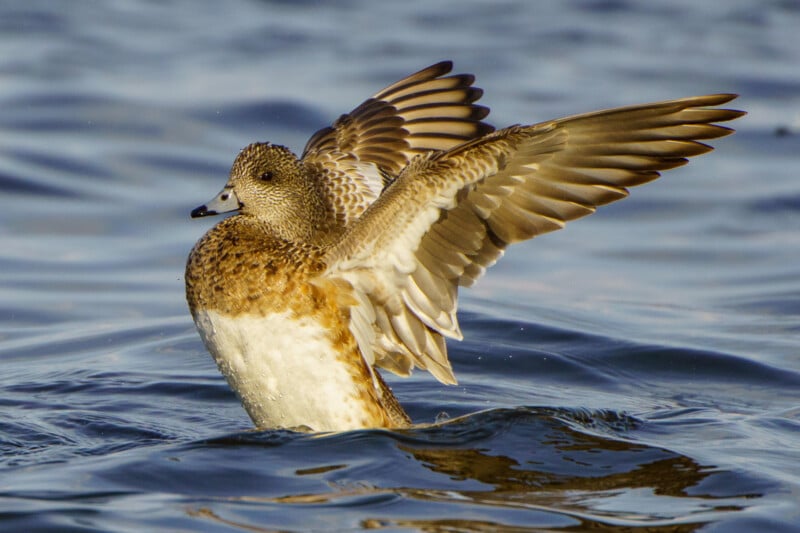
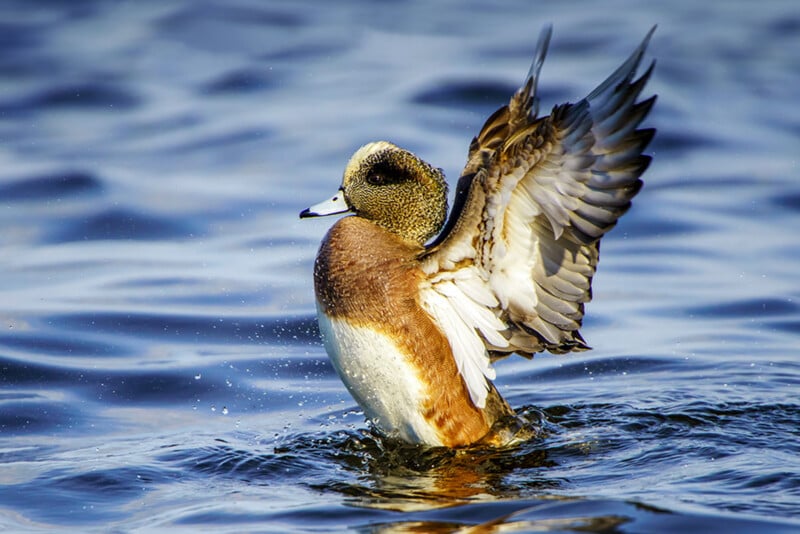
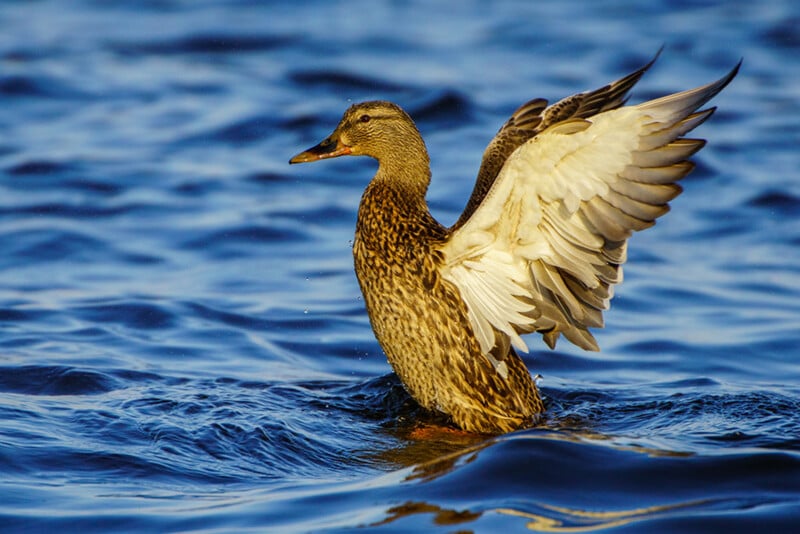
Patience, Repetition, and Ethical Wildlife Photography
Developing an understanding of wildlife behavior takes time. A single outing may provide a few useful observations, but returning to the same locations allows photographers to build a more complete picture of an animal’s routines. Seasonal changes can also influence behavior, making familiar locations worth revisiting throughout the year.
Repeated observation helps photographers become more selective. Instead of photographing every movement, they begin to recognize which moments are likely to produce meaningful images. They may also become more familiar with the best times and locations for observing particular activities, making future outings more productive.
For example, while photographing screech owls, I have often found them resting in tree cavities during the day, but the real action and behavior of these nocturnal predators are best photographed at dusk.
Patience is an important part of this process. Not every visit will result in a memorable photograph, and some of the most useful outings may involve spending more time watching than shooting. That time is still valuable. It builds familiarity with the animals and makes it easier to recognize opportunities when they arise.
Above all, respect for wildlife should remain central to every outing. Maintain appropriate distances, follow local guidelines, and avoid disturbing animals around nesting, feeding, or resting areas. The objective is to document natural behavior, not change it.
Capturing More Than a Moment
Understanding wildlife behavior changes the way photographers approach their subjects. Instead of concentrating only on finding an animal and achieving a technically successful exposure, they begin paying attention to routines, body language, and the relationships between individuals and their surroundings.
The knowledge gained through research and repeated observation makes it easier to anticipate meaningful moments and prepare for them. Whether watching birds at a neighborhood park or spending time at a seasonal gathering, photographers can develop these skills without traveling far from home.
The strongest wildlife photographs go beyond showing what an animal looks like — they capture a glimpse of how it lives. By learning to read behavioral cues, anticipating action, and approaching every subject with patience and respect, photographers can turn fleeting encounters into compelling stories.
Image creditsPhotographs by Kate Garibaldi
Affiliate Disclosure PetaPixel articles may include affiliate links; we may earn a commission if you buy through one.