Documentary Uncovers Brave Photographer Who Died Protecting His Camera in Mount St. Helens Eruption
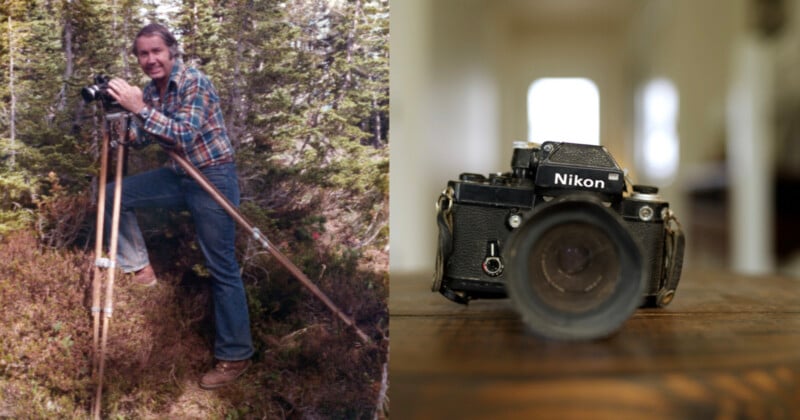
A documentary tells the story of Robert Landsburg, the photographer who died shielding his camera and film while capturing the 1980 eruption of Mount St. Helens, to make sure his final images survived.
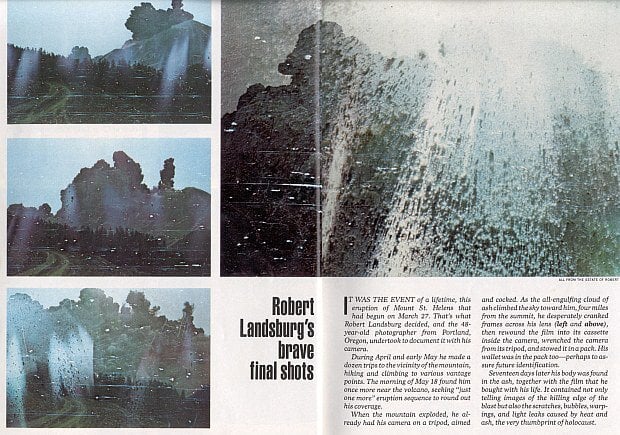
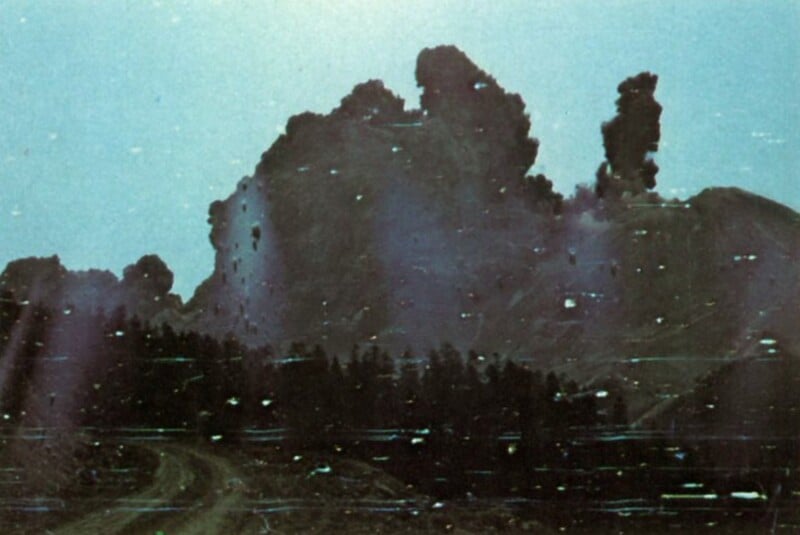
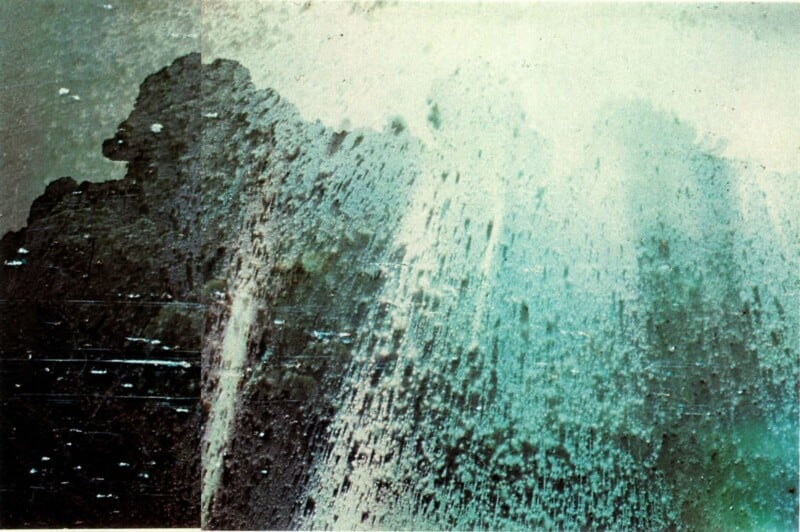
Landsburg had been documenting Mount St. Helens, an active volcano in Washington State, U.S., in the weeks leading up to its catastrophic eruption on May 18, 1980. Realizing he could not outrun the approaching ash cloud, he continued taking photographs for as long as possible before shielding his Nikon F2 Photomic camera and the Kodak Kodachrome 64 film inside it with his body.
Landsburg’s extraordinary and brave decision to continue documenting the eruption and protect his photographs at the cost of his life have made him a lasting symbol of dedication to the craft of photography. Landsburg’s film was developed 17 days after his death, and his photographs were published posthumously in National Geographic — fulfilling a lifelong dream and providing geologists with valuable documentation of the historic eruption.
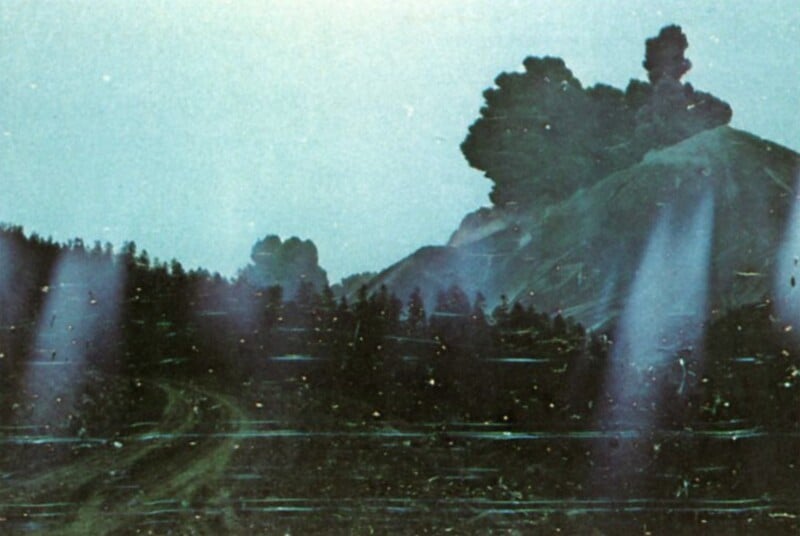
Now, 8:32 AM: The Last Photographs of Robert Landsburg, a short documentary made by filmmaker Marq Evans, tells the remarkable story of the photographer. In the film, Landsburg’s family speaks on camera for the first time, offering unprecedented access to his surviving camera, journals, and archive after he died protecting his photographs during the 1980 Mount St. Helens eruption.
‘There was Really Nothing Else Out There About Him’
Documentary filmmaker Marq Evans was surprised by how little had been written about Landsburg beyond the story of his heroic final moments, with existing articles repeating the same details rather than exploring his life and work. He says this lack of information prompted him to investigate further and make 8:32 AM.
“I was shocked that there was really nothing else out there about him,” Evans tells PetaPixel. “It was page after page on Google with articles just retelling that exact same stories, and I wanted to know more. It was that curiosity that led me to reach out to his family.”
Evans says tracking down Landsburg’s family “took a little detective work.” He managed to trace them through Landsburg’s late brother’s obituary, which led him to contact his brother’s wife via “an old AOL email” address. She passed Evan’s message on to her daughters, allowing him to connect with Landsburg’s niece Jill Dutchess, who agreed to help tell the photographer’s story publicly for the first time.
“The family had never talked about the story before publicly, because it was a very difficult time for them and remained raw for a long time,” Evans explains. “But they were open to telling this story for the first time, and it’s been a really nice relationship collaborating with them on this.”
‘He Understood The Value of Something Real’
The filmmaker has released two short versions of the documentary 8:32 AM on YouTube and Instagram, running three and five minutes. Evans plans to expand Landsburg’s story into a longer film, featuring re-creation footage shot on 8mm film at Mount St. Helens, with the aim of completing the project by the end of the year.
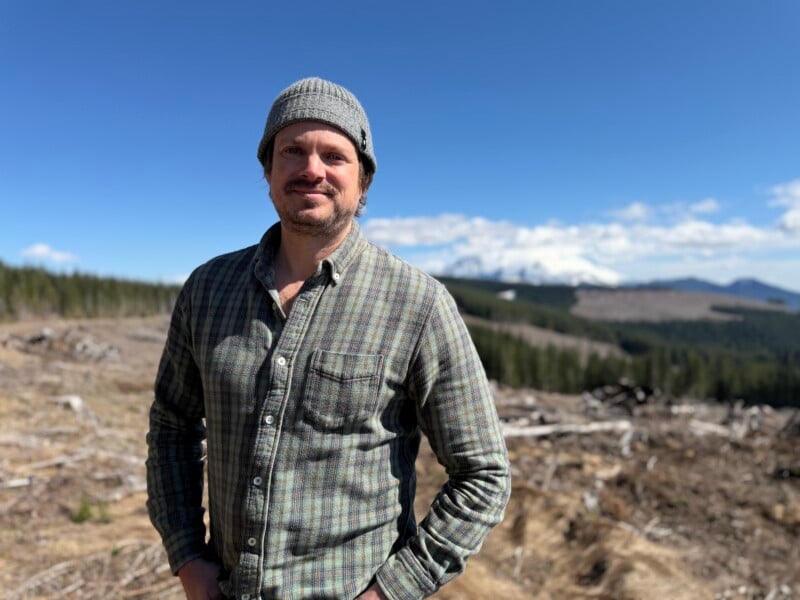
“First, I’m glad I’ll be able to share more about who Robert Landsburg was, beyond just the small part of his story that is on the internet,” Evans says. “He was a professional and dedicated photographer, and he believed he was in a safe area photographing what he knew would be a once-in-a-lifetime opportunity.”
The filmmaker adds: “Beyond that, there’s just something about his dedication to the craft that, in this day of AI and when a photo can be created by anyone without even being there, that not only was he there but he understood the value of something real and would fight to preserve that.”
More information about 8:32 AM: The Last Photographs of Robert Landsburg can be found on Instagram and the documentary’s official website.
Affiliate Disclosure PetaPixel articles may include affiliate links; we may earn a commission if you buy through one.