The Tiny Head-Mounted Camera That Captured the World Cup Final Is Immortalized In a Museum
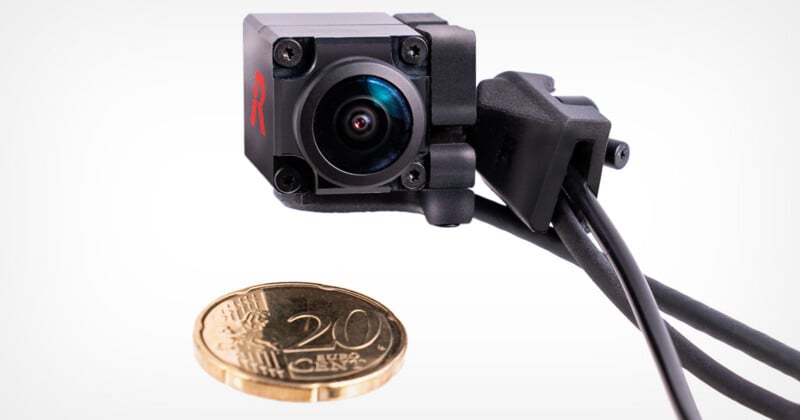
These days, it’s not unusual for a referee in a professional sports match to wear a camera. The Premier League debuted it last year, and it’s becoming increasingly common in other sports like baseball, football, and ice hockey. Now, the head-mounted RefCam worn by the referee during the 2026 World Cup Final has been immortalized in a German museum.
As CineD reports, the Riedel RefCam is an ultra-lightweight, advanced 14-gram (half an ounce) head-mounted camera. The exact model on display in the Deutsches Museum was worn by Slovenian referee Slavko Vinčić during the World Cup Final between Spain and Argentina, which Spain won 1-0 following extra time.
As Deutsches Museum explains, the Riedel RefCam was delivered by the manufacturer itself, Riedel Communications. PetaPixel readers may recognize the company because it acquired legendary German cinema brand, Arri, earlier this year.
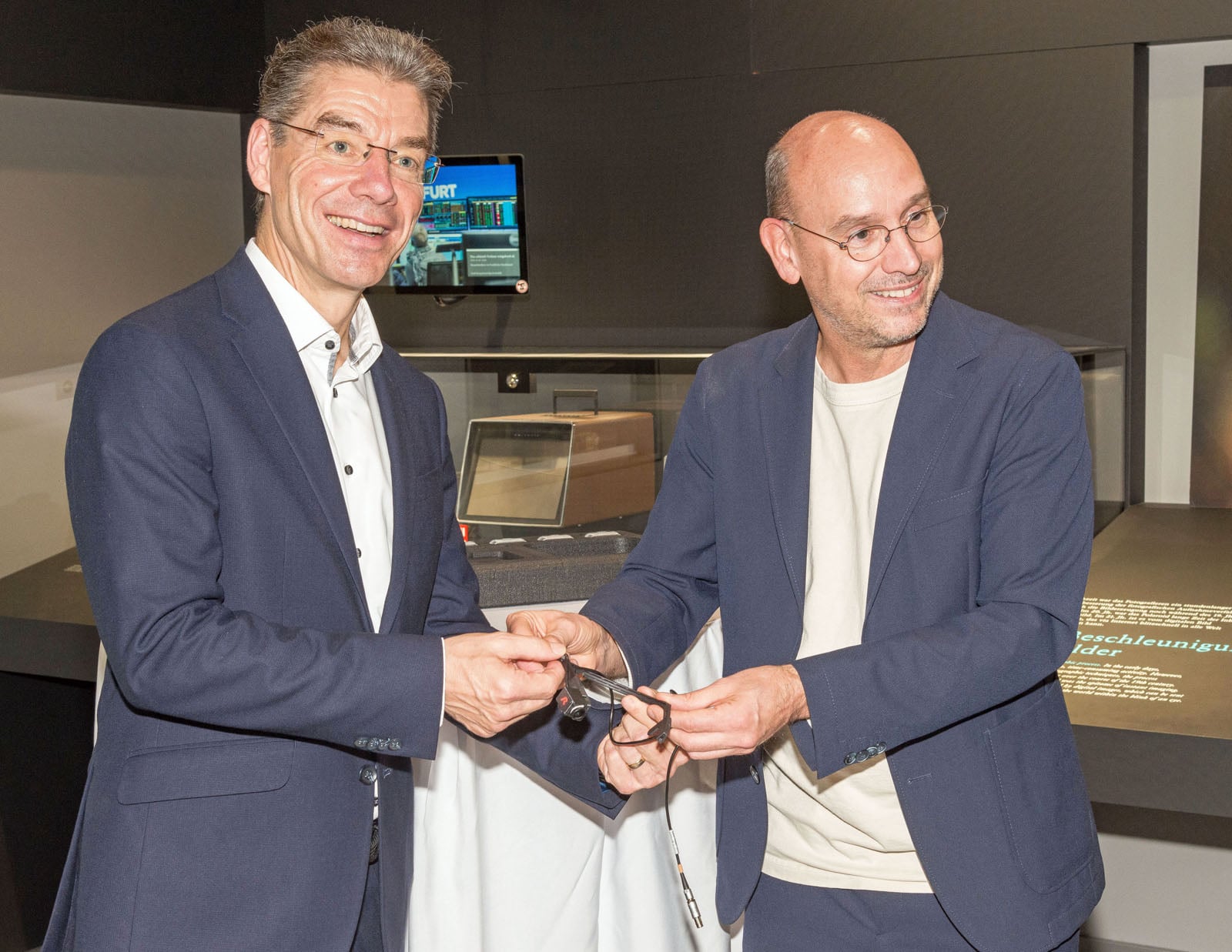

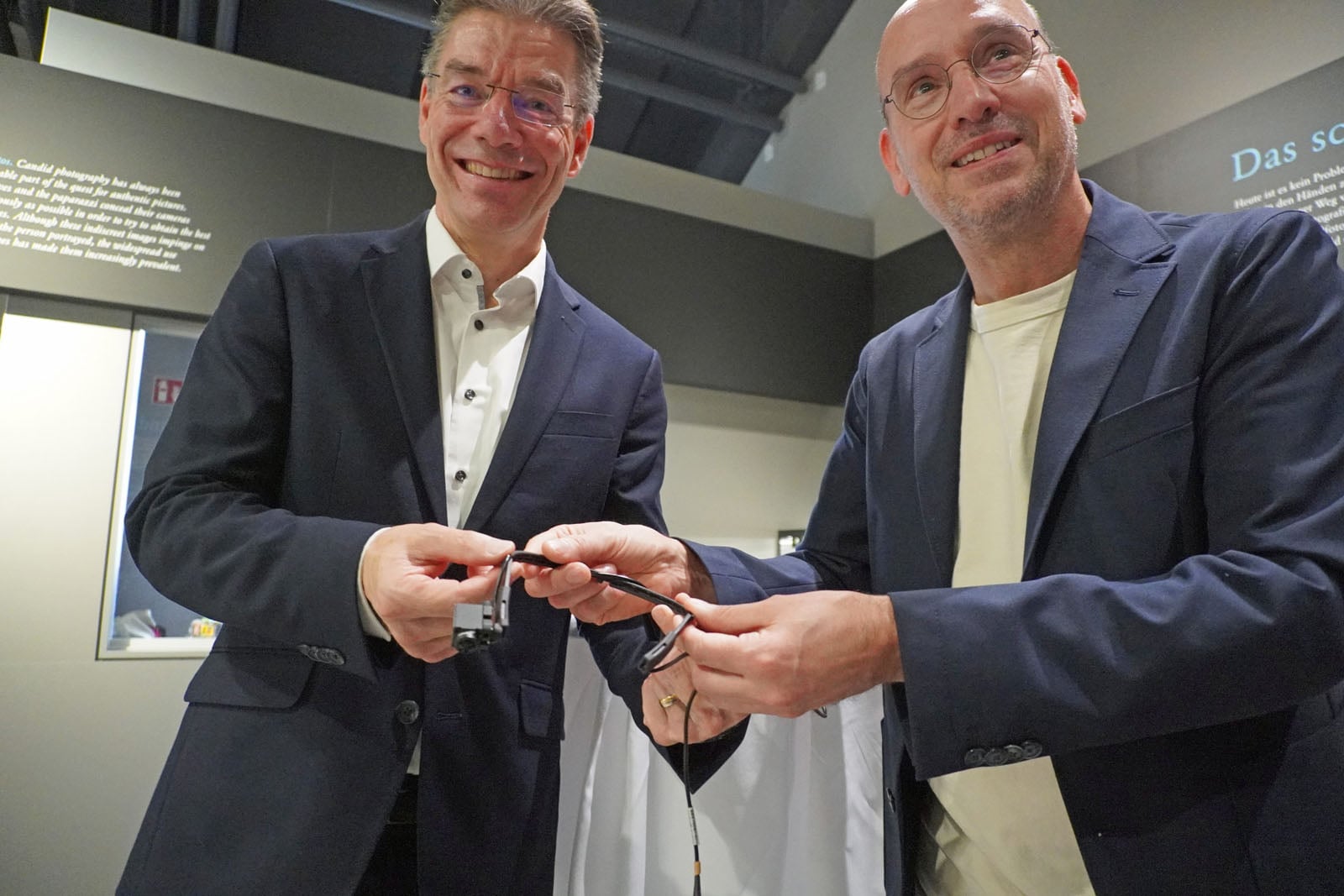
Riedel developed the RefCam alongside real-life referees from the German professional soccer league, Bundesliga. Riedel, alongside Bundesliga refs Patrick Kessel and Nicolas Winter, began working on the camera in 2023, with the intention to design a camera that would help train referees.
The camera got its first real-world test in late 2023 during a third-league match between Arminia Bielefeld and TSV 1860 Munich. In February 2024, the RefCam made its top-tier Bundesliga debut. The Bundesliga worked closely with Riedel to refine and improve the camera.
The camera feed, which was originally going to be used just internally and to help with officiating decisions, is now a regular part of television broadcasts. It has a tiny HD camera inside. The RefCam worn by Vinčić during the World Cup Final captured Ferran Torres’ Cup-winning goal in the 106th minute, plus other key parts of the action.
As CineD remarks, FIFA worked alongside its technology partner, Lenovo, to implement AI-based stabilization to smooth and steady the RefCam footage before showing it to television audiences. It’s quite sophisticated tech.
“When designing the RefCam, the focus was on building an extremely light camera that does not hinder the referees in any way and yet delivers excellent broadcast-quality images,” says Thomas Riedel.
“The fact that this development now receives a permanent place in the Deutsches Museum after its successful deployments in the largest stadiums in the world — right next to milestones in the history of technology — is a special honor for our entire team.”
There’s no question that Riedel’s RefCam significantly changed how people at home watched and enjoyed the FIFA World Cup. Tiny cameras are changing a lot about how all sports are viewed, in fact. All 22 Formula 1 drivers wear tiny cameras inside their helmets these days, for example.
These point-of-view perspective camera angles are very immersive and deliver fans unique camera perspectives that traditional broadcast cameras cannot.
“The Deutsches Museum has been documenting the further development of camera technology for 120 years. What particularly fascinates me personally is the miniaturization of the technology — combined with the immense increase in image quality,” says museum Director General Michael Decker.
“And as a sports fan, I am also impressed by the fact that the famous referee perspective can be captured for all spectators thanks to the camera.”
Image creditsRiedel Communications and Deutsches Museum
Affiliate Disclosure PetaPixel articles may include affiliate links; we may earn a commission if you buy through one.