Award-Winning Photo of City-Dwelling Beavers Celebrates Wildlife’s Strength
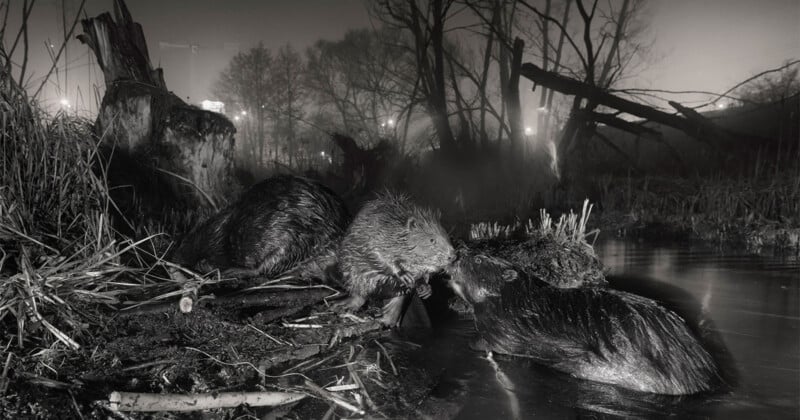
Polish photographer Jan Wieczorek’s striking black-and-white wildlife photo, “Urban Beavers,” is this year’s Rewilding Europe Award winner.
The annual Rewilding Europe photography contest, presented by Rewilding Europe in partnership with the German Society for Nature Photography (GDT) and the European Wildlife Photographer of the Year contest, celebrates photos captured across Europe that illustrate “rewilding in motion.”
“Rewilding” is a progressive approach to conservation that works to enable nature and natural processes to occur again, restoring and repairing damage caused by human activities. As Rewilding Europe says, “Nature knows best when it comes to survival and self-governance.”
“Rewilding in Europe doesn’t have one single face. It can mean bringing back a species that disappeared, restoring natural processes, or simply giving nature enough space and time to recover on its own. But increasingly, it is also about learning how to share landscapes with wildlife,” says contest judge Jon A. Juarez.
Rewilding Europe Award Winner Shows a Family of Beavers Thriving In a Polish City
Award-winning photos like Wieczorek’s document that rewilding process as it happens out in the real world. In this case, a family of beavers in the Polish city of Olsztyn shows that people and wildlife can coexist.
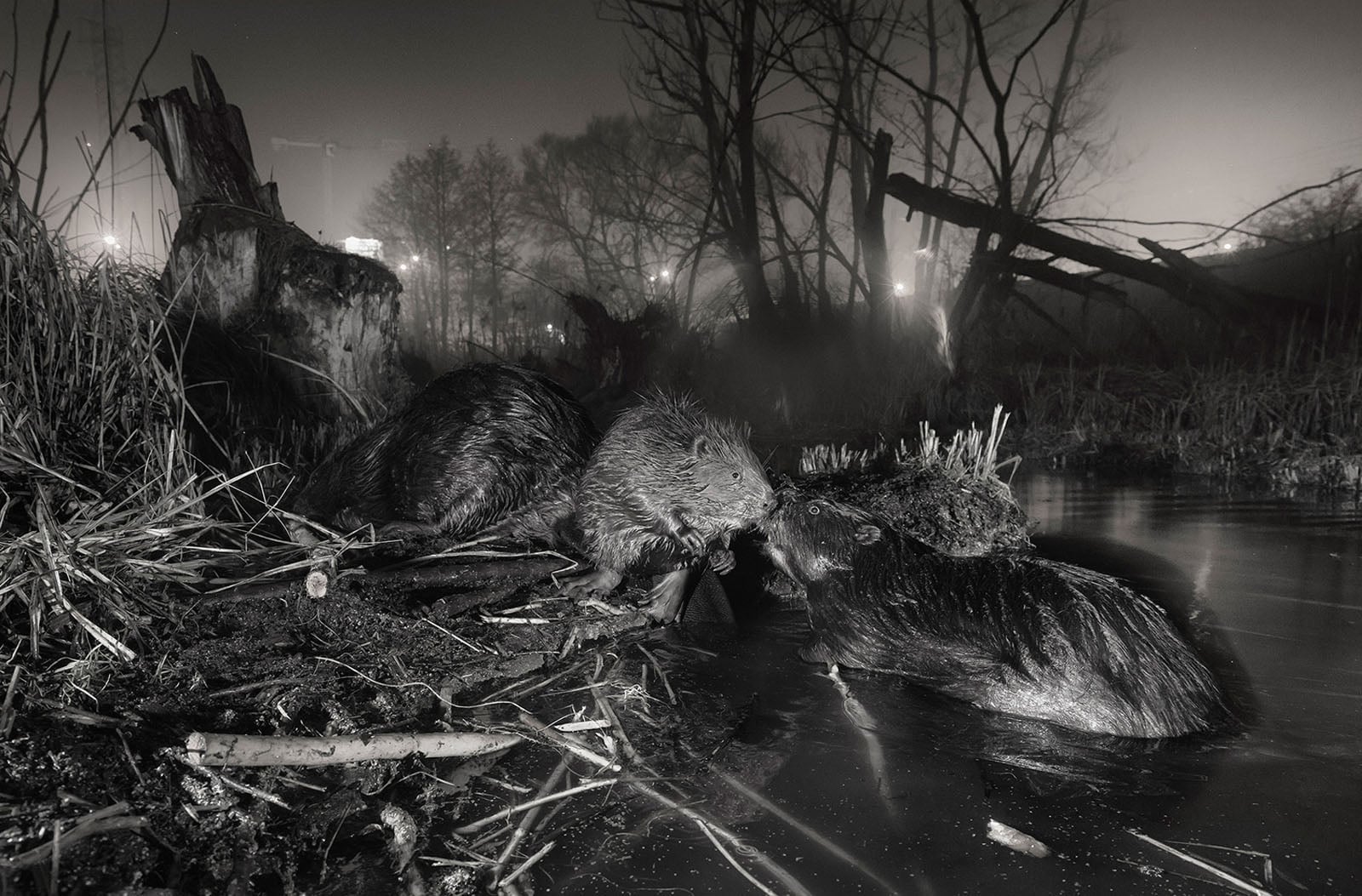
There are power lines and railways and homes being built, but the beavers, with the protection of local authorities and the people who live there, are thriving.
Award-winning photographer Jan Wieczorek has watched the beavers for nearly 15 years now, and carefully composed his photo to show the two worlds coming together. In the foggy, city-lit background, there’s a construction crane and a nearby road. In the foreground, a trio of beavers is busy at work.
“The story behind the photograph shows that nature doesn’t always exist somewhere far away. It can thrive right next to our homes, beneath our bridges, and in the centers of our cities. By framing the housing development alongside the wetland created by the beavers, I wanted to show that it is possible for humans and wildlife to share space,” Wieczorek says.
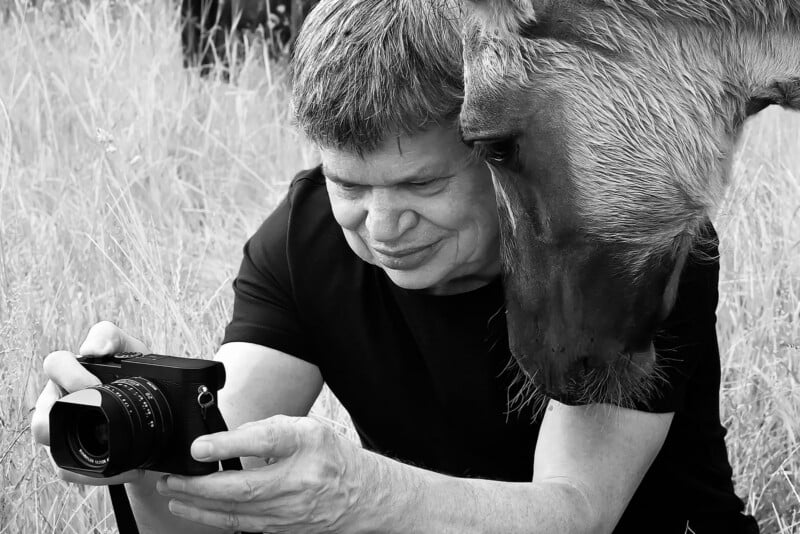
“The winning and commended images capture the essence of how humans and wildlife can live side by side. Photography like this translates the complex relationships between humans and wildlife, ultimately helping us understand them better,” adds competition judge Viktoria Pezzei.
Runner-Up
Runner-up Christoph Kaula earned acclaim for a very different sort of recovery story. Kaula’s photo shows a little European hamster who is part of a research project scientists have undertaken to figure out how to save the threatened species.
European hamsters have suffered greatly as farming operations have expanded across the continent, and researchers are taking a hands-on approach to saving the animals. Captive breeding, genetic analysis, and habitat management are all part of a multi-pronged approach. The beavers show that sometimes leaving animals alone is enough, but the European hamster shows that a more hands-on approach is needed to get things moving in the right direction.
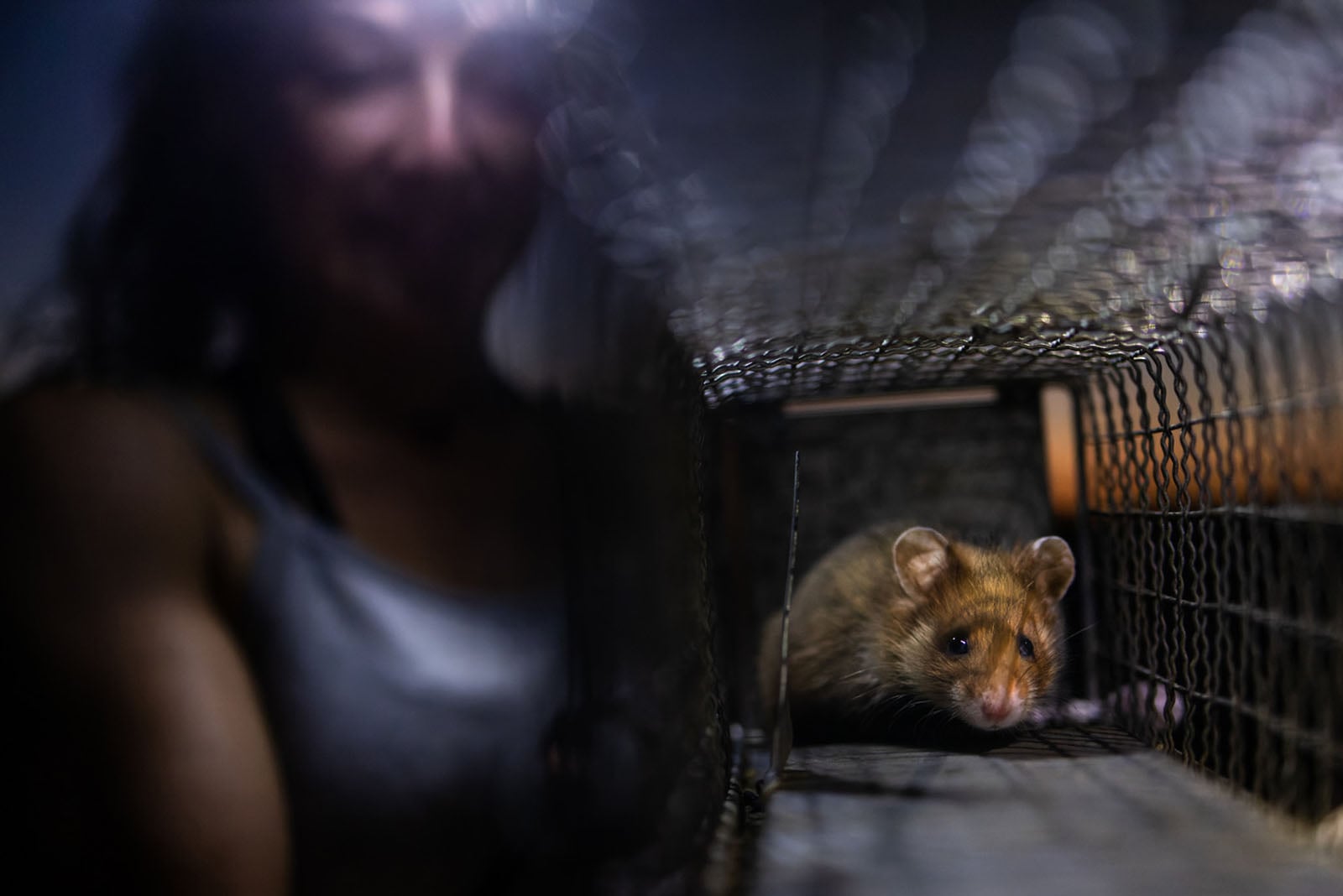
“Bringing a species back is never the work of a single organization or individual — it’s a collective effort. And that also means raising awareness and communicating the importance of conservation to a much wider audience,” says Kaula.
Commended Photos
The judges gave special commendations to three more photos.
Fabian Thorand’s photo, “Peaceful European Bison,” shows two bison resting in a Polish meadow. These animals were once extinct in Europe, but have been reintroduced and now number more than 10,000 individuals.
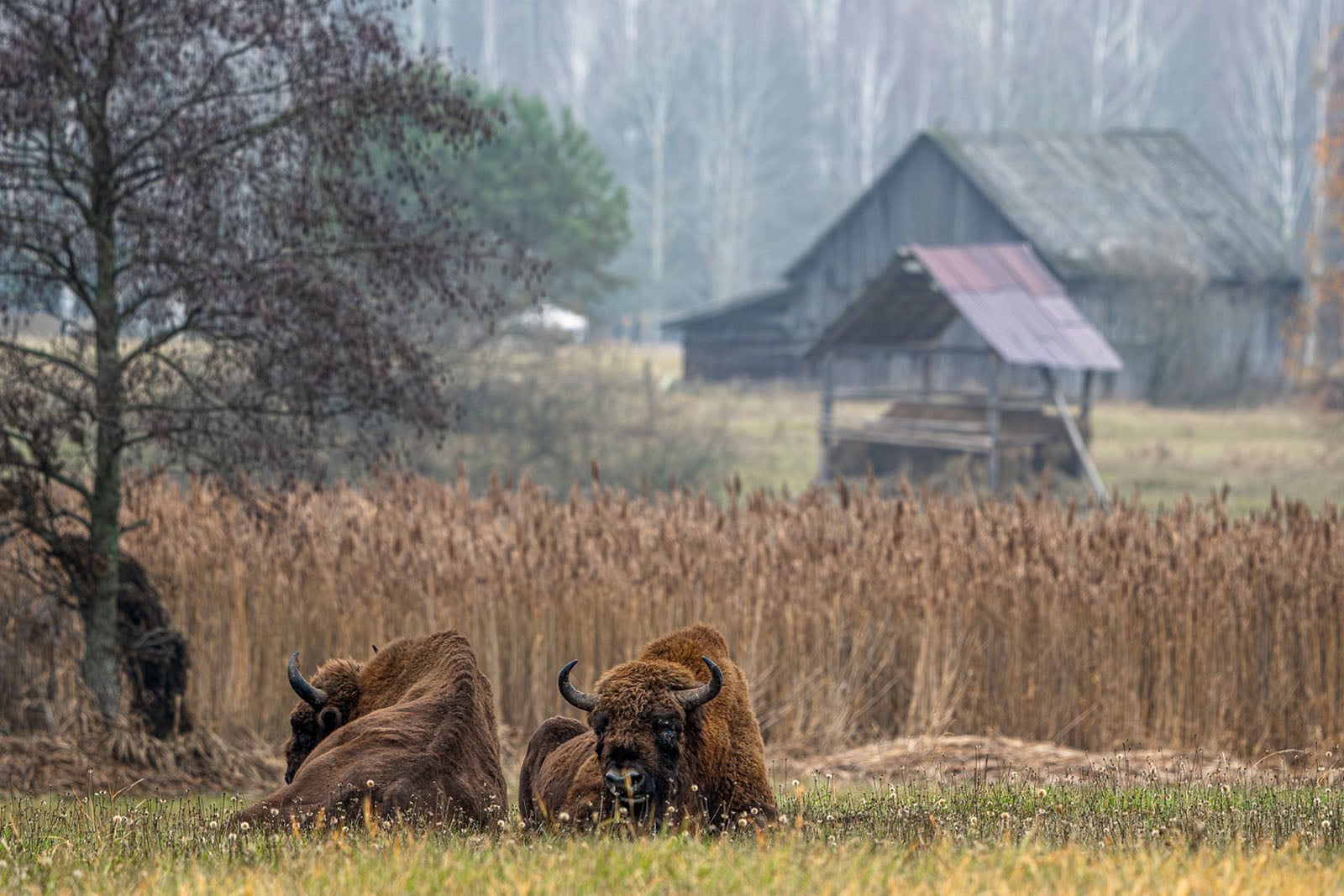
“I hope to show how beautiful and peaceful coexistence with animals can be, even with such large ones. I believe it’s important to see nature not only as our environment, but as a natural habitat for wild animals that are worth protecting. Bison play a really important ecological role, but people have to learn how to live alongside them,” Thorand says.
Silke Hüttche’s shot, “The Call of the Eagles,” shows white-tailed eagles in a very unusual part of northeastern Germany, Anklamer Stadtbruch. This 2,000-hectare area became a large wilderness area after a massive storm in the 1990s. The storm surge turned the area into peatland, which is now home to a rich diversity of animals. White-tailed eagles live here in greater numbers than anywhere else in Germany.
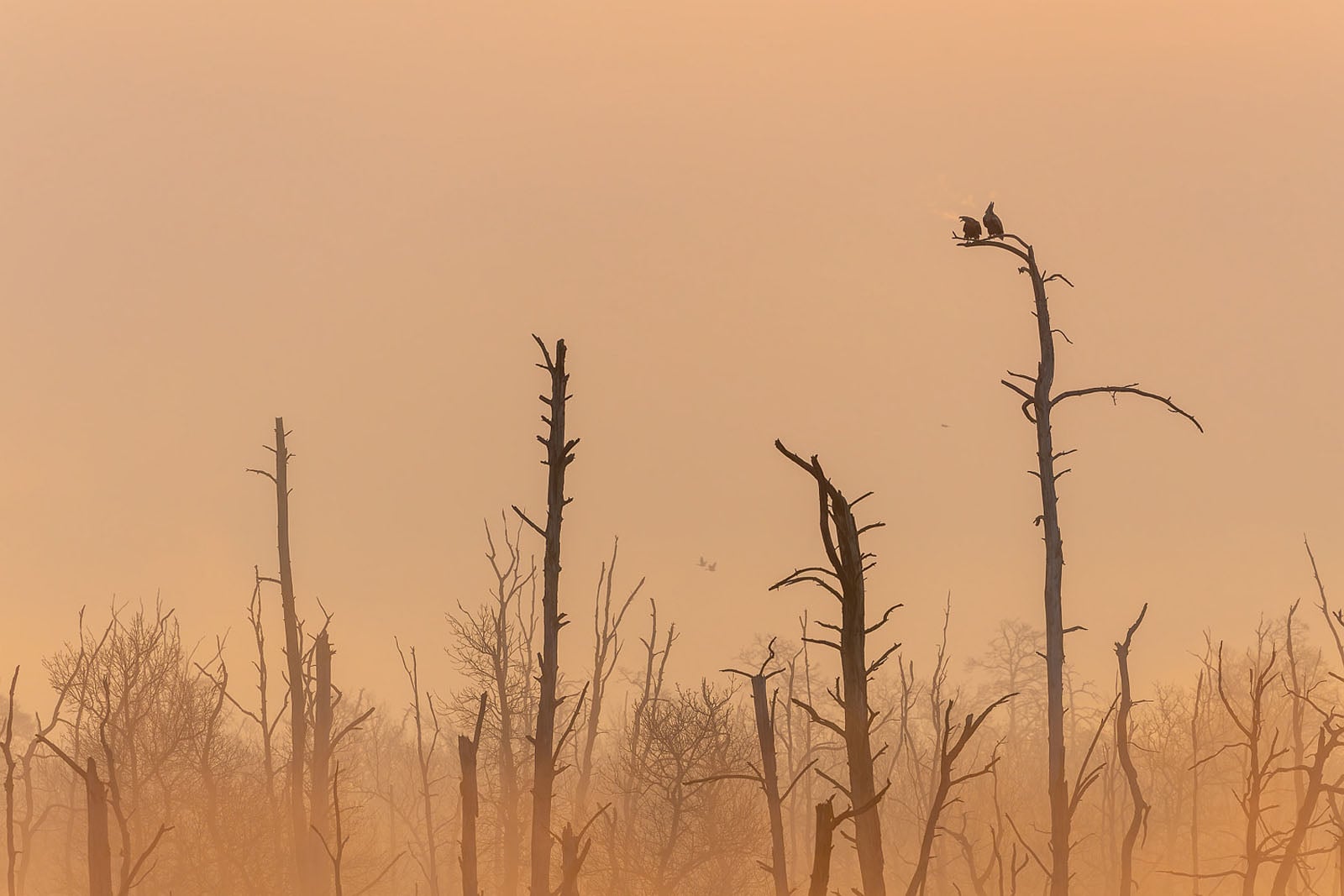
“I have seen how the natural processes at work in Anklamer Stadtbruch have boosted the abundance and diversity of species found there. Today I know how incredibly important such new wilderness is,” the photographer explains.
Lewis Jefferies’ photo, “A New Generation,” captures a National Lobster Hatchery staff member releasing young European lobsters into a tidal pool in Cornwall, England.
The hatchery works with scientists, fishermen, and even restaurants to raise young lobsters and then release them into the sea. The European lobster has significant financial value, both for its meat and for its role in the local ecosystem. Many coastal communities rely heavily on these lobsters.
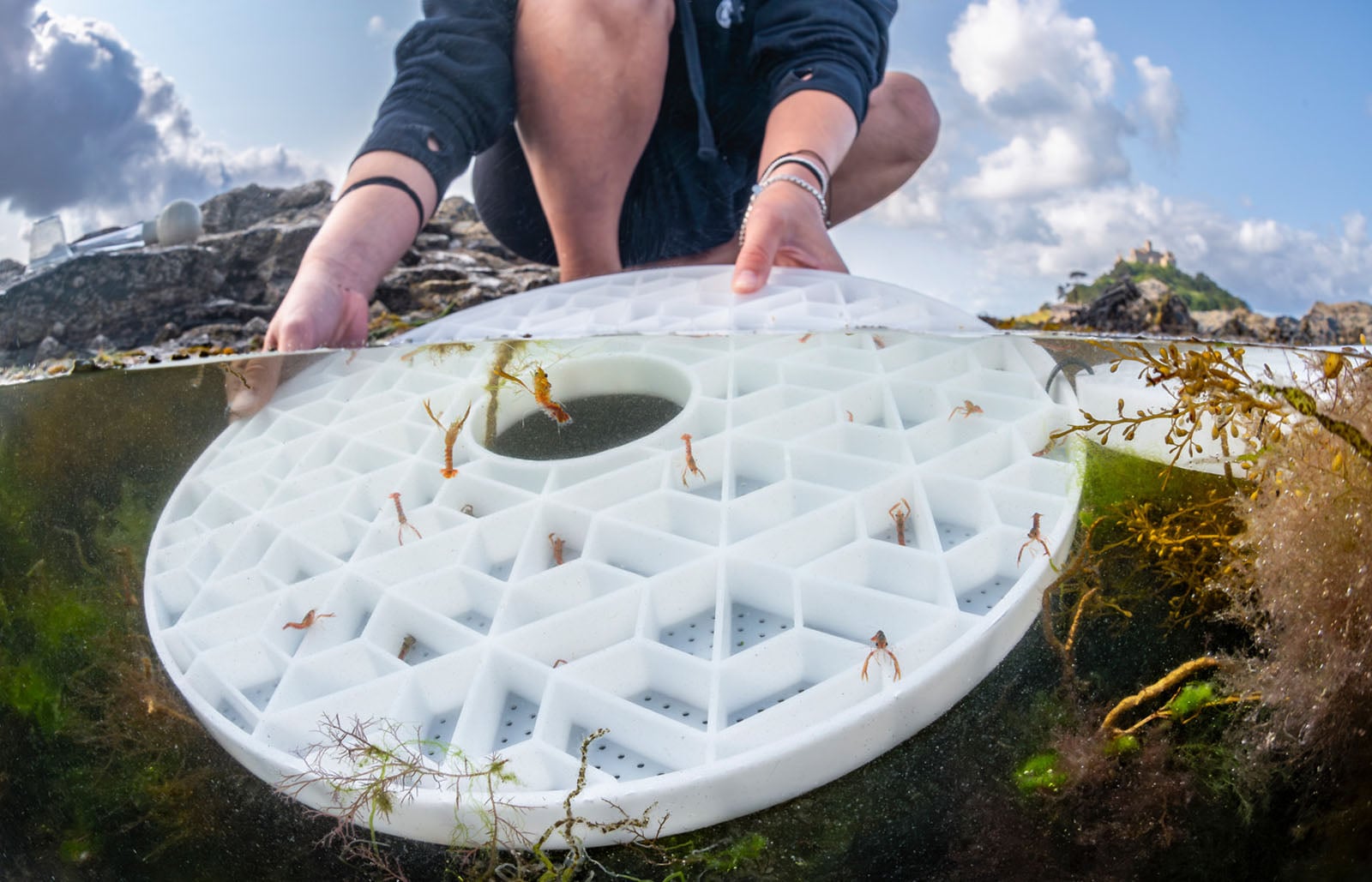
“I really hope this image will help spark interest in marine wildlife and conservation and raise awareness of the incredible conservation work being done in Cornwall to save species and habitats,” Jefferies says.
Nature Can Survive if Given the Space and Time
The annual Rewilding Europe Award photo contest shows that when humans either leave things alone or get involved thoughtfully, nature can recover. Sometimes nature recovers on its own, and sometimes it needs a little push, but importantly, people can make a positive difference.
Image creditsRewilding Europe Award, European Wildlife Photographer of the Year
Affiliate Disclosure PetaPixel articles may include affiliate links; we may earn a commission if you buy through one.