The Magic of Mystery: Why Great Images of Nature Ask More Questions Than They Answer
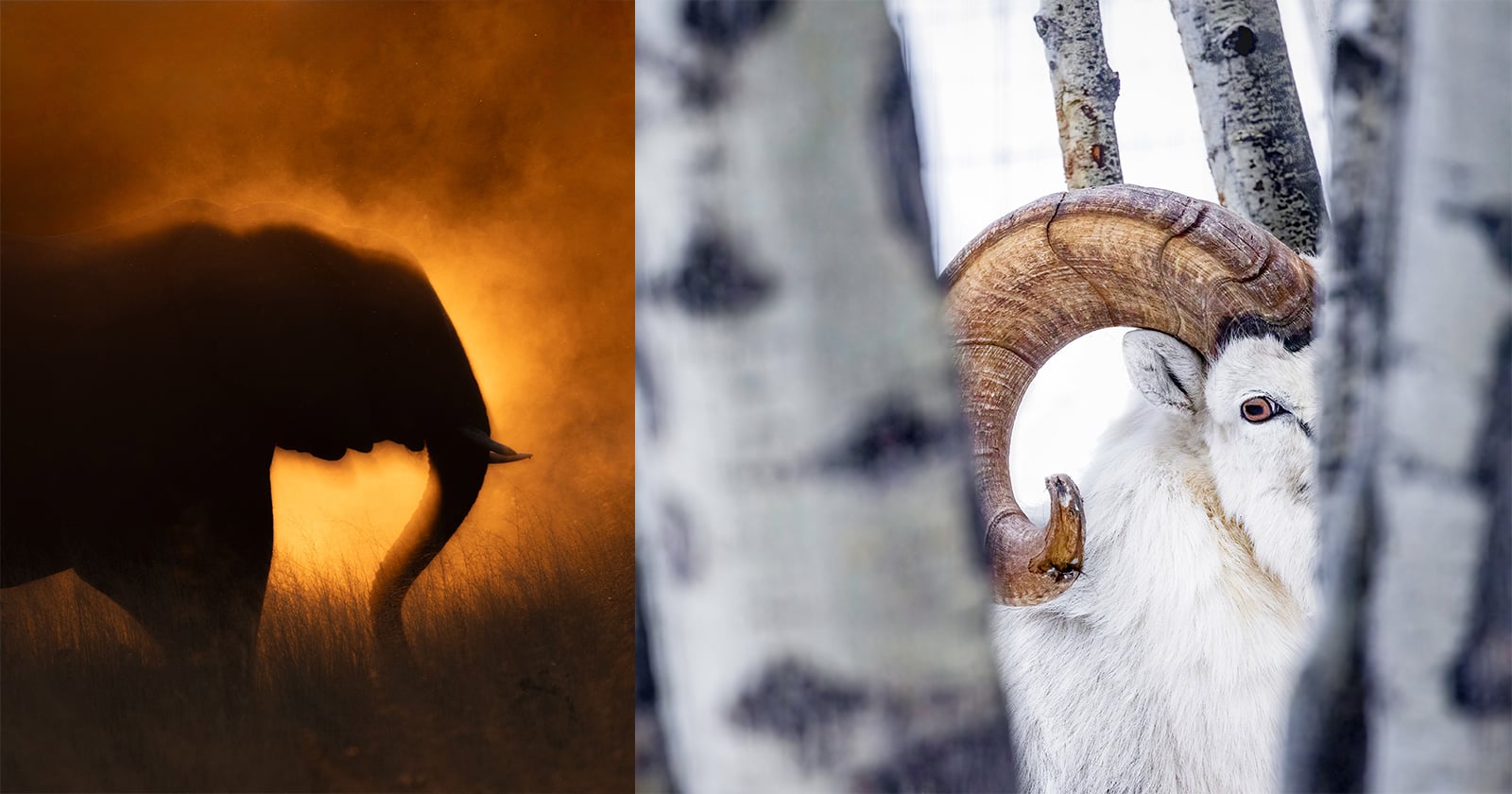
There’s a paradox at the heart of great photography: what you choose not to show your audience is often more powerful and provocative than what you reveal. In an age of oversharing and instant gratification, mystery has become the photographer’s secret weapon and perhaps the most undervalued tool of all. The unseen, the suggested, and the ambiguous can transform a literal photograph into an expressive one that haunts us long after we’ve looked away.
Full disclosure: This article was brought to you by Muench Workshops.
All photos taken by Richard Bernabe.
From Muench Workshops
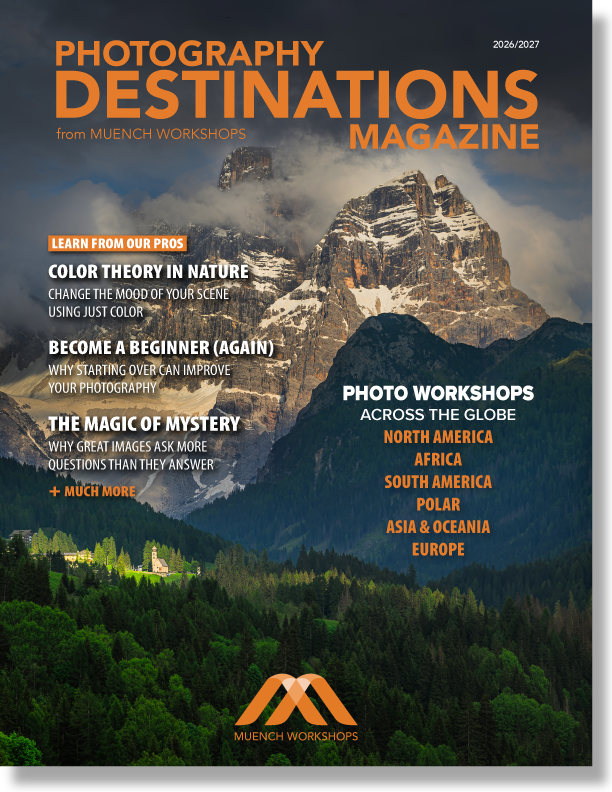
Get your free print copy
Richard Bernabe’s “The Magic of Mystery” is featured in Photography Destinations Magazine from Muench Workshops, along with more photography tips, stories from the field, and destinations from around the world.
Human beings are hardwired to complete incomplete patterns in the world around us. When we encounter mystery in a photograph, whether it’s an animal’s face partially hidden, a doorway opening into darkness, or a trail disappearing around a corner or over the horizon, we tend to lean in closer. We linger. We explore. We construct visual narratives to fill in what’s missing. This cognitive tension is what makes mysterious images so impactful. While an image that explains everything might provide immediate gratification and satisfy our need to know, it’s also likely to be forgotten as quickly as it was understood. Mystery invites questions that stir curiosity and emotional engagement.
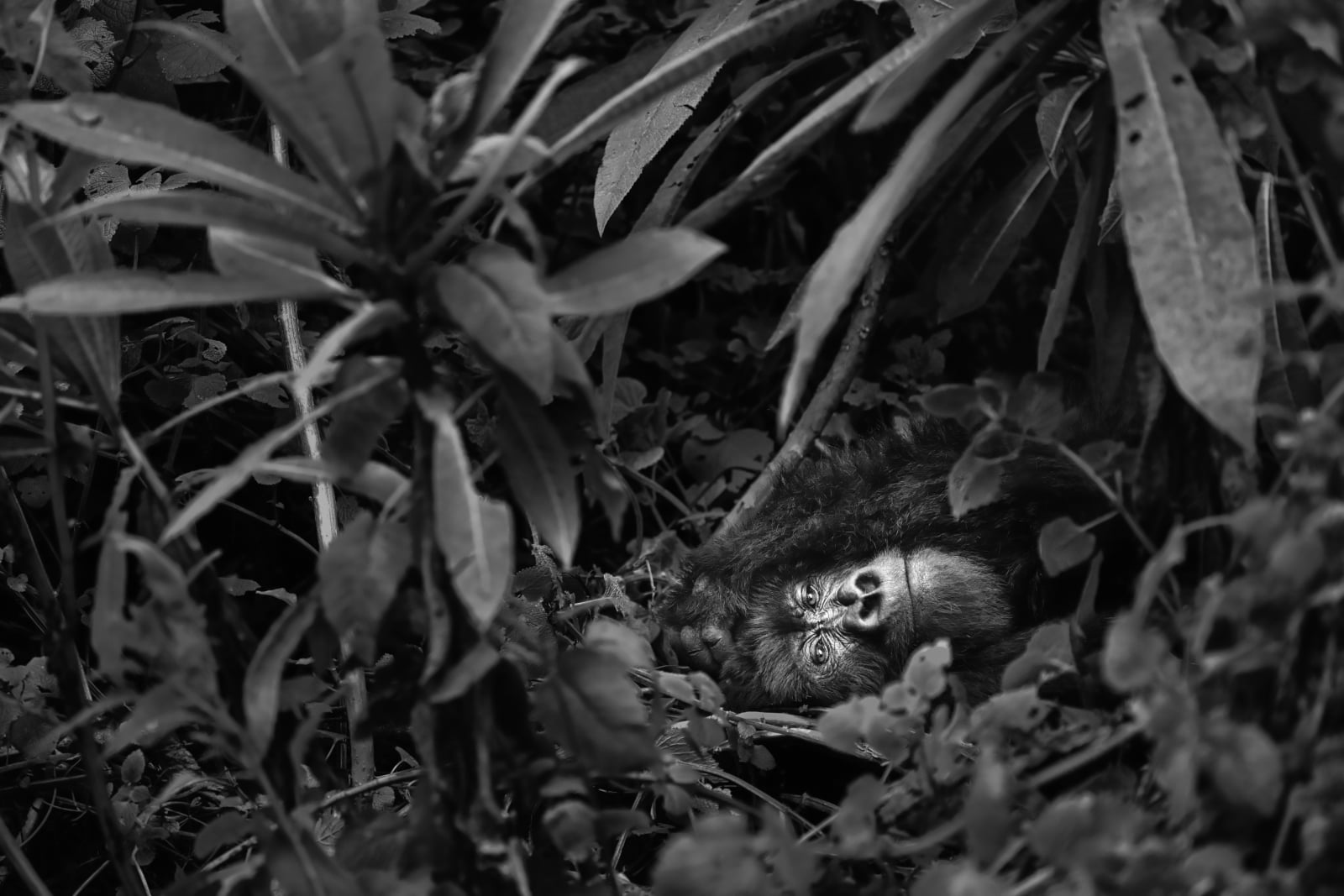
Shot at 1/800, f/5, ISO 1600 at 214mm.
Photography certainly didn’t introduce the use of mystery to the arts; it inherited it from centuries of artistic wisdom. Literature has always known that the best stories leave something unsaid. Hemingway’s iceberg theory held that the deeper meaning of a story should always remain unwritten, hidden just beneath the surface. The Mona Lisa’s enigmatic smile has captivated viewers for five centuries precisely because it can never be fully understood. Is she happy? Is she amused? Is she the keeper of a secret? The answer may depend on our mood and moment in life. The shark in Jaws is terrifying partly because we see it so rarely throughout the film.
Music also understands that space and silence can create meaning. The pauses between notes and the unresolved chord or scale create emotional resonance that full resolution never could. And the most impactful song lyrics are almost always ambiguous, metaphorical, and poetic. “I’ll see you on the dark side of the moon” isn’t a literal suggestion. Or is it?
Less Can Be More
Hiding or withholding parts of a scene or subject in a photograph taps into a primal impulse in human psychology: our need to complete what’s missing and find resolution. This creates productive tension that keeps us engaged with the image long after we would have dismissed a complete and fully revealed subject. What we withhold from the frame gains emotional power because the human mind assigns more weight to the unknown than to the known. This is why a partially hidden lion in the grass feels more chilling than one standing in clear sight. The hidden becomes charged with possibility and intrigue, creating a space where the viewer’s imagination, fears, desires, and expectations can project themselves.
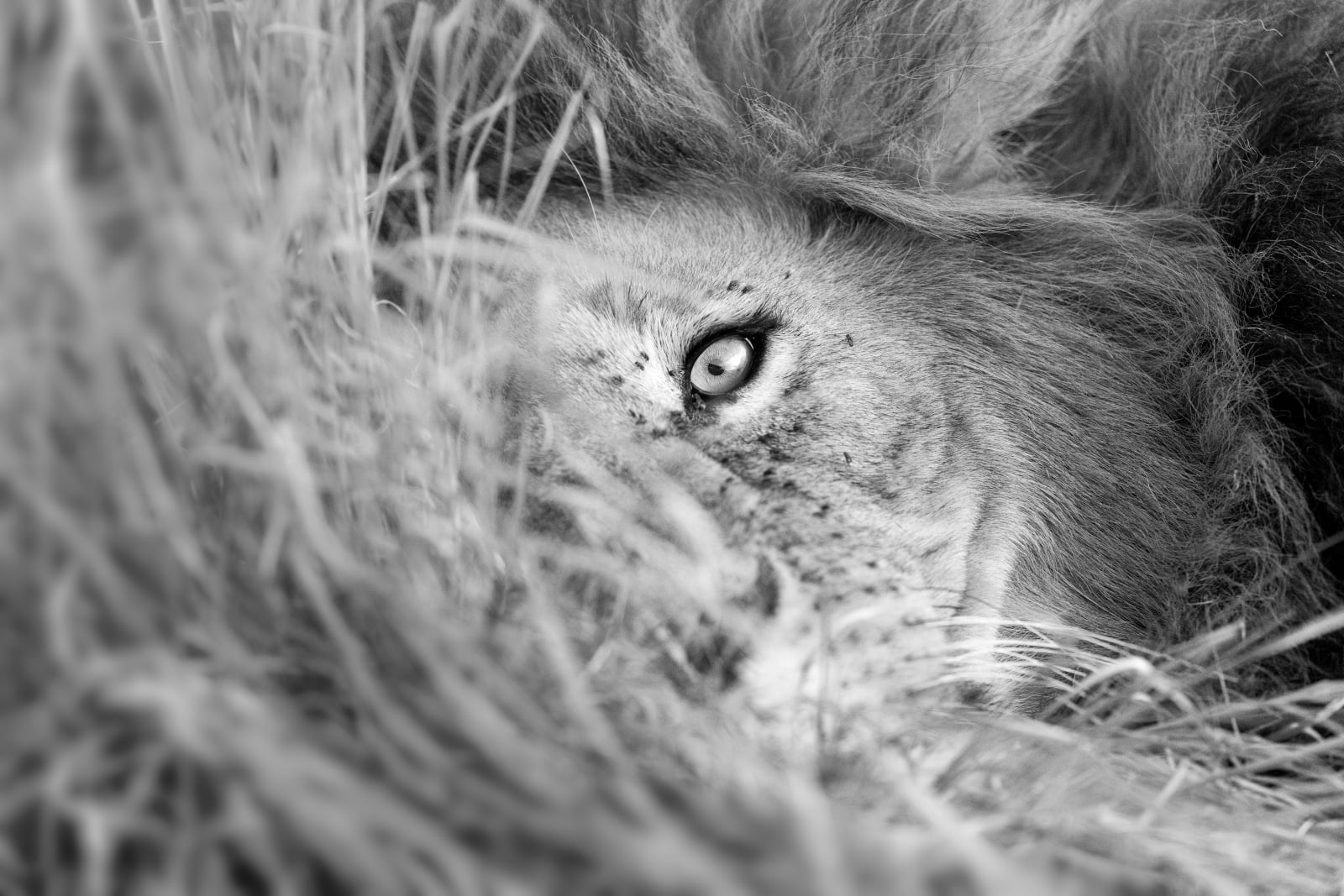
Shot at 1/1000, f/4, ISO 4000 at 400mm.
The Power of Suggestion
In many ways, the use of suggestion seems counterintuitive: the less you show, the more your audience sees or feels. This isn’t about being vague or incomplete for its own sake. It’s about understanding that human emotion is activated more powerfully through implication than through explicit display. When a photograph suggests, the viewer draws upon their own emotional reservoir to complete the picture or story.
A good example is an image of fresh bear tracks in the sand. It suggests the presence of a bear without the need to reveal it explicitly. The suggestion opens avenues of inquiry, supposition, intrigue, tension, and even fear. A conventional portrait of the bear might resolve all of the above, but the phantom bear that lives in the viewer’s imagination allows the mystery to endure.

Shot at 1/4, f/22, ISO 200 at 40mm.
Ambiguity
Ambiguity is mystery’s closest cousin, but it operates a bit differently. While mystery withholds information, ambiguity presents information that can be interpreted in multiple ways simultaneously.
A photograph of a leopard intently staring beyond the frame can evoke many interpretations for the viewer. Is it an image of superiority and confidence, or fear and aggression? Is there prey on the horizon, or the threat of a rival? The viewer will fill in the blanks. These possibilities, and the act of interpretation itself, make the viewer a co-creator in the image. They are transformed from passive viewers into active participants. As a result, they become more engaged and emotionally invested, bringing their own experiences, fears, and desires into the interpretation. This collaboration between photographer and audience is what gives ambiguous images their true staying power.
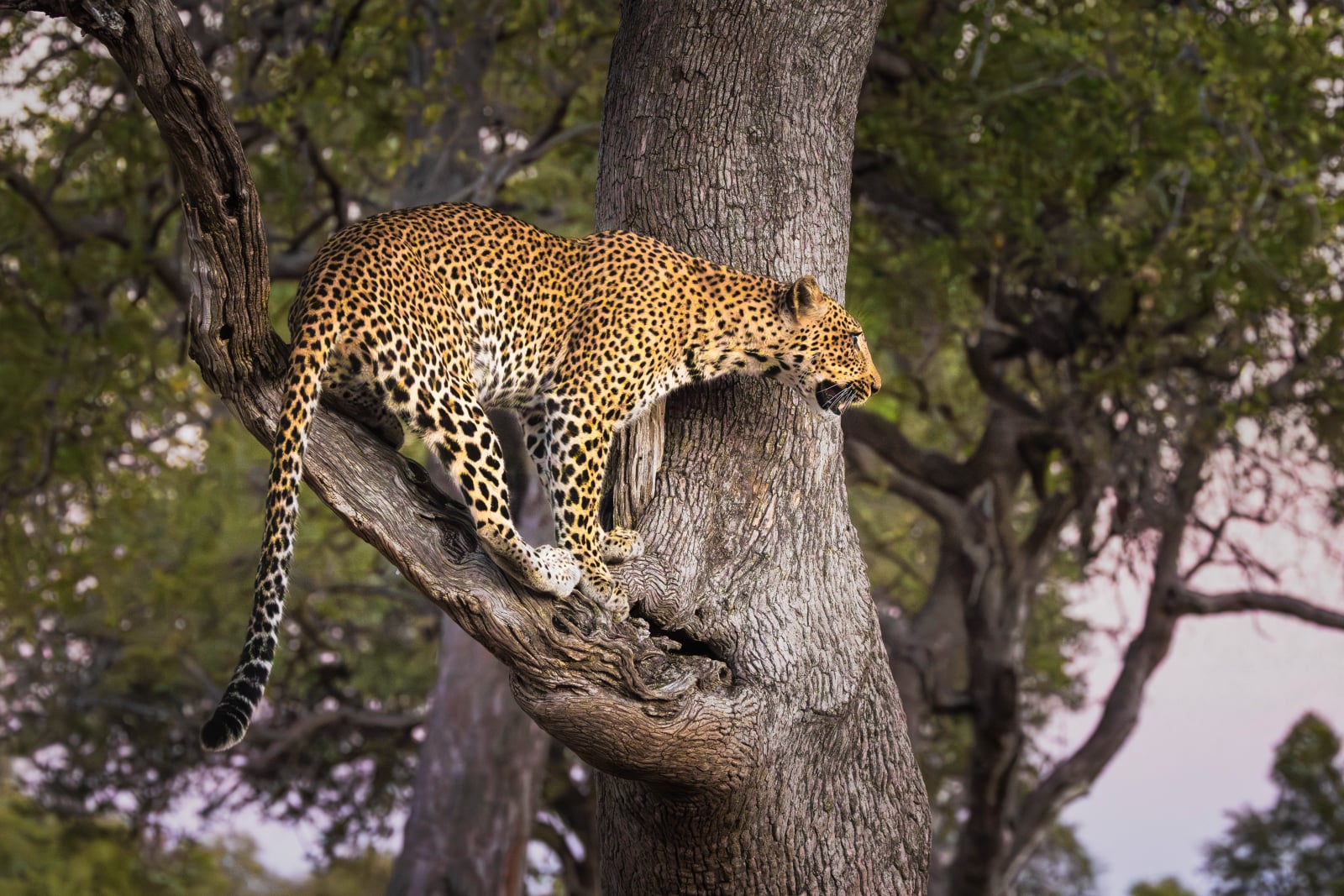
Shot at 1/640, f/6.3, ISO 6400 at 135mm.
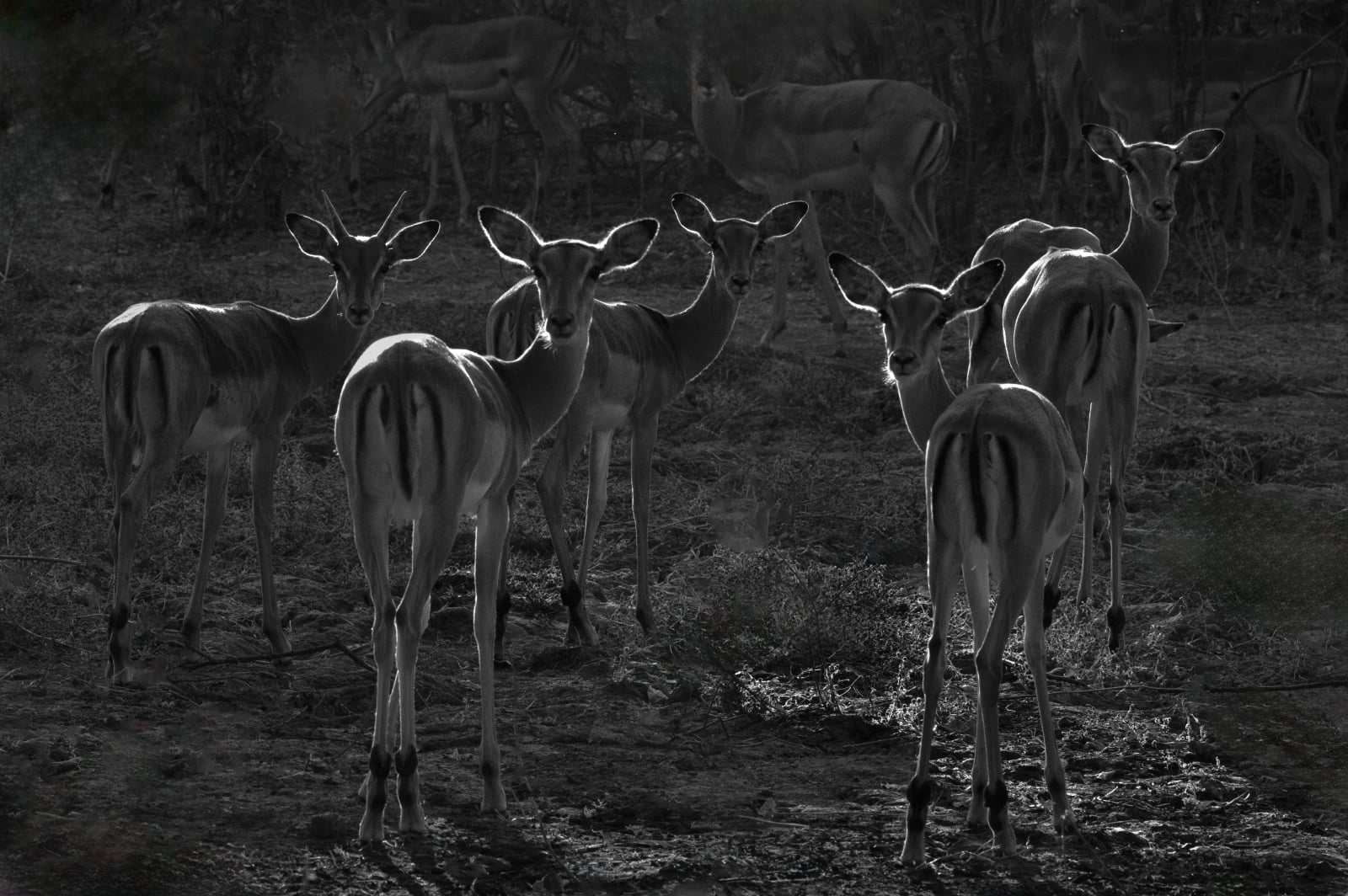
Shot at 1/1000, f/11, ISO 1600 at 151mm.
Conceptual Tools of Mystery
Creating mystery in your photos means exercising conceptual tools you probably already possess. Some examples include the use of shadows in your compositions. Mystery often lives in the shadows, not the light. Negative space carries as much emotional and visual weight as the subject of your photo. A shallow depth of field can turn a background into an impressionistic blur, suggesting context without necessarily defining it. Long exposures transform moving figures into ghostly apparitions, creating images that exist between the real and the imagined.
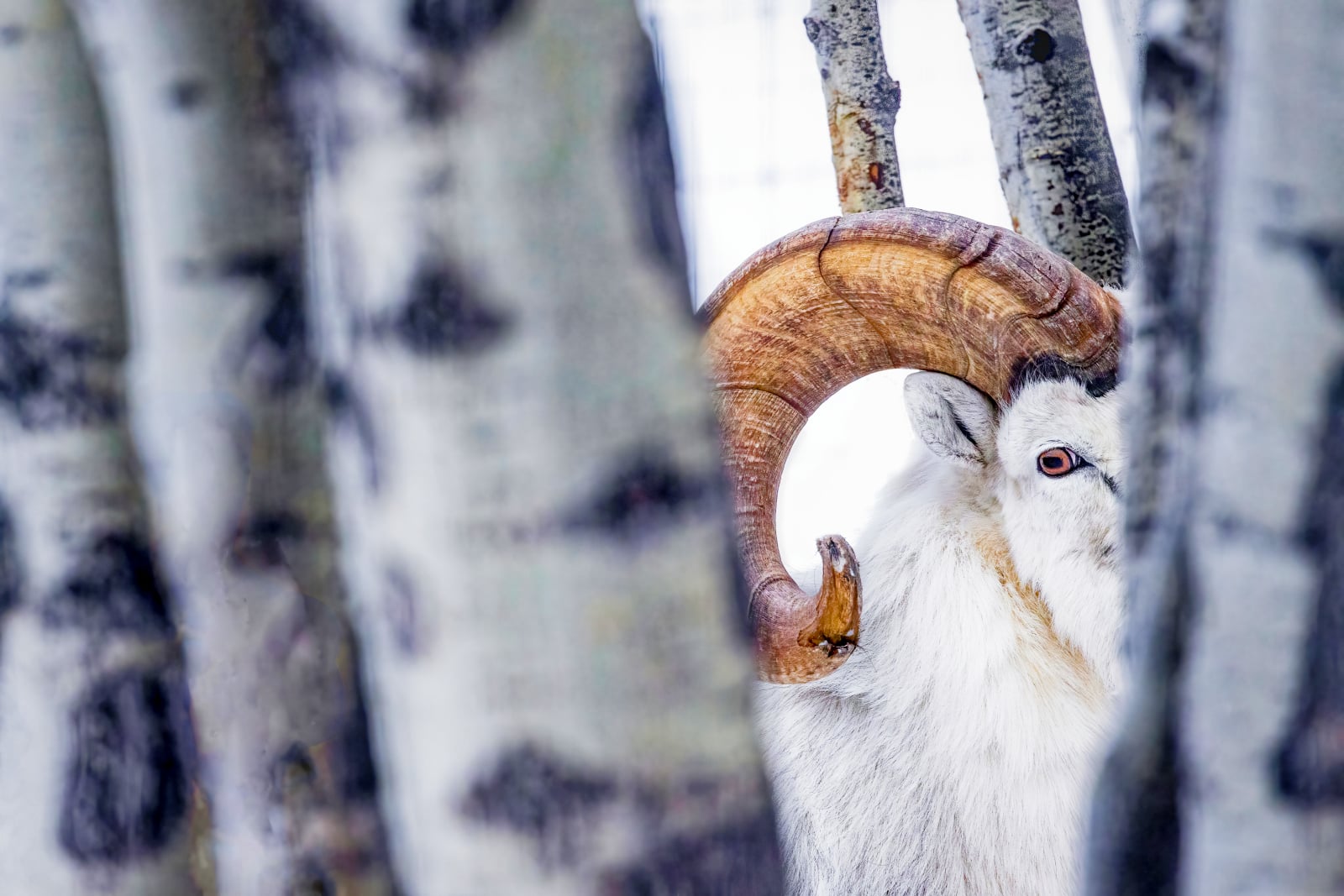
Shot at 1/1250, f/7.1, ISO 2500 at 451mm.
Partial framing, which shows only a portion of a subject, allows much of the meaning to exist beyond the frame’s edge, evoking mystery and intrigue. Backlighting, where the subject becomes partially or completely silhouetted, obscures yet preserves and suggests shape and form. Fog, rain, and reflections all become tools for veiling reality and creating layers of meaning that reward sustained attention.
The decisive moment, the concept Cartier-Bresson made famous, often works precisely because it asks more questions than it answers. What happened just before this instant? What will happen next? The most powerful photographs capture the moment between moments, the pause pregnant with possibility and the unknown.
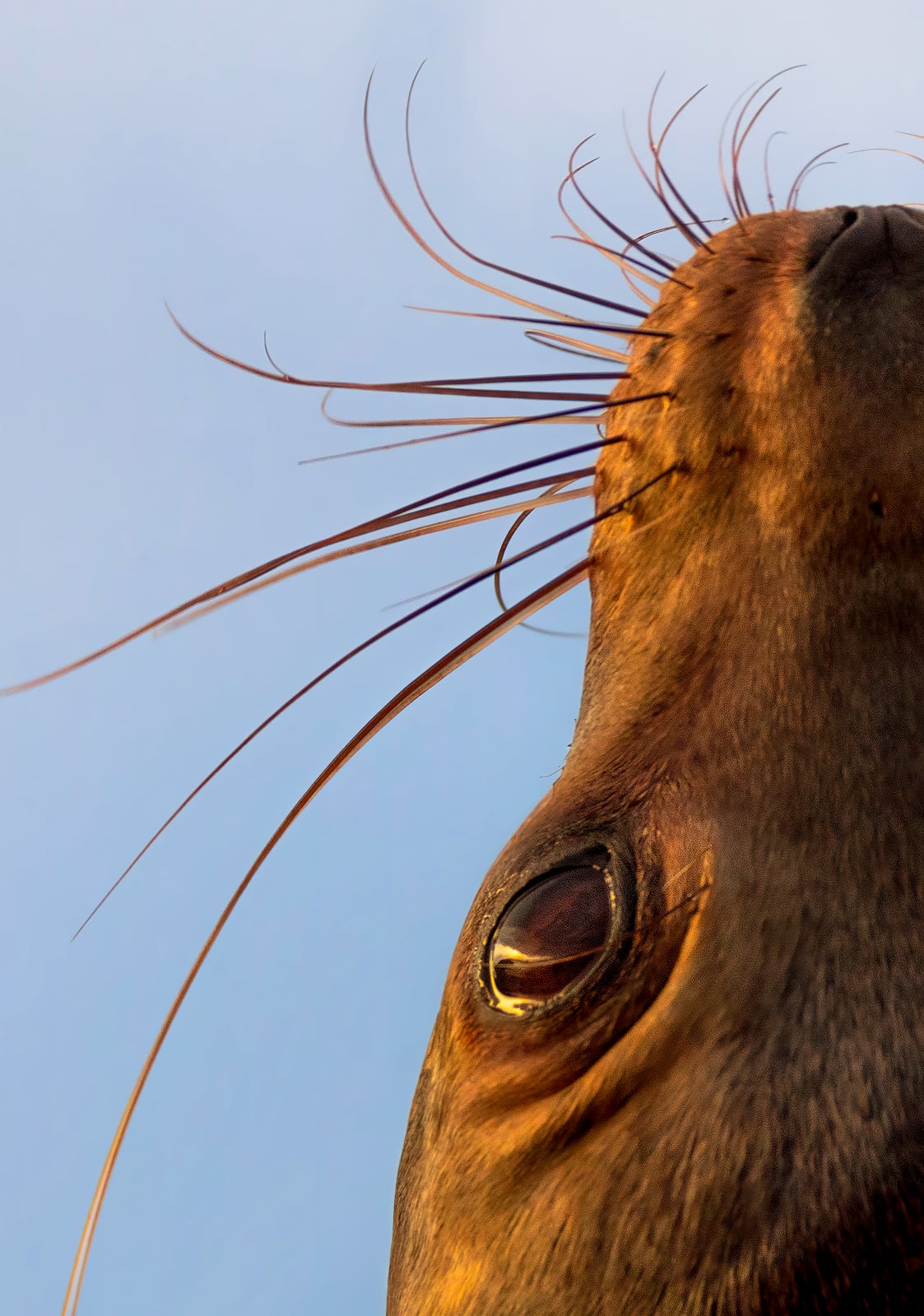
Shot at 1/800, f/5, ISO 400 at 167mm.
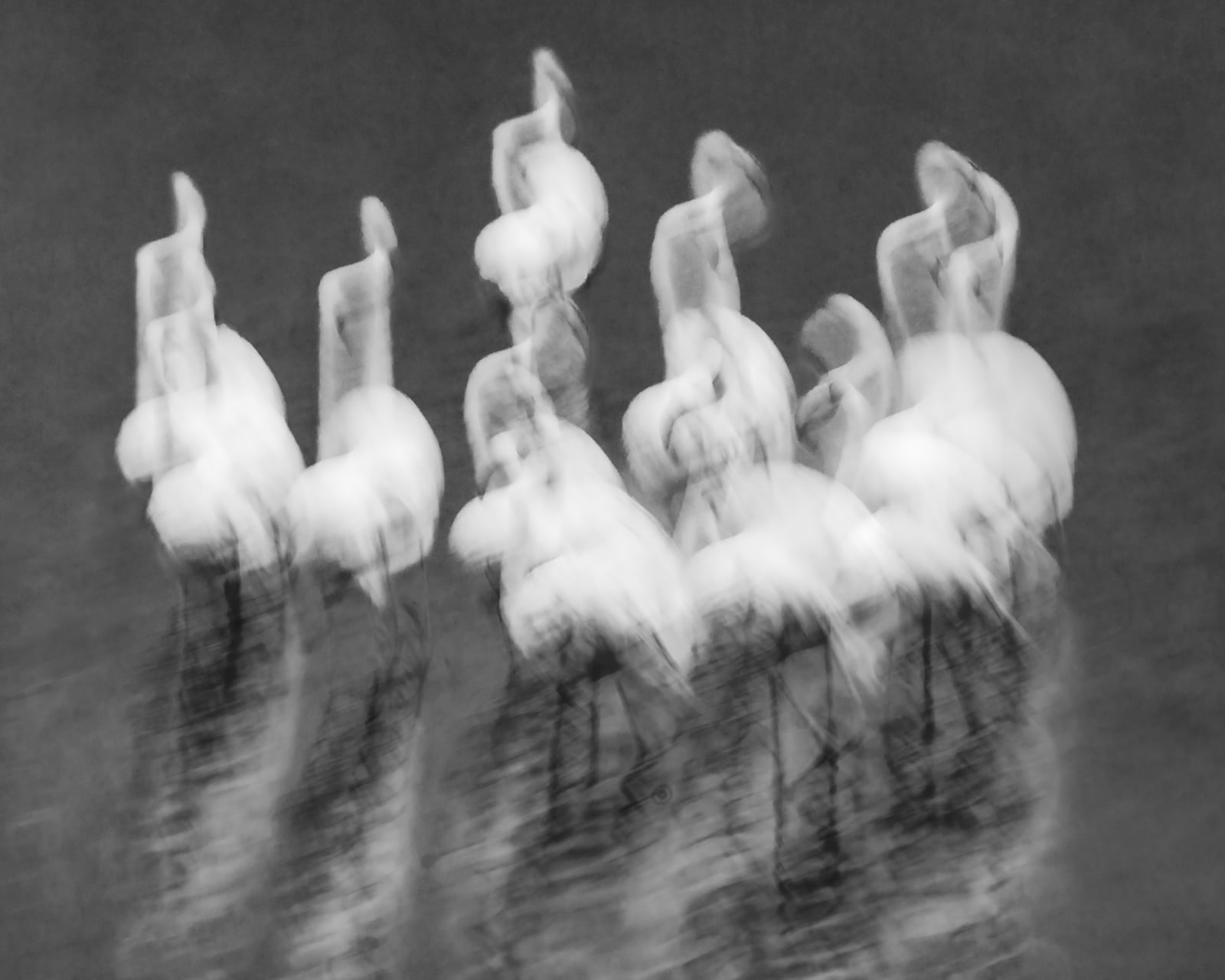
Shot at 1/5, f/13, ISO 100 at 472mm.

Shot at 1/1000, f/7.1, ISO 2500 at 500mm.
Mystery versus Confusion
It’s important to note that mystery is not the same as confusion. This is an essential distinction. Confusion repels; mystery invites. Mystery is orderly; confusion is chaos. Confusion creates barriers, while mystery offers breadcrumbs for viewers to follow their curiosity. The difference lies in intention and execution. Mystery provides enough information to intrigue while withholding just enough to engage the imagination. A mysterious photograph guides the viewer’s eye and suggests possible meanings without dictating a single interpretation.
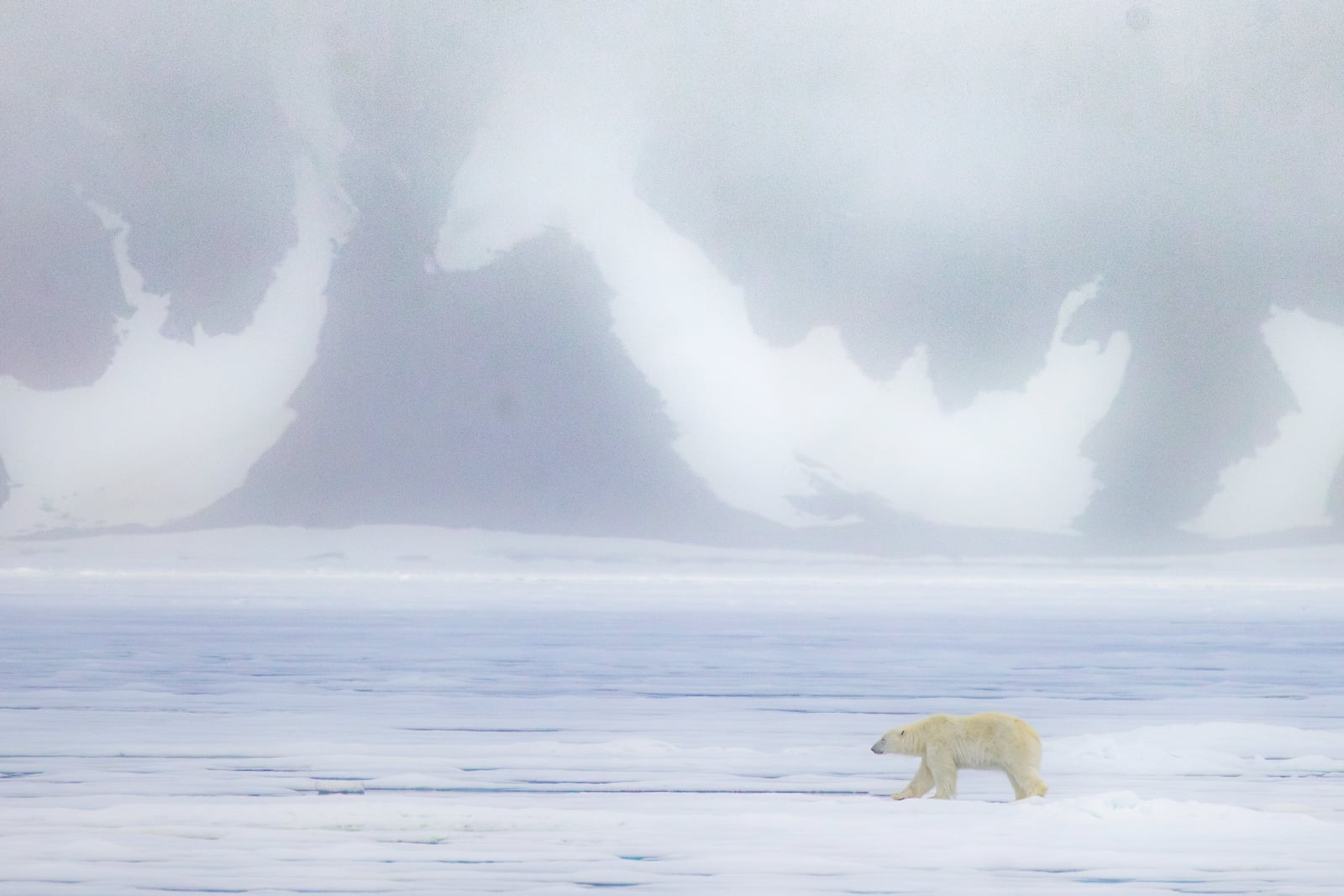
Shot at 1/4000, f/7.1, ISO 1600 at 500mm.
Mystery as Artistic Defiance
The need for mystery has become even more important in the age of AI-generated art. AI excels at creating technically perfect images that are complete and optimized for immediate recognition and comprehension. Yet one of the many things it lacks is what only a human-made photograph can possess: a sense of mystery. Mystery is a signature of human intentionality and consciousness, evidence that deliberate choices were made about what to reveal and what to hide, what to describe and what to suggest, and what is best left unsaid and left to the viewer’s imagination.
Perhaps most importantly, embracing mystery means acknowledging the limits of what art can explain. Life is mysterious. Nature is mysterious. People are mysterious. The world refuses to be fully known or documented. Meaningful photography embraces that mystery and honors the truth of human experience.
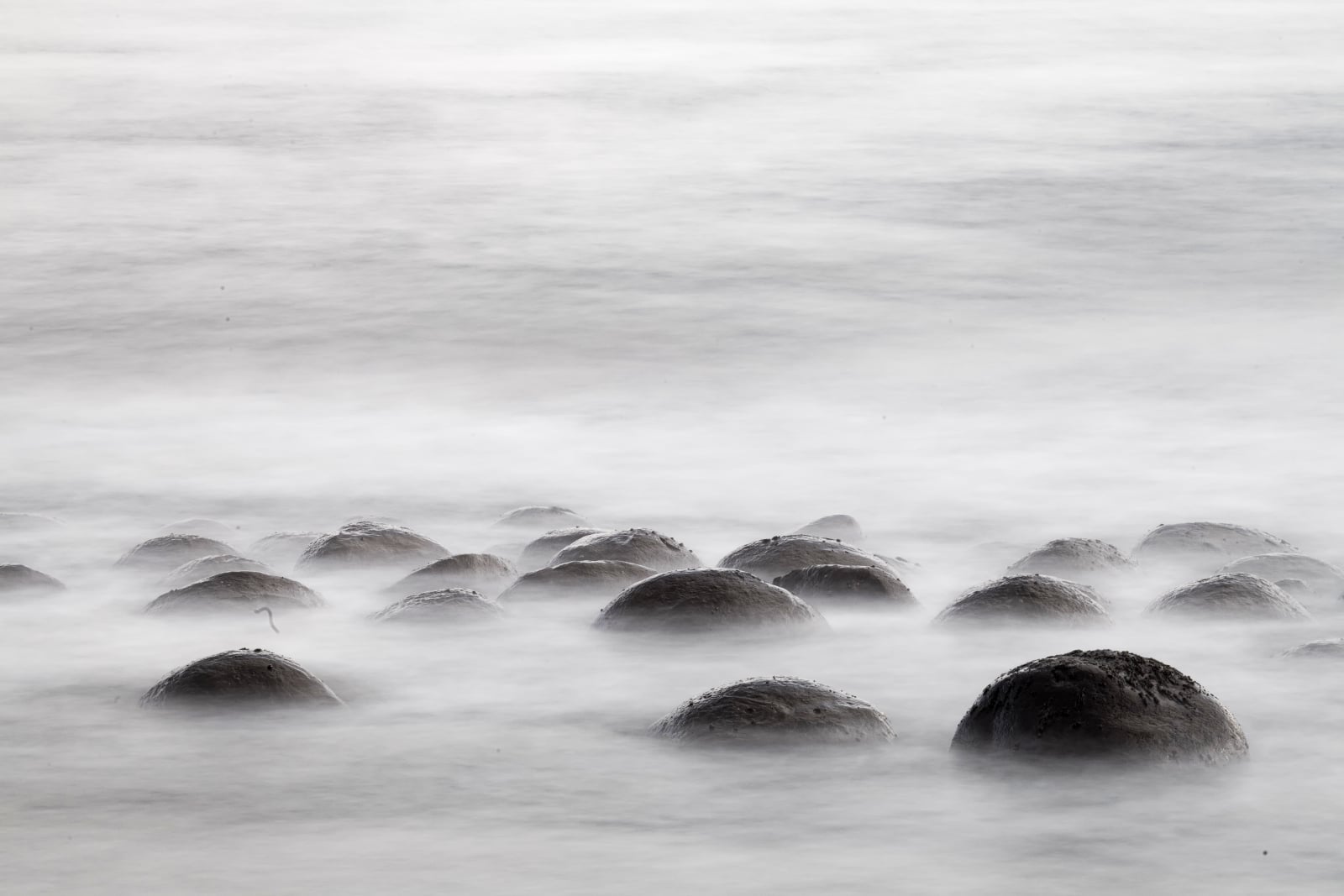
Shot at 30 sec, f/20, ISO 160 at 180mm.
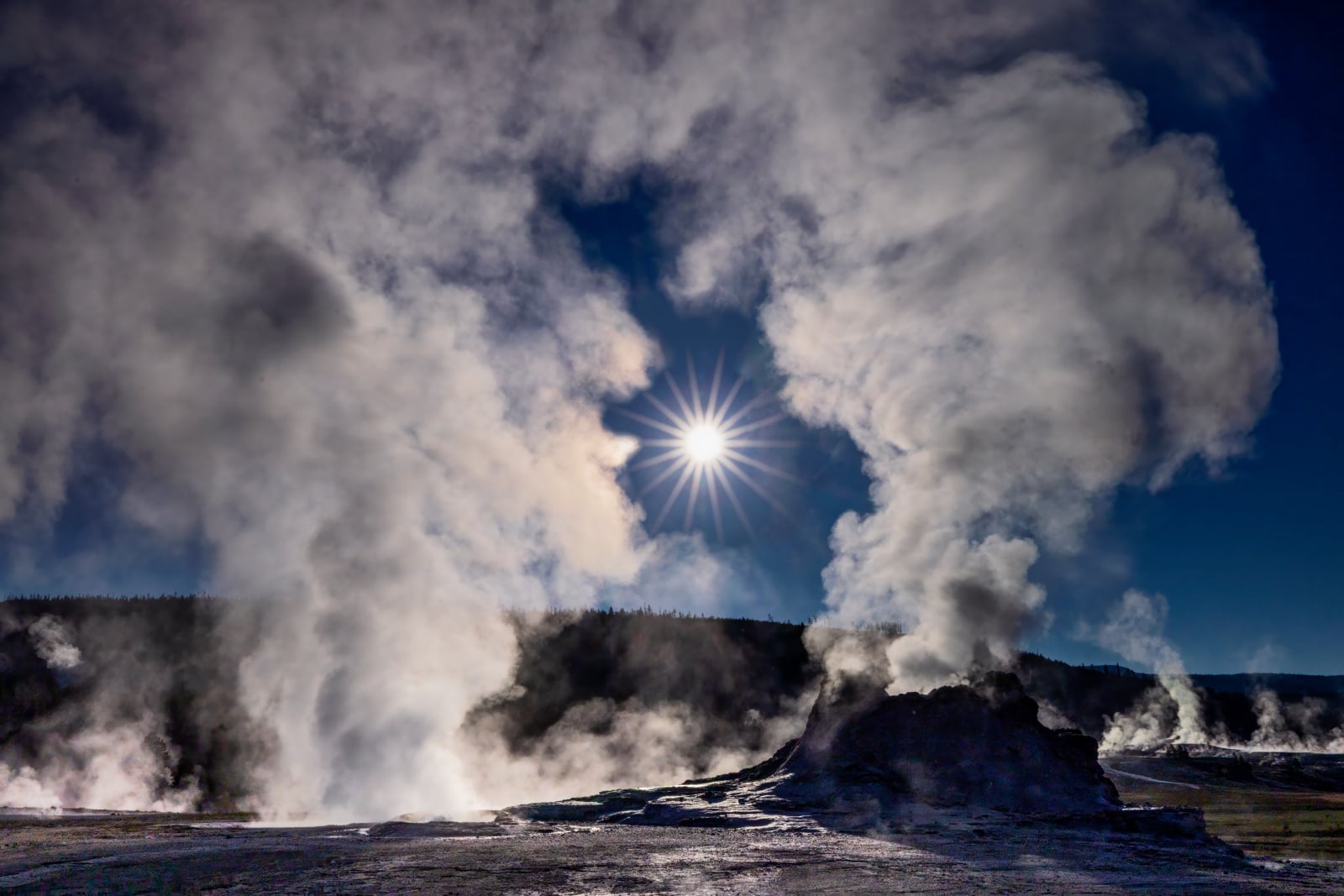
Shot at 1/3200, f/22, ISO 320 at 35mm.
Mystery is the Magic
The use of mystery doesn’t guarantee powerful or emotionally engaging photography, nor do images need mystery to be meaningful. But mystery remains one of the most powerful tools in art, drawing us back to great photographs time and time again. The images that truly stay with us are the ones that remain slightly out of reach, preserving some essential unknowability at their core. That is where meaningful photography transcends mere documentation and becomes art. It is where mystery continues to work its ancient and inexhaustible magic.
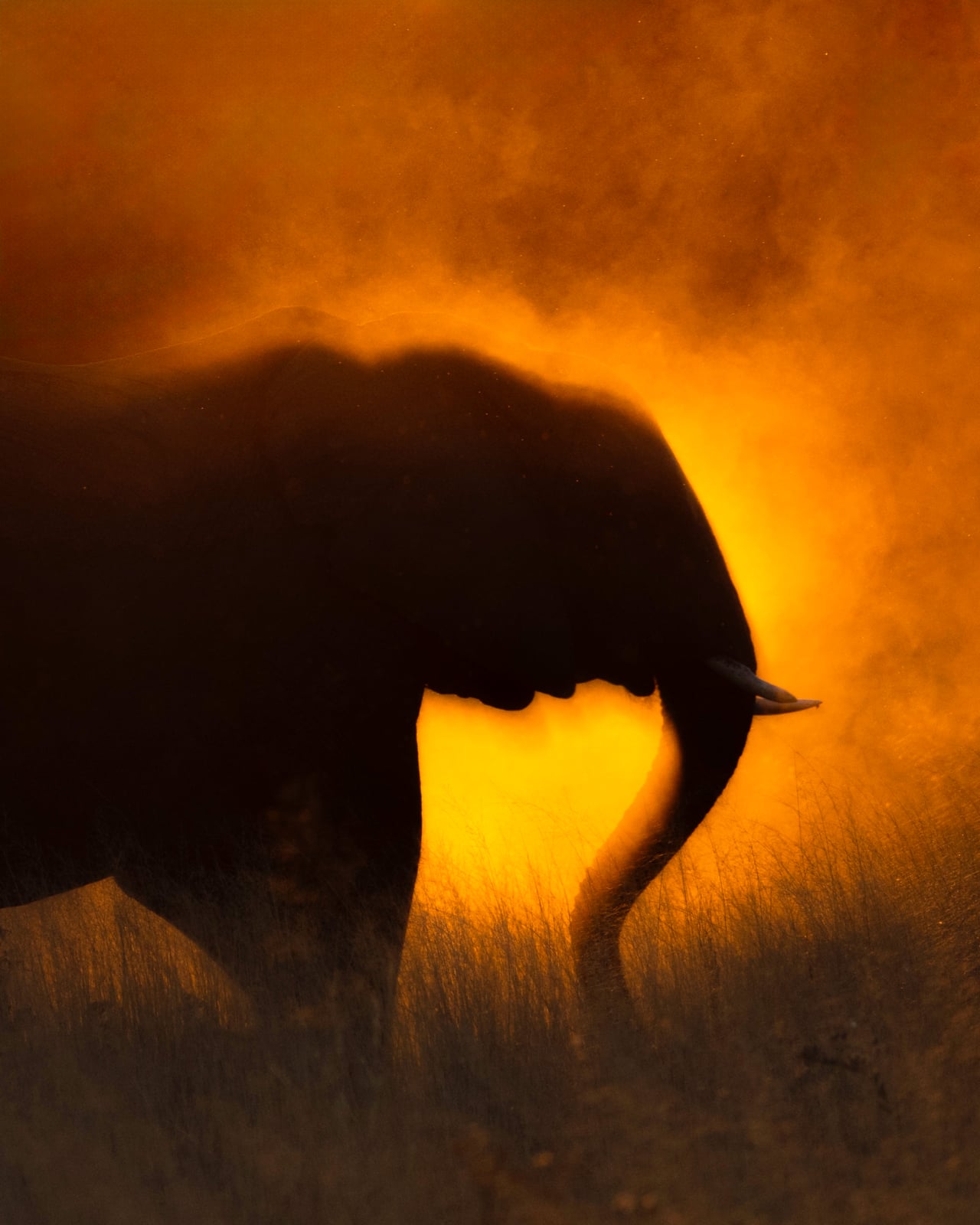
Shot at 1/1000, f/5.6, ISO 500 at 300mm.
Full disclosure: This article was brought to you by Muench Workshops.
All photos taken by Richard Bernabe.
From Muench Workshops
Get your free print copy
Richard Bernabe’s “The Magic of Mystery” is featured in Photography Destinations Magazine from Muench Workshops, along with more photography tips, stories from the field, and destinations from around the world.
Affiliate Disclosure PetaPixel articles may include affiliate links; we may earn a commission if you buy through one.