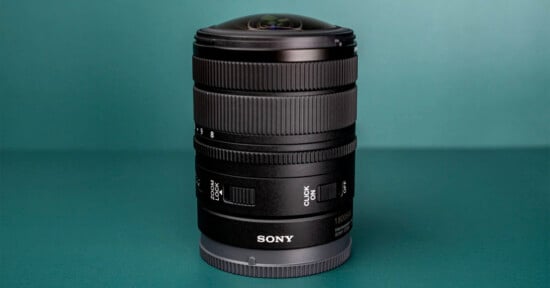
Sony FE 8-14mm f/3.5 Fisheye G Review: Fisheye Finally Fulfilled
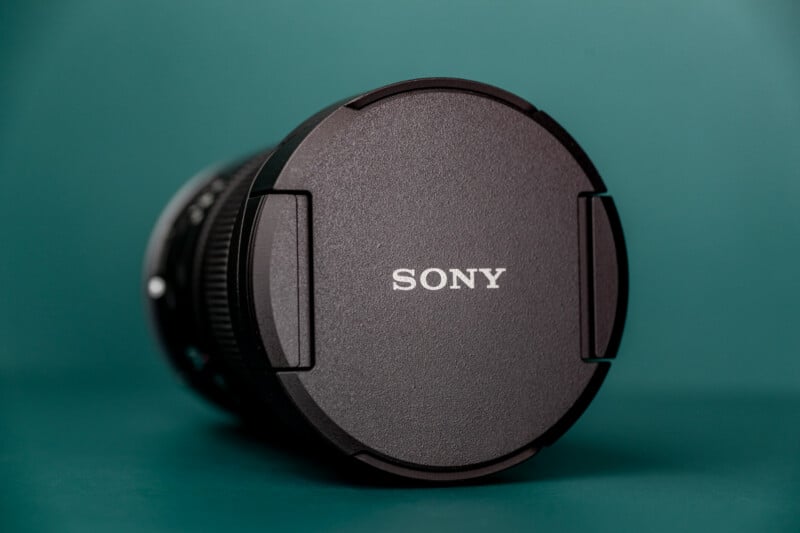
It has been lean times for fisheye fans invested in the Sony E-Mount. While we’ve seen some affordable third-party options, the last full-frame fisheye with a Sony badge on it was a 16mm for the A-Mount (that was 20 years ago!). Now, Sony is doing its best to rectify the situation with its $1,600 FE 8-14mm f/3.5 G, a fisheye zoom lens which features many of its latest technologies.

Fisheye lenses have been very popular with videographers and filmmakers, and those capturing action sports will likely appreciate the fast and smooth autofocus.
Pros
- Exceptionally small and light
- Excellent sharpness throughout the frame
- Fast, smooth autofocus motors
- Flare is very well controlled
Cons
- Busy bokeh
- Corners are a tad soft wide open
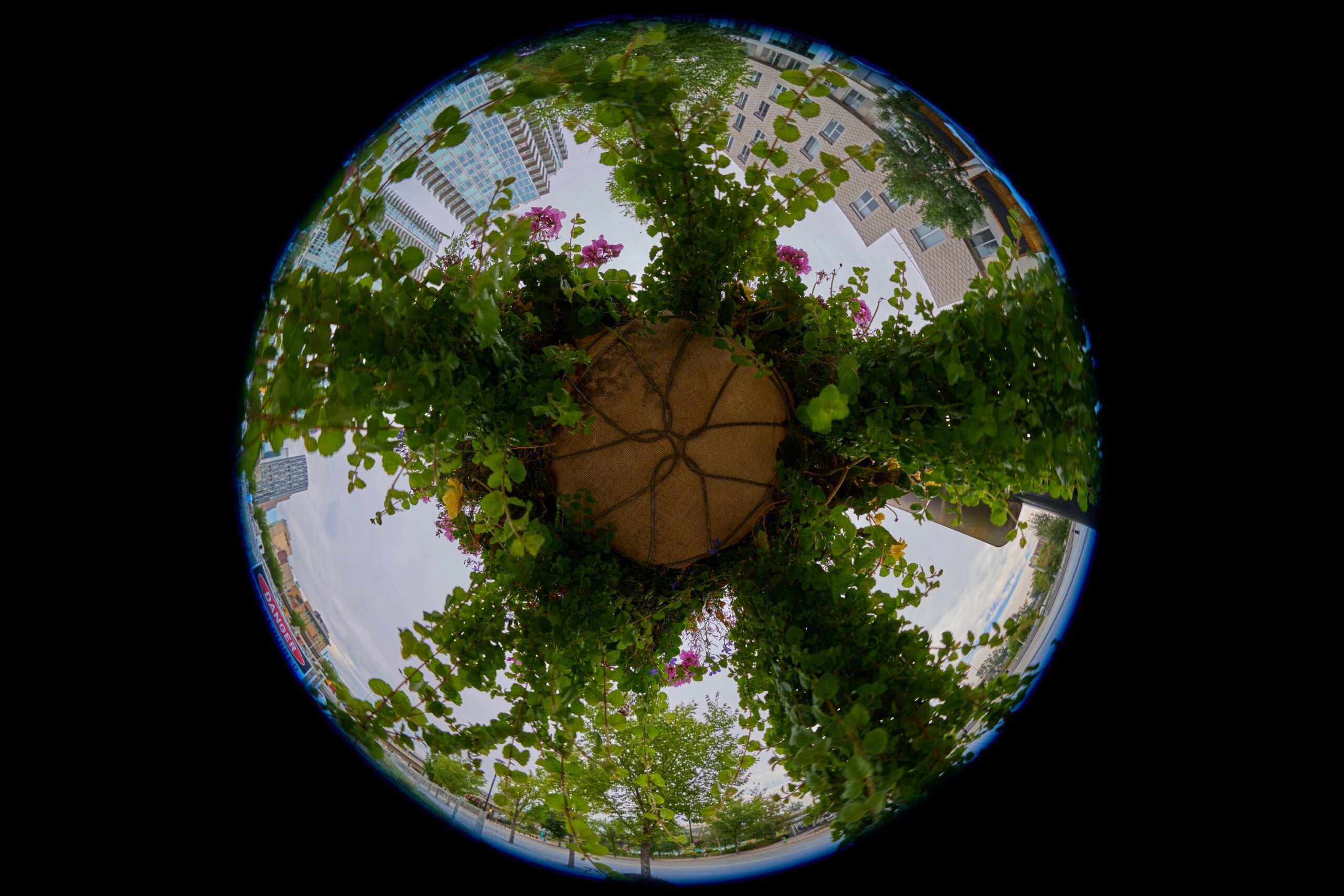
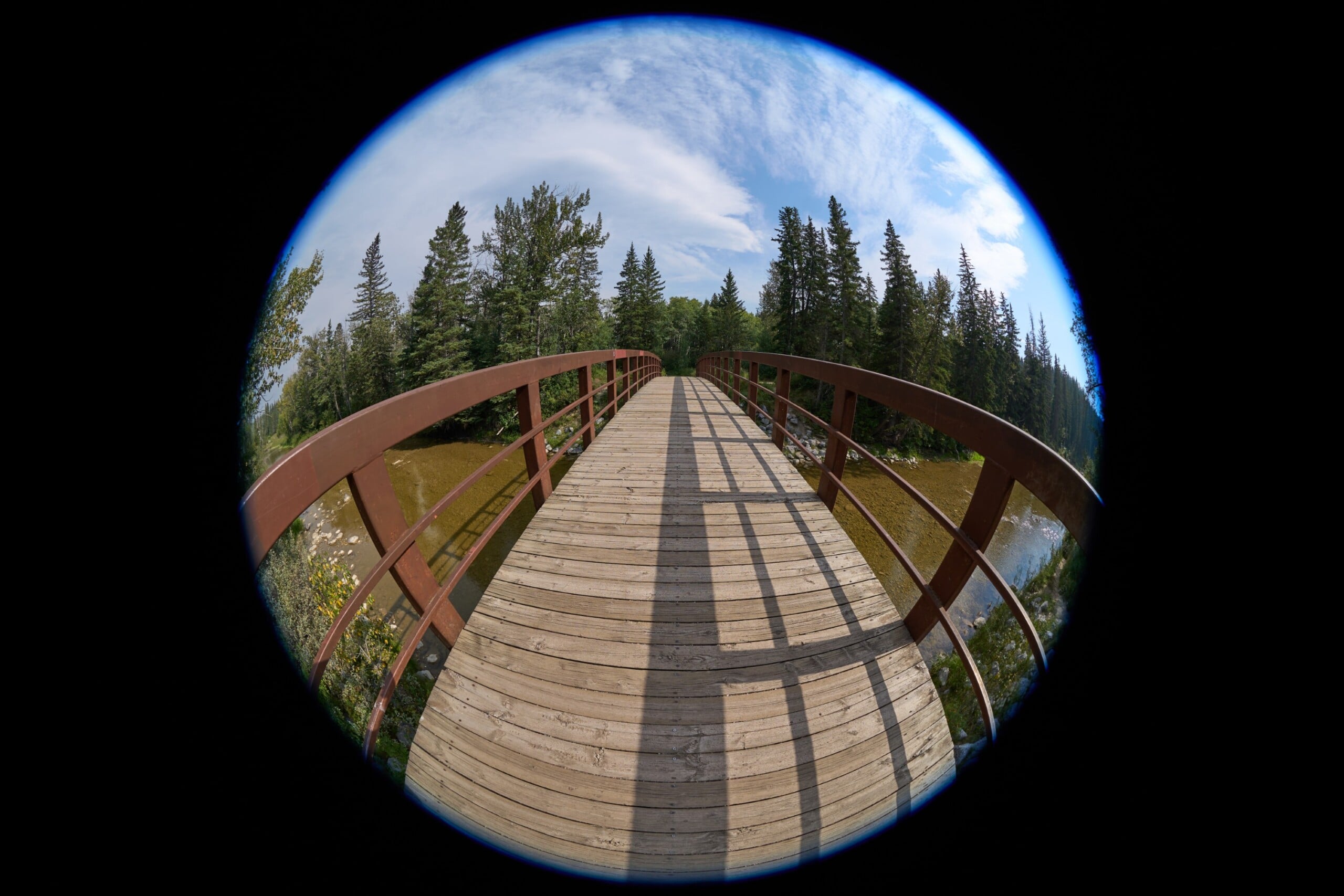
So what good is a fisheye zoom? Essentially, it gives you two lenses in one. At 8mm, you get a circular fisheye, which has maximum field of view but only covers the top to bottom of your sensor, leaving a massive vignette around the circular image. At 14mm, you are rewarded with full coverage of the sensor, but a reduced field of view. The in-between ranges are largely useless, with massive vignetting, but no distinctive circular image. With that in mind, it’s best to consider this more of a lens with two focal lengths, 8mm and 14mm, not really a traditional zoom.
I had a blast shooting the Laowa 8-15mm f/2.8 last year, but the fully mechanical nature of the lens meant I missed some shots. This new Sony lens sounded like a great chance to try my hand at fisheye photography again, but with autofocus and all the modern conveniences.
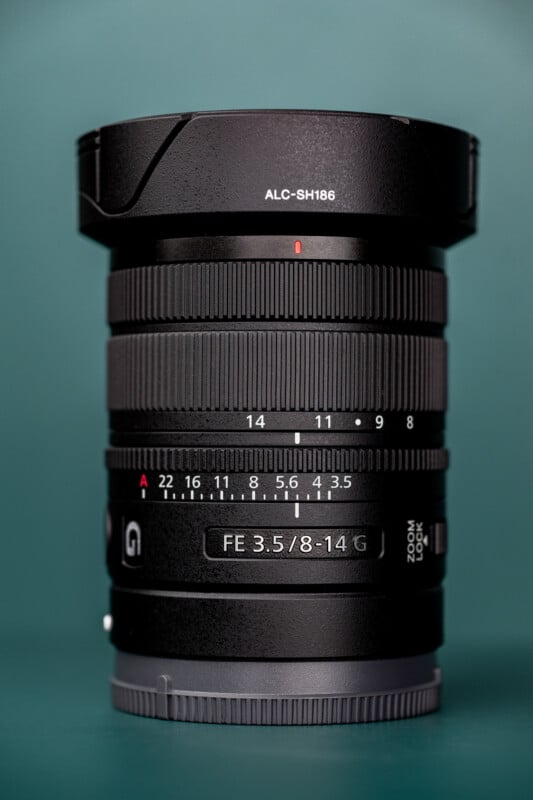
Sony FE 8-14mm f/3.5 Fisheye G Review: How It Feels
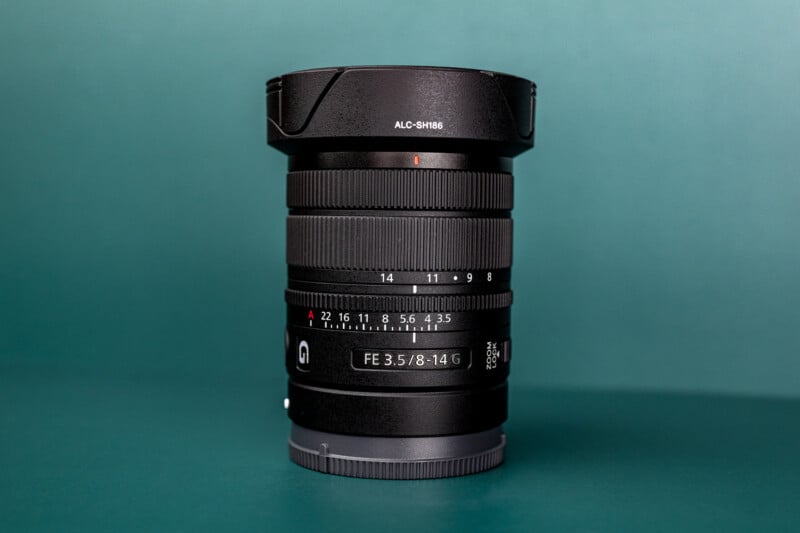
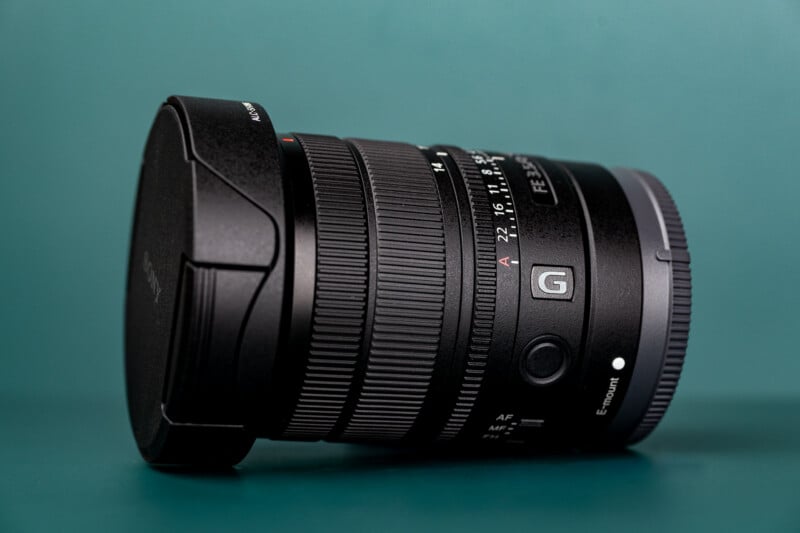
This lens is wonderfully compact and lightweight at only 314 grams (11.1 ounces). Despite that, there are plenty of professional controls. A decent but slightly loose manual focus ring sits in front of the beautifully stamped zoom ring. As well, there is a proper aperture ring which can be clicky for photographers or de-clicked for video folks. This aperture ring can also be locked into the auto position and controlled by the camera body.
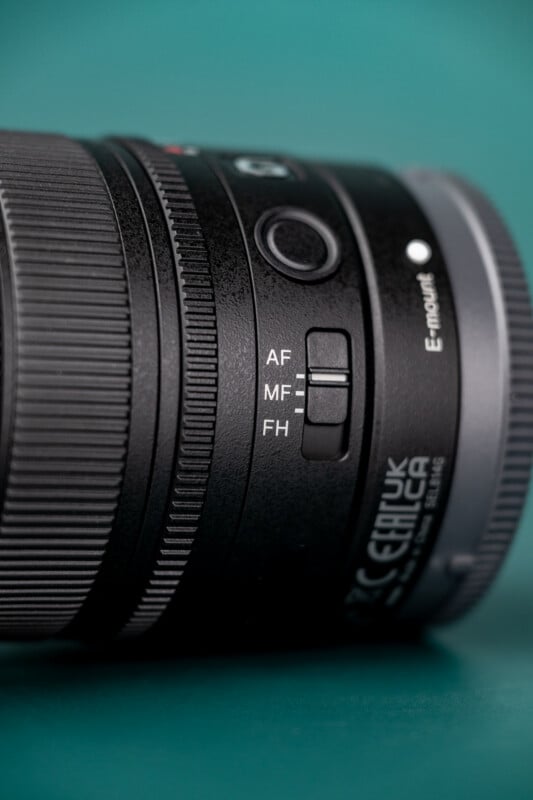
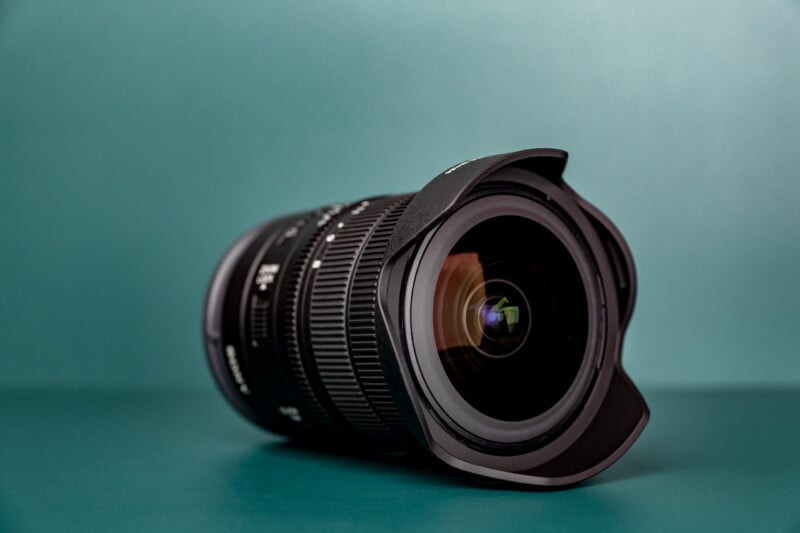
There are a few design innovations that are unique to this lens. Starting at the front, there is a removable hood which will help with stray light at 14mm, but at any other focal length you will need to remove the hood to avoid even more vignetting. Also, alongside the familiar MF/AF switch, there is a new setting “FH” for Focus Hold. This will lock focus at its current setting, which is especially useful for VR and 3D production. Finally, there is a new Zoom Lock, which will keep the lens at 8mm or 14mm, avoiding accidentally slipping into the less-useful middle ranges.
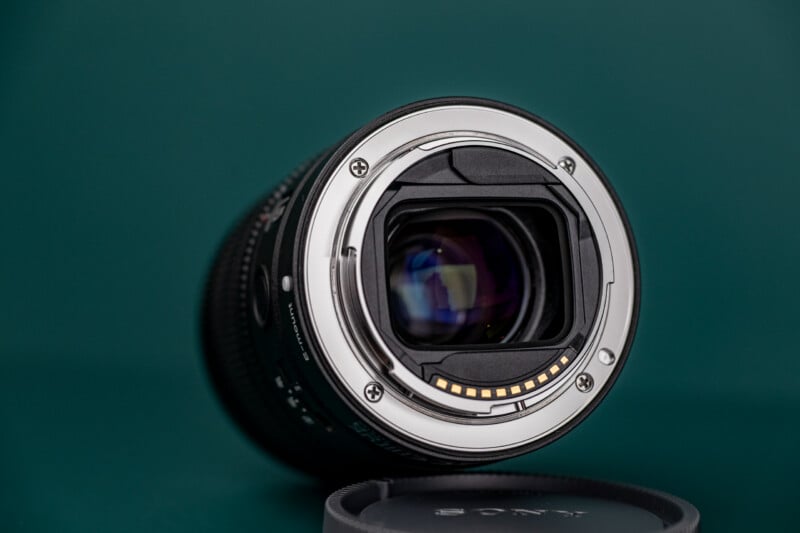
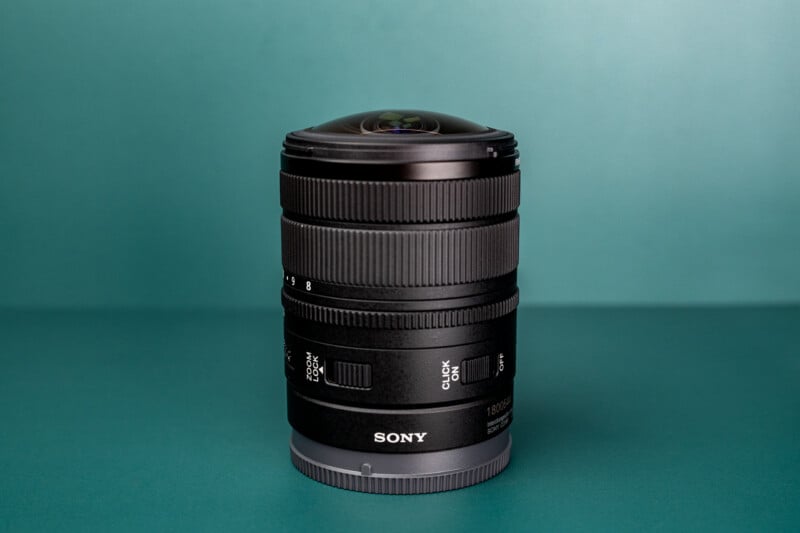
The build quality is excellent on all these controls, and there is a degree of weather sealing throughout, so shooting in light rain shouldn’t be particularly terrifying.
Sony FE 8-14mm f/3.5 Fisheye G Review: How It Shoots
This lens utilizes two linear motors, but not the XD linear motors found in most premium G-Master glass. Despite this, autofocus performance is extremely snappy even when going from macro to infinity. This lens should be able to tackle action sports like skateboarding with aplomb.
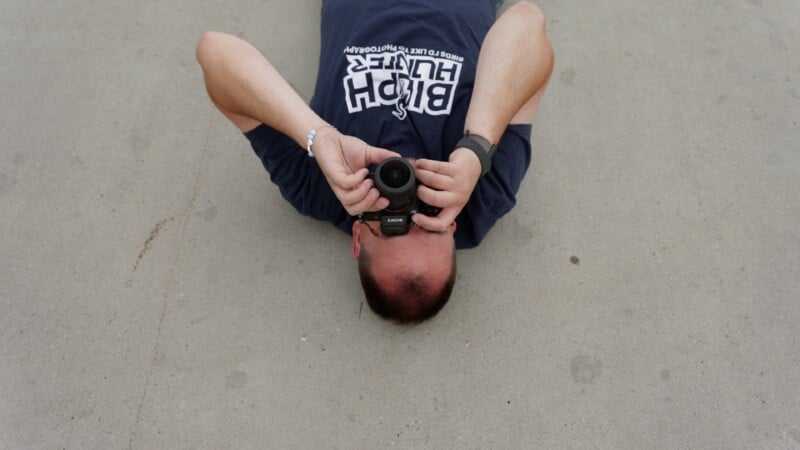

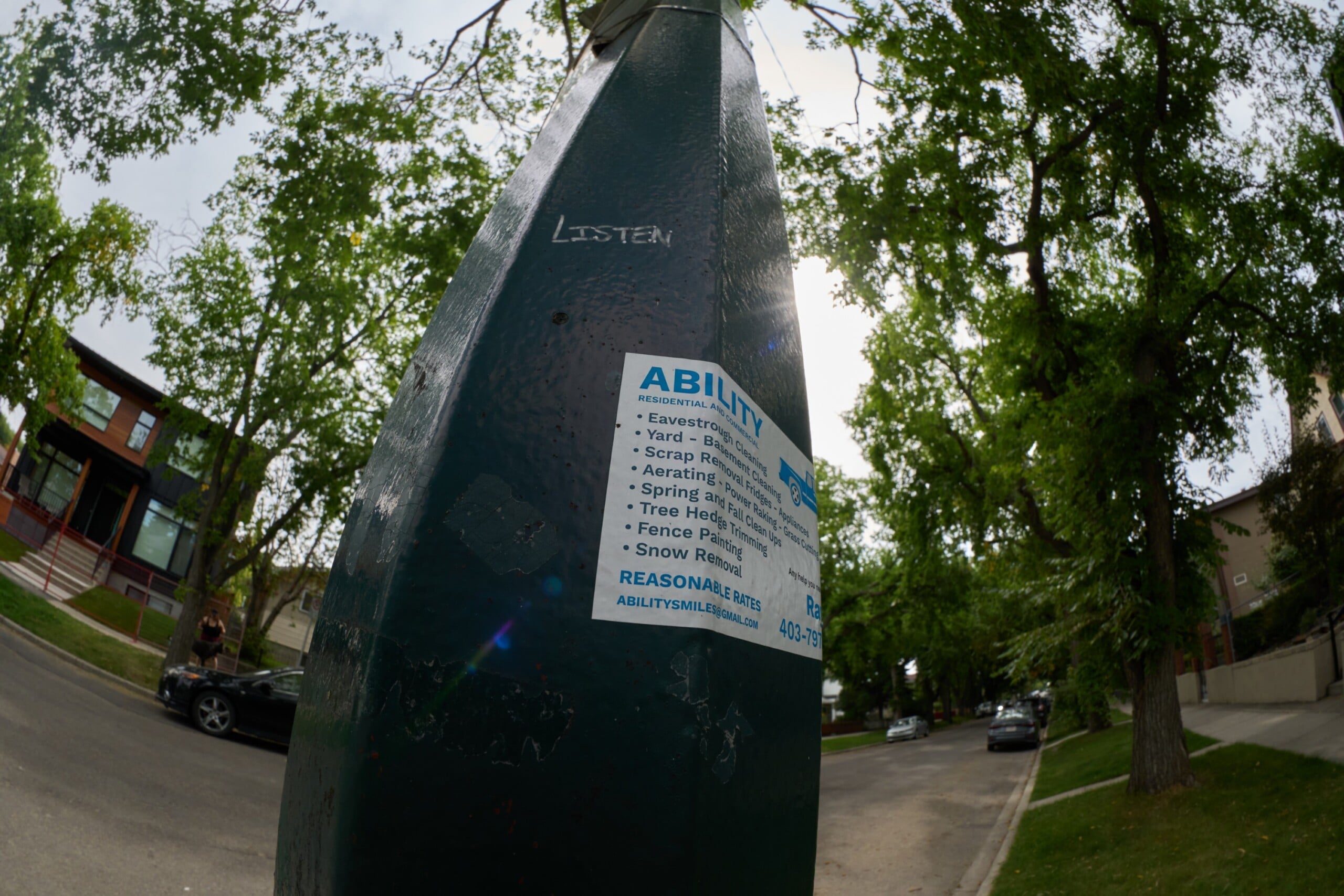
With a 0.22x magnification ratio at 14mm, this is definitely not a macro lens, but you can get extremely close to subjects and still achieve focus. The issue is that your lens will often be casting a shadow on your subject, but if conditions allow, it can create some distinctive images.


Like most recent Sony optics, flare is extremely well controlled. Some minor ghosting can be seen when heavily stopped down, but contrast remains solid with bright light sources in the frame. This is important because the extremely wide field of view this lens captures will often include the sun.
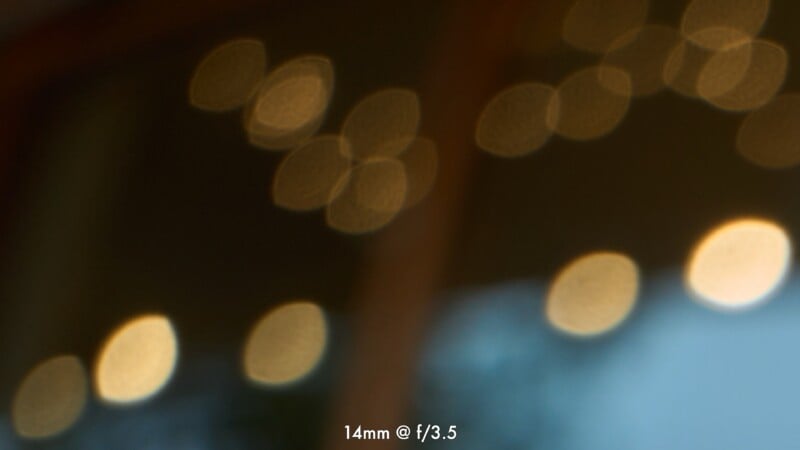
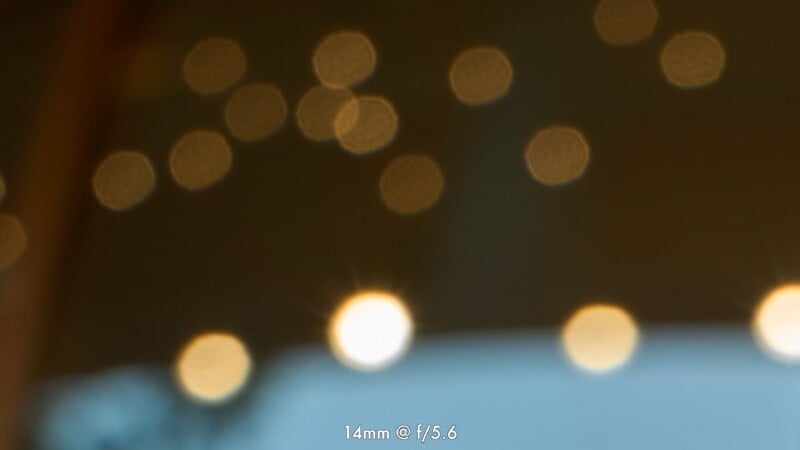
Bokeh is obviously not a major concern on a lens like this, as depth of field is massive when focusing even a couple of feet away. However, for close-up shots, when shooting wide open, you can get a soft foreground or background. If you have specular highlights, they are pretty busy with a noticeable soap bubble effect and some onion rings. This leads to a somewhat “nervous” look to the out-of-focus areas. This is not a major concern for a fisheye lens, but still one worth pointing out.

Fisheye lenses have been very popular with videographers and filmmakers, and those capturing action sports will likely appreciate the fast and smooth autofocus. But they may be concerned about breathing, where the field of view changes when focus is shifted and can be quite distracting. The Sigma 8-14mm f/3.5 G exhibits some minor breathing, but the effect is not so extreme that it will distract the audience.
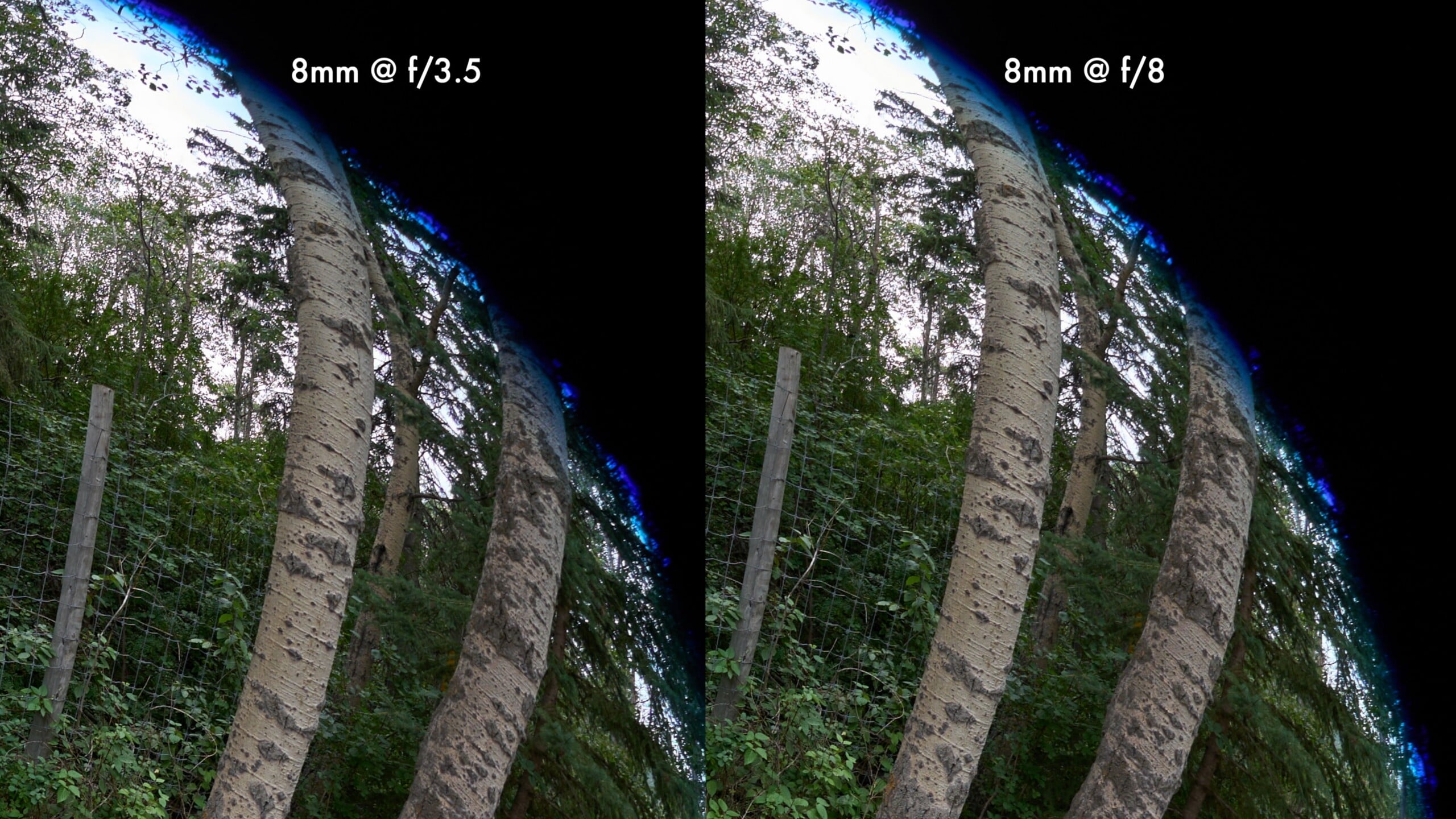
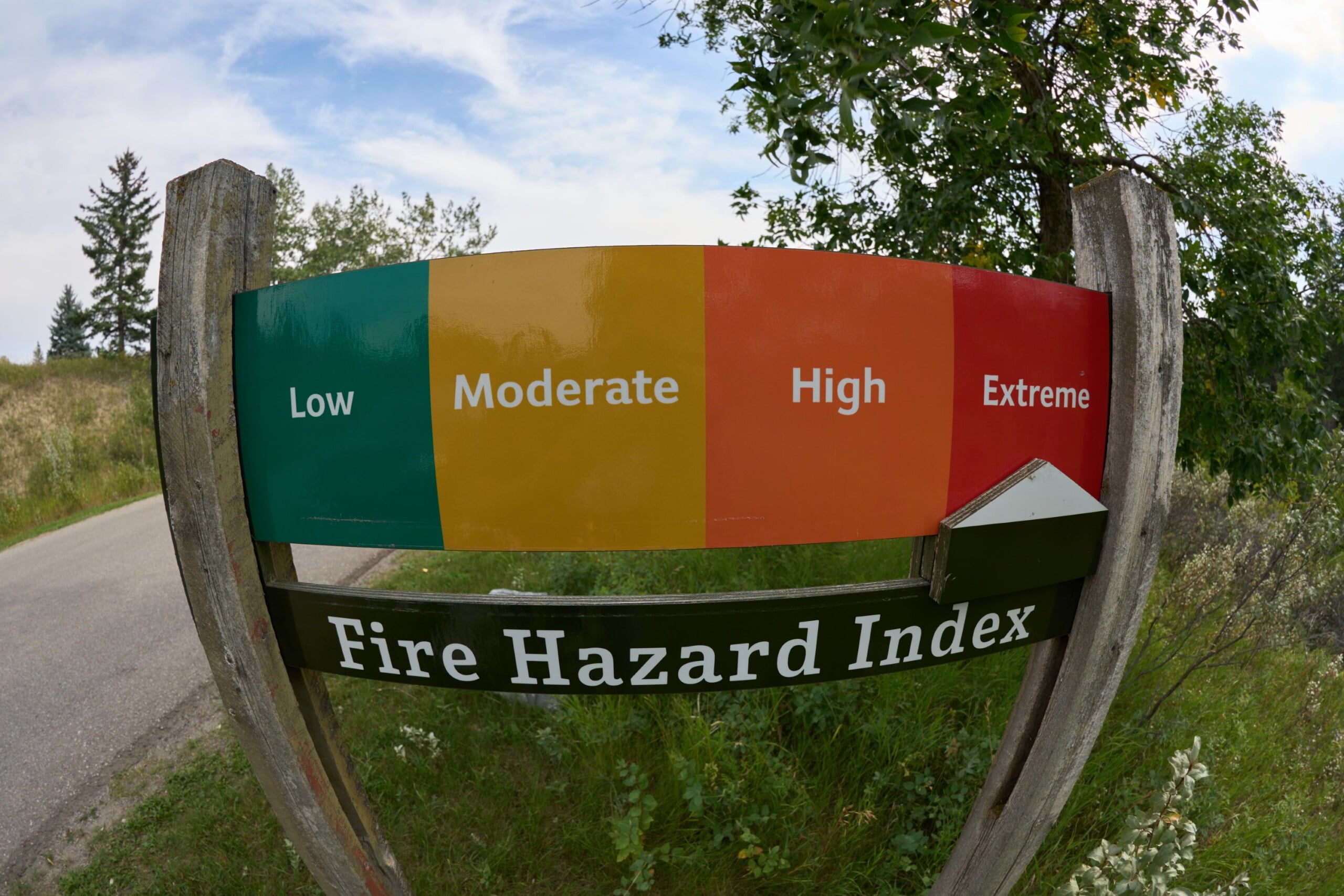
But is it sharp? Since test charts don’t work well for testing lenses like this, I instead photographed an outdoor scene. At 8mm in the center, the image is extremely sharp, with minimal benefits when stopping down. The corners do exhibit very minor softness at f/3.5, but I’d say the distortion makes the impact negligible. Upon stopping down to f/8, corners sharpen right up.

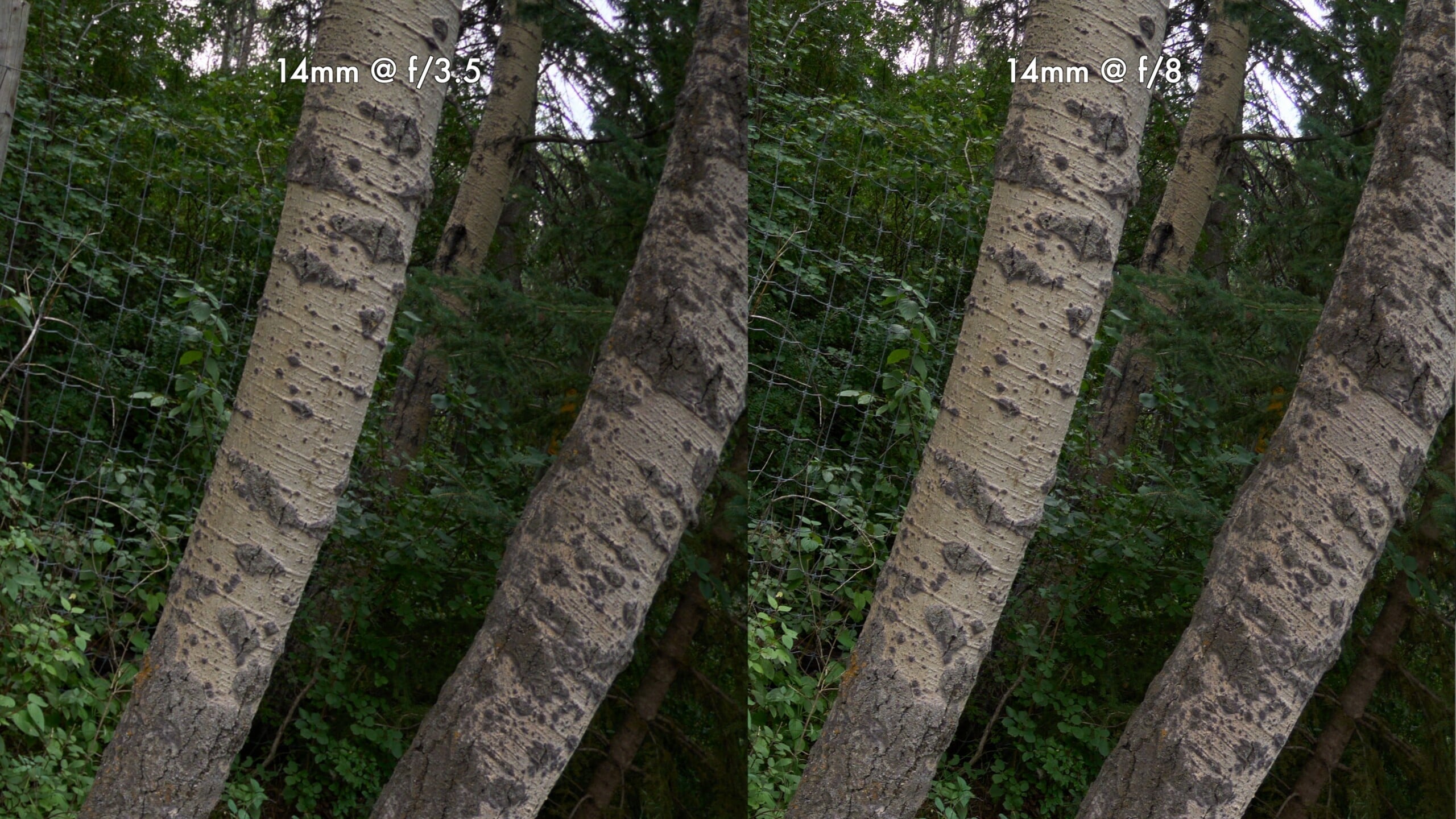
At 14mm we see a similar story. The center is very sharp wide open, with only a little improvement to contrast upon stopping down. The corners are also quite good, though we do see slight improvement at f/8. Overall, the images from this lens capture plenty of detail, and it will be well suited to high-resolution bodies like the a7R and a1 series.

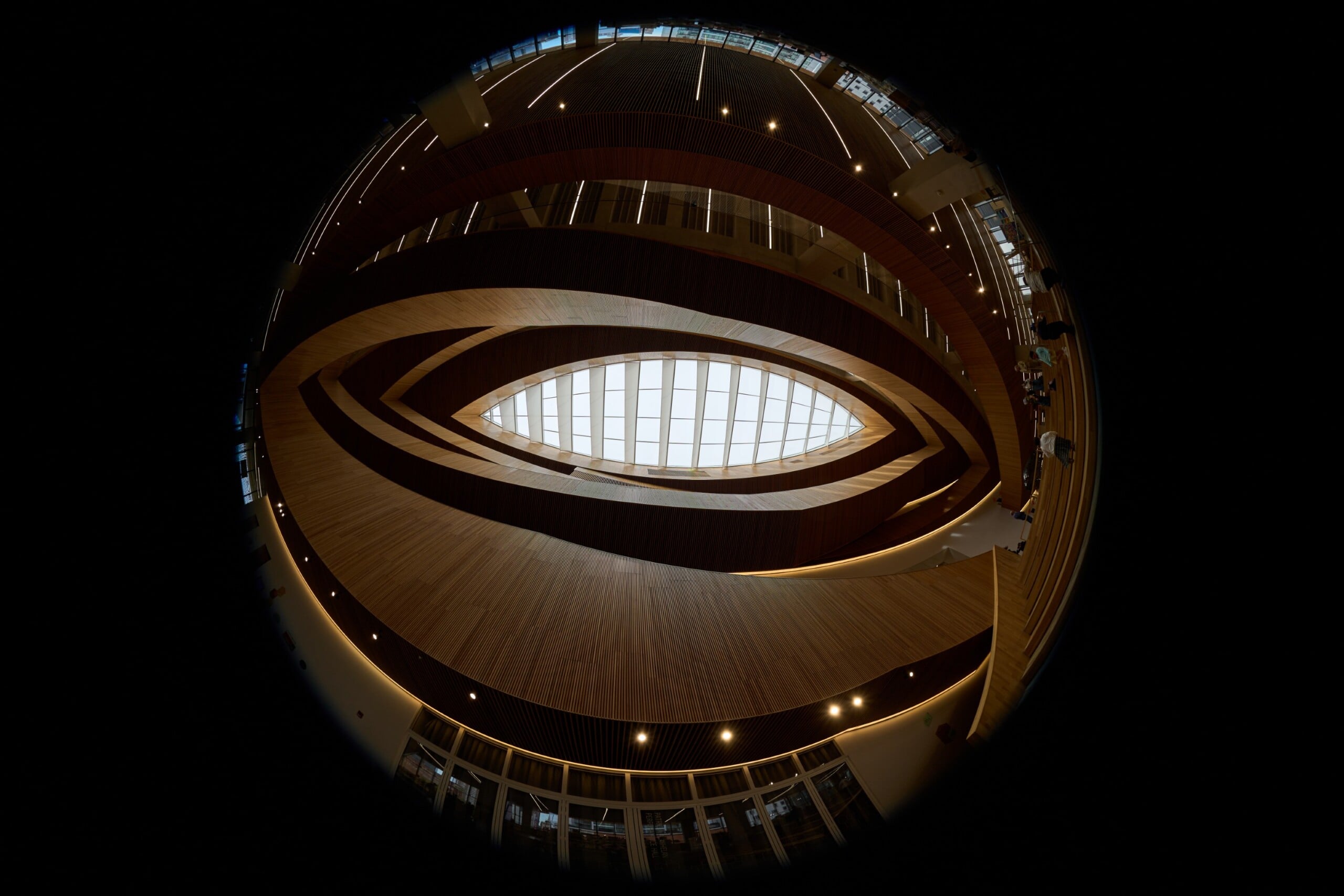
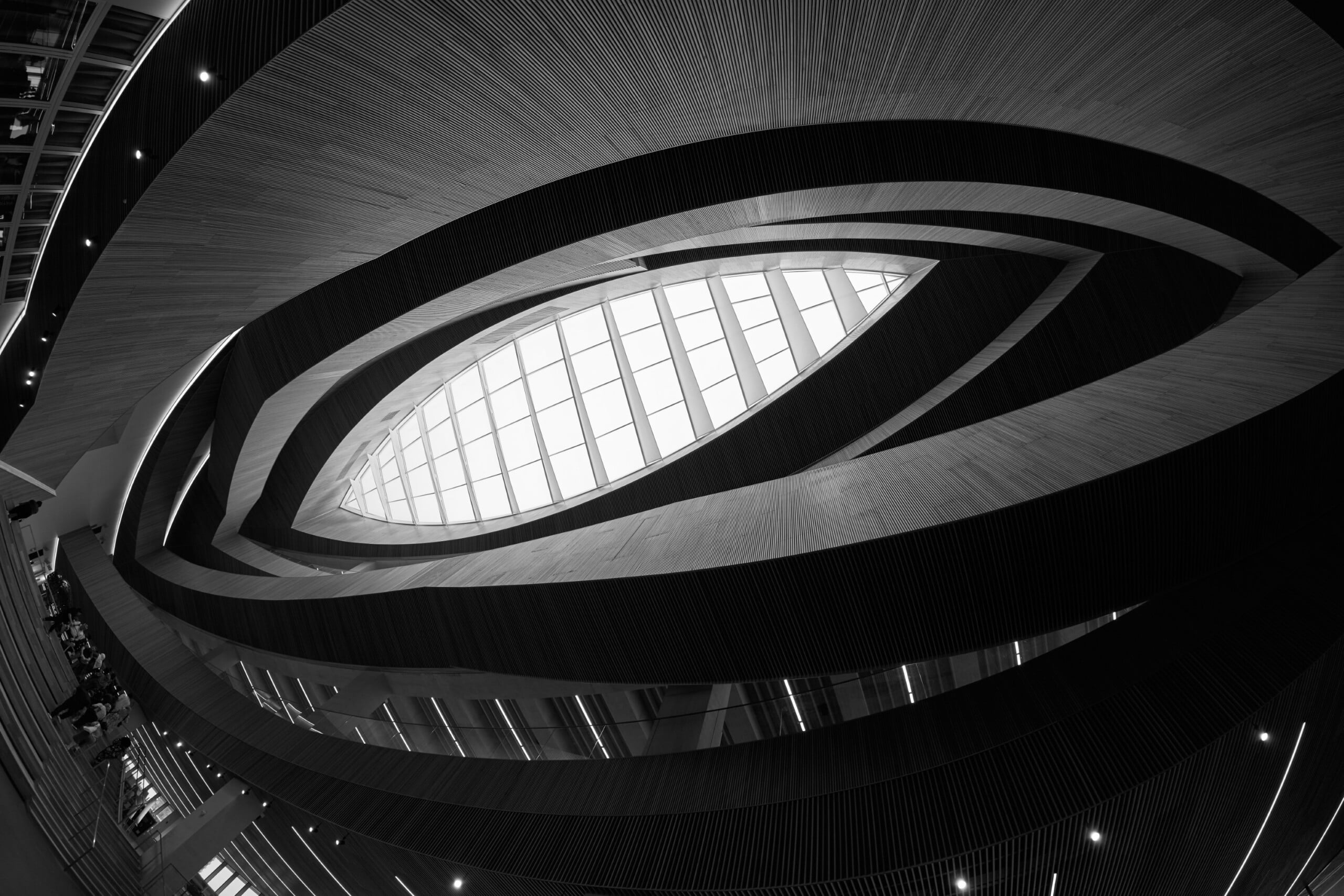
It’s also worth pointing out that the outside of the lens capture area has a thin blue halo. I think this looks cool, but if you’d prefer not to have it, it is easily removed in post.

Sony FE 8-14mm f/3.5 Fisheye G Review: A Fun Lens
The Sony 8-14mm f/3.5 G is an incredibly fun lens to use. While I still have a lot to learn about both circular and diagonal fisheye photography, the modern technology like fast autofocus, zoom lock and excellent optical characteristics meant I could focus more on my composition and less on the technical side of photography.


The real question is, will your photography or videography benefit enough from the modern advancements in this lens to justify the relatively high ($1,600) asking price? If you want to shoot fast action or take full advantage of high resolution sensors, this lens will justify its cost. If not, there are much more affordable options that can deliver a similar aesthetic.
Are There Alternatives?
The major fisheye zoom competitor in E-Mount is the Laowa 8-15mm f/2.8 ($699). That is a fully mechanical lens, so there is no autofocus or communication with the body. While it is brighter than the Sony, it is considerably softer throughout the range. The Sony provides a much more modern experience, and the autofocus makes it more usable for shooting action.
The other options will be designed for DSLR, like the Canon EF 8-15mm f/4 or Nikkor AF-S 8-15mm. They will require an adaptor and be subject to the inconsistencies of adapting lenses.
Should You Buy It?
Yes, but only if you love fisheye photography. But if you don’t, why did you read this far?
Affiliate Disclosure PetaPixel articles may include affiliate links; we may earn a commission if you buy through one.