Sony’s Image Sensor Division Is Extremely Profitable
Sony recently released its FY2026 Q1 financial results, and it has been an excellent start to the year for Sony overall.
Sony’s operating income in the first quarter was 476.5 billion yen, or about $3.012 billion at current exchange rates. That is up 136.5 billion yen compared to FY2025 Q1, a 40 percent increase in profit for the Japanese technology and entertainment giant.
That is obviously good news for Sony as a whole, but the picture gets more interesting when drilling down into the company’s individual segments. Sony is a massive company with its hands in many different pies, including Game & Network Services; Music; Pictures (like movies, not photographs); Entertainment, Technology & Services (ET&S); Imaging & Sensing Solutions (I&SS), and more.
Sony’s Alpha cameras and lenses fall under the ET&S banner, which had a 9.6 billion yen sales increase versus the first quarter last year but a slight dip in operating income, dropping from 43.1 to 42.6 billion yen.
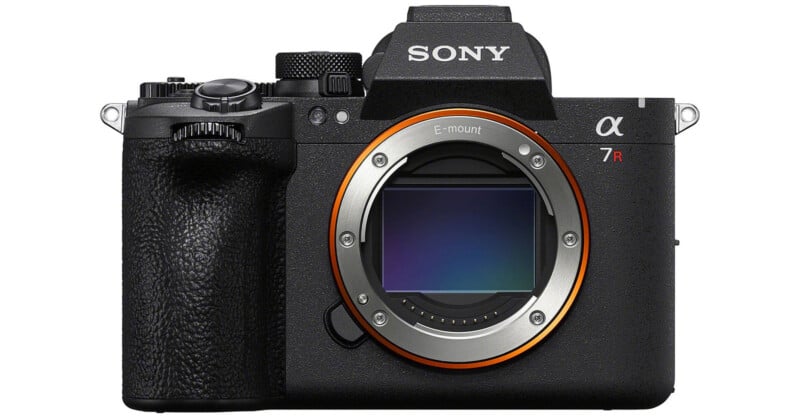
Although this division, which also includes things like audio products and televisions, did not perform particularly well in FY2026 Q1, Sony did shout out the Sony a7 V and a7R VI as exciting and successful new camera models, as CineD notes.
Arriving late last year, the Sony a7 V impressed PetaPixel‘s reviewers for its meaningful improvements, new speed, and impressive dynamic range performance. It finished a very close second behind the Canon EOS R6 III in PetaPixel‘s annual Awards.
The Sony a7R VI was announced in May, featuring an all-new 67-megapixel image sensor and incredible performance. While there are presumably still many products left to be unveiled this year, the a7R VI will undoubtedly be in contention for awards.
Sony notes that the imaging market remained stable in all regions except for China, which “continued to experience negative growth year-on-year.” The Chinese imaging market is one to keep a close eye on, as it has become increasingly important to camera makers in recent years.
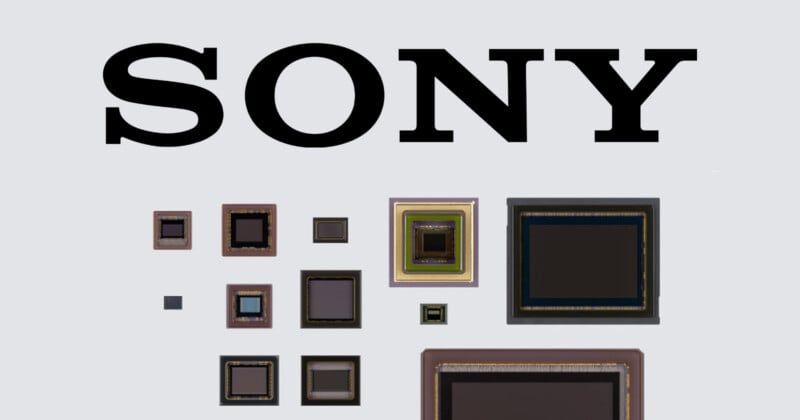
Meanwhile, in a related but separate business segment, Imaging & Sensing Solutions, Sony had tremendous success. Obviously, Sony puts its own image sensors inside its Alpha, FX, and CineAlta cameras. But Sony also sells image sensors to a wide range of other manufacturers, including some of its competitors and many leading smartphone makers.
The I&SS division had 512.7 billion yen in sales in the first quarter of this fiscal year and 122.2 billion yen ($772 million) in operating income. This is not only a 68 billion yen jump in operating income compared to the same period last year, but the I&SS segment was Sony’s second most-successful segment, behind G&NS.
As part of its financial presentation, Sony also took questions from investors. During that, Sony said that it expects to be back at full capacity this month following the Kumamoto earthquake last week.
Sony also acknowledged that it made an acquisition offer to Tamron. While this was already known thanks to Tamron releasing a statement, this is the first and only time Sony has discussed the matter.
“As announced by Tamron, it is true that we submitted a proposal regarding the acquisition of the company,” Sony said.
“Sony’s Purpose is to ‘Fill the world with emotion, through the power of creativity and technology.’ On the creativity side, we have pursued various acquisitions related to intellectual property over the years. At the same time, technology that supports and empowers creators is one of the pillars of our strategic investment approach. In that sense, this investment falls within one of Sony’s key strategic investment priorities, and we believe it is fully consistent with our investment strategy. As for the details of the proposal, we cannot comment.”
It’s not a particularly robust statement, but it is interesting that Sony specifically brought up “intellectual property” and “technology” in its response to a question about why Sony would want to buy Tamron.
PetaPixel theorized last week that Sony could have numerous motivations for trying to buy Tamron, including acquiring a successful lens business, having more control over Tamron’s E-mount lens designs, or harming Sony’s competitors by preventing Tamron from making lenses for them, either for their mount or as rebranded OEM lenses.
Image creditsSony
Affiliate Disclosure PetaPixel articles may include affiliate links; we may earn a commission if you buy through one.