570-Megapixel Dark Energy Camera Photographs Van Gogh-Esque ‘Starry Night’
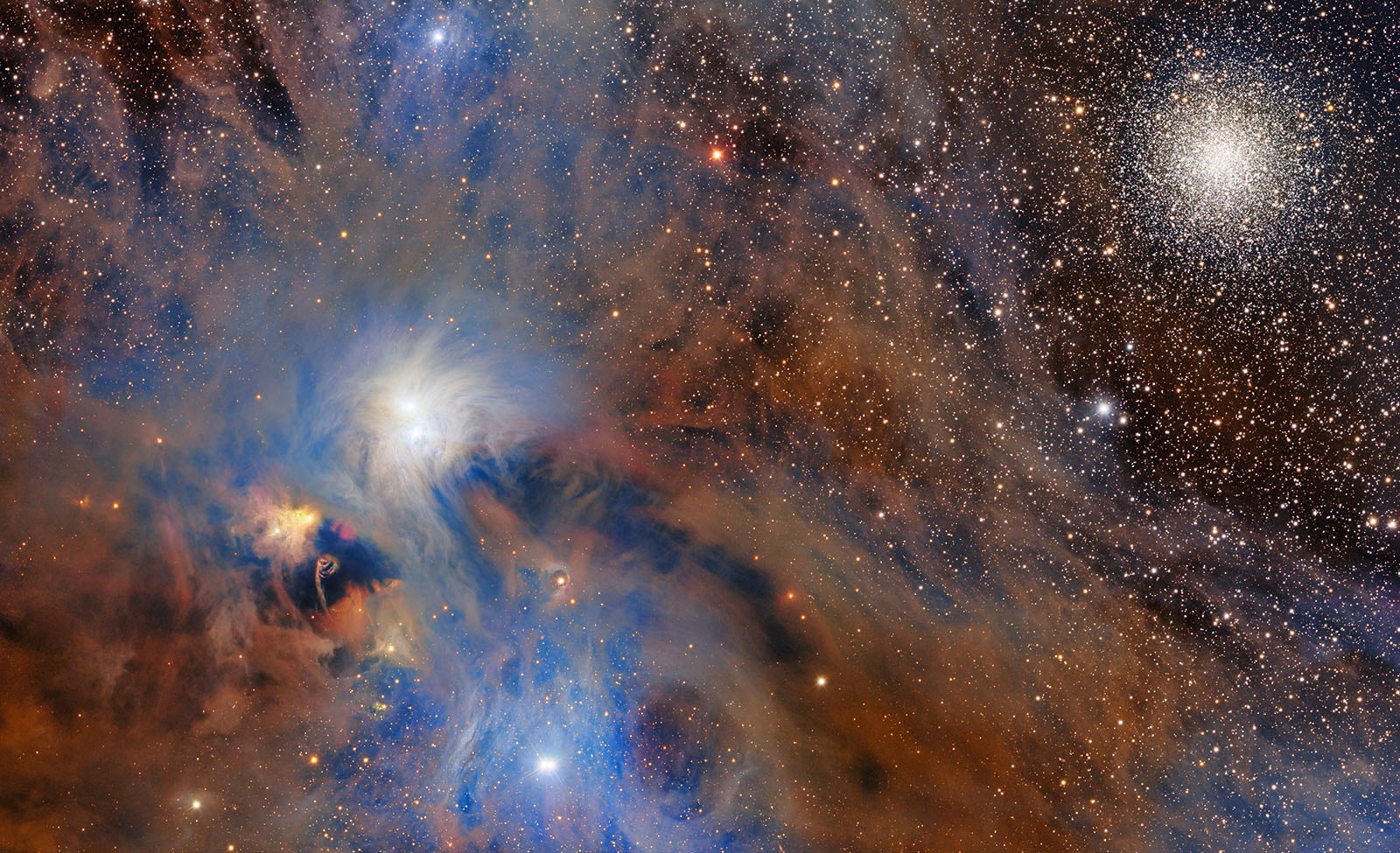
The Dark Energy Camera (DECam) pointed its 570-megapixel CCD image sensor, housed inside the Victor M. Blanco 4-meter Telescope, at the Corona Australis Molecular Cloud, one of the nearest star-forming regions to Earth.
Located only 430 light-years from Earth, the Corona Australis Molecular Cloud is a stellar hotbed and an excellent target for scientists hoping to learn more about star formation. This dark cloud has numerous active star-forming regions and is home to thousands of protostars and young stars.
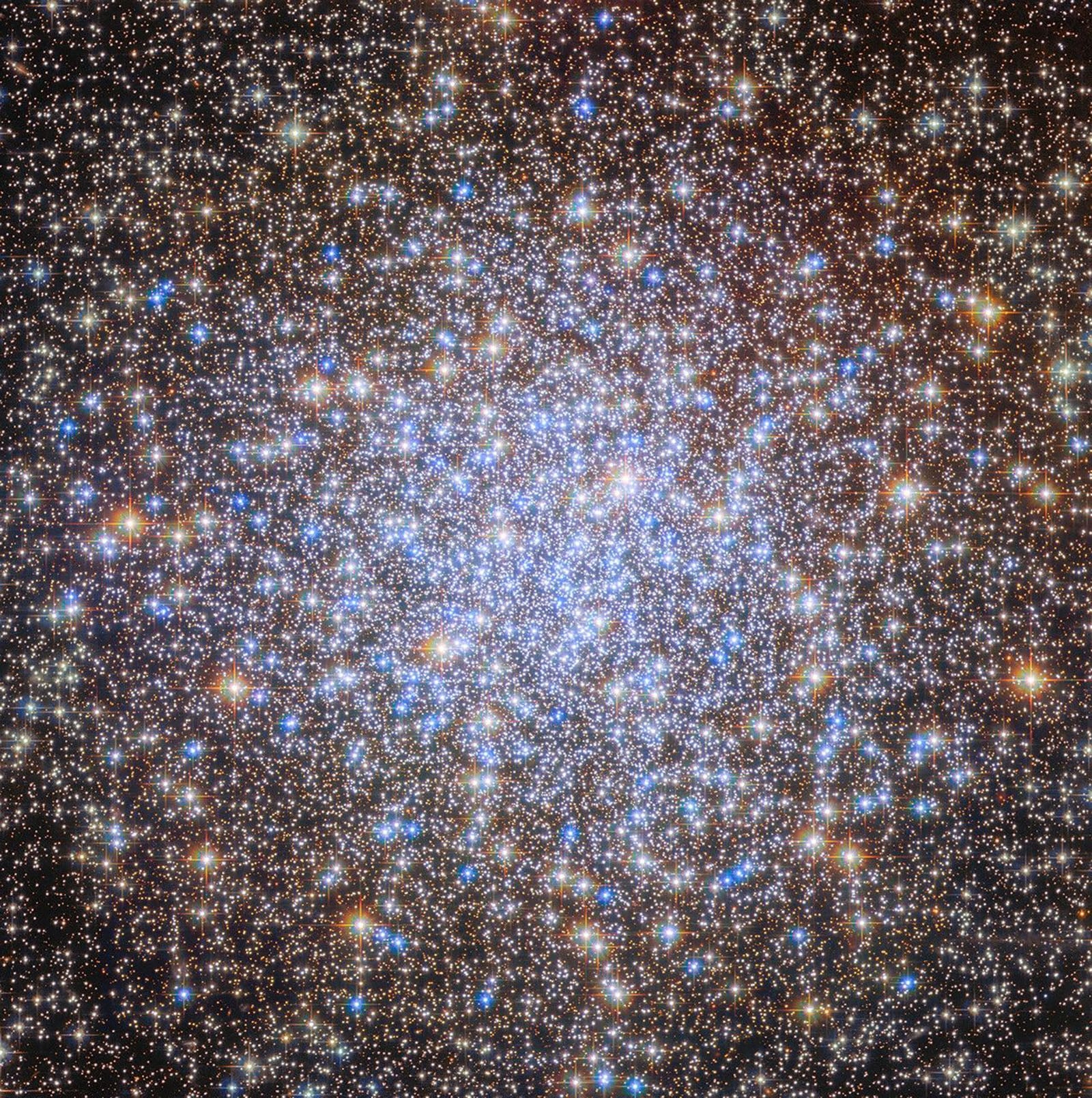
In the DECam’s new image, the glittering globular cluster NGC 6723, also known as the Chandelier Cluster, is clearly visible, shining in the top right corner of the frame. While it may look close to the Corona Australis Molecular Cloud, NGC 6723 is actually entirely unconnected to the molecular cloud and is located around 27,000 light-years away. While still very close on the cosmic scale, it is tens of thousands of trillions of miles away from the Corona Australis Molecular Cloud.
“A vibrant view of the Corona Australis Molecular Cloud, one of the closest star-forming regions to Earth, reveals glowing nebulae, dark dust lanes, and newborn stars in a scene reminiscent of Van Gogh’s The Starry Night,” NOIRLab explains. “At left, the young binary system R Coronae Australis illuminates surrounding gas and dust, while the glittering globular cluster NGC 6723 shines at upper right, far beyond the nearby stellar nursery.”
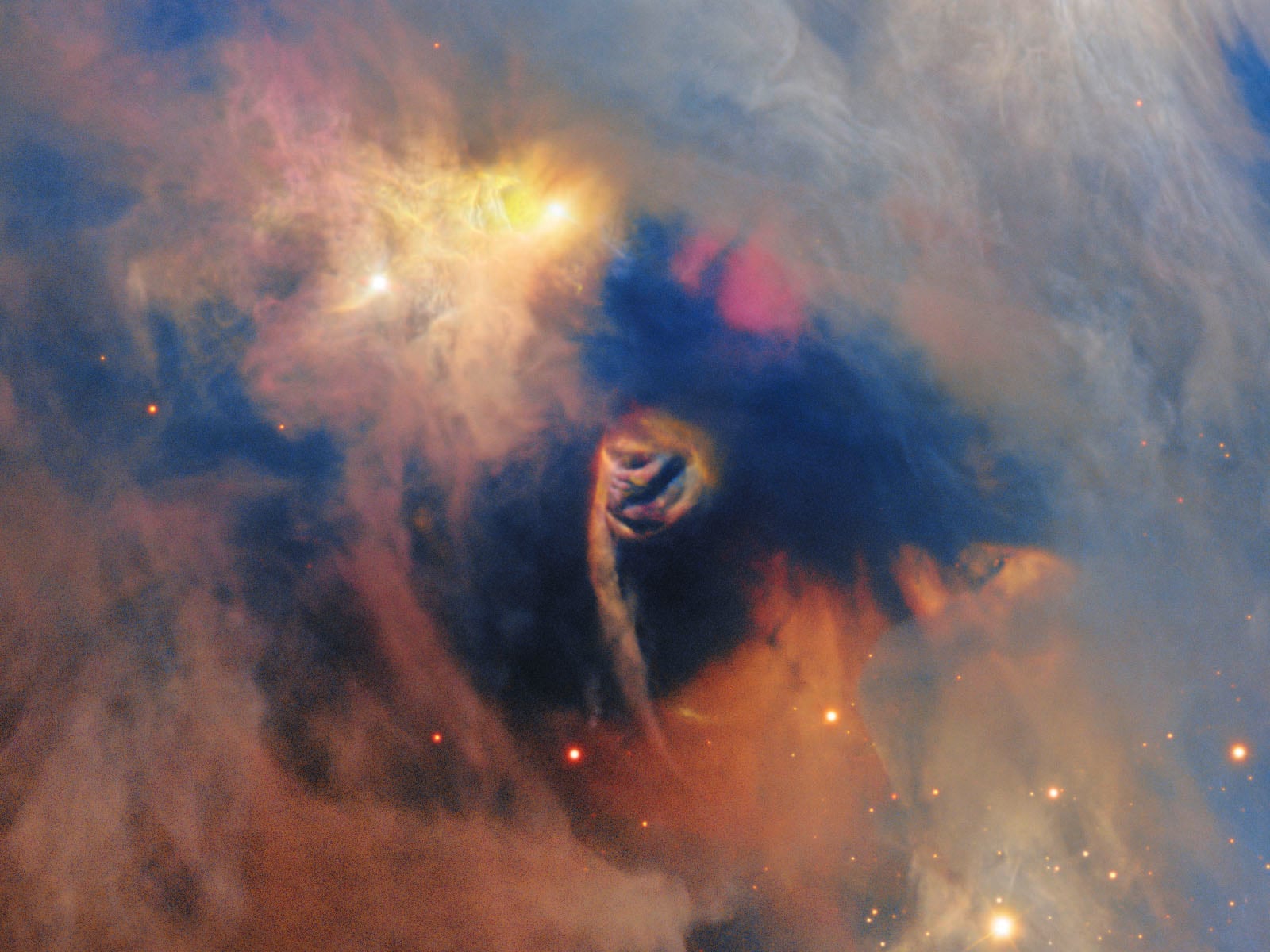
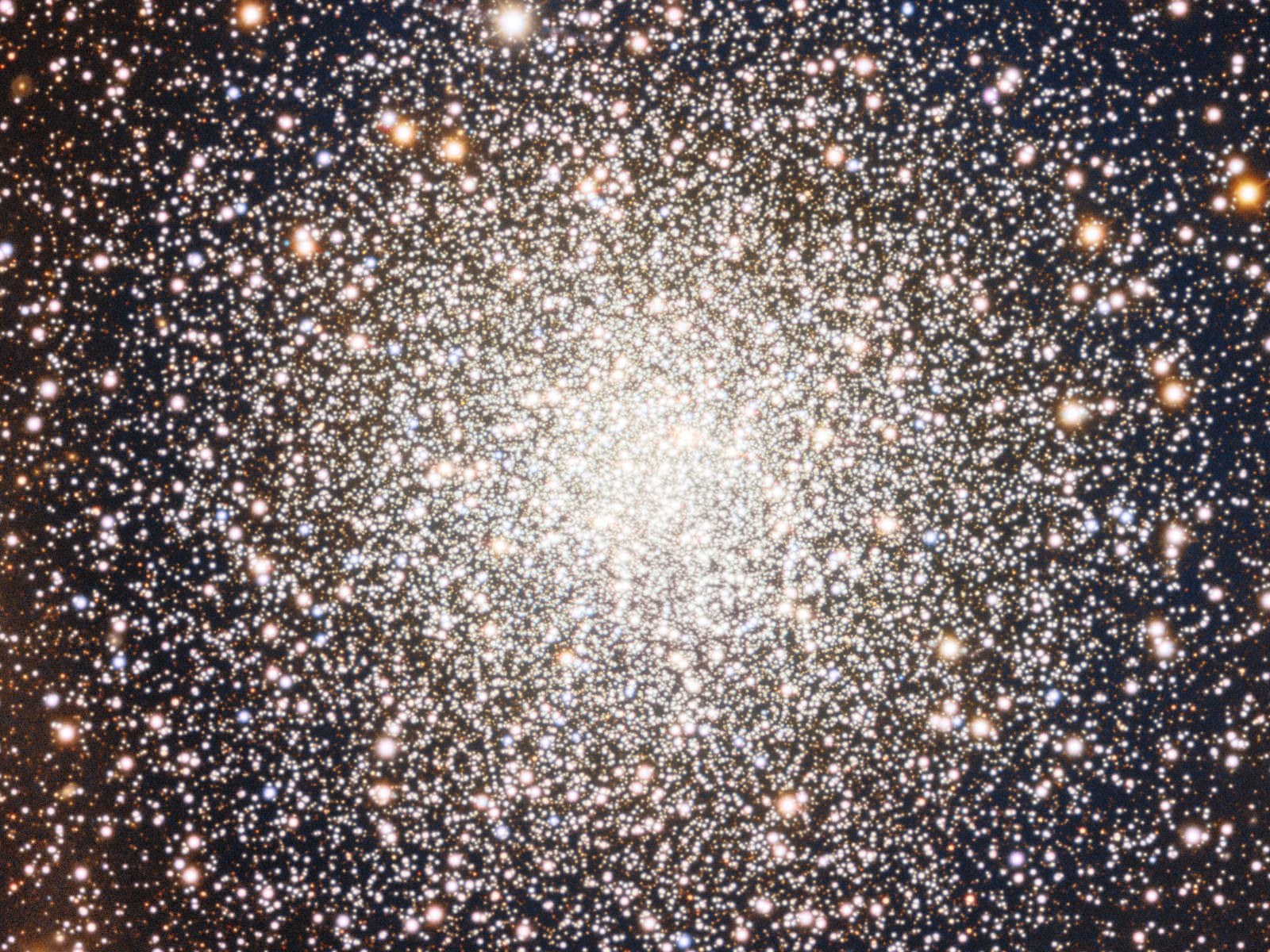
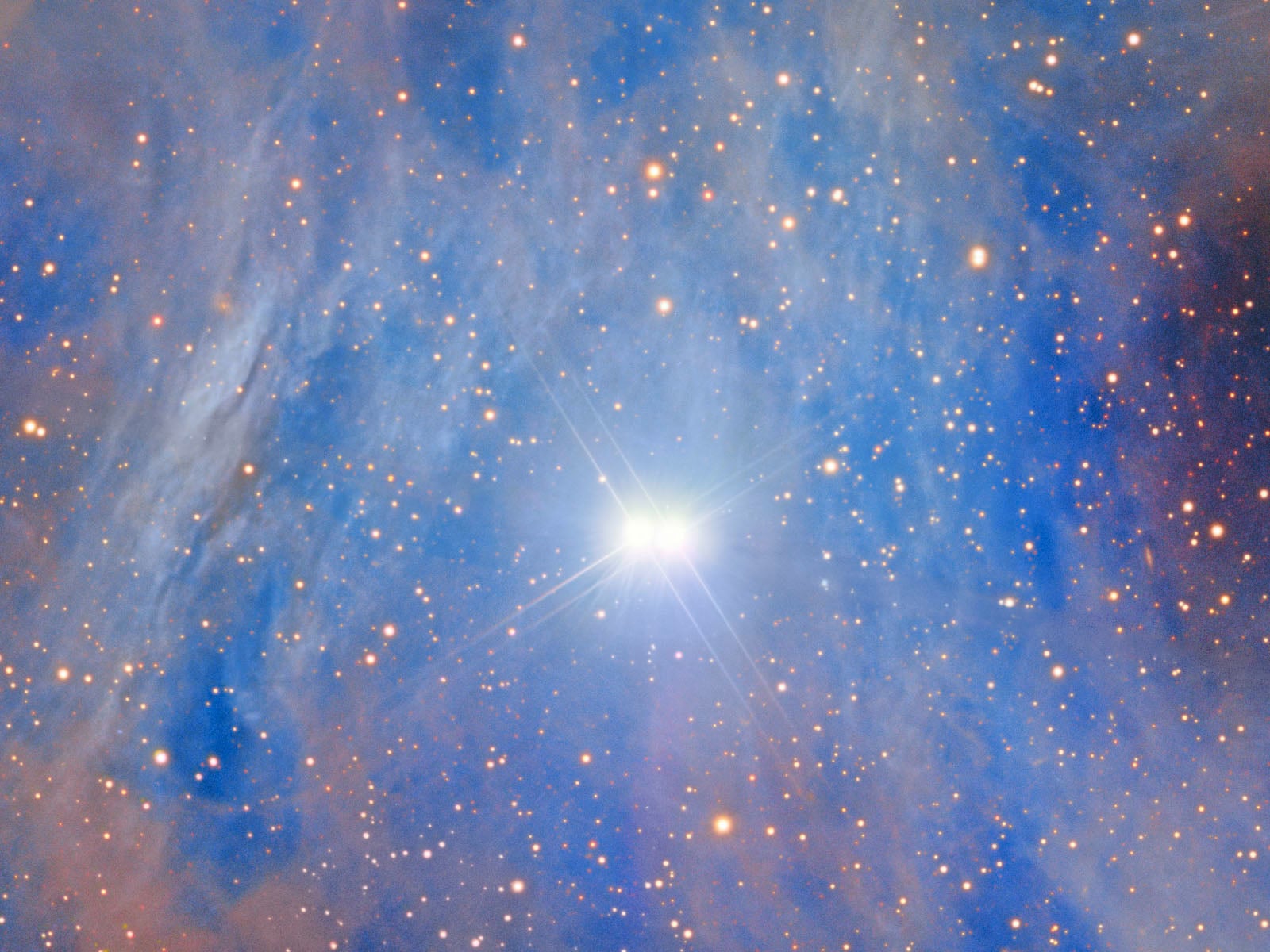
Coincidentally, the Hubble Space Telescope very recently photographed NGC 6723. Scientists say some of the stars in the globular cluster are 10 billion years old.
The full-size version of NOIRLab’s new image, available here, is 324 megabytes large and 56.6 megapixels in resolution. Its details are exceptional. As PetaPixel has written about before, the camera can deliver full-resolution 570-megapixel photos. However, just like photographers can crop with their traditional cameras, scientists don’t always use all of the DECam’s pixels.
The wide-field imager features 62 individual CCD image sensors for science and another dozen that are used exclusively for guiding and focus operations. The telescope has a four-meter diameter, an array of specialized filters, and is located at the Cerro Tololo Inter-American Observatory in Chile, 7,200 feet (2,200 meters) above sea level.
Image creditsDark Energy Survey/DOE/FNAL/DECam/CTIO/NOIRLab/NSF/AURA. Image processing: R. Colombari & M. Zamani (NSF NOIRLab)
Affiliate Disclosure PetaPixel articles may include affiliate links; we may earn a commission if you buy through one.