The Nikon S3 Rangefinder Was Incredible: Nikon Should Do It Again
I like rangefinders. When I got back into photography, it was through the experience I had with the Fujifilm X100VI. While not a true rangefinder, it scratched that itch. Later that year, at the urging of Chris Niccolls, I picked up a Voigtlander Bessa R2a, and my fate was sealed.
I am a right-eye photographer, meaning rangefinders are particularly effective for me since I can keep both eyes open while using these types of cameras: one in the rangefinder, and one providing a wider view of what might come into my frame. This experience is really wonderful for street and event photography, where I like to have as much information on my surroundings as possible.
This is why I adore my X100VI, Bessa R2a, Fujifilm TX-1, Hasselblad XPan, and every chance I’ve gotten to use a Leica M-series camera. I feel more involved with the scene and more immersed in my photography as a result of the design.
While visiting the new Nikon Museum in 2024, I was particularly drawn to the design of the company’s rangefinders, which I had never seen before. They stuck in my head. I wanted to use one.
Over the next two years, I repeatedly saw the S-series rangefinders on camera store shelves in Japan, regular reminders of how much they appeal to me. The design is just so good.
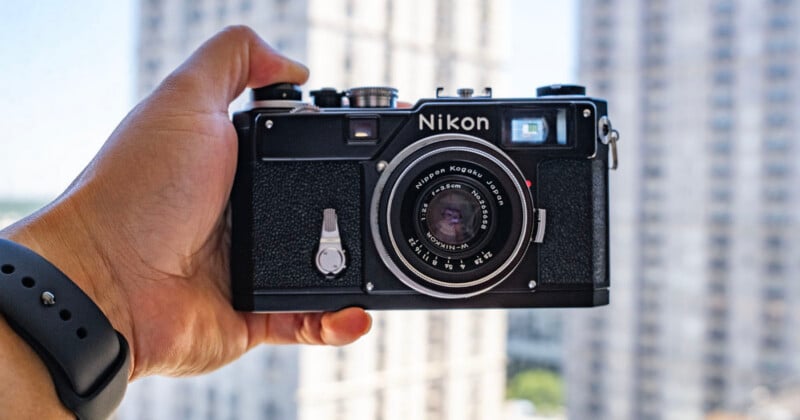
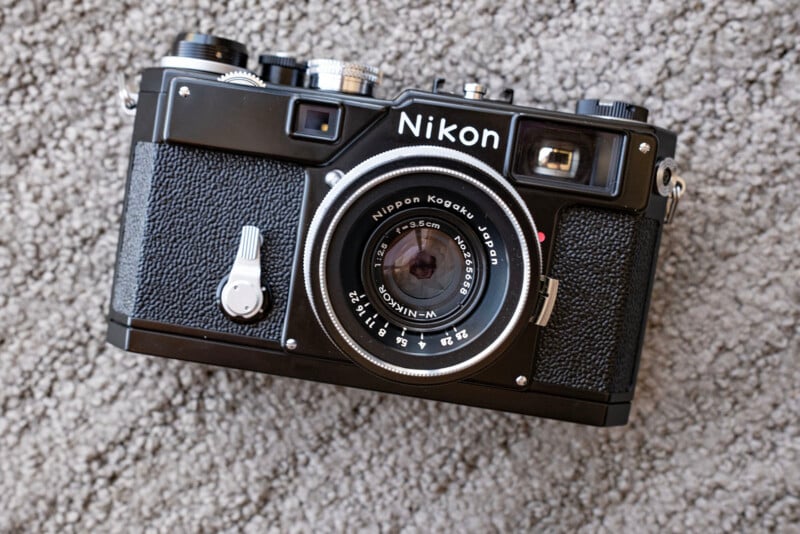
Last week, I was visiting KEH in Atlanta, and while strolling down the shelves of its massive 20,000+ camera and lens inventory, I spotted a Nikon S3. Curious and sensing opportunity, I checked the website. Not only was it an S3, but it was a limited-edition Nikon S3 Millennium edition in black. Nikon re-released this camera in 2002 and only made 2,000 of them. It was beautiful, and KEH let me borrow it for a few days to see what I thought.
I am glad I did.
The Nikon S3 Millennium Edition
Before getting into my personal experience with this camera, it’s first worth highlighting the Nikon Millennium Edition rangefinders, of which the S3 I had the pleasure of using is one. The full story behind this camera is wonderfully preserved on Nikon’s website, but a quick summary is that in the year 2000, Nikon decided to re-release a near duplicate of the S3 that was originally released in 1958.
I want to dwell on this for a moment, because even though this was 26 years ago, that’s still an insane thing to opt to do. I cannot imagine any camera company today choosing to remake a camera from the 1950s, or even remake one from the 1970s, which would be the equivalent if they were to do something like this today. When Ricoh made the Pentax 17 camera, it spent years sourcing parts, expertise, and manufacturing just to make that happen.
“Nikon S3 was a relatively later model in the S series, featuring a rangefinder with the world’s first life-size 1:1 viewfinder for a 35mm focal length lens. The Nikon S3 Y2K precisely reproduced not only the 35mm life-size viewfinder but also the focal length adjusting gear unit arranged in the upper right of the body, and the quiet and soft shutter releasing sound called ‘whispering shutter’ which in those days was achieved by the cloth focal-plane shutter curtains,” Nikon explains.
“The S3 Replica model was produced based on orders, and the orders were accepted from April 6, 2000, to June 30, 2000. It was first shipped in October 2000, and approximately 8,000 units were sold.”
Two years later, Nikon introduced an even rarer S3 Limited Edition Black model, of which only 2,000 were made. The entire story of its creation is amazing, and I highly recommend you read it.
The Nikon S3 Is Beautiful
It is that rare, glossy black Nikon S3 that I had the opportunity to play with on the streets of Atlanta. I also picked up a 3.5cm f/2.5 lens to use with it, which was classified as “bargain” by KEH, but I felt was in lovely condition. I’ll be a lot more forgiving of that “bargin” tag in the future, if this is any indication of what to expect. I did not use the 5cm f/1.4 lens that KEH had in stock because it was classified as “ugly” and was: it had significant haze, which would have hurt image quality. Near the end of my time with the S3, a KEH employee handed me the 105mm f/2.5 lens for the system that he happened to have, giving me a chance to try out a more compressed field of view that I typically love.
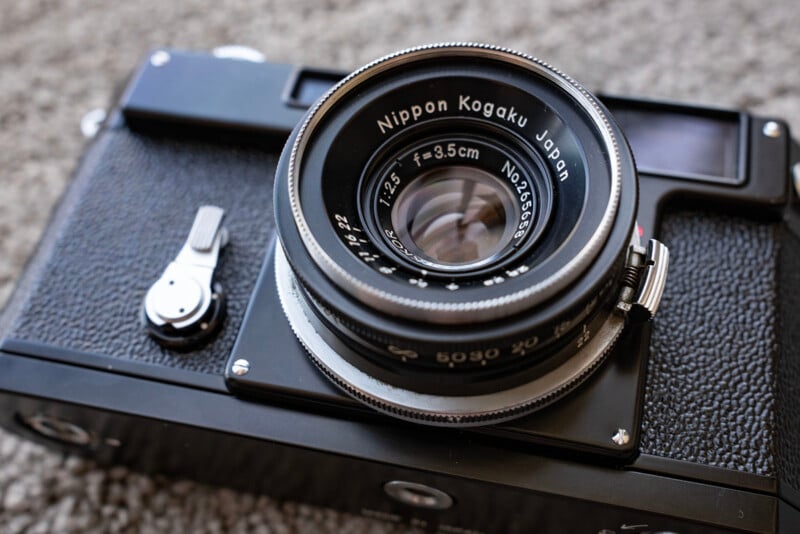
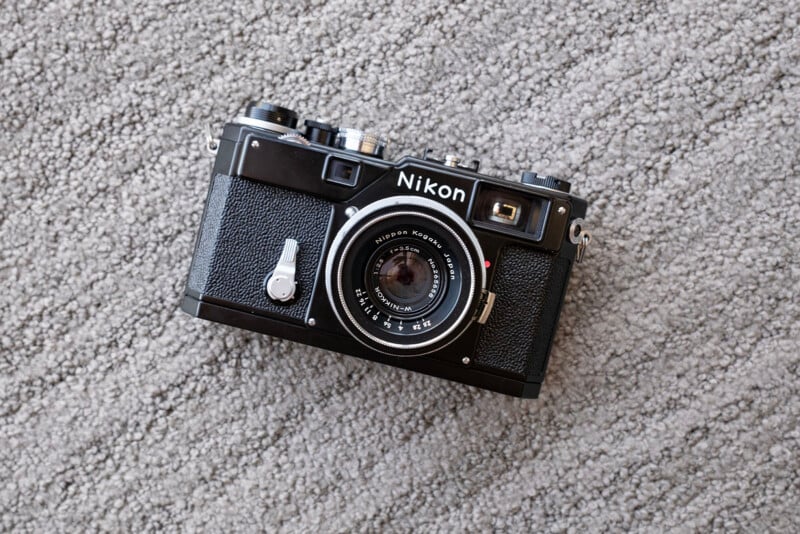
This remake of a 1950s-era original is stunningly gorgeous, and there are design touches throughout that I immediately recognized from my time with the Nikon F. This camera was the precursor to the Nikon F, and it is pretty obvious that many things carried over. For example, the film winder and dials felt very familiar to me.
But I’m getting ahead of myself; let’s go over the design piece by piece.
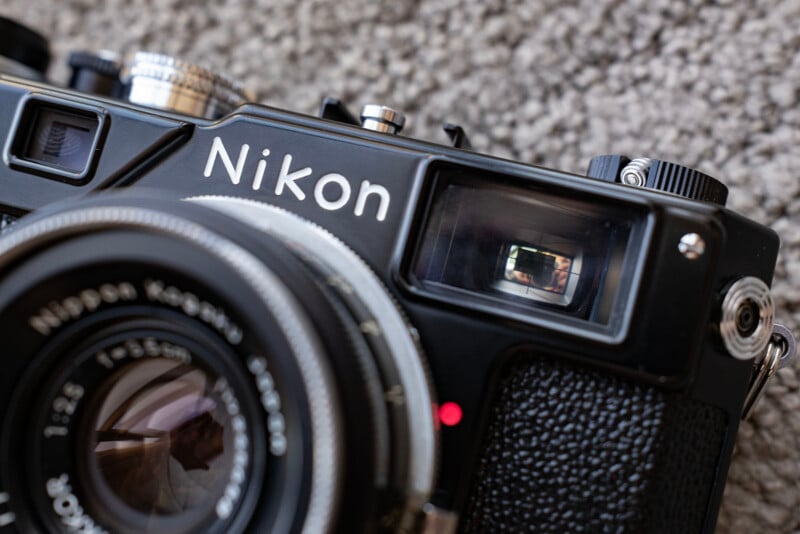
The front of the camera is a showstopper. It is a lovely mix of curves and hard angles, with the large viewfinder visible on the right next to the Nikon logo, the secondary rangefinder window on the left beside an angled indent, and an unusual dial just to the left of that. That toothed dial is a fine-tune adjustment system for the rangefinder. While you can use it entirely for any type of focus if you want, it is mainly meant to act as a final adjustment once you’ve gotten manual focusing reasonably close. That level of precision is appreciated, and I found myself using it all the time.
The top of the camera looks decidedly Nikon F-like. The film winder, counter, and advance/rewind system around the shutter button was basically lifted off the S-series and dropped right onto what would become the ubiquitous SLR. The shutter speed dial, which caps at 1/1000 second, is also familiar. I want to draw attention to the bright colors here, where 1/60 second is colored red to show the maximum flash sync, while the faster shutter speeds are a neon greenish yellow. You can adjust how the flash sync works by pulling up on the ring around the dial and rotating it. The Nikon S3 shoe is cold, as it predates electronic flash connection.
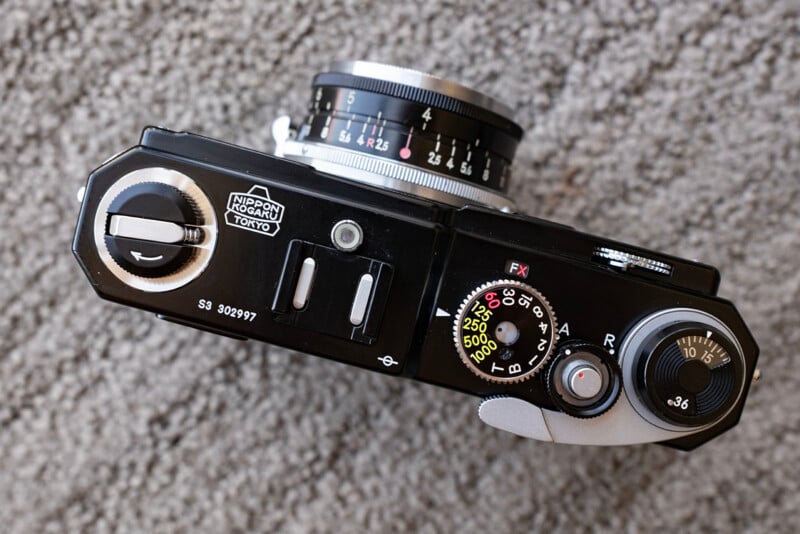
The manual film rewind knob is the last point of note, and it too is a design that would eventually be found on the Nikon F.
The back of the S3 is very plain, with just the small rangefinder window being the only part of note. This rangefinder is beautifully clear and sharp, and is perhaps one of the most visually appealing finders I’ve ever seen. The mirror system that makes the rangefinder work is particularly reflective, so looking down at the camera always gave me a slight reflection of myself looking back at me (and you can see a bit of that in the photo below).
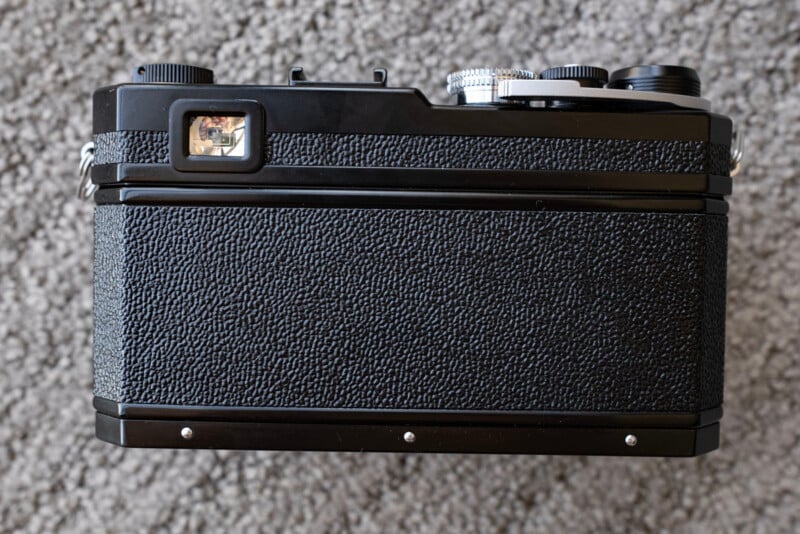
The bottom plate (which I neglected to photograph) also feels like a design that Nikon F carbon-copied. It has the same ISO reminder dial, half-turn locking switch, and tripod mount. When replacing film, the bottom plate is connected to the back plate, and that whole unit comes off to facilitate access to the film loading area.
The Nikon S3 Is Lovely, But Imperfect
The S3 was originally designed to be a simpler, more straightforward affair compared to the SP (which Nikon also re-released in this same millennium edition period), so it doesn’t have any function to change the visible frame lines inside the rangefinder. Instead, all of the frame lines are always visible: 35mm, 50mm, and 105mm.

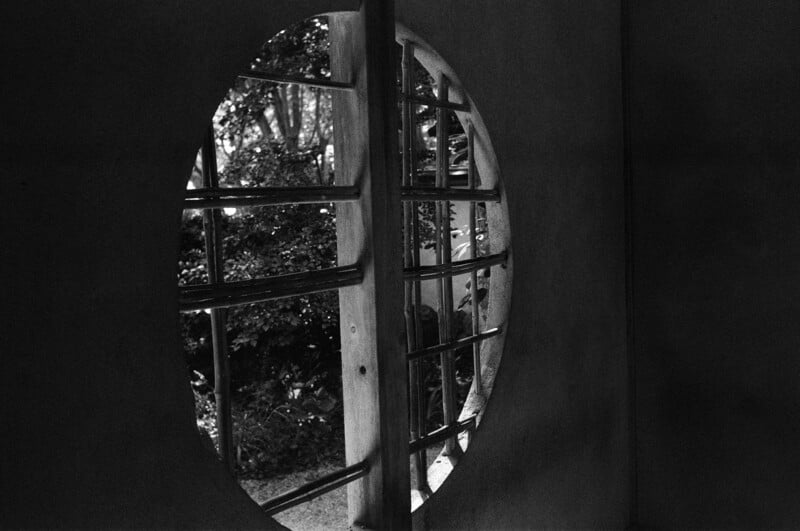
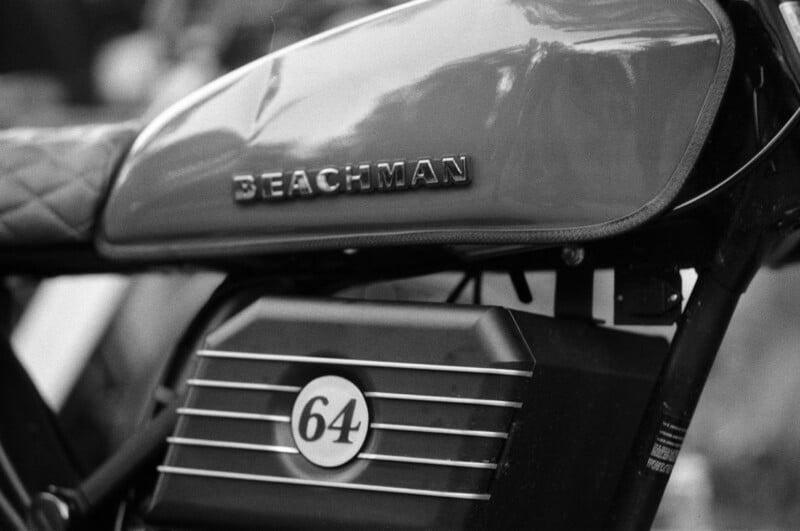
It sounds like that would be distracting, but I quickly got used to it and never felt bothered that there were other frame lines visible that I wasn’t actively using.
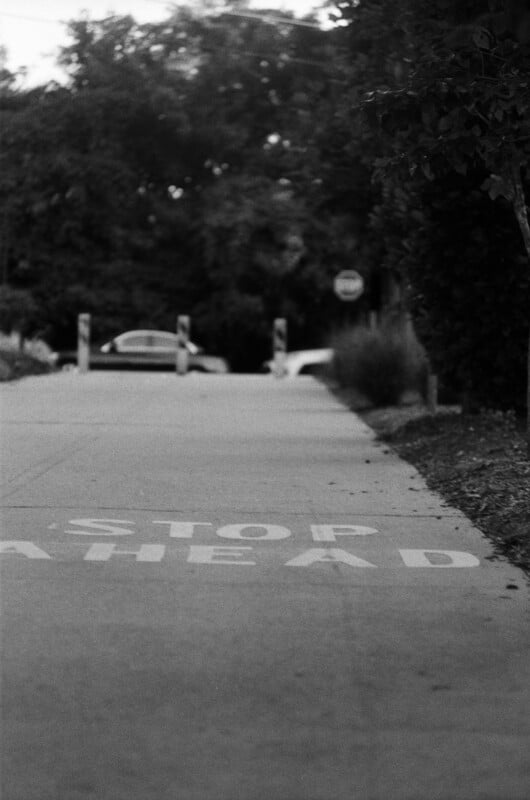
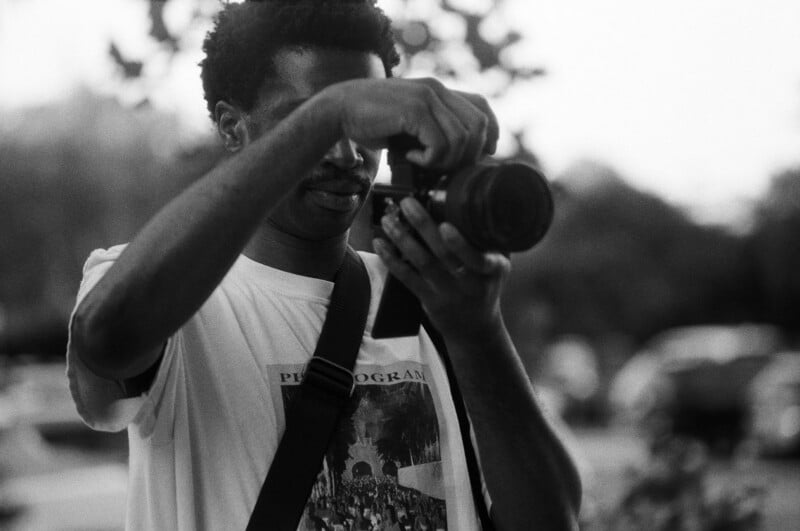
Speaking of the rangefinder, I found it to be remarkably accurate. Not only was it easy to see what was in focus, but my results show that it focused beautifully, with exceptionally sharp results. I really enjoyed the focusing experience, as I alluded to previously. Getting to the general focus range by twisting the focus ring on the lens manually and then fine-tuning that with the toothed dial was a lovely experience. Great design, well executed.
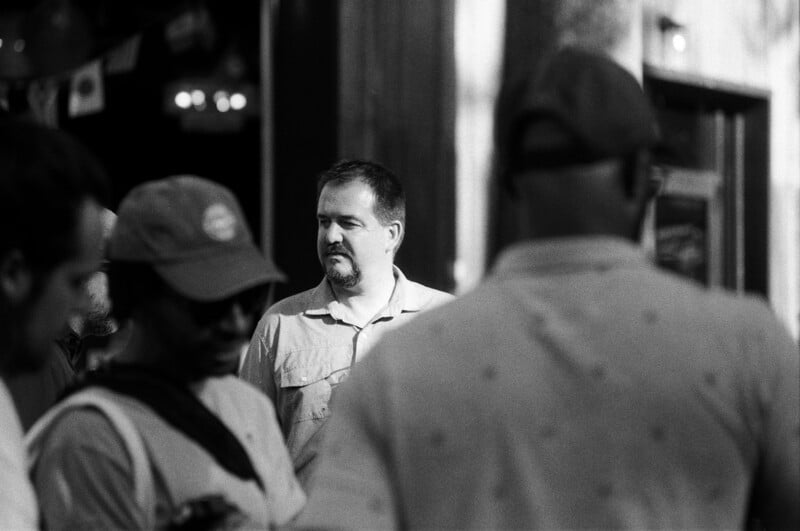
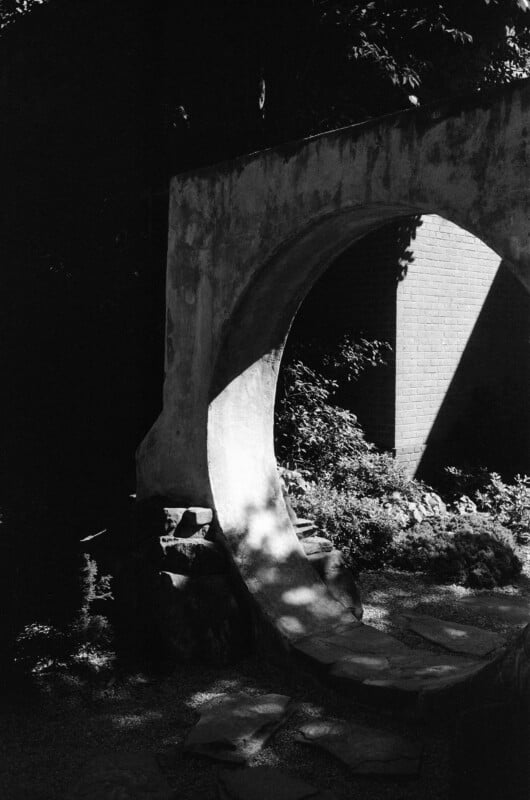
That said, while accurate, there was a pretty narrow “sweet spot” for where I could get a nice, full view of the rangefinder. The rectangle is already pretty small compared to my R2a and TX-1, so I did feel a bit constrained with exactly how I could hold the camera to my eye. It’s a minor niggle, but one that came up a few times during my time with it, so I feel it is worth mentioning.
Controlling shutter speed is a breeze, as you would expect, but the design of the aperture control on the lenses was inconsistent. With the 3.5cm specifically, the aperture is controlled via a thin, inset ring on the inside of the lens. It is very difficult to change by feel, and you really have to be looking at it to know what you are even changing it to.
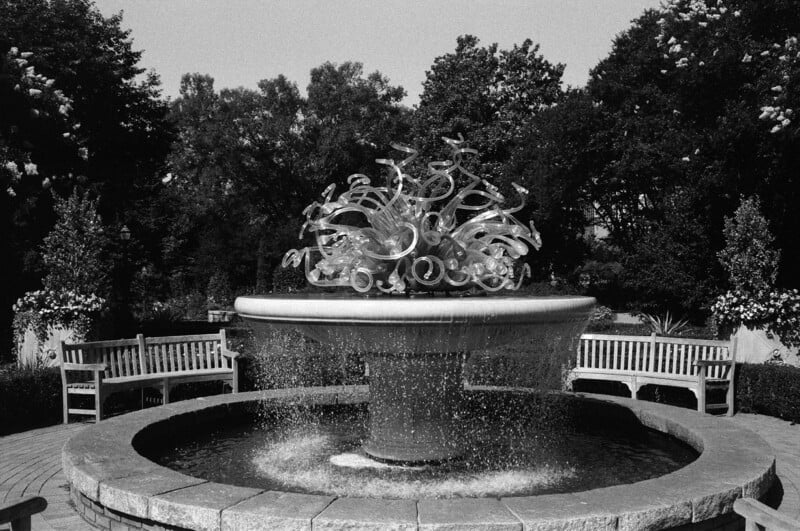
I found that I would have to turn the lens to face myself and reach in with two fingers to adjust this ring, which is also just stiff enough that it will turn the focus ring unless you hold that steady with your other hand. It’s awkward. The result was that I would try to keep my aperture unchanged throughout the day so I wouldn’t have to fight with this fiddly ring.
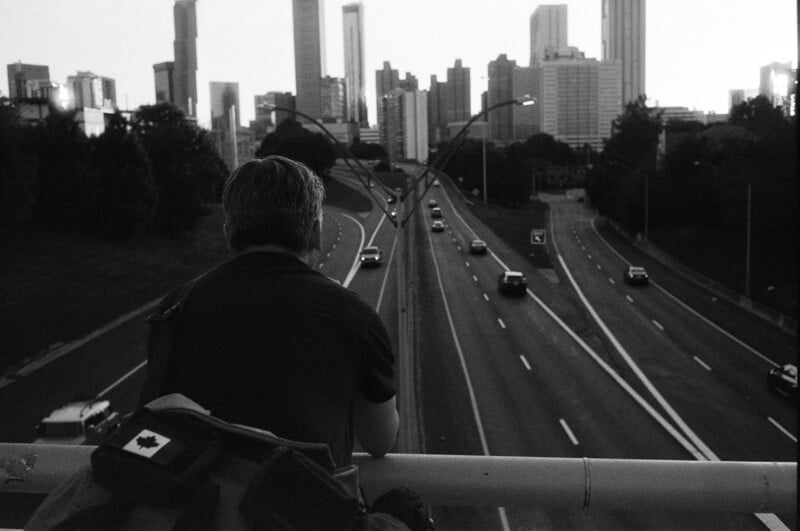

I also found that while it was stiff enough to adjust focus accidentally, it wasn’t so stiff as to prevent it from changing inadvertently in my bag. I would repeatedly pull it out of my sling only to find that it had shifted from f/5.6 to f/8, or somewhere in between.
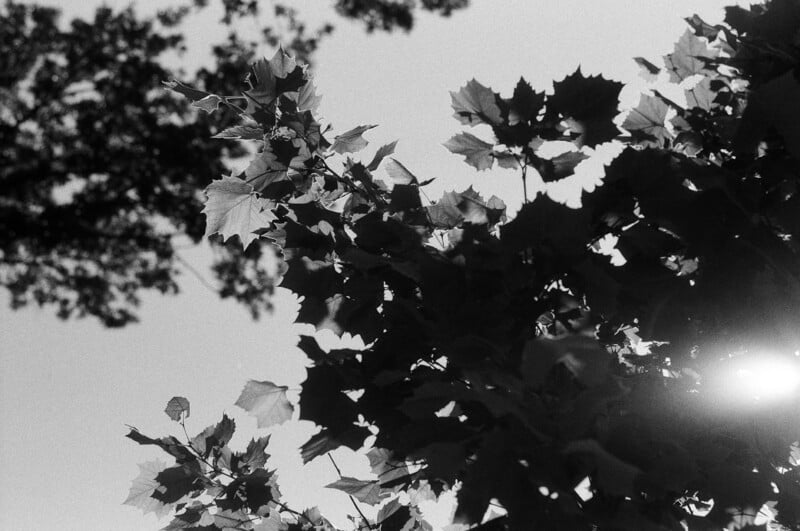
The shutter on the Nikon S3 is barely a whisper thanks to its horizontal-travel, rubberized silk cloth, focal-plane shutter. It’s fragile and was an idea lifted right out of Leica’s playbook, but the result is one of the smoothest, quietest shutters I’ve ever used.

Back in 1958, they didn’t have built-in light meters. While Nikon would eventually release a shoe-mounted optional light meter accessory, they used old selenium batteries, which aged poorly. Nikon sadly did not re-release a newer version of that meter with its millennium edition cameras either. You can use modern shoe-mounted light meters, but I didn’t have one on me, so I used the Second View app on my phone to meter scenes before locking in my settings.

Even if I had a shoe-mount meter, I find the lack of a meter in the rangefinder itself to really slow me down. That remains the only reason why I didn’t decide to keep the Nikon S3. If it had a light meter, then it would be a no-brainer. But I don’t like buying cameras just to stick them on shelves: I want to use them. The fact I wouldn’t have a fast way to regularly meter a scene means that I probably wouldn’t pick the S3 over my other rangefinders, so rather than condemn it to a life as a glorified museum piece, I returned it to the folks at KEH.
But just because I didn’t vibe with the S3 today doesn’t mean I don’t think Nikon should revive this camera system. It absolutely should.
Bring Back the Nikon S Series
Nikon has dabbled in the “inspired by vintage cameras” design aesthetic, but I argue they didn’t go hard enough. The Nikon Zfc and Zf are nice, but they look like digital cameras with analog touches.
Instead, Nikon should just start with a design it already perfected nearly three-quarters of a century ago and lightly adapt it to fit modern requirements. I’m not even asking the company to make it use interchangeable lenses; honestly, just equipping it with the 50mm or 35mm lens, fixed, would be amazing.

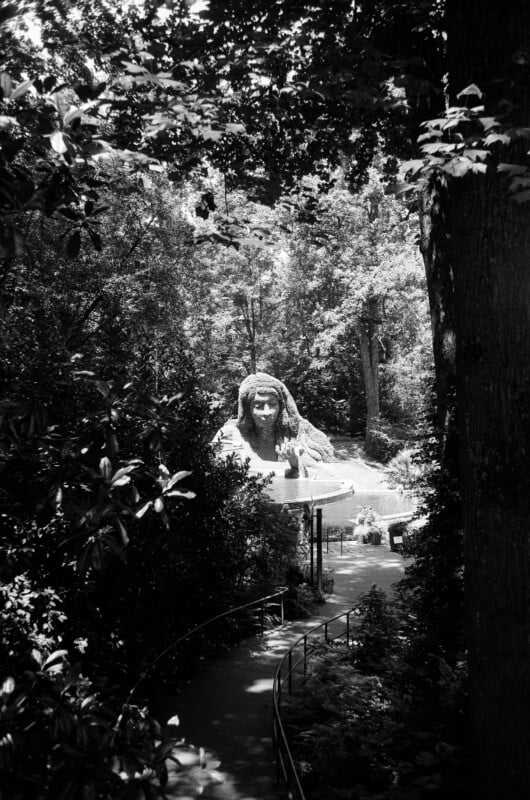
Everyone looks at the Fujifilm X100 series as this shining example of how to succeed at size, price, and performance, but for some reason, no one even tries to give it a shot. Nikon’s answer already exists, and if it released a fixed-lens Z camera that used the exact design language of the S3, it would be hands-down the most beautiful digital camera available, basically no contest.

But if Nikon wanted to actually revive the S series for real, I wouldn’t complain about that either. It could be digitized and even designed to accept the same S mount. For some reason, companies are terrified of giving us what they perceive to be “slow” lenses. But trust me, if Nikon re-released this with a kit 35mm f/2.5 lens just to allow it to keep the design small and discrete, it would be extremely popular. There is nothing wrong with f/2.5!

While I ultimately didn’t elect to hold onto it, I think that the Nikon S3 (and, really, the entire S series) is truly special. It’s a nearly perfect blend of beauty and functionality, and Nikon’s current leadership would do well to look at the work that has already been done by their predecessors for how to walk boldly into the future.
Full disclosureKEH is a sponsor of the PetaPixel YouTube Channel. KEH has no input on editorial content.
Affiliate Disclosure PetaPixel articles may include affiliate links; we may earn a commission if you buy through one.