
The Incredible Photography of ‘Obsession’
Low-budget horror movies aren’t for everyone. But it’s difficult to ignore Obsession, which just raked in over $30 million in ticket sales over the Memorial Day weekend, taking it to $80 million worldwide. Not bad for a film that was made for just $1 million.
I was one of the many people who saw the film in a packed theater, albeit in the U.K. on the weekend Brits call Spring Bank Holiday. I won’t reveal any plot spoilers; instead I want to discuss how the film deftly employs photography and audio techniques to create a kind of horror unlike anything else I’ve personally seen before.
But the basic premise is this: a hopeless romantic named Bear makes a Faustian bargain to win over his crush, Nikki. If you’ve ever read The Monkey’s Paw by W.W. Jacobs, then you will understand the general idea. But it’s important to note that this is not a fantasy movie; the horror that happens in the film reflects horrors that happen in the real world every day. This is part of what makes it so compelling and so chilling.
Bokeh
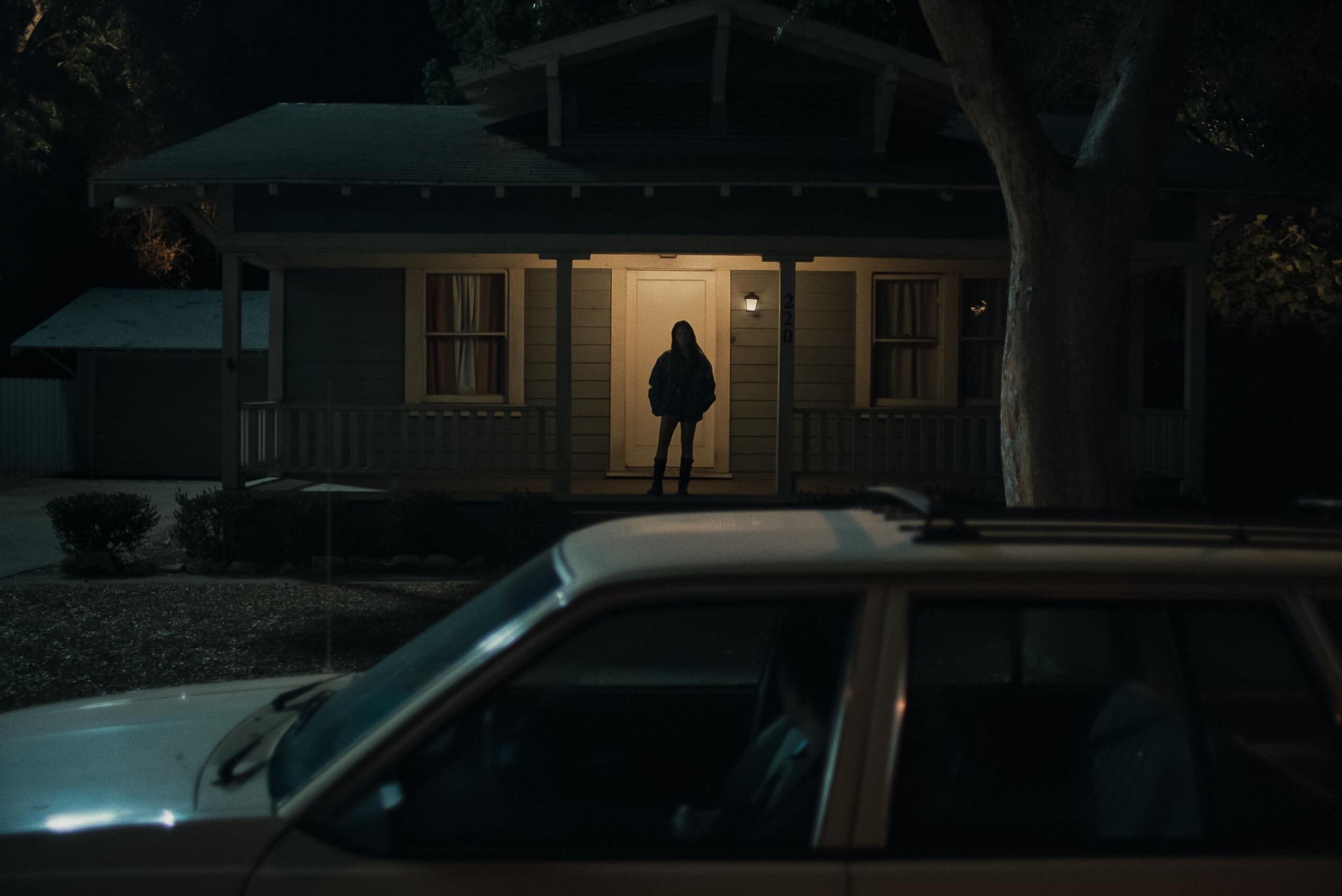
Almost every scene is shot on a locked tripod, meaning the movie’s cinematographer, Taylor Clemons, carefully framed each shot to maximize the impact of the story. It’s so simple, yet it’s used to devastating effect as the viewer is left to fill in the details of the rest of the frame with their mind.
The film is shot on an Arri Alexa 35 using Panavision Ultra Speed Lenses. And boy, do they put that speed to use. There was the odd zoom here and there, but the consistent wide-open aperture created a creamy and mostly unsettling bokeh. It also makes the movie look utterly beautiful. How much post-production work was done to it is hard to say. It was acquired by Focus Features, and it may have gotten additional color grading, but the fact that every frame was so aesthetically pleasing somehow added to the terror.
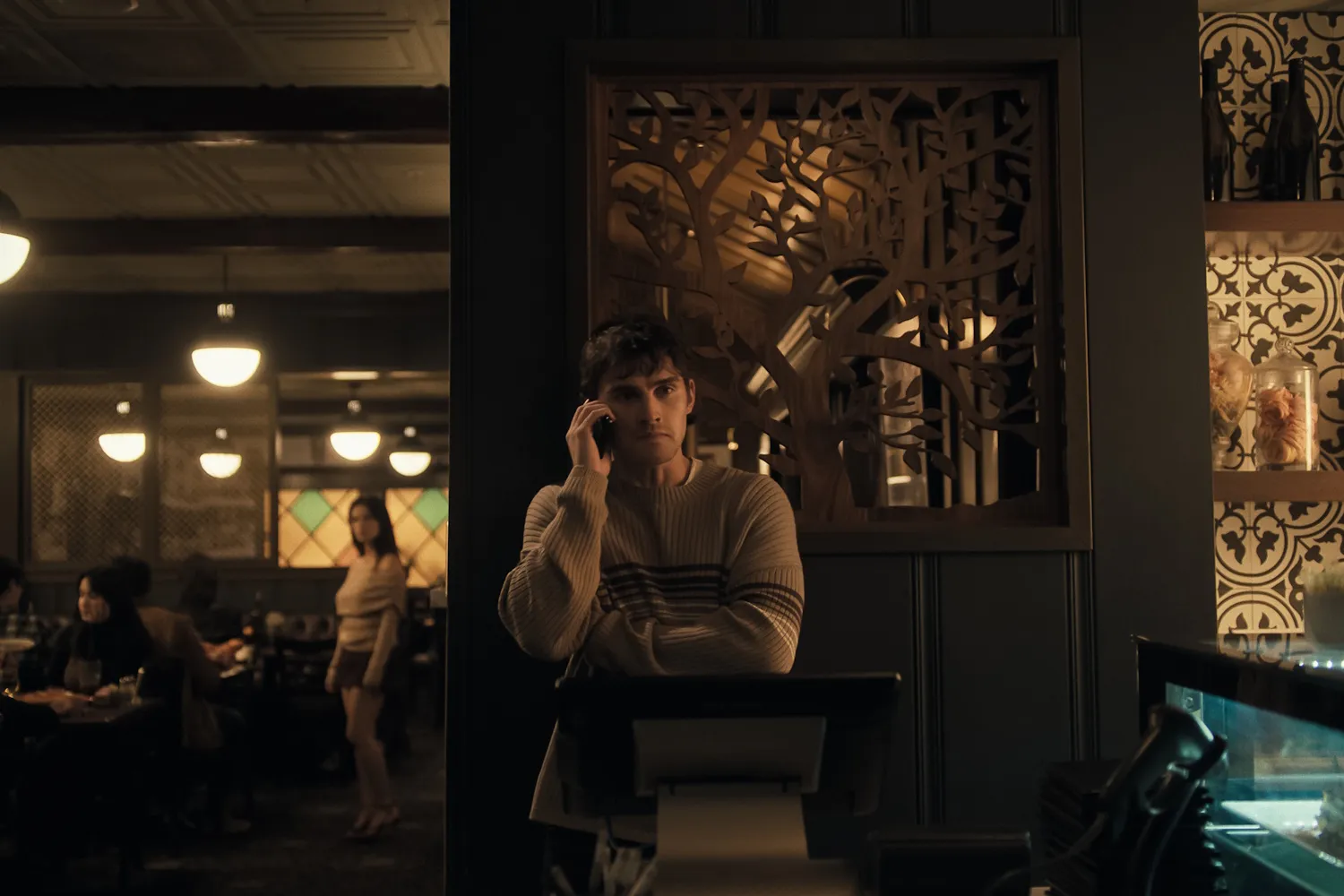
Of course Obsession is not the first horror film to use bokeh to disturb the audience — I distinctly remember It and It Chapter Two using this technique too — but I don’t remember a film doing it so consistently and so effectively throughout a film.
By all accounts, the production of Obsession was incredibly small; chunks of it were filmed in director Curry Barker’s apartment. It means that day by day, Clemons was doing outstanding photography work.
Playing with Light
Speaking of the dailies, Clemons tells Focus Features that there were nights he went to bed believing he had pushed the look too far as he purposely underexposed to make a world that felt as “murky and dreadful as possible.” But he says he would wake up, check the dailies, and “keep attacking it even harder the next day.”
“In hindsight, what’s more interesting than the vast underexposure of it all is the contrast with the brighter scenes and where they sit in the story,” Clemons says. “They function as a sort of tension-and-release cycle… This yin-and-yang wasn’t something I mapped out consciously in advance. It came from responding to the material and the spaces we were shooting in.”
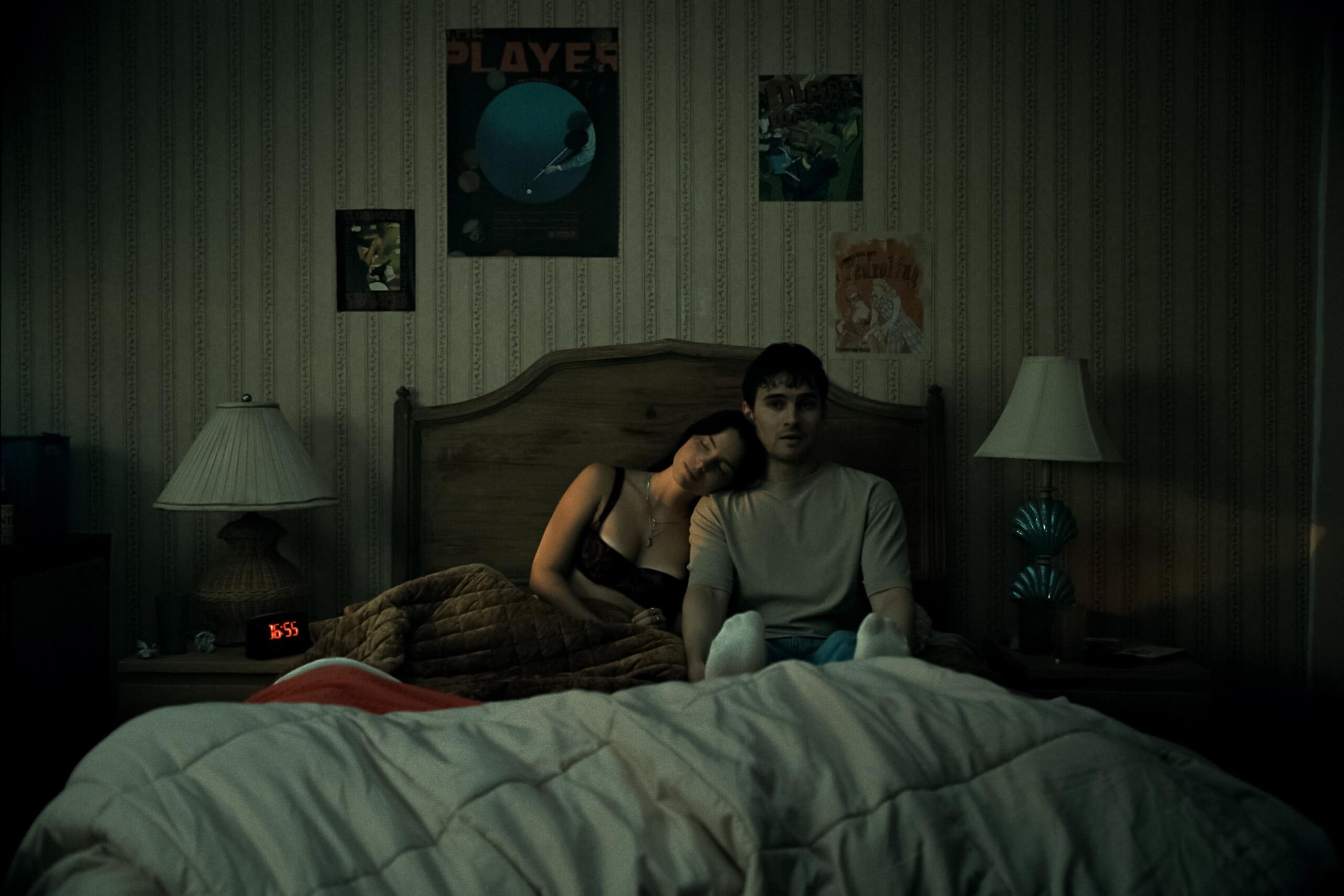
Clemons cites David Fincher’s Seven as inspiration while working on Obsession, but he makes it sound like much of his work on-set was organic.
“We talked about what it feels like to be trapped in that world with Bear — the dreadful tone, the pace, and how the edit would cut,” Clemons tells Focus Features. “The look grew organically out of those conversations.”
Obsession pulled off the rare feat of improving sales from its opening weekend, the first film to do so in three years — a remarkable achievement. It’s a triumph of photography, elevated by masterful sound design, sharp editing, and outstanding performances. Obsession is still playing in theaters.
Image creditsFocus Features
Affiliate Disclosure PetaPixel articles may include affiliate links; we may earn a commission if you buy through one.