Lawmakers Reintroduce ‘No Fake Acts’ to Restrict AI Deepfakes with Backing from Getty
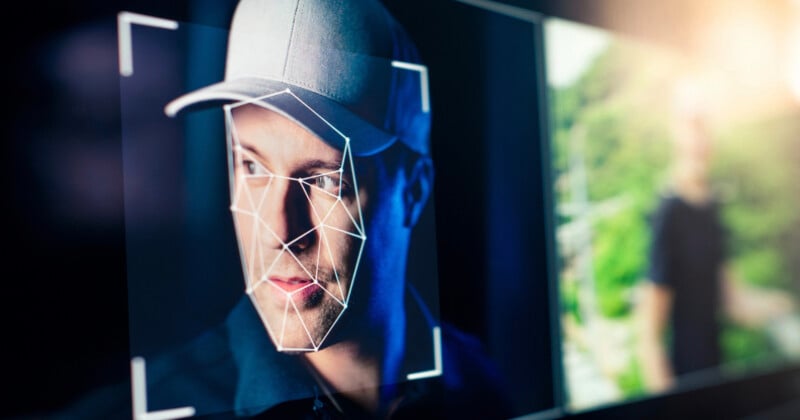
A bill aimed at regulating unauthorized AI deepfakes of a person’s likeness has been reintroduced in Congress, this time with support from Getty Images.
A new version of the “No Fakes Act” was introduced on Wednesday in both the U.S. House of Representatives and Senate in an effort to build momentum for legislation designed to protect people from unauthorized “digital replicas” created using AI.
According to a report by Deadline, the bill, which seeks to establish federal rights over a person’s likeness when portrayed in digital deepfakes, was first introduced in 2024. Lawmakers hope the latest version can advance during the remainder of the current congressional session.
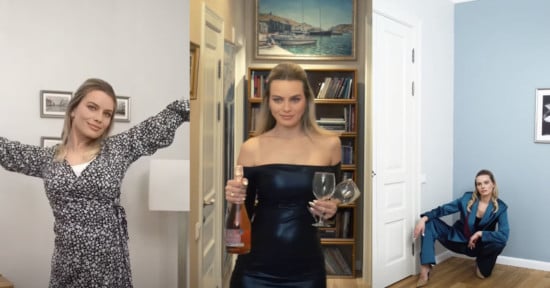
The legislation is intended to address the growing spread of unauthorized deepfakes, particularly as performers and public figures have raised concerns about AI-generated versions of their voices and images. Several artists and entertainers have testified on Capitol Hill about how AI can replicate their likeness without permission.
Last year, OpenAI, Google, and IBM announced support for the bill. With its reintroduction, Getty Images and Spotify have also backed the legislation.
If passed, the No Fakes Act would give individuals the right to authorize the use of their voice and likeness in digital replications. The proposed protections would also continue after a person’s death, allowing heirs, executors, and others to transfer or license those rights. However, posthumous protections would expire no later than 70 years after a person dies.
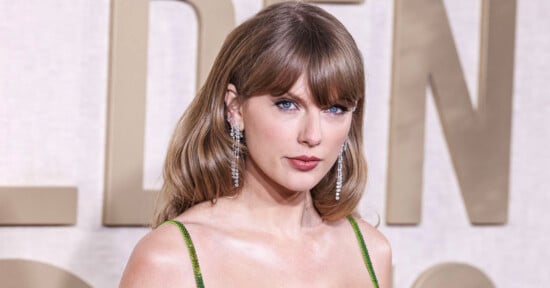
The bill’s return comes a month after global superstar Taylor Swift filed trademark applications covering an image of herself and two audio clips in what is believed to be an effort to guard against AI deepfakes. Her filings follow similar moves by actor Matthew McConaughey, who has also sought to protect his likeness as concerns over AI-generated voice cloning and deepfakes continue to grow. McConaughey reportedly sought legal protection for several video clips of himself, along with audio of him delivering his well-known line, “Alright, alright, alright,” from the film Dazed and Confused. It remains unclear whether these legal approaches by Swift and McConaughey will succeed.
The updated version of the No Fakes Act includes a new “counter-notice” process that would allow users to challenge the removal of material. It also adds exemptions for certain work carried out by libraries, archives, and research institutions. The bill already contains exemptions for news reporting, documentaries, sports broadcasts, biographical works, and material used for comment, criticism, or parody, among other protected forms of expression.
Earlier this week, a first-of-its-kind federal law requiring online and social media platforms to remove sexual deepfakes and other nonconsensual intimate images within 48 hours came into effect. Companies that fail to comply may face civil penalties of up to $53,088 per violation. The “Take It Down Act” is the first federal law specifically aimed at addressing nonconsensual intimate imagery, including AI-generated ones. Before the legislation was introduced, people trying to remove these images often faced limited options.
Image creditsHeader photo licensed via Depositphotos.
Affiliate Disclosure PetaPixel articles may include affiliate links; we may earn a commission if you buy through one.