
OptiColour Expands Into Large Format as Analog Continues Its Resurgence
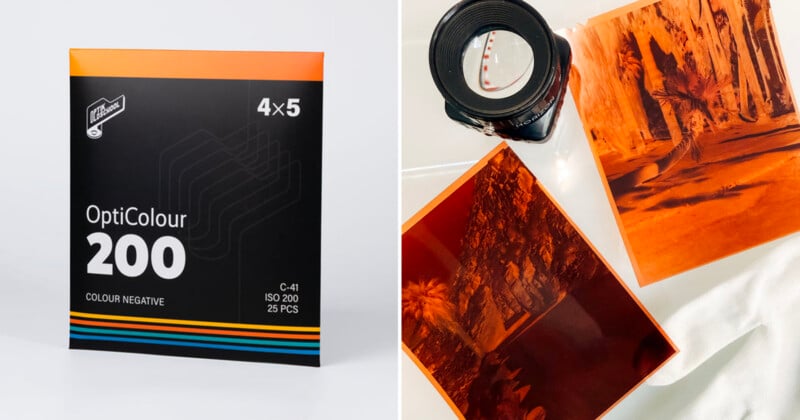
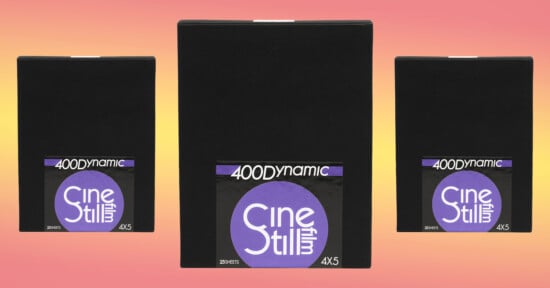
Large format photographers have a new option on the table as OptiColour 200 makes its debut in 4×5, 5×7, and 8×10 sheet film. Built on the Wolfen NC200 emulsion, the film brings a familiar look to a format that continues to attract fine art, portrait, and landscape photographers seeking maximum image quality and tonal control.
The move marks a notable step for OptiColour, taking what has largely been a smaller-format offering and scaling it into a space where detail, resolution, and rendering characteristics are pushed to their limits.
A Film Designed for Subtlety and Detail
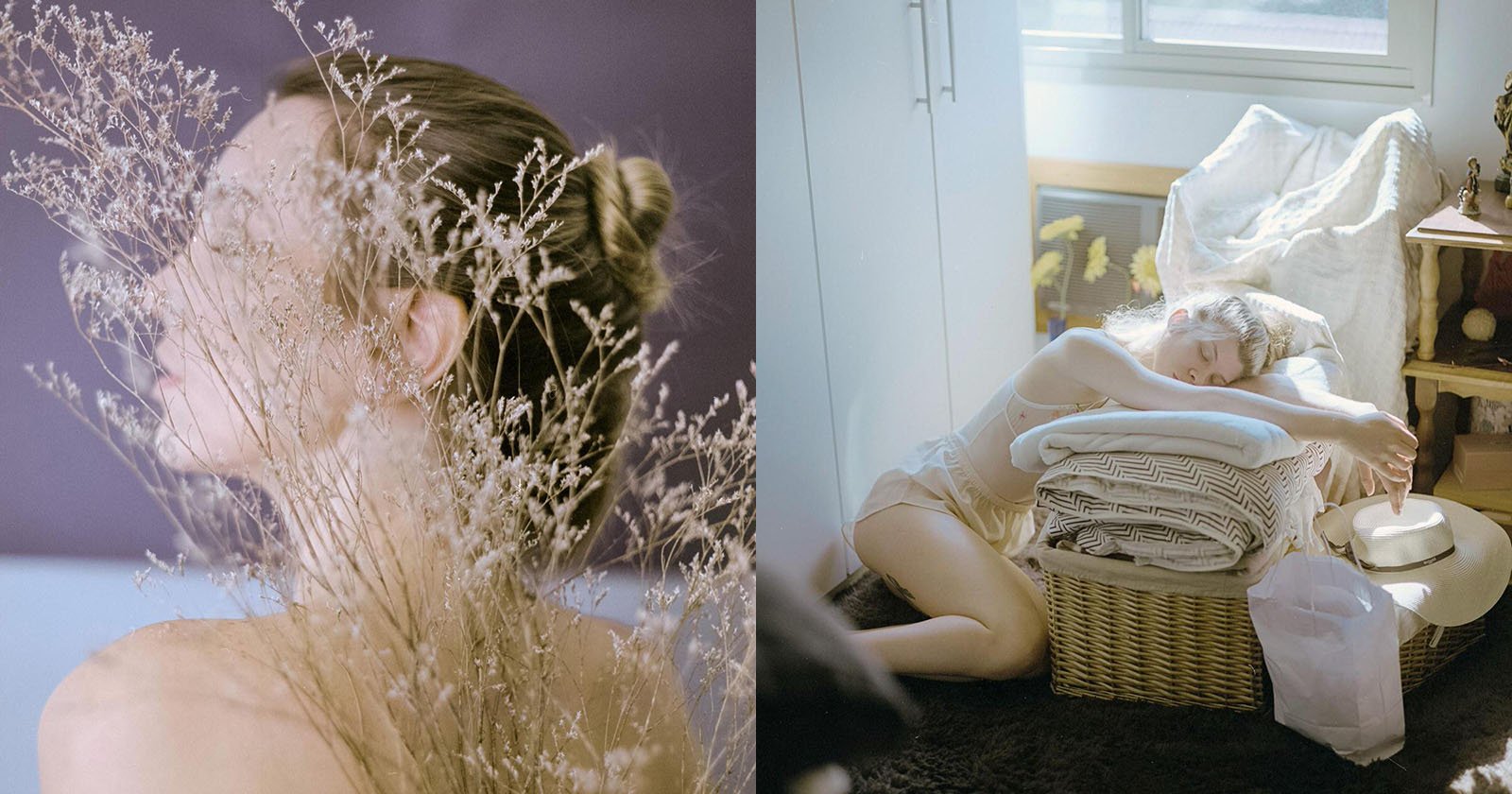
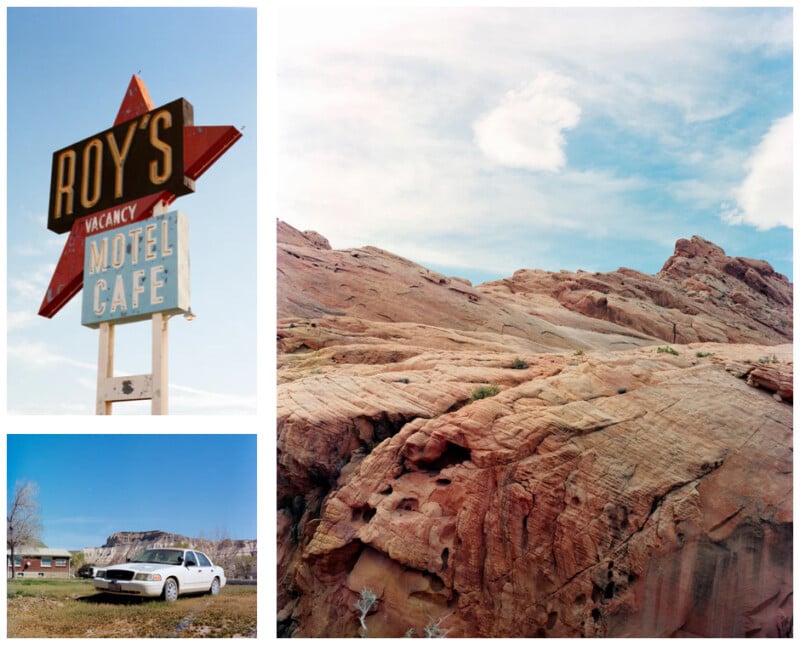
At its core, OptiColour 200 is an ISO 200 color negative film processed in C-41, designed to deliver balanced color reproduction with a natural tonal palette. The rendering leans toward subtlety, with moderate contrast and a gentle emphasis on greens and reds, alongside particularly flattering skin tones.
In large format, those characteristics become more pronounced. The already fine grain structure of the emulsion becomes effectively imperceptible at sheet film sizes, allowing for extremely smooth images with high levels of sharpness and depth.
The result is a film that prioritizes tonal transitions and detail over punchy contrast, making it especially well suited for photographers working in controlled environments or scenes where nuance matters more than saturation.
Where It Fits in a Large Format Workflow
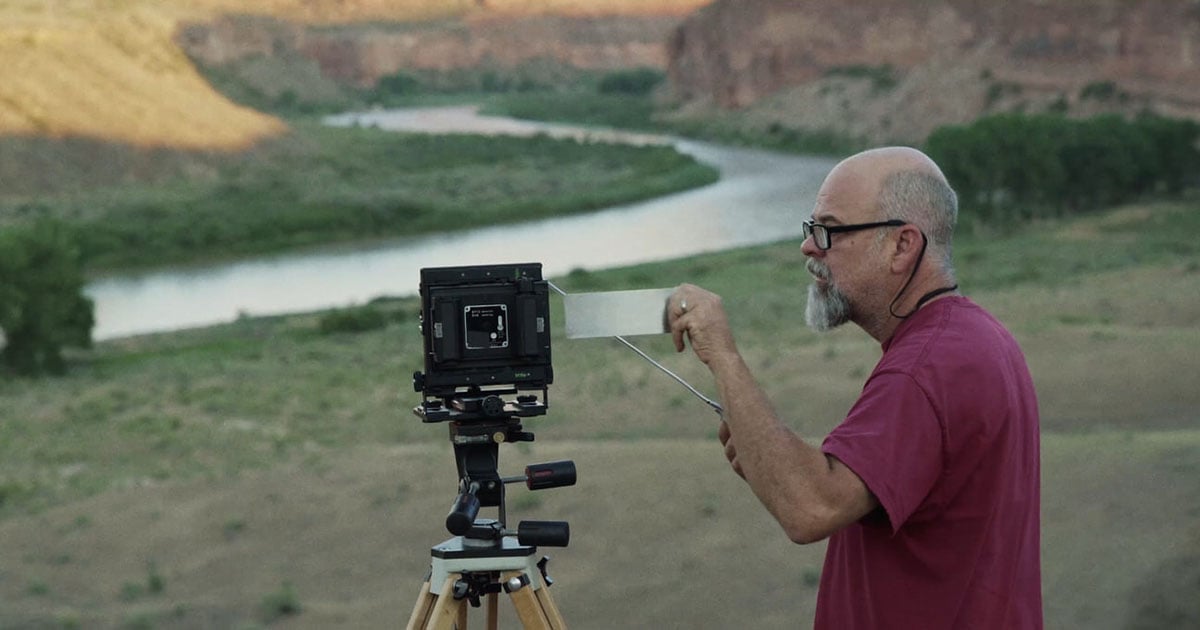
OptiColour 200’s expansion into sheet film positions it squarely within workflows that demand precision. Large format photography, by its nature, slows everything down. Each exposure is deliberate, often tied to tripod-based shooting, careful metering, and considered composition.
That makes films like this particularly appealing for fine art applications, studio portraiture, and high-resolution landscape work, where the combination of smooth tonal gradation and high resolving power can translate directly into better scans and prints.
“In large format, OptiColour 200 truly stands out: the fine grain of the emulsion becomes virtually imperceptible, resulting in exceptionallysmooth images with remarkable sharpness and depth. Tonal transitions are rendered with great subtlety, making the film especially well suited to fine art, portraiture and high-resolution landscape work,” Optik Oldschool says.
“OptiColour 200 large format is ideal for photographerswho value detail, tonal richness and a natural, contemporary film aesthetic – without sacrificing the classic qualities associated with analogue photography.”
The film is also daylight-balanced and built on a 175μm PET base, offering consistency across exposures and stability during handling and scanning.
A Broader Shift Back to Large Format
OptiColour’s move into large format does not exist in isolation. Eastman Kodak Company has also recently expanded its own large format offerings, adding films like Kodak Ektapan, Kodak Ektacolor Pro, and Kodak Tri-X across 4×5, 5×7, and 8×10 formats.
These parallel moves suggest a continued, if measured, resurgence in large format photography. While still a niche within the broader analog revival, demand for sheet film has remained steady among photographers who prioritize image quality above convenience.
Time to Go Big
For photographers already working in large format, OptiColour 200 offers a new aesthetic option rooted in natural color and refined tonality. For others, its release is another signal that the ecosystem around large format photography is not only stable, but slowly expanding.
In a market often dominated by discussions around scarcity, discontinuations, and rising costs, new film stock entering the space is notable in itself. Whether OptiColour 200 becomes a staple will depend on how it performs in the field, but its arrival reinforces a simple idea: large format photography is still very much alive, and still evolving.
Pricing and Availability
All three formats are now available through Optik Oldschool both in-store and online, with the standard 25-sheet box of 4×5 priced at $96. The 4×5 variant is also being distributed through partners including Fotoimpex, Freestyle Photo & Imaging Supplies, and Downtown Camera, making it accessible to a broader international audience.
Image creditsOptik Oldschool, Sebastian Trägner, Kodak
Affiliate Disclosure PetaPixel articles may include affiliate links; we may earn a commission if you buy through one.