
What Event Photography Is Really Like Behind the Scenes
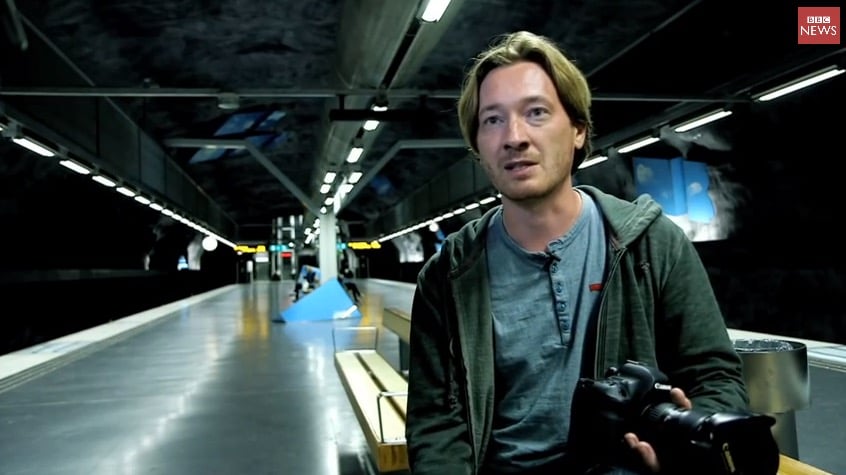
Early morning. Black t-shirt, dark blazer. I’m dragging heavy bags down from my apartment just outside Stockholm, heading to a taxi waiting outside. In twenty minutes, I’ll be at Stockholm Waterfront, where three intense days of shooting are about to begin. And I love it.
From the outside, event photography often looks effortless. Finished images make it seem like everything simply falls into place. What they don’t show is the pressure behind every frame — the need to anticipate moments before they happen, adapt instantly to changing conditions, and deliver without the option of doing anything twice. When I shot my first event, that pressure was impossible to ignore. It wasn’t just about being in the right place at the right time — it was also about trusting the equipment when it mattered most. In the beginning, that wasn’t something I took for granted.
There was always a thought in the back of my mind: What if something fails? What if the flash doesn’t fire at the exact moment I need it? That kind of uncertainty can easily turn into hesitation — and hesitation is the one thing you can’t afford when moments only exist for a fraction of a second.
Very early on, I realized that managing that risk was part of the job — not just mentally, but technically.
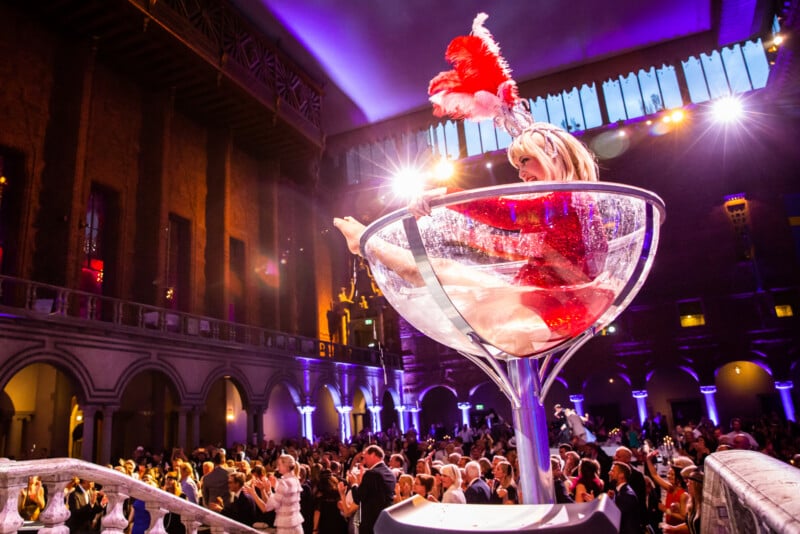
I started building redundancy into everything I did. For important moments, I often work with two cameras, both equipped with speedlights, so that if something fails, I don’t lose the shot. I also rely on camera bodies with dual memory card slots, ensuring that every image is backed up the moment it’s captured.
These decisions aren’t just technical preferences; they remove uncertainty and allow me to focus entirely on what’s happening in front of me.
Because in event photography, you don’t get a second chance.
It’s Not Just About Equipment
Over time, I realized that technical preparation is only one part of the job. Experience is what allows you to adapt quickly to changing light, shifting situations, and unpredictable moments. But even that only gets you so far. To really stay ahead, you need to understand what’s about to happen. And that’s where communication becomes essential.
Anticipation Is Everything
Communication is what gives you context. By talking to clients, producers, technicians, and PR teams, you start to understand the structure of the event — what’s coming next, where the focus will be, and when something important is about to happen. That knowledge changes how you work.
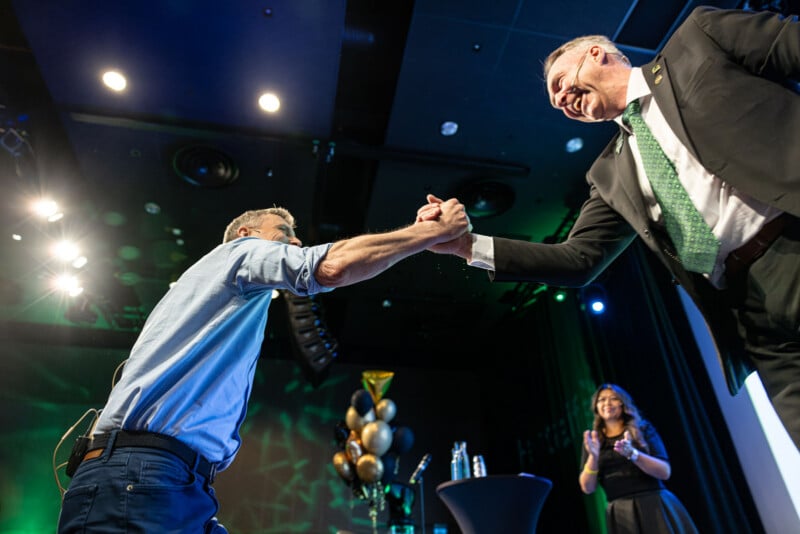
Instead of reacting to moments after they happen, you begin to position yourself before they unfold. You recognize timing, transitions, and patterns in the flow of the event. And that’s where the strongest images are usually made.
Reading People, Not Just Light
Another important shift in my approach was moving away from chasing images and instead focusing on reading people. Moments rarely appear out of nowhere. More often, they build gradually — through small signals. A shift in body language, a glance between two people, the beginning of a reaction that hasn’t fully happened yet.
The more experience you gain, the more you start to notice these details. And once you do, timing becomes less about luck and more about awareness.
The Human Side of the Job
Something that’s often overlooked in discussions about event photography is how much the work depends on people skills.
You’re not just observing — you’re part of the environment. Throughout the day, you interact with guests, clients, and production teams, often needing to guide situations without disrupting them. That requires a certain level of social awareness.
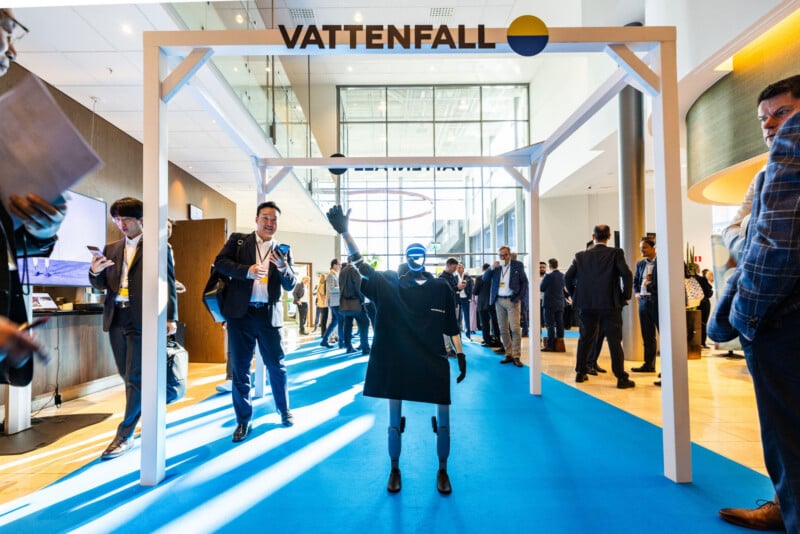
Over time, I’ve noticed that when you spend longer periods at an event, the dynamic changes.
People stop seeing you as “the photographer” and start seeing you as part of the environment. Conversations happen naturally, almost as if you were another guest. There’s something about the atmosphere at events that opens people up — they’re there to connect, to talk, and that openness often extends to you as well.
That shift creates trust, and that trust allows you to move more freely and capture more genuine moments.
At the same time, I try to meet that openness with the same attitude. If a speaker or participant asks for an image during the event, I’ll often send it over right away if time allows.
It’s a small gesture, but it’s part of the service — and more often than not, it’s appreciated, both by the people involved and by the client. It reinforces the idea that you’re not just there to document the event, but to contribute to it.
Blending In — and Taking Control When Needed
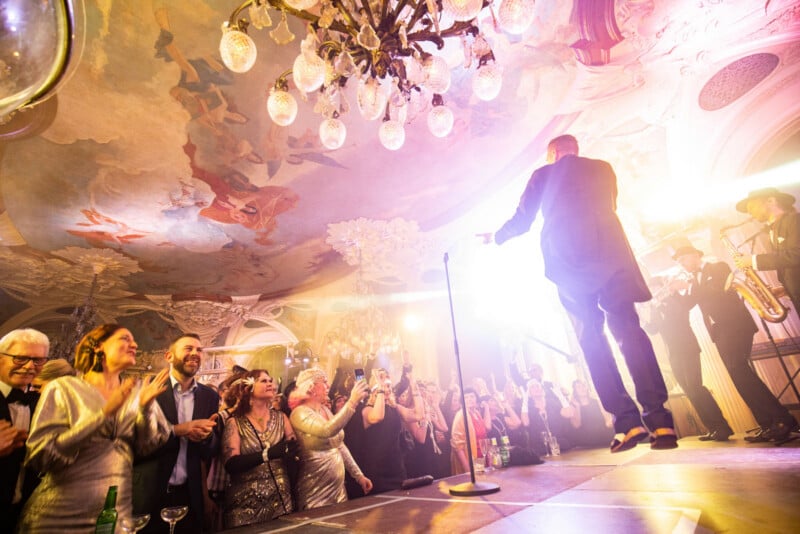
A large part of the job involves blending in. I usually dress in dark clothing, similar to the technical crew, but slightly more refined. It allows me to move through the event without drawing attention, while still fitting into more formal settings. When people stop noticing the camera, the images become more natural.
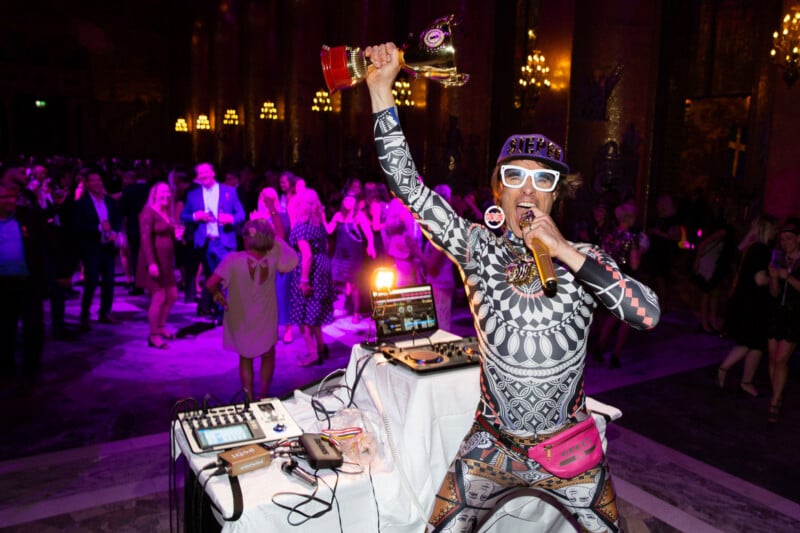
But blending in isn’t enough on its own. There are moments when you need to step in with clarity and confidence — not to take over, but to make sure something works visually or to adapt quickly when conditions change.
At other times, the role shifts entirely. You might move from documenting to producing — filming an interview, adjusting light, or coordinating with a PR team that needs usable material immediately. The work constantly moves between observation and intervention.
A Changing Workflow
The expectations around event photography have changed significantly. It’s no longer just about delivering a gallery after the event.
Many clients now expect both still images and video — often delivered while the event is still in progress. This has a direct impact on how you work. You need to make decisions quickly, manage your files efficiently, and maintain focus even when the pace is high. It also requires a structured workflow that allows you to select, edit, and deliver content without interrupting the ongoing work.
You are essentially producing content in real time.
When Everything Aligns
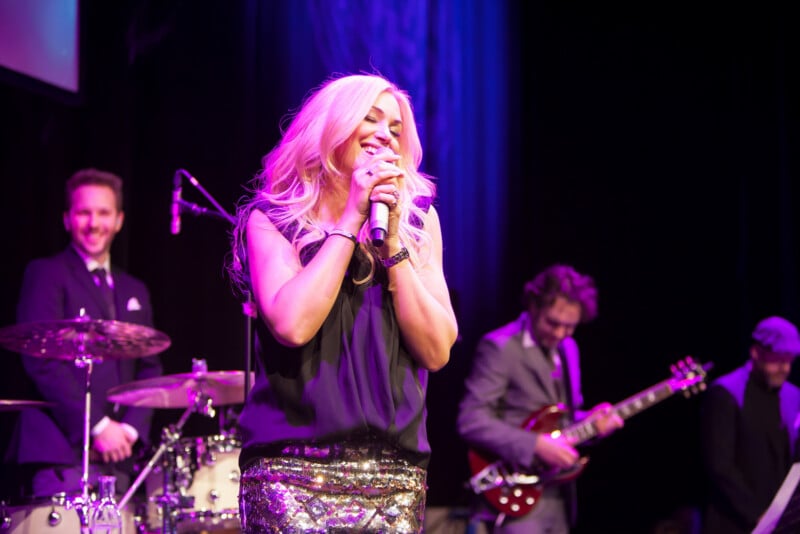
There are moments when all of these elements come together. Not because things slow down, but because your focus sharpens. You become more aware of what’s happening around you and more precise in your timing. I often think of it as being on a hunt. You’re not guessing — you’re observing, waiting, and recognizing when something is about to happen.
And when it does, you’re already there.
Why It Stays With You
That initial sense of pressure never completely disappears. But over time, it changes. Instead of creating hesitation, it becomes something that sharpens your awareness and keeps you present. It forces you to stay engaged, to keep observing, and to keep adapting. Because event photography doesn’t allow you to switch off. You have to be there — fully focused, from beginning to end. And maybe that’s exactly what makes it so compelling.
Affiliate Disclosure PetaPixel articles may include affiliate links; we may earn a commission if you buy through one.