The Screen That Changes the Shoot
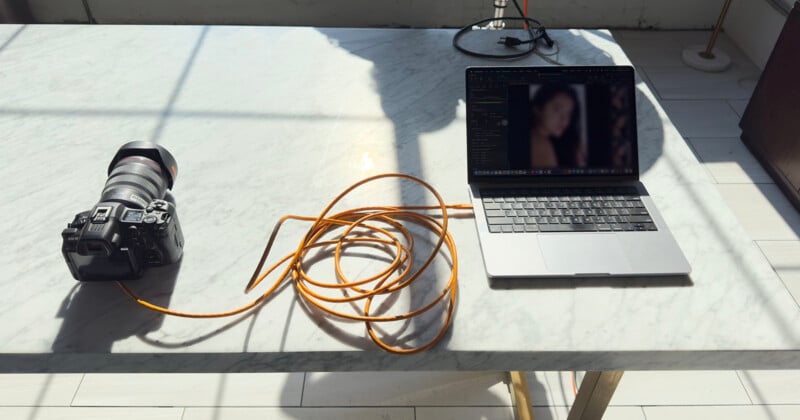
One of the most overlooked decisions on a commercial photo set is what everyone sees on the monitor.
A great photograph comes from an energy and a feeling. It’s the moment where the light, the subject, and the energy in the room all come together and something real gets captured. Every person on set either contributes to that feeling or takes from it. Every decision, creative or technical, either elevates what’s possible or limits it.
There’s a moment on every shoot where the energy either lifts or it doesn’t. It usually happens in the first twenty minutes. The test shots are done, the photographer has found the exposure, the talent or subject has settled into the space. Someone from the client side, or the subject themselves, walks over to the monitor and looks at a frame. What they see in that moment determines how the rest of the day goes.
If they see a flat, uncorrected RAW frame, technically accurate but unfinished, they start adjusting. The client asks questions. The model gets self conscious. The art director starts making suggestions that are really doubts in disguise. Everyone in the room is reacting to a file that was never meant to be the final product, and nobody is thinking about that distinction except the person behind the laptop.
That person is the digital imaging technician. And what happens on that screen is the single most underutilized tool on a commercial photo set.
What a Digital Tech Actually Does
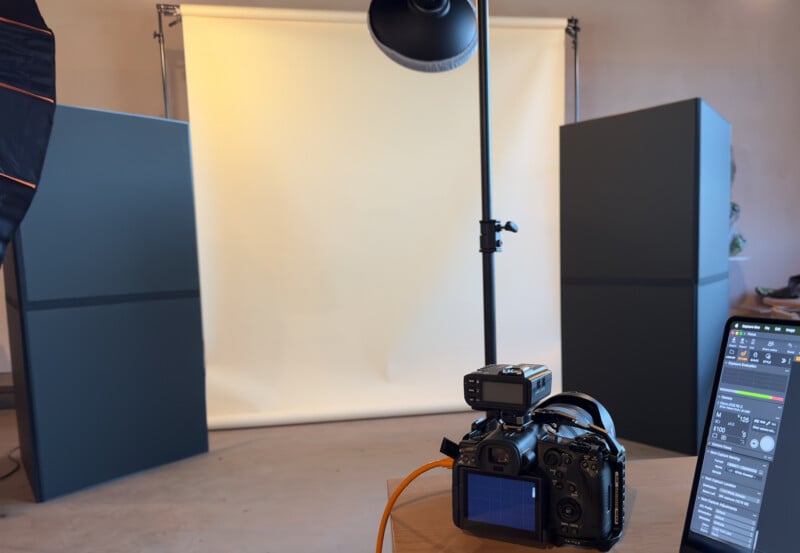
If you’ve been on a production and wondered who’s sitting behind that laptop and second monitor, watching every frame come through, that’s us. The DIT owns everything behind the lens: tethered capture, color management, file organization, backup, and the client facing monitor. The photographer owns the creative output. The tech owns the technical infrastructure that makes it possible.
You arrive before the photographer. The cart goes up, software opens, folder structure gets built, tether goes live. During the shoot, you’re watching focus, exposure, and color consistency while everyone else watches the subject. You catch problems before the photographer moves to the next setup. Between setups, you’re managing files. At wrap, you hand over clean, organized, backed up folders that are ready for post production without anyone having to reconstruct what happened during the day.
That’s the baseline. Most competent techs do all of that well. But the thing that separates a tech who manages files from someone who actively contributes to the quality of the production is what they do with the preview on that monitor.
The Preview Nobody Asked For
The first time I saw this work was an accident.
I was running tech on a corporate lifestyle shoot for a financial services company. The talent was four real employees who had never been photographed professionally and were visibly uncomfortable. The photographer was good, patient, doing everything right. But the subjects were stiff. The art director was getting anxious. The images landing on my screen were technically fine, good exposure, clean files, but they looked like what they were: flat, unprocessed RAW data of people who did not want to be there.
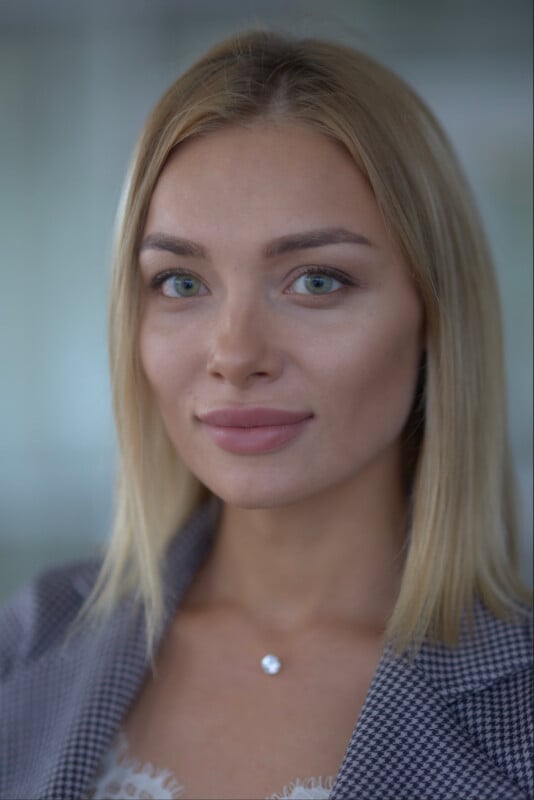
During a setup change, I applied a quick style to the incoming frames. A warm shift in the midtones, a gentle S curve, a touch of clarity. Nothing dramatic. Nothing that touched the underlying files.
The next round of frames came through, and one of the subjects, a woman who’d been holding her shoulders up near her ears for the first hour, walked over to the monitor between shots. She looked at the frame and visibly relaxed. She smiled, not a camera smile, a real one. She said, “Oh, that actually looks good.” And went back to set and gave the photographer a completely different energy for the rest of her session.
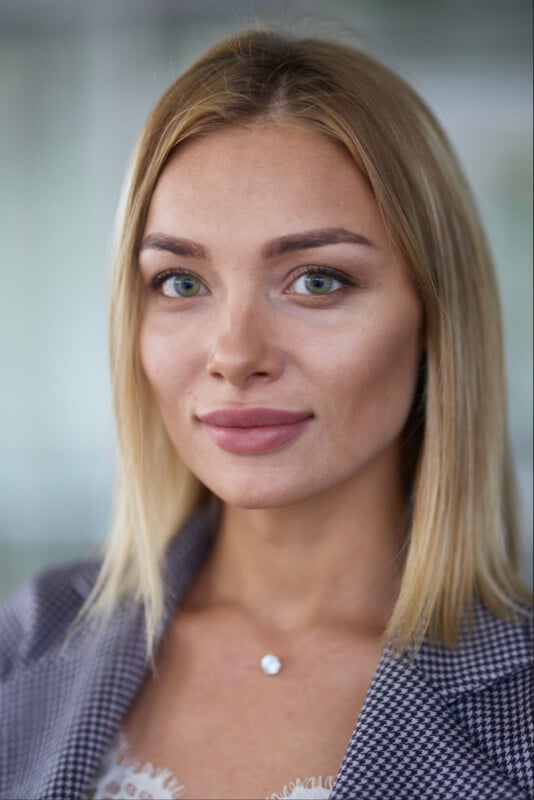
The art director noticed. The photographer noticed. Nobody said anything directly to me about it, but the day shifted. The remaining subjects were looser. The art director stopped hovering. The photographer started moving faster because the subjects were giving her more to work with.
The only variable was the screen. The images looked like photographs instead of data, and the room responded.
I now do this or something similar on almost all shoots.
Why This Works
People perform better when they feel good about what they look like. That sounds obvious, but it’s genuinely underutilized on set.
A model who walks over to the monitor between setups and sees herself looking good, real skin, good light, the version of herself that looks like the job she booked, relaxes. The tension in her shoulders comes down. Her eyes go softer. The expressions get more natural because she’s not holding herself against some imagined flaw the camera might catch. This isn’t about vanity. It’s about confidence, and confidence shows in the frame.
The same thing applies to non professional subjects. Executives getting headshots. Corporate talent who don’t do this regularly. The person who’s uncomfortable in front of a camera and walks over to the monitor expecting to hate what they see, and instead sees something that looks genuinely good, becomes a different subject. They stop apologizing for their appearance and start working with the photographer.
Then there’s the art director effect. Art directors and clients spend the day watching the monitor. That’s their job on set. An uncorrected RAW preview asks them to do something most of them aren’t trained to do: mentally transform flat, technically accurate data into a finished image and evaluate whether it matches the concept they came in with. Some can do it. Many can’t. And even the ones who can are doing extra cognitive work every time they look at a frame.
A polished preview removes that translation step. They can evaluate composition, expression, styling, and lighting, the actual creative decisions, because the technical presentation isn’t fighting them. The feedback changes too. Instead of “can you make it warmer?” when what they really mean is “this flat RAW looks cold,” you get specific, actionable notes. That’s a better day for everyone.
What You’re Actually Doing (And Not Doing)
This isn’t retouching. That distinction matters.
You’re making quick, non-destructive adjustments to the tethered preview in real time. Exposure correction. A basic color grade applied as a style or preset, consistent, relatively neutral, leaning toward the final aesthetic the production is going for. Skin tone adjustments that bring the subject into a flattering range without killing the detail. Maybe subtle skin smoothing, applied softly enough that it reads as “healthy” rather than “retouched.”
None of it is baked in. The underlying RAW files remain untouched. The retoucher who opens them later starts from the unaltered capture. You’re adjusting what the room sees during the shoot, not what gets delivered.
There’s also an approach that works particularly well with newer clients or subjects who are unsure about the process. During a natural break, pull a few of the strongest frames, spend five minutes doing quick but more polished edits, and show them to the photographer or art director. Not as finals, just as a preview of where the images are headed. For a client who’s never done a shoot like this before, seeing three or four frames that look close to finished can completely shift their confidence in the project. It turns “I hope this is working” into “okay, we’re getting exactly what we need.” That changes the entire second half of the day.
When Not to Do It
This doesn’t work on every shoot, and knowing when to hold back is part of the job.
Some photographers don’t want you touching the look. They have a specific vision, they want the raw feed, and any preview grade you apply could influence the art director’s expectations in a direction the photographer didn’t intend. That’s why this always starts with a conversation before the shoot, not a surprise on set. If the photographer wants the ungraded feed, you give them the ungraded feed. You’re supporting the creative vision, not imposing your own.
On high end agency shoots, some art directors actually prefer the uncorrected preview because they don’t want to react to a grade that might not match the retoucher’s final direction. They’ve seen enough raw files to translate in their head, and they’d rather evaluate the capture without the filter.
There’s also a risk with newer clients: if the preview looks too polished, they might expect that level of finish in the delivered files and be disappointed when they open the raws. Managing that expectation, making it clear that what’s on the monitor is a preview and not the final product, is part of how you use this responsibly.
The skill isn’t just knowing how to do it. It’s knowing when.
Why Photographers Are the Right People for This
Photographers already have the instincts for this. You know what a finished image looks like because you’ve processed thousands of them. You understand color grading because you do it in post on your own work. You can look at a frame on the monitor and immediately tell whether what you’re seeing is a technical issue or an intentional creative choice.
That creative fluency is what makes a photographer turned tech more valuable than a pure technician in this role. A technician can manage a tether and back up cards. A photographer can do all of that and also make the monitor tell the right story, because they understand the story.
If you shoot commercially, you already have most of the gear and most of the knowledge. The market for reliable digital techs is underserved in most cities outside New York and LA, and adding tech services doesn’t replace your shooting business, it runs alongside it. On days you’re not booked to shoot, you can book tech. The client relationships overlap. And working the tech side of other photographers’ productions will make you sharper on your own shoots in ways you won’t expect.
If you’re assisting and looking for the next step, or earlier in your career and trying to build income around production work, digital tech is one of the most accessible entry points in commercial photography. The barrier is lower than you’d think, and the work creates relationships that feed every other part of your career.
The Principle
A great photograph comes from a feeling and the energy in the room. Everything on set either feeds that feeling or fights it, including the screen everyone keeps looking at.
Make sure it’s telling the right story.
Affiliate Disclosure PetaPixel articles may include affiliate links; we may earn a commission if you buy through one.