
Photographer Documents the Vanishing Wildlife of the ‘American Amazon’
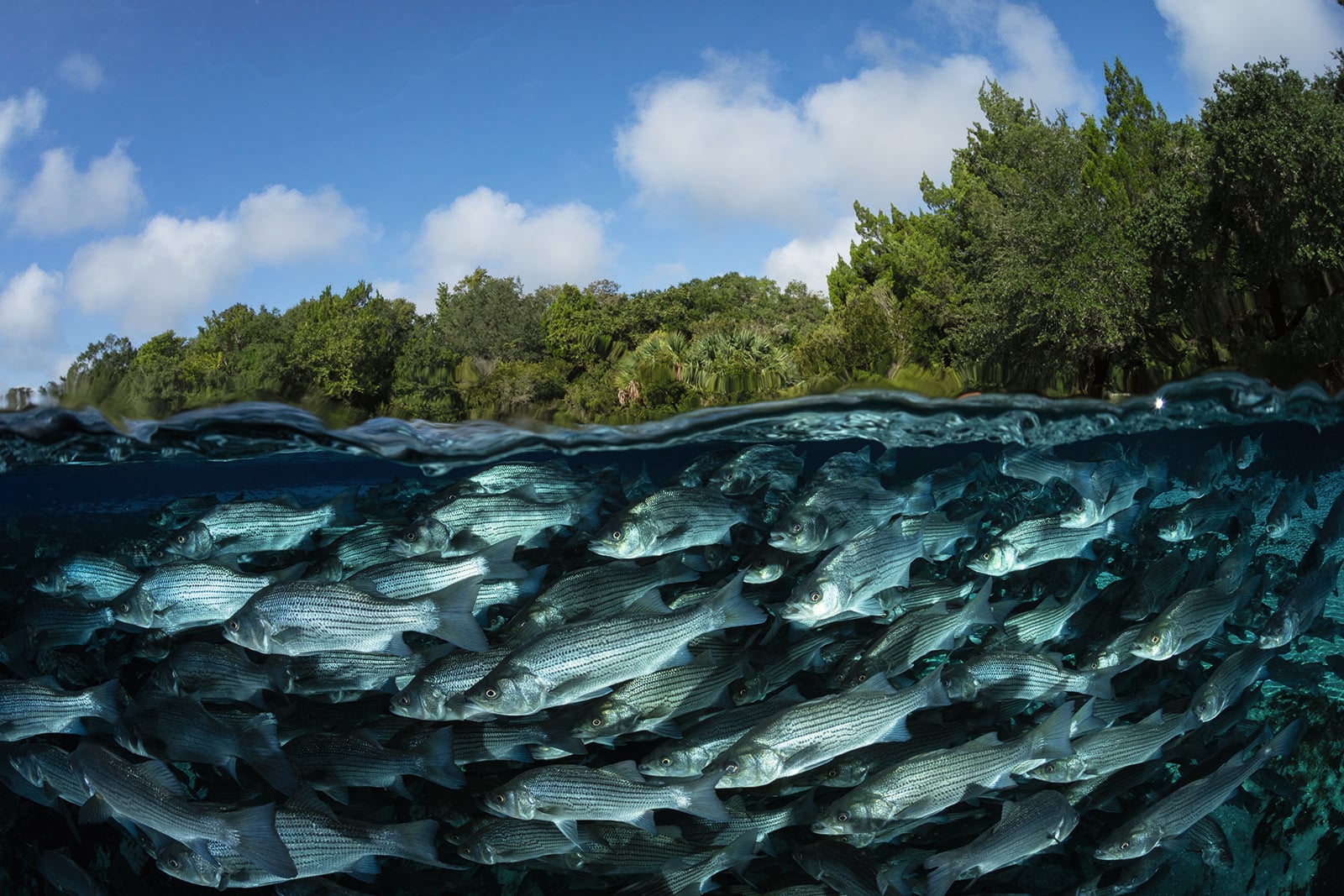
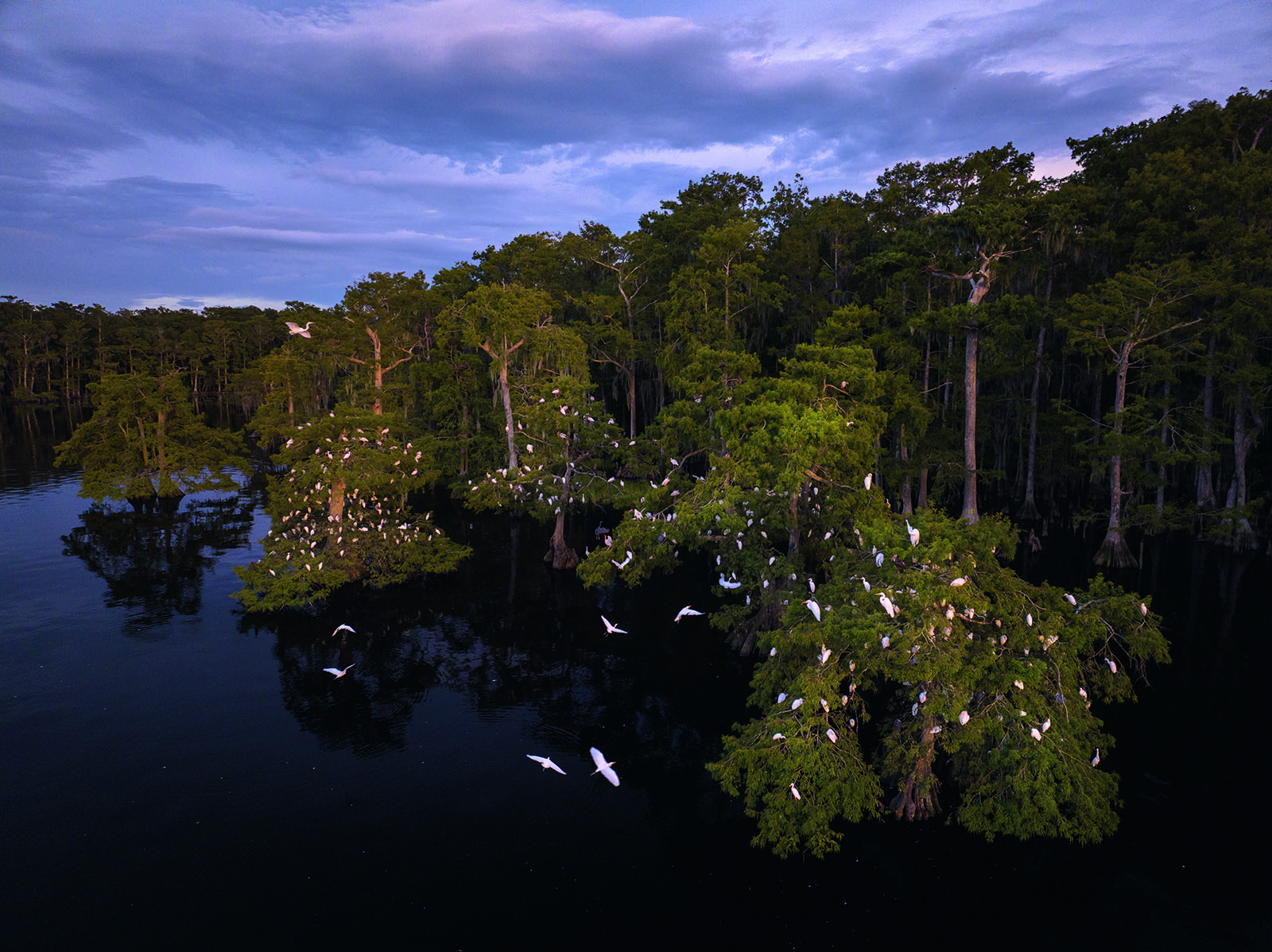
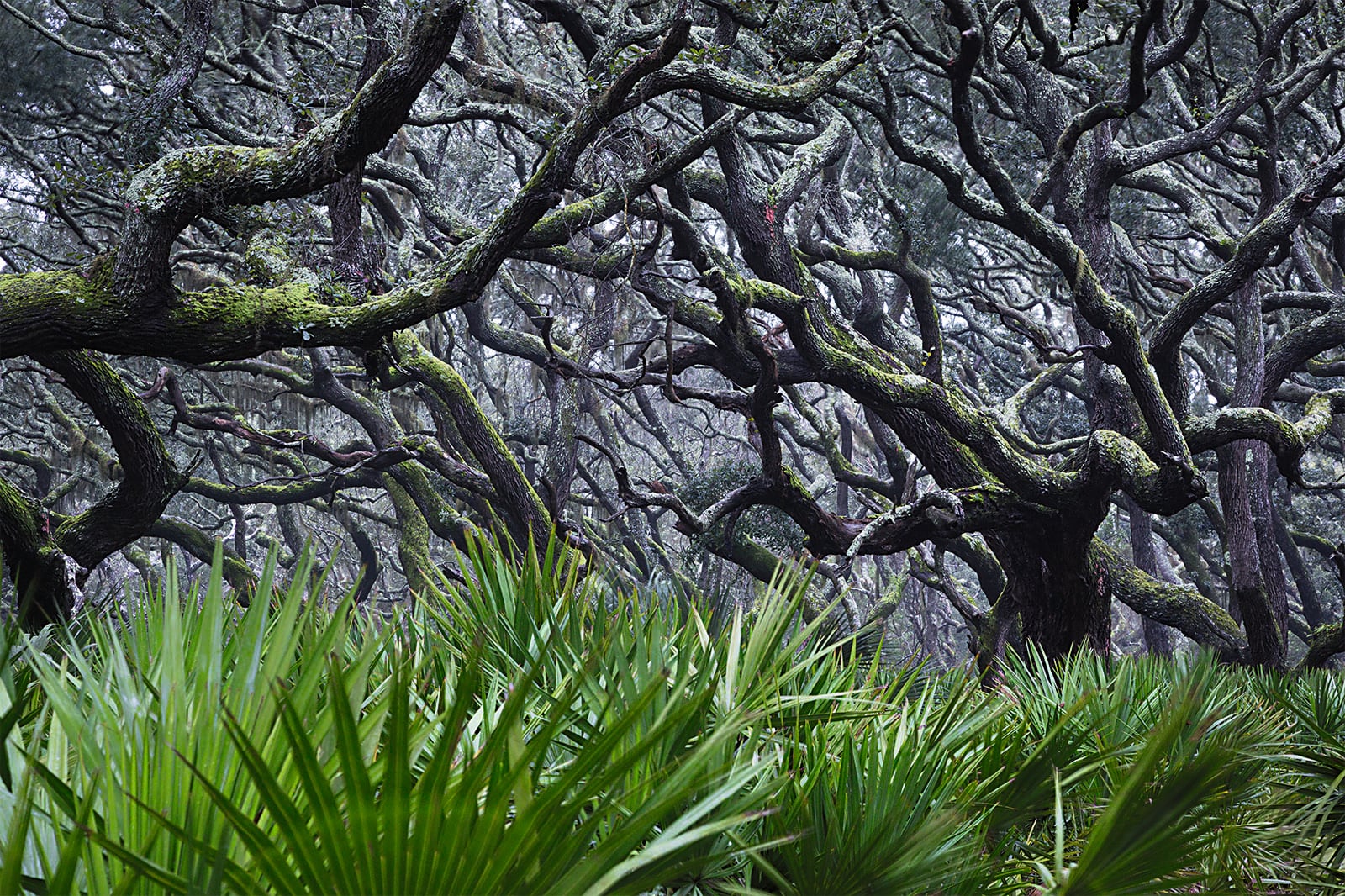
The closest the United States gets to the Amazon rainforest is the southeastern part of the country, a biologically rich region consisting of forests and wetlands. Photographer Mac Stone has spent decades creating a visual dispatch there.
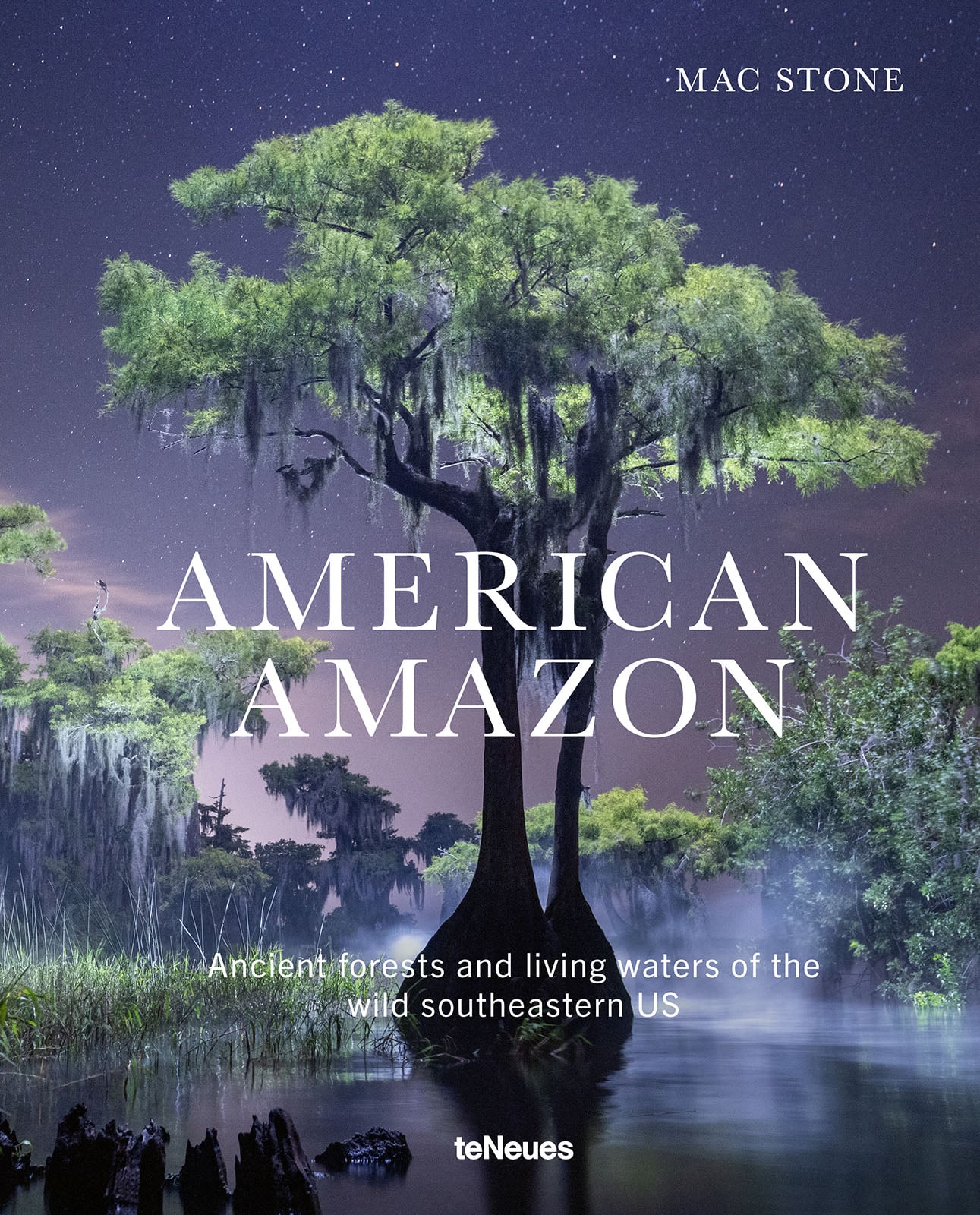
His groundbreaking book, American Amazon, is a definitive and urgent photographic record of the wild southeastern United States. Stone says it is a biological powerhouse of equal significance to the tropics, but one that is vanishing quietly.
Stone recalls the genesis of this realization with haunting clarity: “The first time I heard the phrase ‘American Amazon,’ I was waist-deep in blackwater, slogging through a guzmania swamp in the Fakahatchee Strand of the Everglades,” he says.
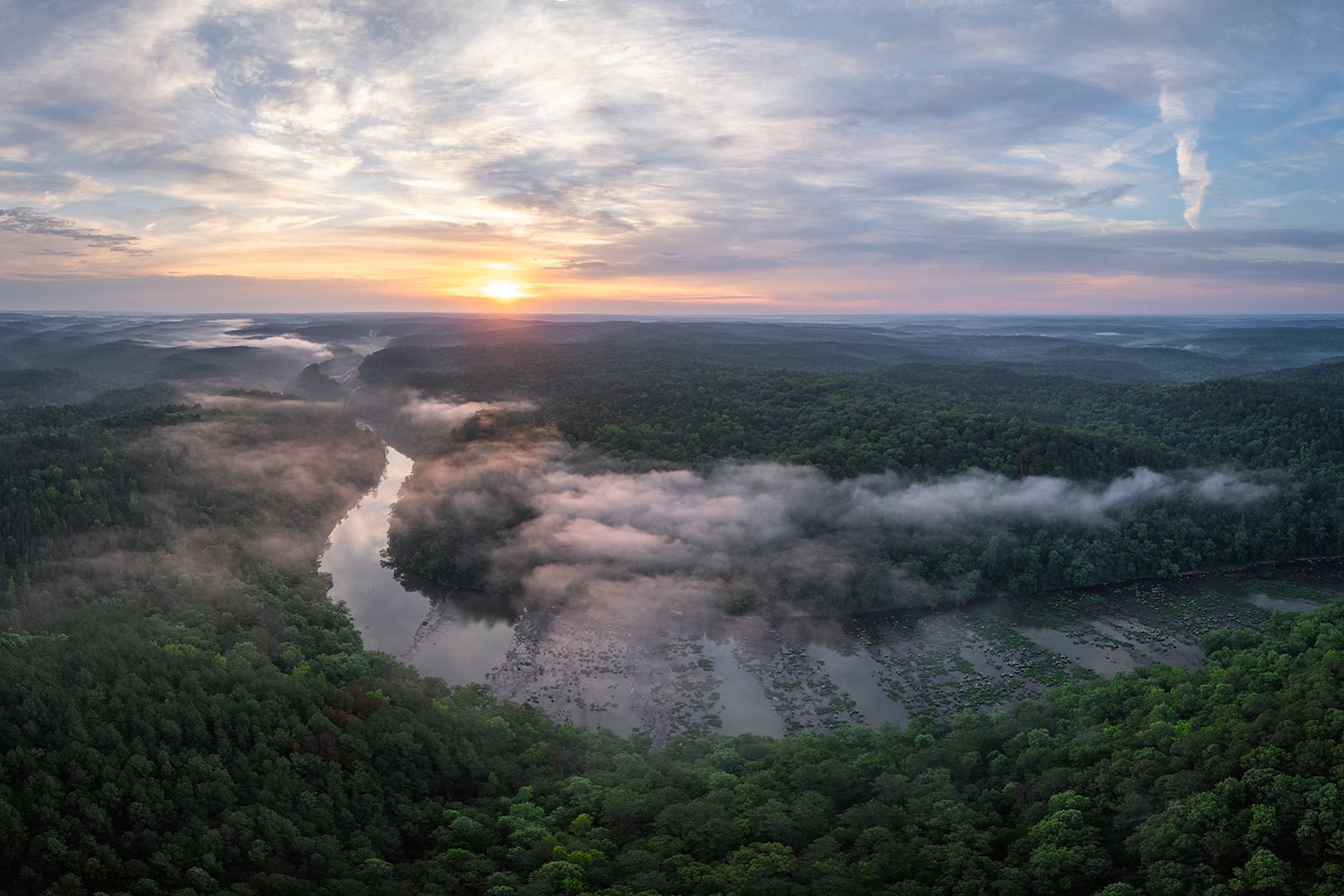
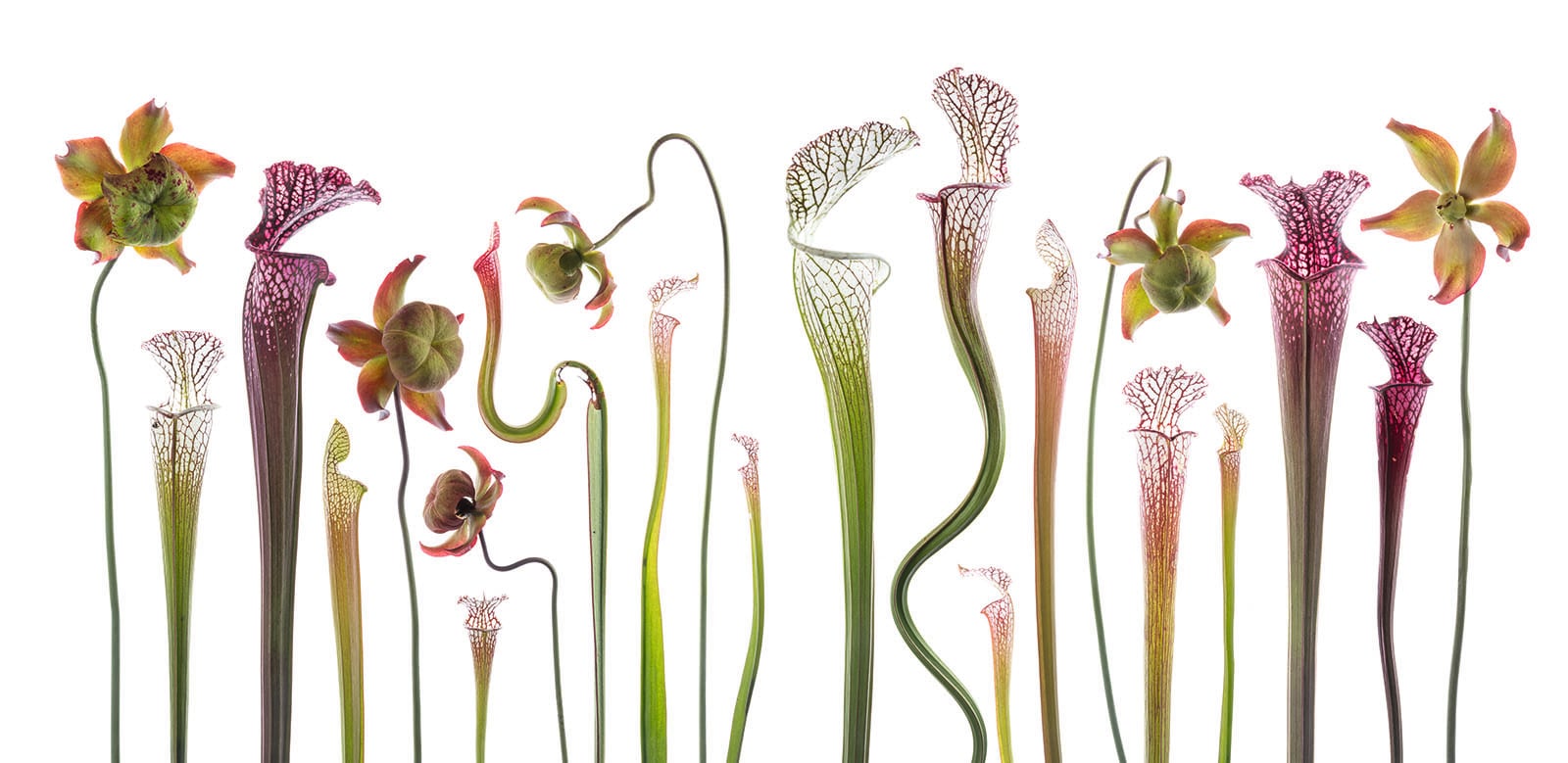
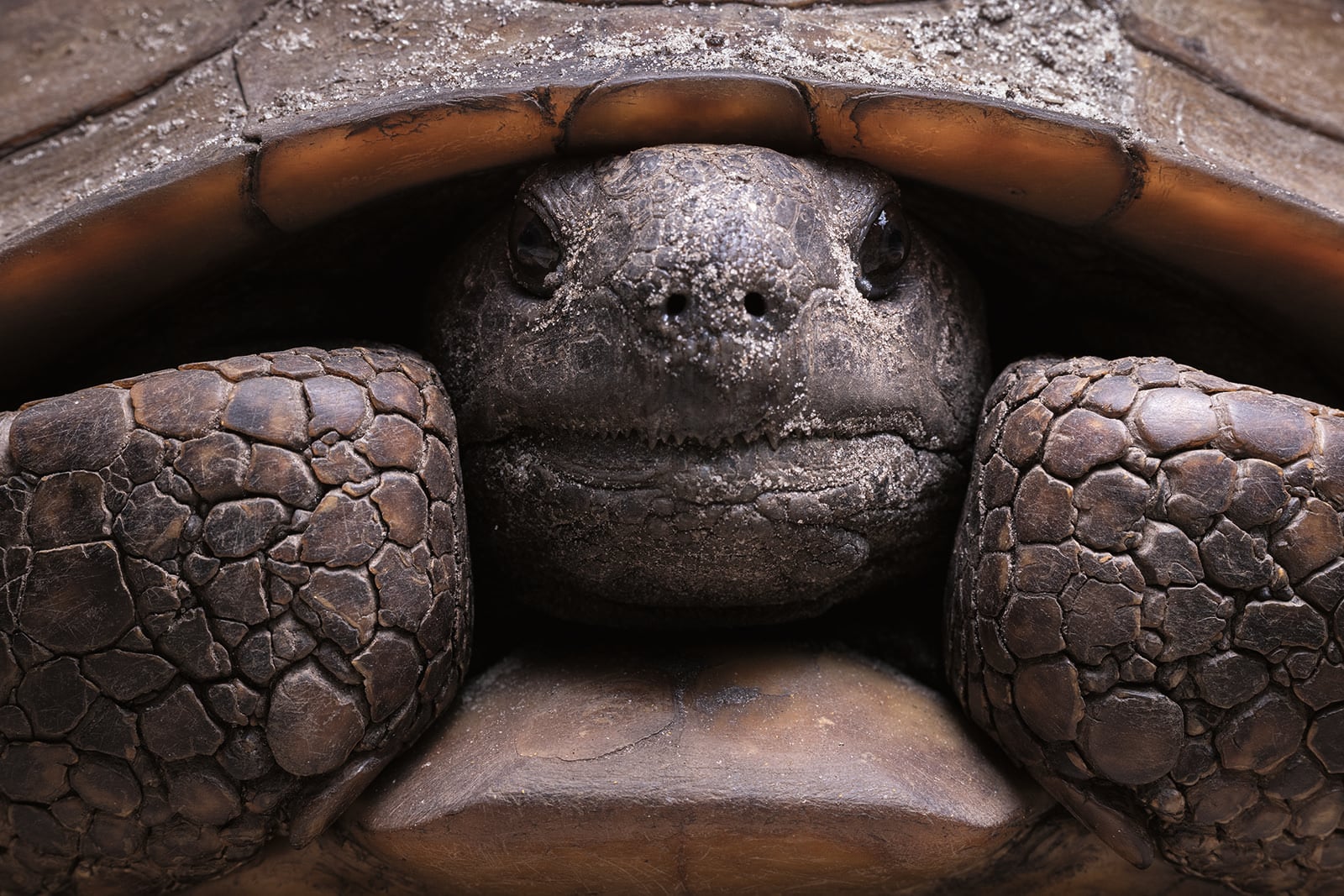
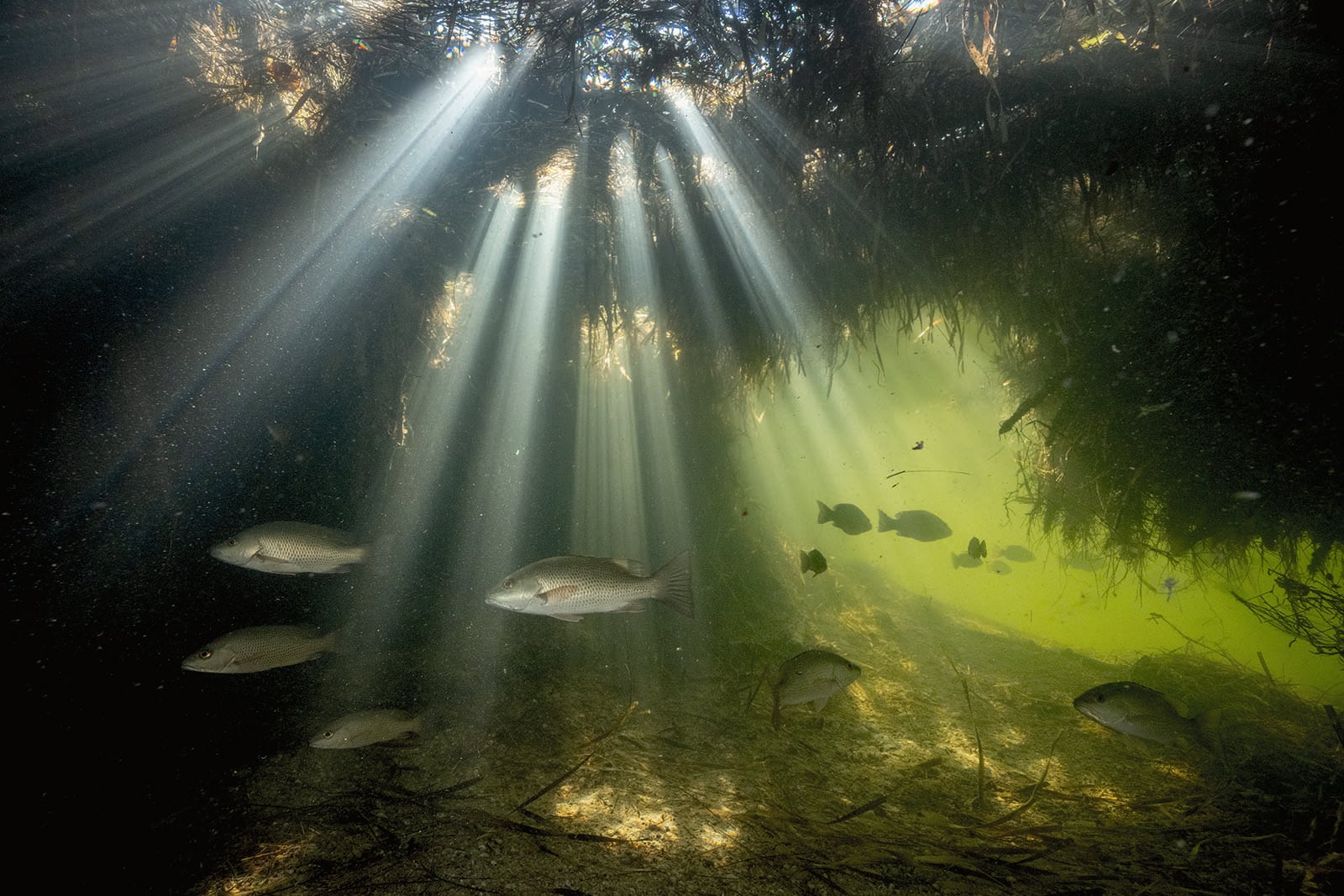
The American Amazon is no mere landscape; it is a scientifically proven global epicenter for life, harboring more species of freshwater turtles, fish, and salamanders than almost any other place on the planet — including, for certain taxa, the actual Amazon Basin itself.
Yet the Southeastern United States currently leads the nation in extinctions, a crisis Stone documents through haunting images of “ghost forests” — coastal groves killed by rising saltwater — and ecosystems where invasive species like Burmese pythons have caused native mammal populations to largely vanish.
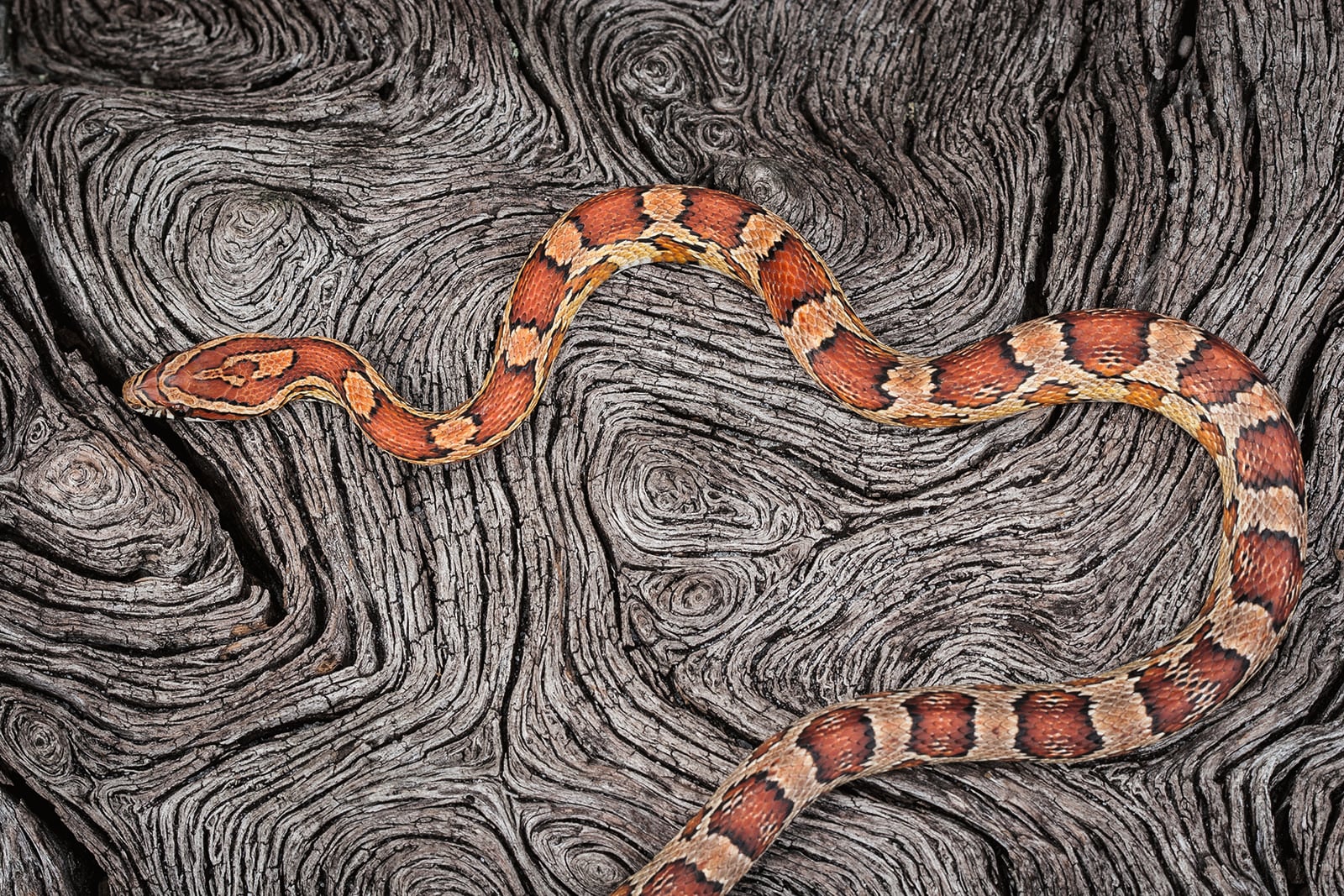
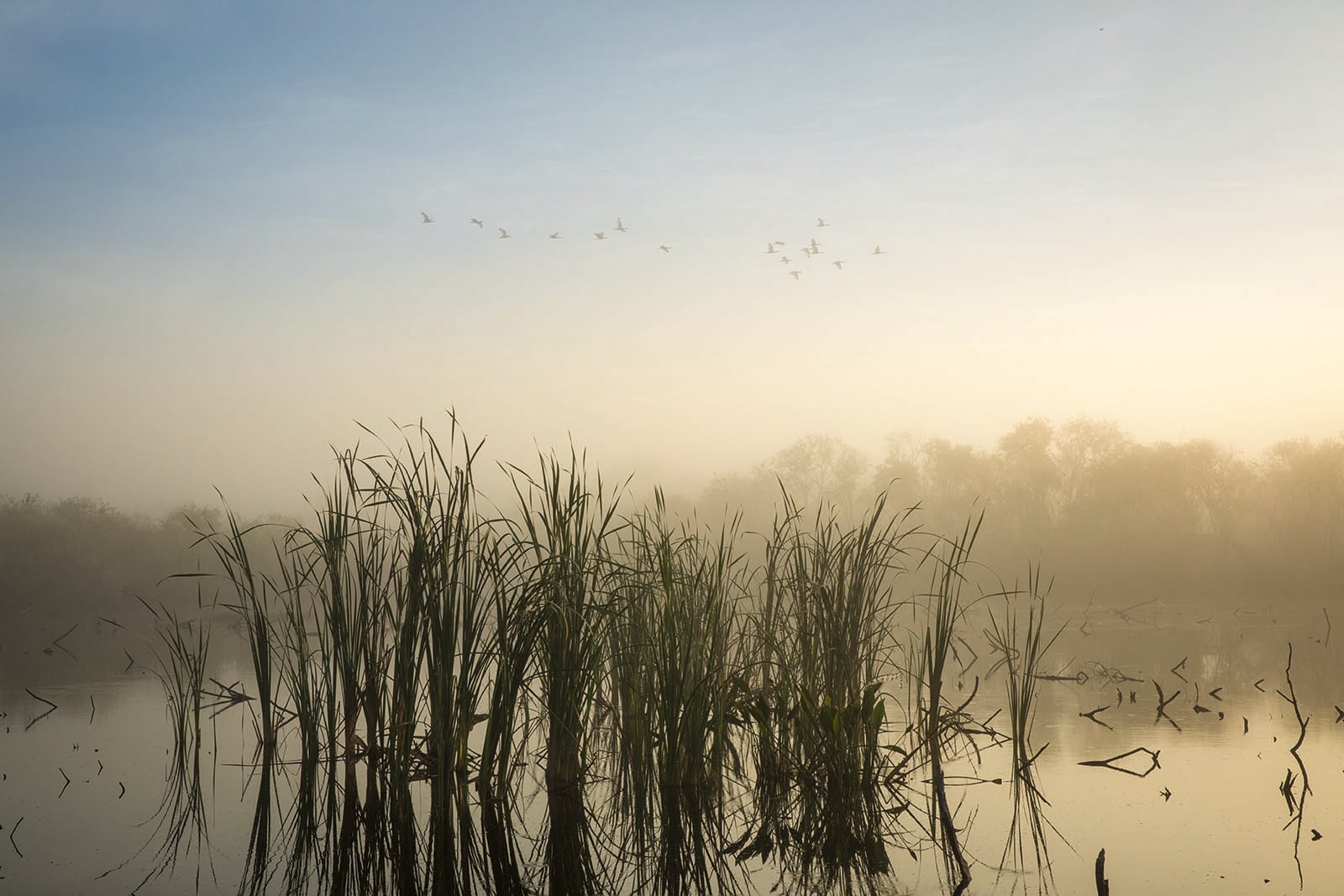

The making of American Amazon was a feat of extreme physical endurance, involving the scaling of 2,000-year-old old-growth cypress trees with fixed ropes and rappelling 160 feet into lightless underground caverns.
Stone’s work also serves as the foundation for a four-year cinematic collaboration with director Eric Bendick, resulting in a concurrent IMAX feature and PBS Nature mini-series. Together, they captured phenomena never before recorded, from the subsonic bellows of breeding alligators to the territorial combat of giant hellbender salamanders.
Who is Mac Stone?
Mac Stone is a National Geographic Explorer, photographer, and filmmaker dedicated to documenting and protecting wetlands and swamps. Combining a background in field biology with a distinctive artistic vision, Stone creates compelling imagery that has earned international acclaim while also contributing to scientific understanding.
Through powerful storytelling and striking visuals, his work challenges misconceptions about these often-overlooked ecosystems and highlights their ecological importance. With more than 33,000 followers on Instagram and a widely viewed TED Talk, Stone has become a passionate advocate for America’s wild places and a compelling voice in contemporary conservation.
American Amazon is published by teNeues.
Affiliate Disclosure PetaPixel articles may include affiliate links; we may earn a commission if you buy through one.