NASA Shares Unseen Artemis II Photos to Mark Earth Day
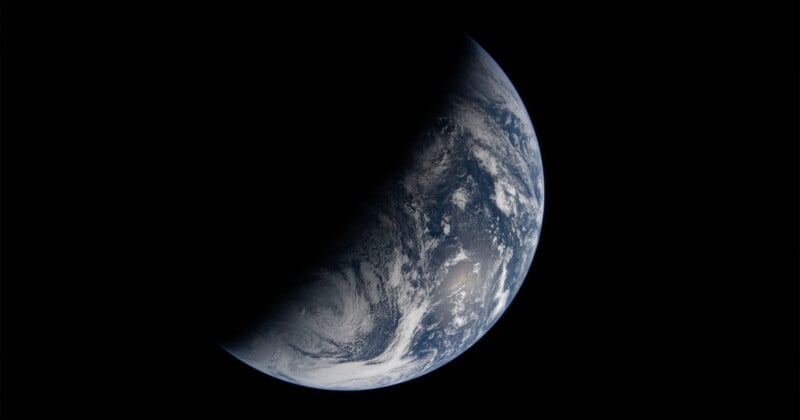
To mark Earth Day (April 22), NASA has released a series of previously unseen photos of the planet taken by the Artemis II astronauts during their historic voyage to the far side of the Moon.
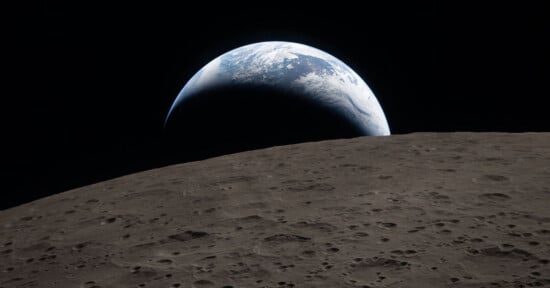
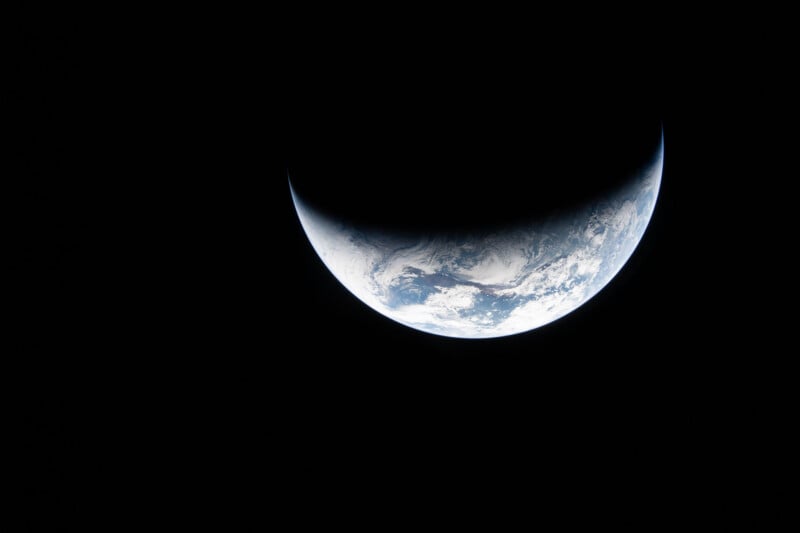
The main photo (above) shows the terminator — the line between night and day — across Earth. The Artemis II astronauts captured this view on April 2, 2026, during their journey to the Moon.
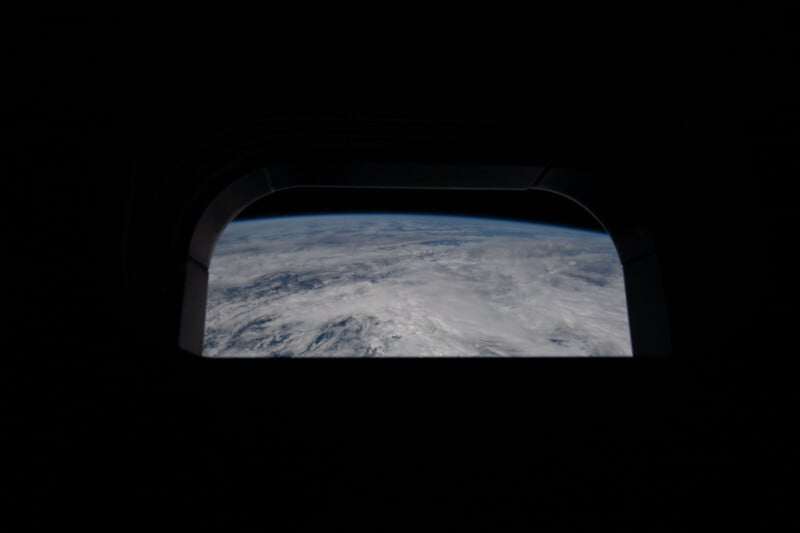
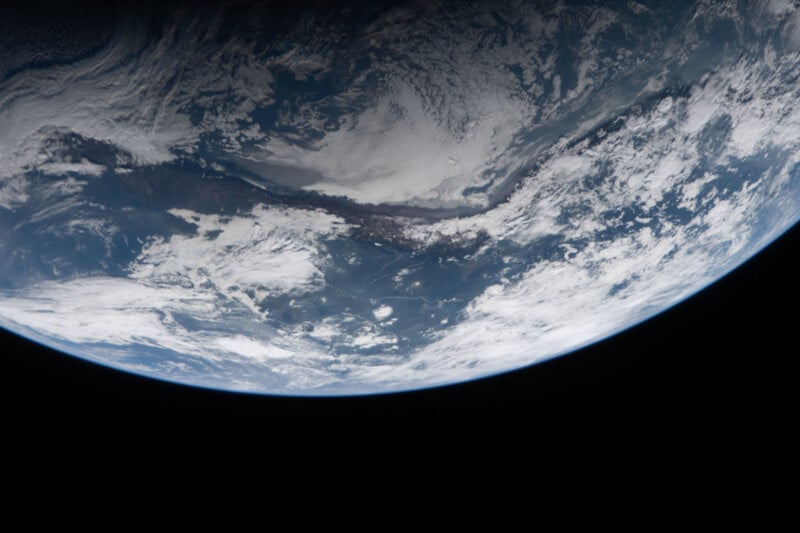
NASA notes that it was Bill Anders’ famous photo, Earthrise, taken in 1968 during the Apollo 8 mission, that helped spark the first Earth Day celebration just two years later.
Almost 60 years later, and the Artemis astronauts are taking their own poignant photos of Earth, which have inspired so many people.
“On Earth Day, we are reminded of the extraordinary responsibility we share to understand our planet,” says NASA Administrator Jared Isaacman. “NASA’s Earth science missions continue to deliver critical data that strengthen communities, support industries like agriculture, and help the nation anticipate and respond to wildfires, droughts, flooding, and other natural hazards. Together with our Earth science partners, NASA is committed to deepening our understanding of Earth.”
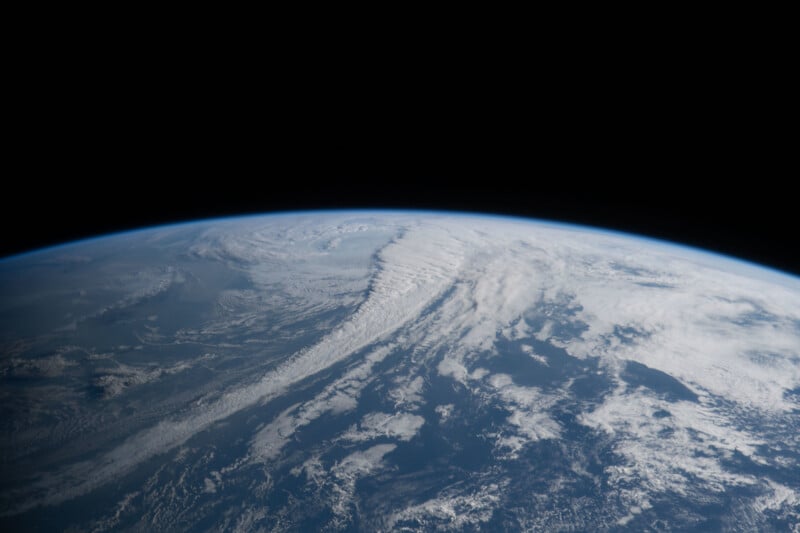
“Our four Artemis II astronauts — Reid, Victor, Christina and Jeremy — took humanity on a journey that showed us just how special and bright our Earth is, even from the dark side of the Moon, that is especially worth celebrating on Earth Day,” says Nicky Fox, associate administrator of the Science Mission Directorate at NASA Headquarters in Washington.
“Seeing the incredible images of our blue marble planet over time from Apollo 8’s Earthrise to Artemis II’s Earthset, it is not only a symbolic moment of beauty, but like the other images captured during the lunar flyby, Earthset is brimming with incredible science in high definition that will help inform our future Artemis missions on the Moon.”
Image creditsNASA
Affiliate Disclosure PetaPixel articles may include affiliate links; we may earn a commission if you buy through one.