
Google Doodle Marks Earth Day 2026 With Logo Made of Six Aerial Photos
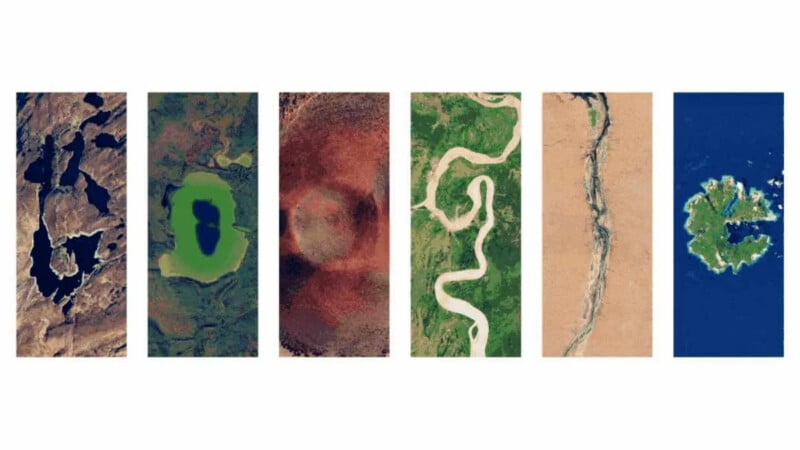
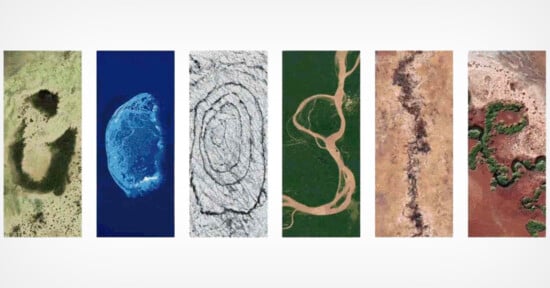
Google has marked Earth Day 2026 today (April 22) with a Doodle of six aerial photographs from around the world that spell out the search engine’s name.
The Doodle spells out “Google” using images of naturally occurring landscapes that resemble the letters in the company’s name. The first “G” features the United Kingdom in Europe, followed by an “O” made from Canada in North America, another “O” from Argentina in South America, a second “G” from Papua in Oceania, the “L” from Senegal in Africa, and the final “E” from Indonesia in Asia.
“This Doodle celebrates our magnificent planet. The rotating artwork features Google Earth imagery, showcasing diverse global landscapes and natural wonders inside each letter,” Google says in a blog post.
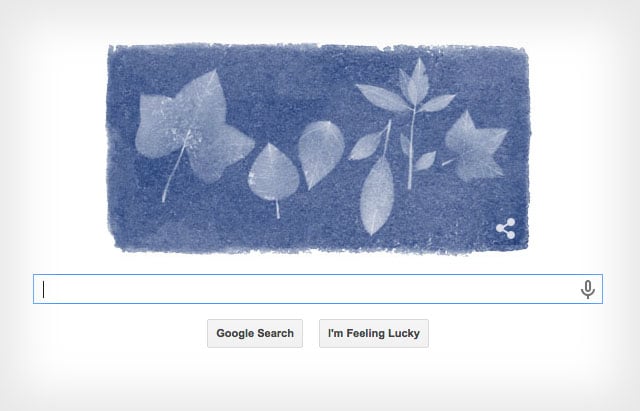
Earth Day, observed annually on April 22, aims to raise awareness of environmental issues and encourage people to take small steps in their daily lives to help protect the planet. It was first celebrated in 1970. Each year, Google creates an Earth Day Doodle highlighting the planet’s natural landscapes, with images sourced from Google Earth.
All of the images used in this year’s Doodle are drawn from Google Earth imagery, with contributions from sources including Excel Imaging US, Inc.; Data SIO; NOAA; U.S. Navy; NGA; GEBCO; Maxar Technologies; Landsat / Copernicus; and CNES / Airbus.
Last year marked the 20th anniversary of Google Earth, which launched in 2005. The platform quickly gained widespread attention, reaching 100 million downloads in its first week. Since then, it has developed into a tool used for education, research, emergency response, environmental planning, and historical preservation.
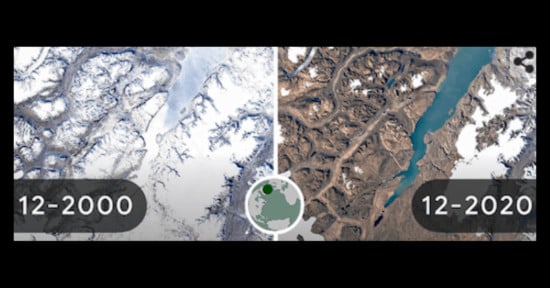
In honor of its two-decade milestone, Google introduced a new feature: historical Street View imagery directly within Google Earth. This addition enables users to scroll through time and view how places have evolved, a fitting tribute to a platform that has always sought to deepen our understanding of the world, both past and present.
Image creditsAll photos via Google.
Affiliate Disclosure PetaPixel articles may include affiliate links; we may earn a commission if you buy through one.