How Fujifilm Will Fix its Video Autofocus Woes
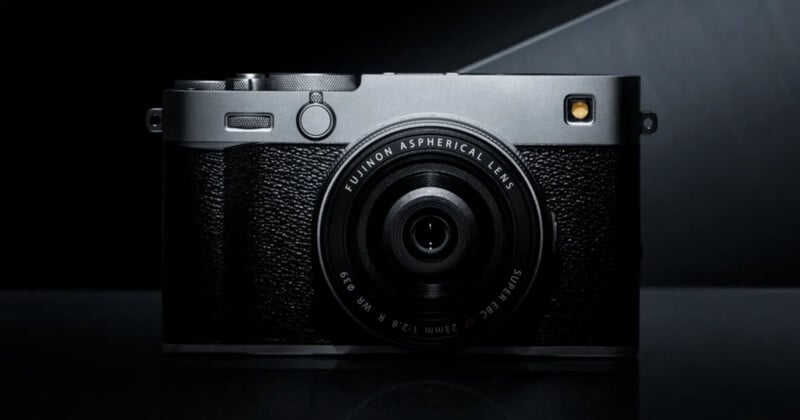
Fujifilm’s X Series cameras do a lot right. They are extremely capable, performant APS-C mirrorless cameras with many passionate supporters. However, for as good as they are, autofocus performance remains an oft-discussed shortcoming, especially for video applications. Fujifilm says it hears the complaints and is working hard to address the feedback.
“We’re trying,” Yuji Igarashi, General Manager of Professional Imaging Group, Imaging Solutions Division, Fujifilm Corporation, explained to PetaPixel at CP+ 2026 in Yokohama. “We still believe it’s necessary to just continue to improve by algorithm improvement. And it’s not that we’re not doing it. We are continuing to work on it.”
Fujifilm says there are two key aspects of improving the autofocus performance of its cameras: the algorithms, and hardware.
“In the general usage, I think it works fine,” Igarashi said of Fujifilm’s autofocus for fast-moving subjects. PetaPixel‘s experience with Fujifilm autofocus for still photography has been universally positive with the company’s latest cameras.
“There are two improvements we can make, one based on the algorithm and then one based on the device itself,” explained Igarashi. “So we have the fifth-generation device now, and so to make an improvement here, we just need to improve the algorithm. That’s the maximum we can do.”
The company’s recent cameras, including the popular X-M5 and X-E5, incorporate Fujifilm’s latest autofocus algorithms, and they are noticeably better than older models. However, there is still room for improvement, especially during video recording where focus can occasionally wobble.
“In theory, future devices will be much more advanced, with the consideration of higher processing speed. That would help us as well, but that wouldn’t help existing users, so we’re trying to do both — algorithm improvement plus device improvement.”
Improving autofocus is not as straightforward as just throwing more processing power at the problem, nor is it something that can be solved solely through better software.
Something Fujifilm didn’t mention but is also vital are the autofocus systems and technologies inside lenses. Older autofocus motors are slower, less precise, or less smooth, and there’s nothing to be done about that with better software or hardware. The company has dedicated resources to developing better autofocus motors over the years, including smooth, quiet, and quiet linear actuators, which are denoted by “LM” in Fujinon lens names.
Solving Fujifilm’s oft-discussed autofocus issues will require a multi-pronged approach, and the company is fully cognizant of this and working hard. Photographers will have to wait for a “future generation” for some of the solutions, though.
Image credits: Fujifilm