Gen Z Photographers Take Center Stage in New Exhibition
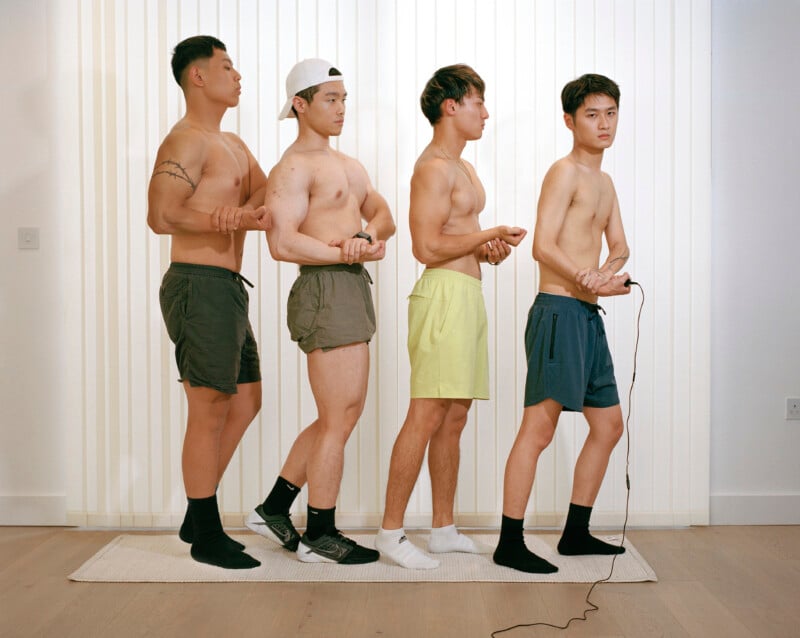
A new exhibition spotlights Gen Z photographers, exploring the distinctive themes and perspectives that define their generation’s creativity.
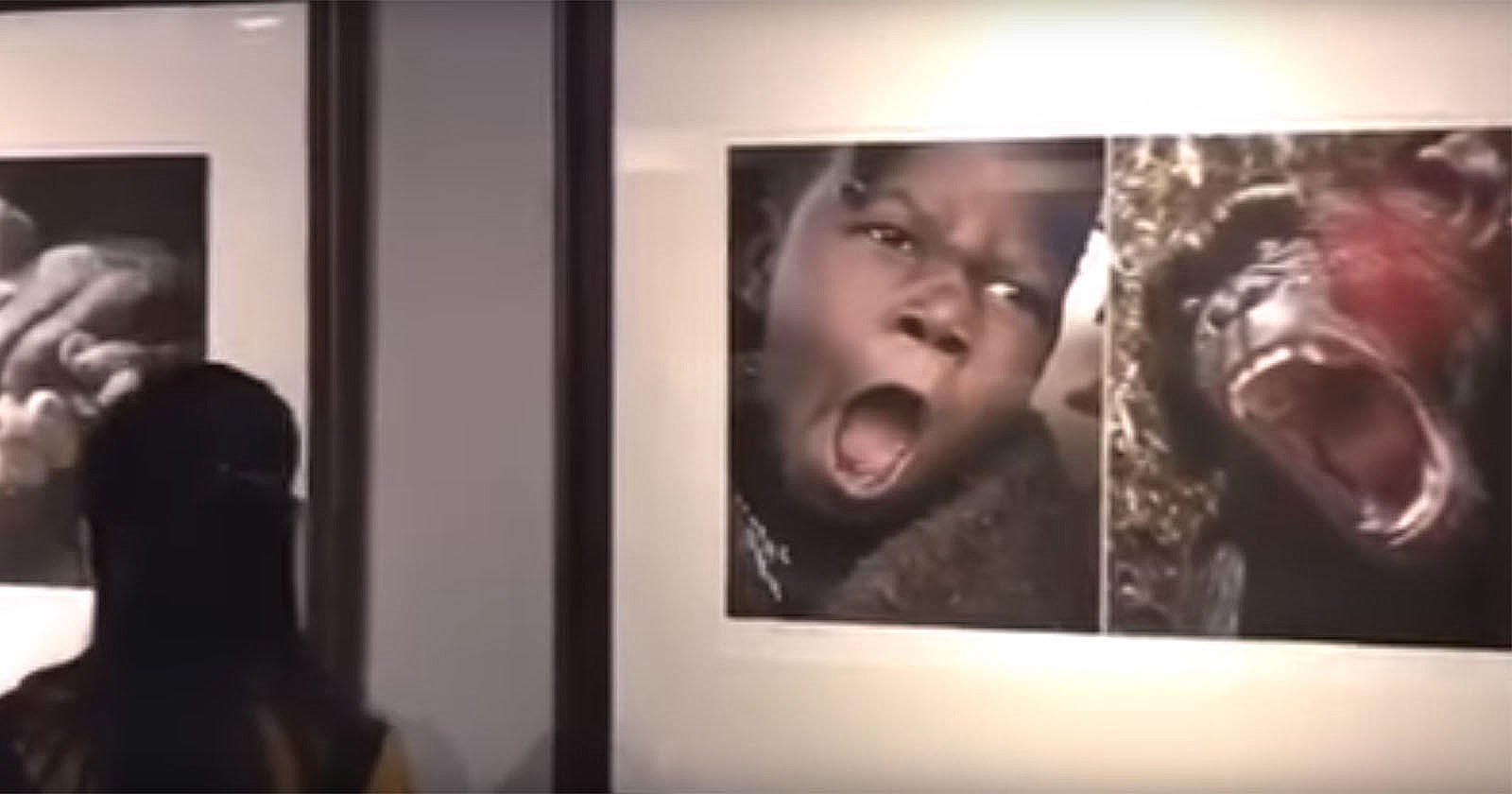
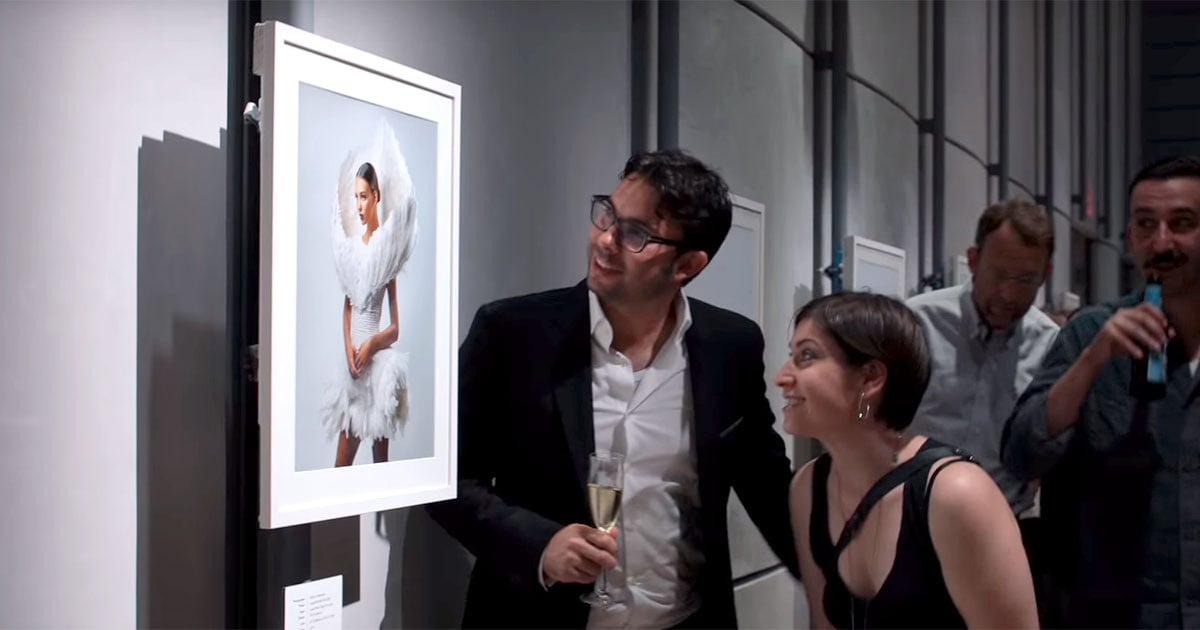
Running until February 2026, Gen Z: Shaping a New Gaze, an exhibition at the Photo Elysée in Lausanne, Switzerland, brings together 66 photographers born between the mid-1990s and 2010 from around the world. The exhibition highlights how this generation questions norms, challenges conventions, and redefines its place in a rapidly changing world.
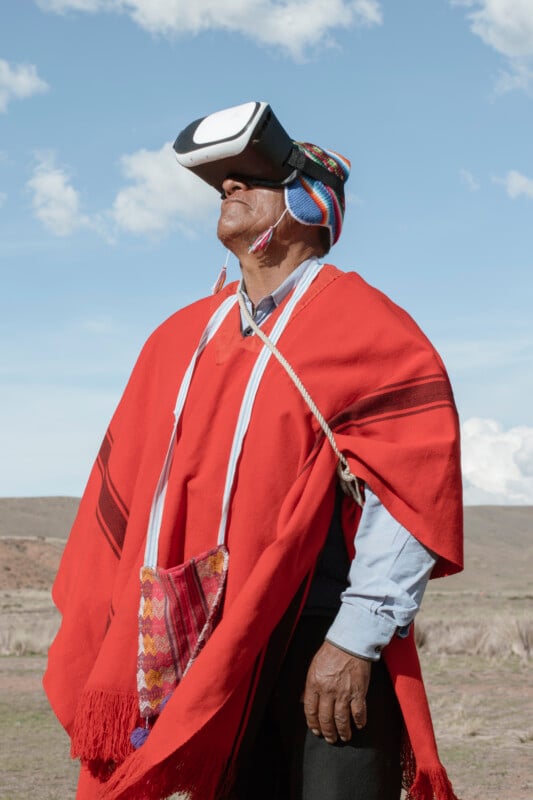
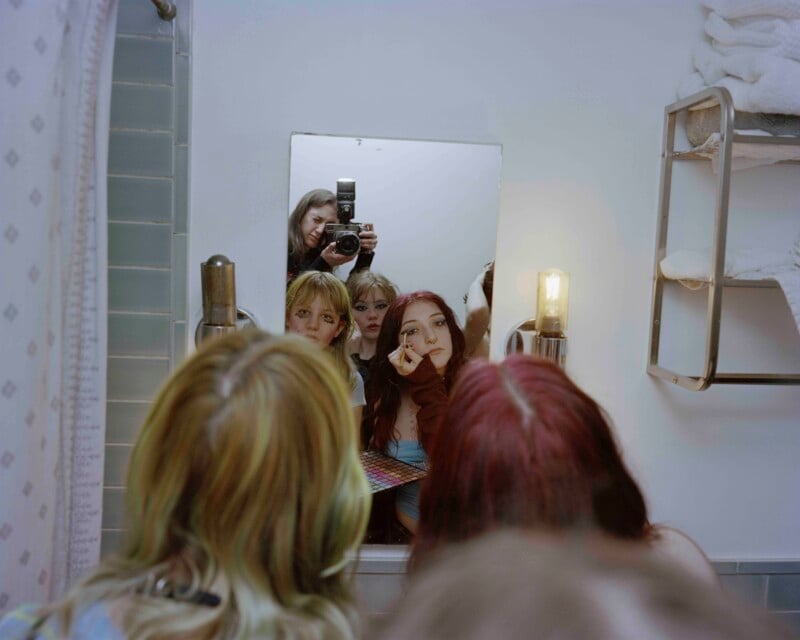
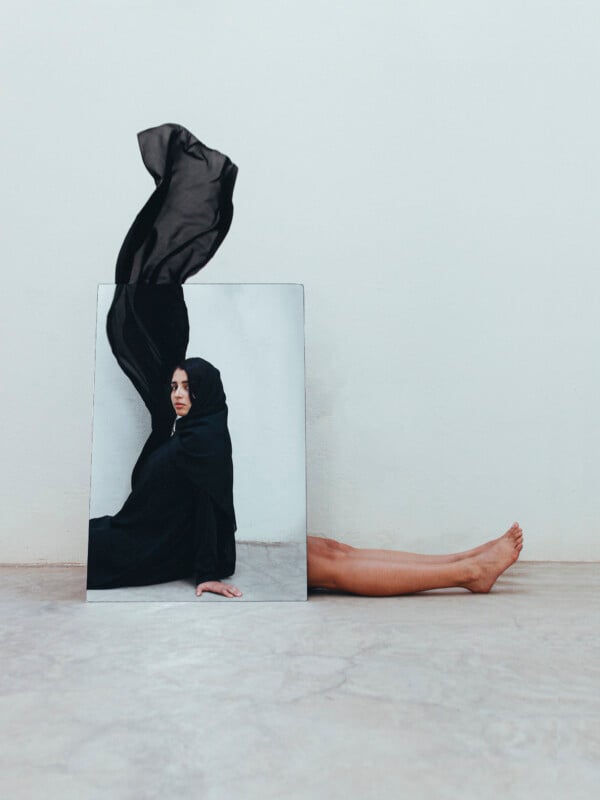
Through intimate stories, multiple identities, reinvented family ties, and a sensitive exploration of the body and gender, the exhibition reveals how Gen Z gives voice to a multiplicity of perspectives. The artists assert their need for representation and their desire to speak out in an unstable global context.
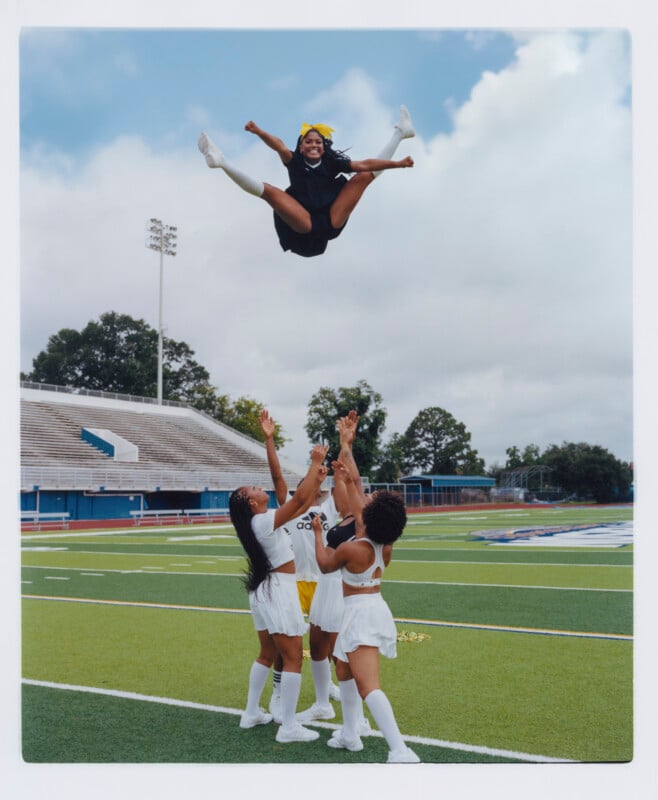

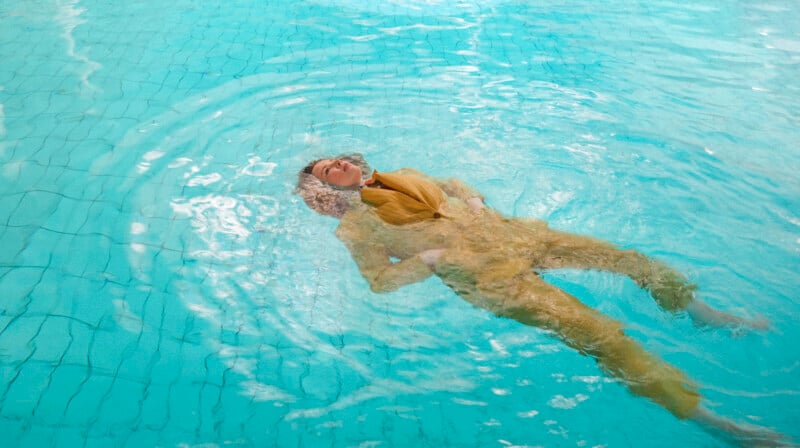
“I certainly do not want to claim that you can come in and understand the generation with this exhibition. That is definitely not the case,” Co-curator Hannah Pröbsting says in an interview with Dazed. “But we do feel that the people who don’t expect to be moved are moved. And I think if there’s one thing that I want people to take away, from a photography point of view, it’s that this generation has complete agency over telling their own story.”
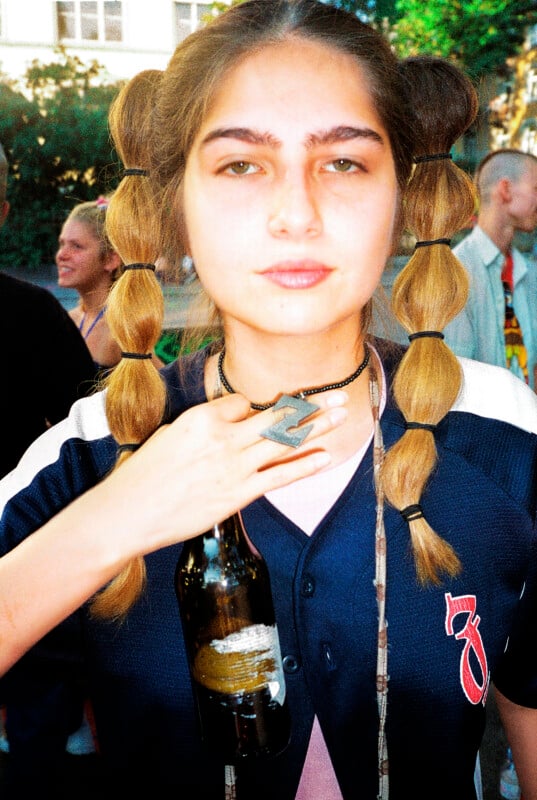

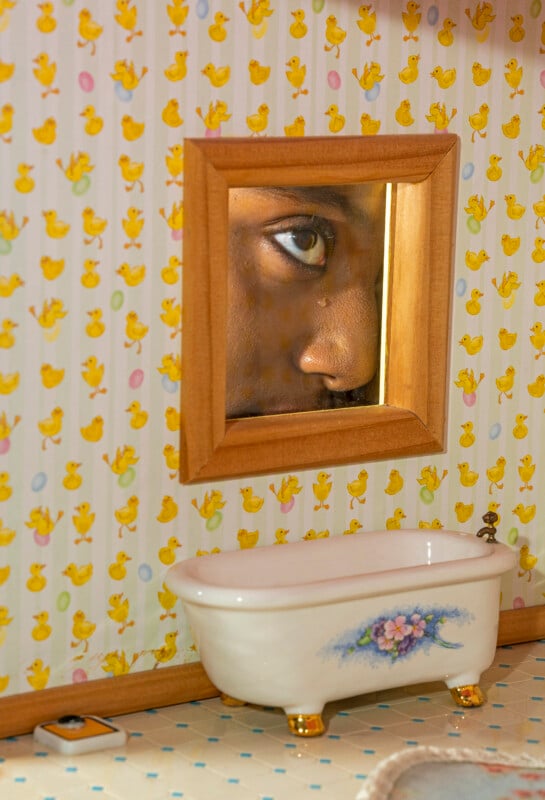
The exhibition offers an immersive look at the issues shaping Generation Z through photography, structured around four thematic sections. Mapping a Sense of Belonging explores the home as a foundation of identity, examining archives, memories, inherited traumas, and new forms of cohabitation. Shifting Realities addresses political, social, and environmental upheaval, reflecting themes of exile, instability, and resilience. Beyond the Mirror presents the body as a space of transformation, with artists questioning gender norms and exploring emotions, mental health, and inner life. Finally, Multiplying Perspectives examines race, history, and culture, showing how Gen Z photographers reclaim their narratives, challenge dominant representations, and propose new visual languages.
Image credits: All photos courtesy of Photo Elysée.