The Leica M EV1 Is Finally Available in the United States
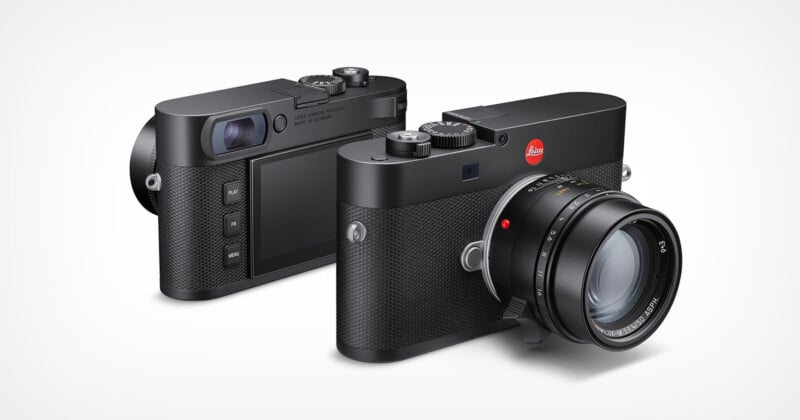
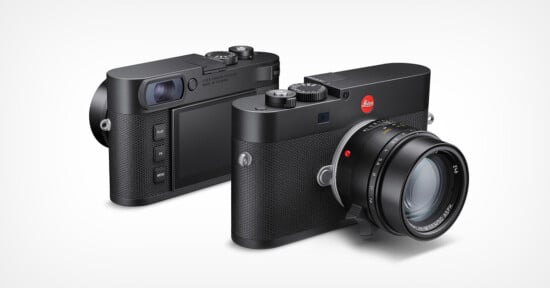
Leica’s new M EV1 camera, which gains an electronic viewfinder but ditches the rangefinder, is now available in the United States following a short delay.
Initially announced just over one month ago, the Leica M EV1 was initially delayed in the United States, pending FCC authorization. While Leica never specifically said the delay was the direct result of the longest federal government shutdown in U.S. history, there is little doubt that it was the culprit. Nonetheless, despite the month-long delay, the M EV1 passed authorization as expected and is now able to be sold in the United States market, a significant market for Leica and all other camera manufacturers.

The Leica M EV1 is Leica’s first-ever M-Camera with an integrated electronic viewfinder. Leica itself describes its newest camera as a “significant milestone in its history,” which is high praise for a company as storied as Leica.
Although the M EV1 gets a brand-new model designation, it shares much in common with the Leica M11 series of digital rangefinders, including its 60-megapixel full-frame BSI CMOS image sensor and overall design. From many angles, the M EV1 even looks like the M11, but there are some differences, aside from the move from a rangefinder to an electronic viewfinder.

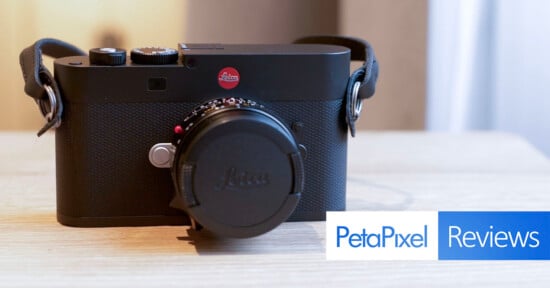
For one, the Leica M EV1 features the same diamond-pattern leatherette covering as the Leica Q3 and Q3 43 premium compact cameras, which sets the M EV1 apart from Leica’s traditional M-Camera rangefinders. The M EV1 has also shed a bit of weight, dropping 50 grams compared to the M11-P. That may not sound like a lot, it’s not even two ounces, but PetaPixel‘s Chris Niccolls immediately noticed it when he picked up the M EV1.

By far the most significant change here then is the move to an electronic viewfinder. The M EV1’s 5.76-megapixel EVF has 0.76x magnification and enables photographers to see the impact of their settings on exposure, zoom in to check focus, and take advantage of focus peaking.
While an M-Camera’s rangefinder is lauded for its ability to help photographers nail focus, some photographic scenarios require a bit more zoom. Using the M EV1’s lever, which on a typical M-Camera enables photographers to swap between frame lines, is now a customizable two-way switch that lets the shooter swap between focus peaking or magnification.
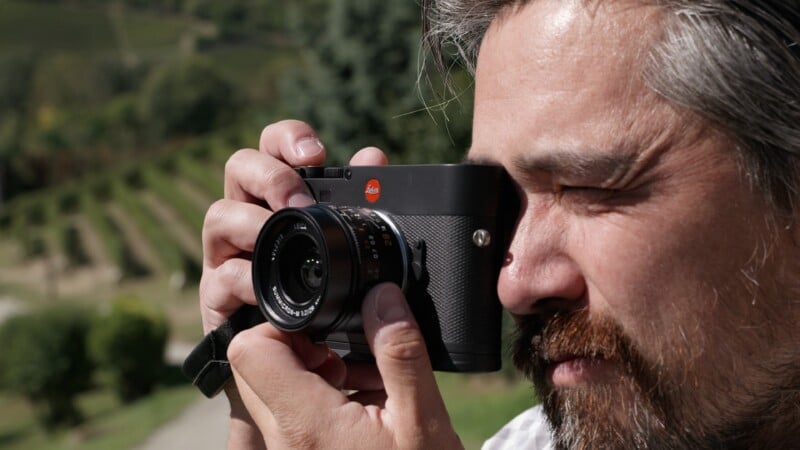
“I imagine that there will be a small crowd who will prefer the Leica M EV1 due to the ease of using an electronic viewfinder, or perhaps due to failing eyesight,” concludes Chris Niccolls in PetaPixel‘s Leica M EV1 Review. “However, I feel like there might be a larger adoption by skilled rangefinder enthusiasts who want a camera that takes all their M glass and is more capable of accurately focusing ultra-fast lenses and adapted optics.”






Ultimately, PetaPixel recommended that photographers who want to combine Leica’s brilliant M-Mount glass with the convenience and versatility of an EVF should definitely buy the Leica M EV1. And now, those in the U.S. can.
The Leica M EV1 is available now in all global markets. The Leica M EV1 is $8,995 in the United States, $845 less than the Leica M11-P.
Image credits: Leica, Chris Niccolls