
Poignant Photos Show the Remote Scottish Island Where George Orwell Wrote ‘1984’
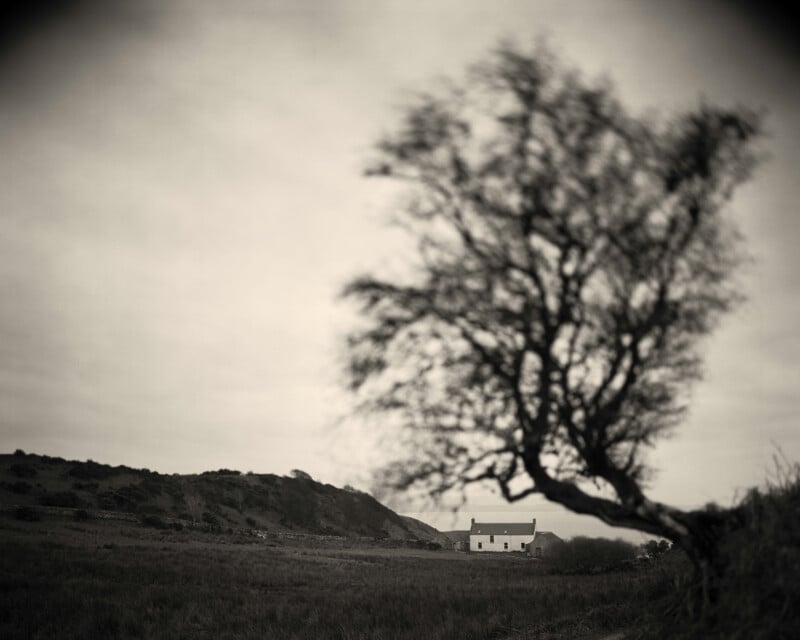
At the end of his life, English author George Orwell sought refuge on a remote Scottish island to finish his final and most famous book: 1984.
Orwell stayed at a farmhouse called Barnhill, eight miles from the nearest public road on the Isle of Jura. For his latest project, photographer Craig Easton also stayed at Barnhill, where he found the modest accommodation virtually untouched since Orwell stayed there in the late 1940s.
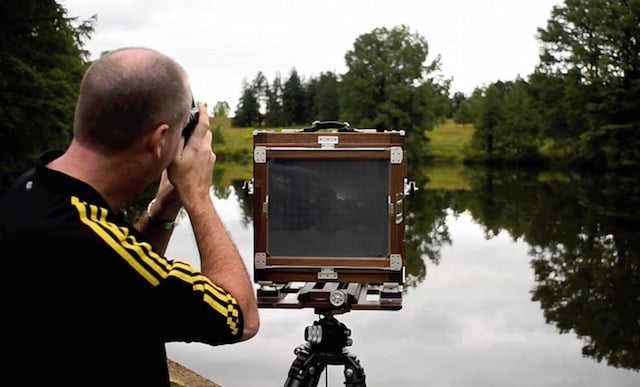
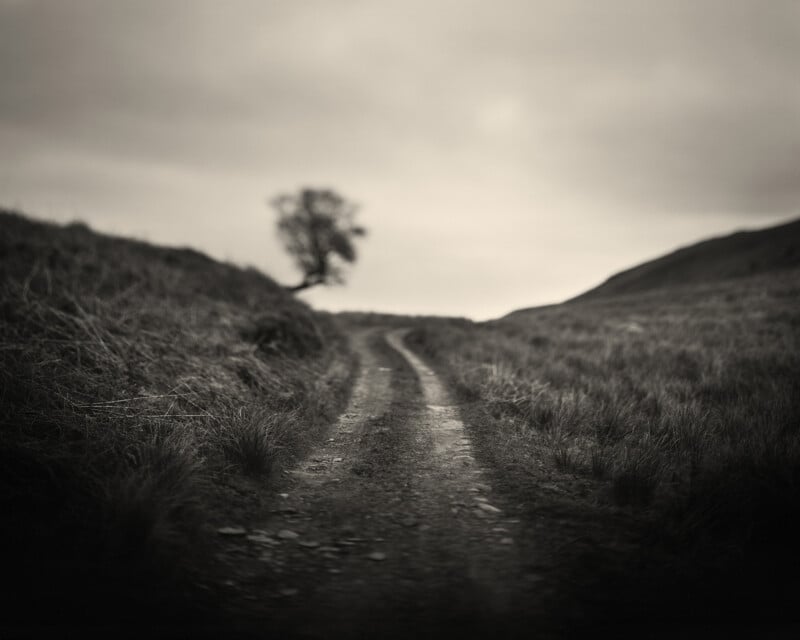
Equipped with an 8×10 large-format camera, Easton made dreamy photos of Barnhill and the dramatic Scottish landscape that surrounds it. His work now a book titled An Extremely Un-get-atable Place, a phrase borrowed from one of Orwell’s letters about the farmhouse.
Easton’s eye picks out babbling brooks, windswept trees, and even the odd deer. His photos chime with the book’s opening — an extract from Orwell’s essay Some Thoughts on the Common Toad — which advocates for people to appreciate nature.
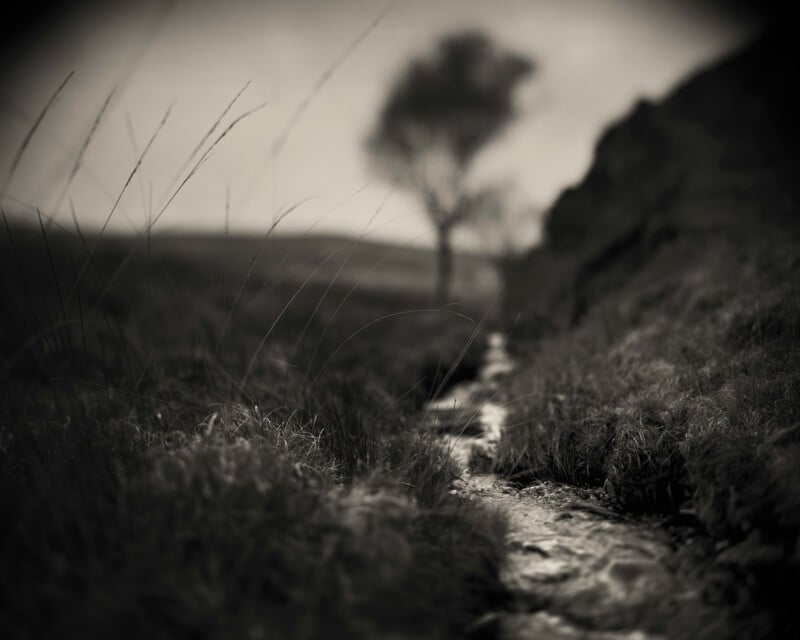

Orwell was battling tuberculosis while writing 1984, a book that became one of the most important works of literature of all time, and one that continues to be culturally relevant some 80 years later.
As Europe was surveying the aftermath of the Second World War, and Stalin was tightening his iron grip on the Soviet Union, Orwell penned his most famous novel, warning of the dangers of totalitarianism and political despotism.
“Barnhill was Orwell’s escape. His place of hope, a place of peace and calm where he could build a future,” says Easton. “Where he would free himself from recent memories of war and carve out time to reflect on his concerns about the resultant fracturing of the world into competing political spheres of influence… In a similarly fractious time in world affairs, I too escaped.”
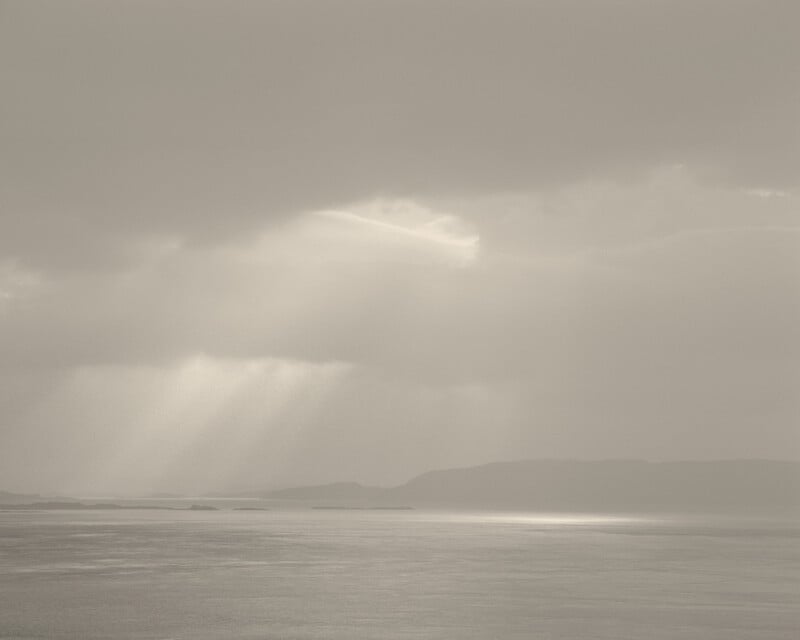
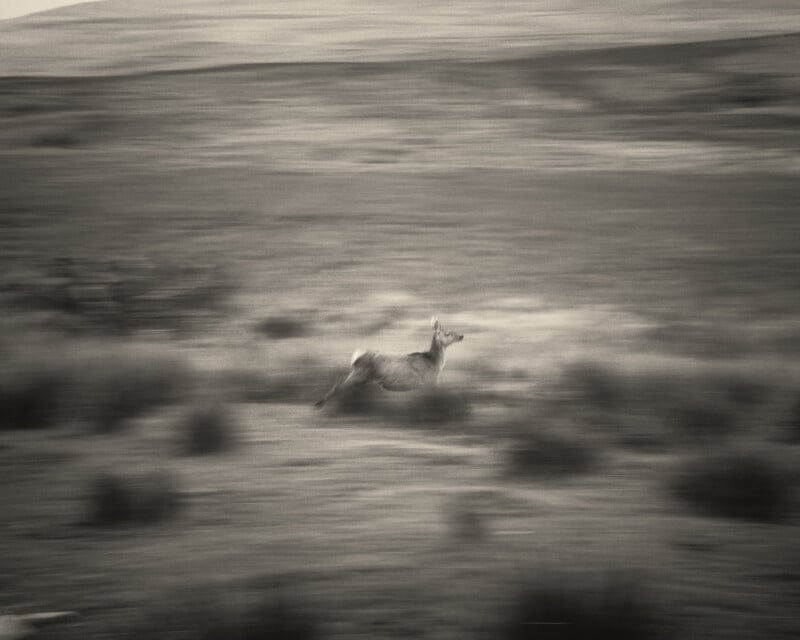
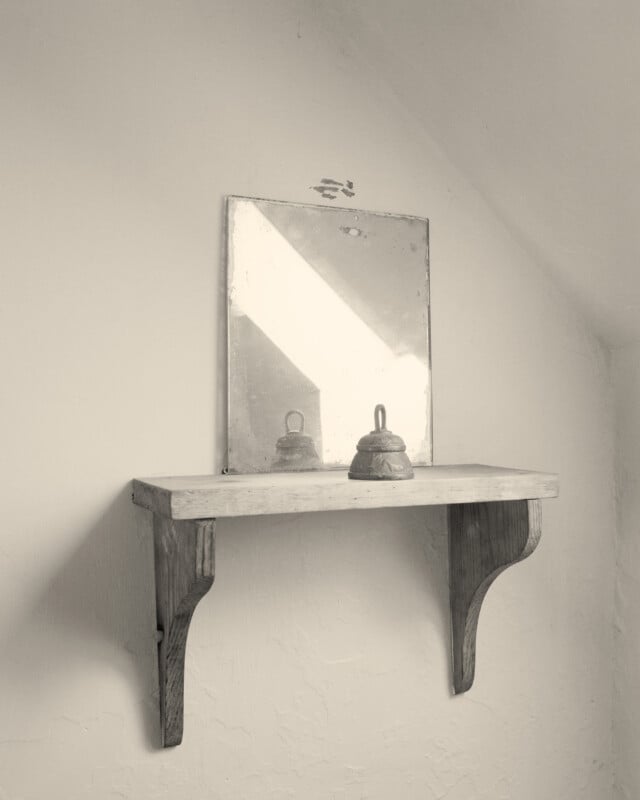
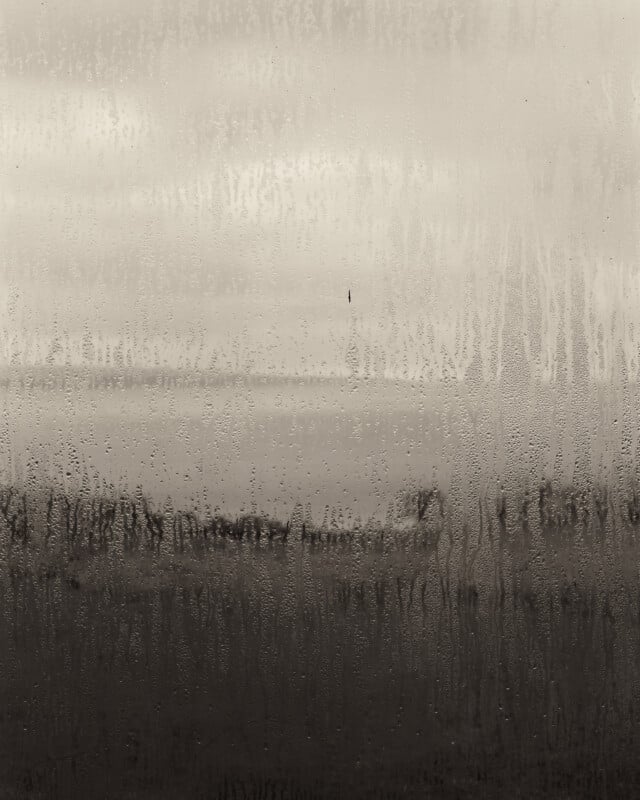
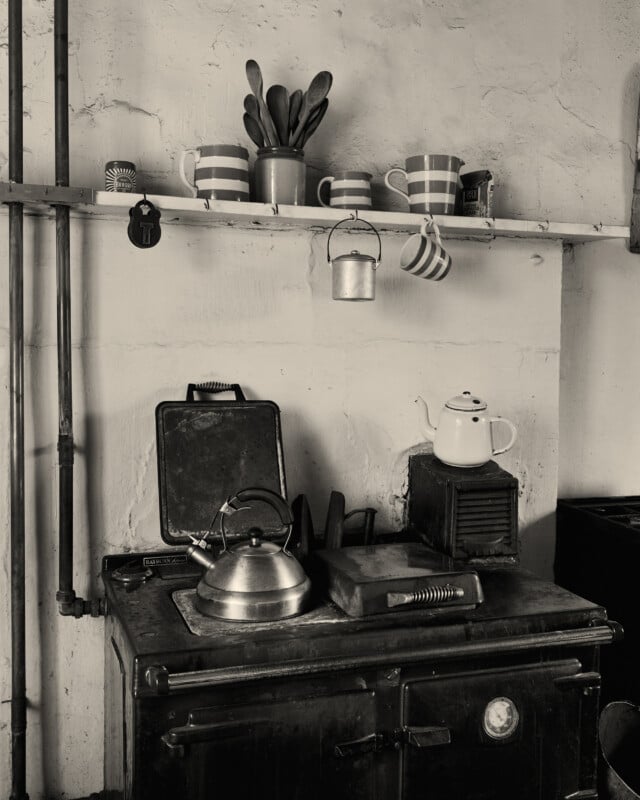
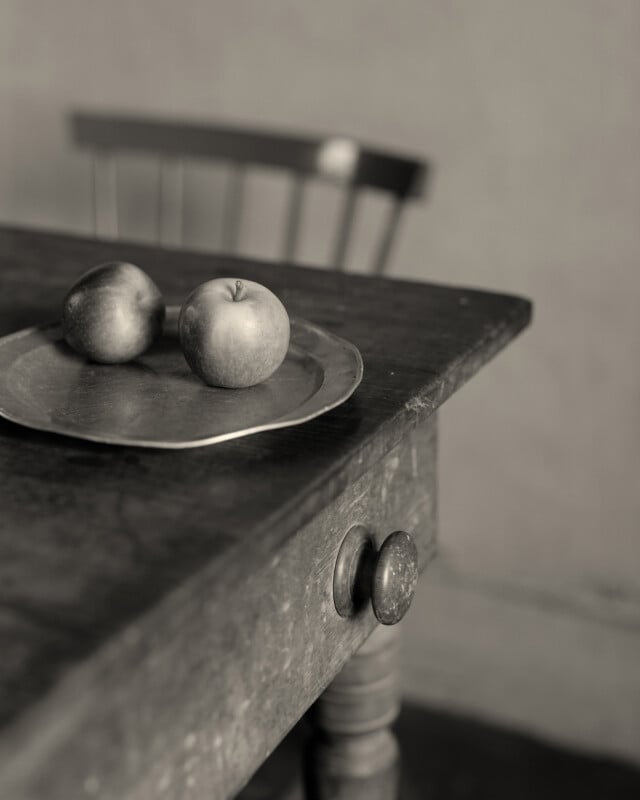
Easton’s interior photographs of household items perfectly capture the simplicity of Orwell’s life: the stove and teapot, a shaving mirror, the worn carpet he trod, a coal shovel, and tools hung in a shed. Collectively, they create an atmospheric vision of Orwell’s time on the island and the mood, desire and hope he experienced.
Upon returning from the island, Easton printed the negatives as hand-made silver gelatin prints and toned them in strong tea in homage to Orwell’s famous obsession.
An Extremely Un-get-atable Place is the first book of ‘An Island Trilogy’ by Easton—three monographs all made in the Scottish Islands. It is published by Gost.
Affiliate Disclosure PetaPixel articles may include affiliate links; we may earn a commission if you buy through one.