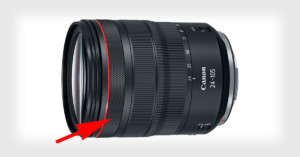
Canon Will ‘De-Click’ Your RF Lens for $80
Canon has officially released details of its RF lens Control Ring "Clicking Sound Modification Service." For $80, Canon will de-click any RF lens to make the Control Ring more suitable for video shooting.
Canon has officially released details of its RF lens Control Ring "Clicking Sound Modification Service." For $80, Canon will de-click any RF lens to make the Control Ring more suitable for video shooting.
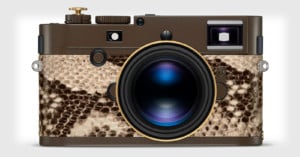
Leica and rock star Lenny Kravitz have teamed up to unveil a new limited edition Leica M Monochrom. Called the "Drifter" Set, the new Kravitz-designed camera features faux python skin.
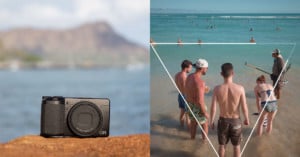
At first glance, all we see is a dinky point-n-shoot camera; not much to it. It slips inside my front pocket, I mean, how powerful can it be? Well, photographers shouldn’t be fooled by its size and minimalism; like many of our subjects in the street. The Ricoh GR III is called a “wolf in sheep’s clothing” for a reason.
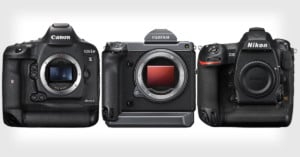
Fujifilm made a splash in the camera industry today by unveiling the GFX100, the world's first 102-megapixel mirrorless camera. And here's what's crazy: Fujifilm managed to stuff a medium format sensor into a camera body that's the same size as Canon's and Nikon's flagship DSLRs.
I’m not your typical conservation photographer. Many conservation photographers and filmmakers spend their careers traveling to infrequently traversed crevices of our earth in pursuit of untold stories of nature and wildlife. I am not so lucky to have traveled the globe, but I have experienced worlds unknown to most. I photograph bugs and share their stories in hopes of changing public perception of insects and spiders.
Shooting professional-quality portraits with artificial lighting doesn't have to weigh heavily on your bank account. Here's a 22-minute video in which photographer Sean Tucker shares how to shoot great portraits using a single speedlight and a cheap modifier.
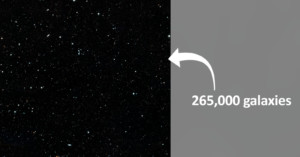
NASA astronomers have created an ultimate stitched panorama of galaxies in the night sky using 7,500 individual photos shot through 16 years' worth of exposures using the Hubble Space Telescope. It's called the Hubble Legacy Field.