Adorable Photos of the First New Cat Species Discovered in Over a Century
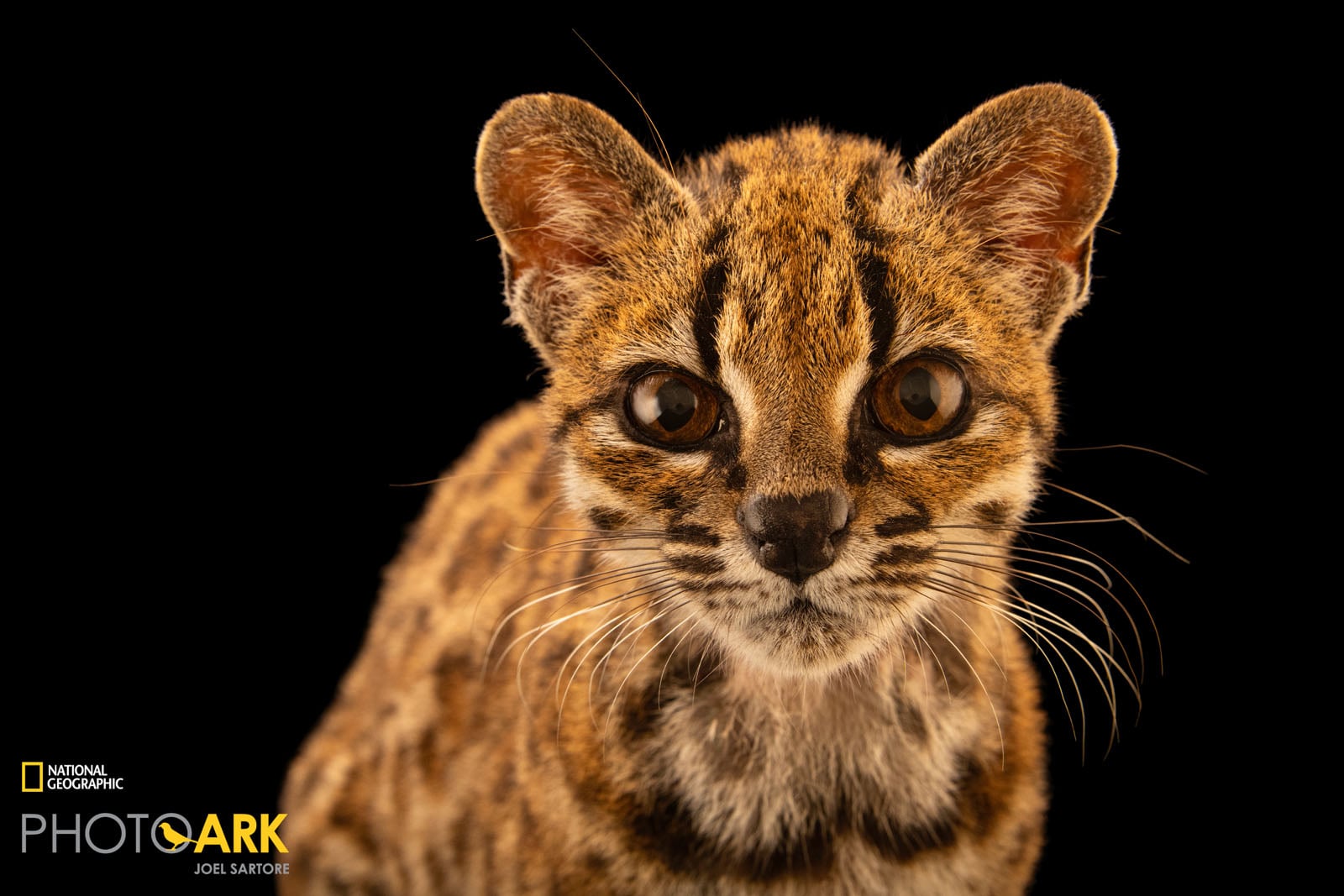
10 years ago, National Geographic Explorer and biologist Paola Nogales-Ascarrunz was working in Bolivia when she got a call from a local wildlife sanctuary that had received “a weird cat.” Today, that “weird cat” has been officially identified as a new species, Leopardus tilcayo. This is the first time in over a century that scientists have formally named and described a new living cat species.
As National Geographic reports, the “weird cat” that wound up at the Senda Verde wildlife sanctuary in the Bolivian Andes was dropped off by a local man who found it on a forest road when it was just a kitten. At first, the rescuer believed that it was a domestic cat. After it grew up, though, he realized it was wild and would have a better life at a wildlife sanctuary.
Nogales-Ascarrunz is the lead scientist and founder of the Programa de Investigación de Félidos Bolivia, or Bolivian Felids Research Program. She was instantly very interested in the unusual cat.
“I took a hundred pictures of it,” she recalls. “I was so fascinated.”
Nogales-Ascarrunz knew the cat was interesting, but what she did not and could not know at the time was that this cat was truly special.
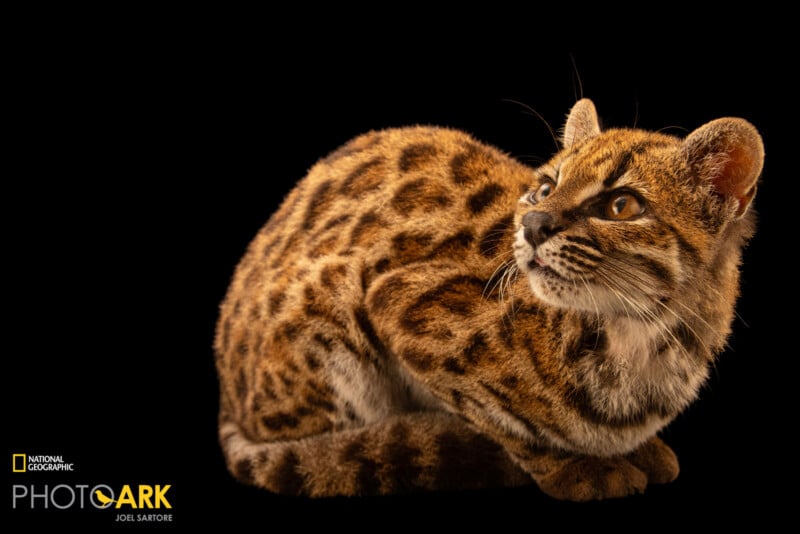
Now officially known as Leopardus tilcayo, the tiger cat has a small, scrunched-up face, short little round ears, and long whiskers. It’s also very small, weighing just a few pounds and significantly less than an average domestic cat. Its most striking feature, though, is its leopard-like spots. Formally naming and describing a new species is an extensive, lengthy process that requires significant genetic analysis and study. This 10-year timeline from initial interest to formal identification is not atypical.
A new study published today in Current Biology explains that this stunning discovery isn’t just a matter of recognizing a known subspecies as its own species or validating a previously known animal. This creature was entirely new to science.
This type of discovery is so unusual and rare that Nogales-Ascarrunz didn’t anticipate it for years after first encountering Leopardus tilcayo. For a while, she thought it was a member of the species Leopardus tigrinus, a very elusive cat that lives in Bolivia and neighboring countries.
However, while working on a booklet about wild cats in Bolivia in 2019, Nogales-Ascarrunz looked at her 2016 photos of the mysterious little cat again and realized something didn’t add up.
“This is so wrong,” she thought.
A few years later, after she had expanded her genetic analysis skills, the biologist teamed up with geneticist Eduardo Eizirik and study co-author Jonas Lescroart to study the cat. They found it was genetically distinct, setting off the chain of events that culminated in today’s big reveal.
“Showing the general public that even in a flagship group such as cats… there are still new species to be discovered may transmit an important message,” says Eizirik. “There are many undiscovered species out there in the world, and they are at risk of disappearing before we even discover them.”
Just because the new species has a name doesn’t mean the mysteries are all solved, though. It’s still unclear what they eat in the wild, whether predators eat them, and how they reproduce. Many basic biological facts still need to be studied.
Leopardus tilcayo has already made its way into National Geographic’s incredible and expansive Photo Ark, though. Nat Geo photographer Joel Sartore ventured to Senda Verde to photograph the first identified member of the Leopardus tilcayo species — the kitten found on the side of the road a decade ago. What an adorable and special cat, and a pivotal moment in feline genetics.
Image creditsJoel Sartore, National Geographic
Affiliate Disclosure PetaPixel articles may include affiliate links; we may earn a commission if you buy through one.