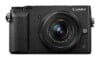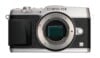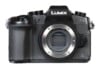
Once again, Panasonic has produced a mirrorless camera that caters for both still photography and movie enthusiasts.

Once again, Panasonic has produced a mirrorless camera that caters for both still photography and movie enthusiasts.
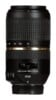
A ‘premium-class’ update to Tamron’s budget-priced 70-300mm f/4-5.6 Di lens.
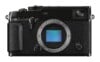
The X-Pro3 is aimed at serious photographers who have grown up with rangefinder cameras and want to shift to digital capture without losing the traditional rangefinder control layout.
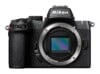
The Nikon Z50 II has retained the 20-megapixel sensor, compact and lightweight body and straightforward controls layout of the original Z50 but improved the overall performance by pairing it with the top-of-the-range EXPEED 7 processor.
Resolution-wise there’s not much difference between them (16MP vs 20MP), so if you’re looking for an enthusiast-orientated, compact, interchangeable-lens camera with 4K support the GX85 is an attractive option.
The GX8 will appeal to photographers looking for a solidly constructed weatherproof CSC with a generous grip and plenty of user-adjustable controls.
Of the six standard zoom lenses Nikon makes for its Z-mount cameras, the 24-120mm f/4 S lens is the most versatile choice and one of the better performers.
The 100-400mm zoom range is ideal for sports and wildlife photography and the comparatively light weight of this lens and its 4-stop stabilisation make hand-held shooting possible, although a lens of this type usually fares better when tripod-mounted.
The Nikon Z5 II provide remarkably good value for money for an ‘entry-level’ camera.
Nikon’s 24-megapixel D5200 is the latest in a series of affordable, lightweight and high-performance DSLRs with pivoting LCD screens that appeared first in 2009 with the D5000.
Ideal for photographers who want to step up from a digicam to a camera that provides better image quality plus creative features to explore, it will suit family photographers and travellers alike.
Buy this camera if [y]ou want images with a wide dynamic range.
Canon’s PowerShot S110 is a relatively minor update to the PowerShot S100 with a slightly redesigned body plus the addition of a touch screen monitor and Wi-Fi connectivity.
If you’re in the market for a mirrorless camera and not committed to other systems, the X-E1 is well worth a look, particularly if you prefer a traditional control layout.
It also delivers plenty of resolution and good colour reproduction in a body that is very easy to use.
Buy this camera if you want a compact digital camera with DSLR-like controls.
Buy this camera if [y]ou’re looking for a compact, large-sensor interchangeable-lens camera with PASM shooting modes plus support for raw file capture and Full HD video recording.
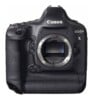
Arguably, the EOS 1D X is Canon’s most versatile camera to date and there are few situations in which it won’t shine.
The EOS 650D replaces the popular EOS 550D at the top of Canon’s entry-level DSLR line-up, sitting just above the EOS 600D.
The E-PL5 is a nice little camera and would be an excellent choice for photographers who want a small and light interchangeable-lens camera with superior overall performance.
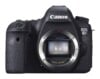
You want a large-sensor DSLR that’s capable of professional performance but has a smaller, lighter form factor than Canon’s professional cameras.
As the most specialised of the three DP Merrill cameras, it’s a very special camera for photographers with special requirements. There’s really no other camera that fits into the same niche. For this niche, it merits our Editor’s Choice award.
Like its predecessor, the K-50 will suit a wide range of photo enthusiasts with different levels of expertise. It is particularly appealing to cost-conscious buyers, for whom it represents excellent value for money.
Like its predecessor, the PEN E-P5 will suit photographers who want a compact and versatile interchangeable-lens camera for general photography.