Samyang AF 60-180mm f/2.8 Review: A Trinity Completed
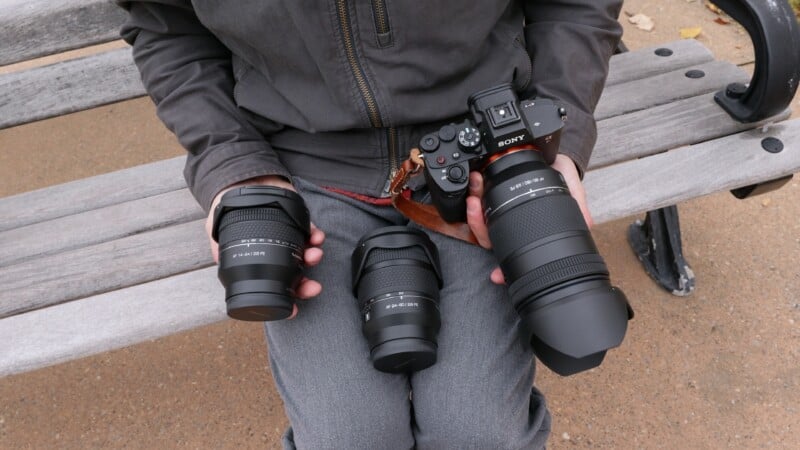
The two major third-party manufacturers from Japan have a complete trinity of full-frame professional f/2.8 zoom lenses. Sigma has long had a complete set, and Tamron has its excellent G2 series finalized. The Chinese companies are only now venturing into the autofocusing pro zoom lens market, but Samyang, out of Korea, has worked very hard — and quickly — to complete its full set, too. With the release of the new $1,099 Samyang X Schneider Kreuznach AF 60-180mm f/2.8, that goal is realized.
This lens has some surprises up its sleeve, but the experience still feels lacking in features and refinement.
Pros
- Very sharp right to the corners
- Lightweight and compact
- Bokeh has a pleasing rendering of backgrounds
Cons
- Buttons and controls feel down-market
- Basic and slower stepping autofocus motor
- No optical stabilization
- No aperture ring
Samyang AF 60-180mm f/2.8 Review: How It Feels
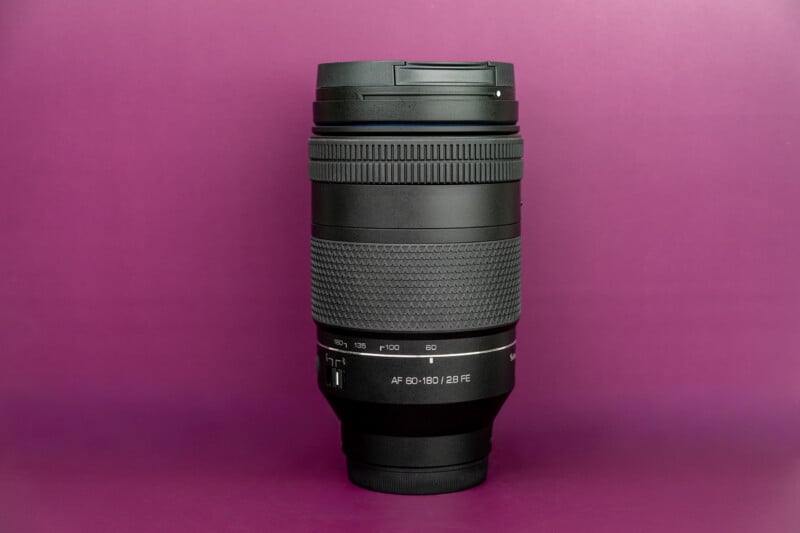
I’m going to get this out of the way first: Samyang lenses, also sold under the Rokinon brand in North America, have always aimed at a budget price point and, as a result, rely heavily on plastic construction. Okay, lots of companies do, but Samyang lenses always just look and feel a little less refined and a little more basic than some of the others.
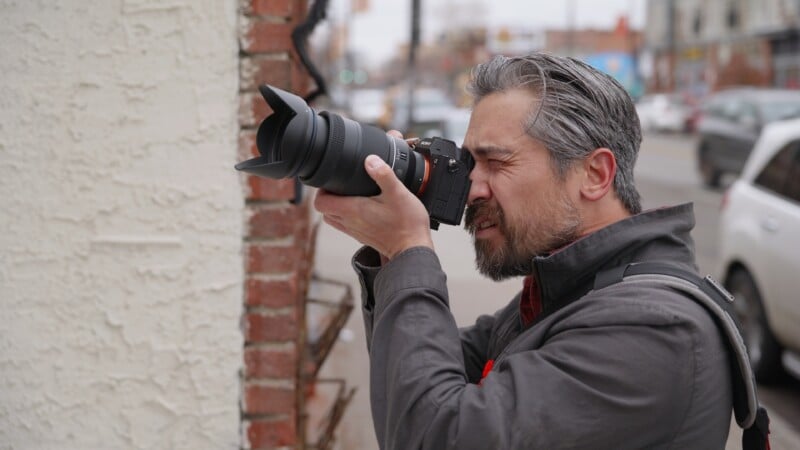
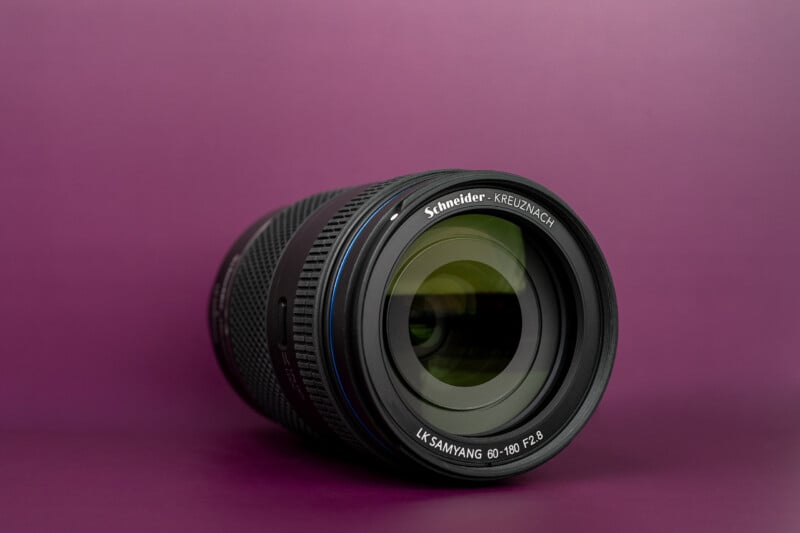
I’m not going to go so far as to say that this negatively impacts the build quality. I know many Rokinon users who have had years of reliable service out of their lenses. But the buttons and controls always feel a little flimsy and make obtrusive clicking noises when pressed. The plastic hood is basic and twists into place with a little bit of coercion.
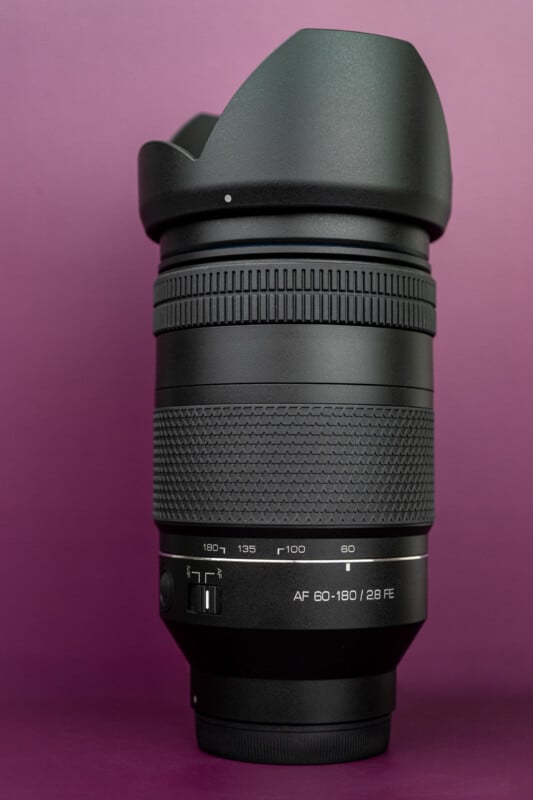
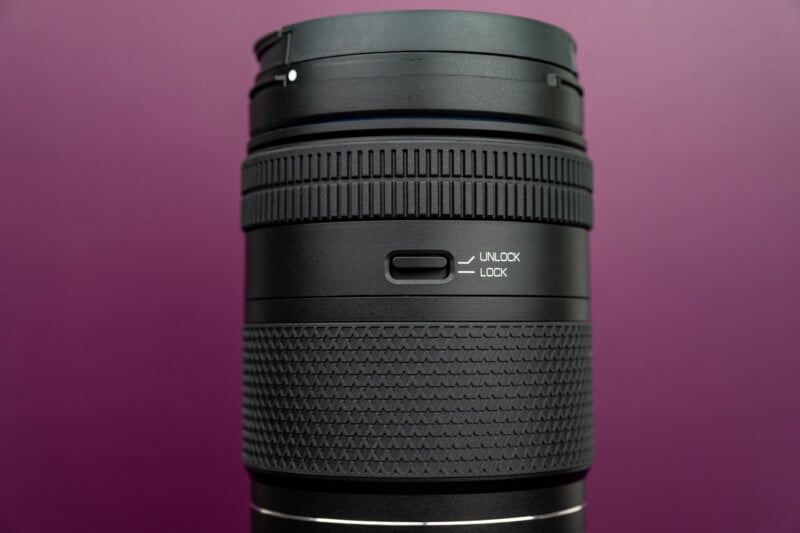
The rubber rings feature two different textures, which Samyang usually likes to use. There is a custom button and an AF/MF switch, along with an unexpected locking switch for the zoom mechanism. The manual focus ring has a nice smoothness to it, but the zoom ring takes a bit of force to get moving and lacks refinement.
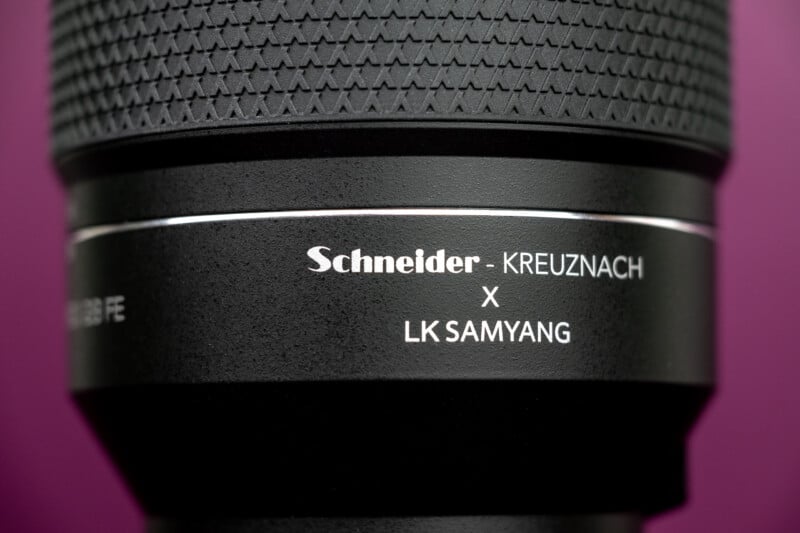
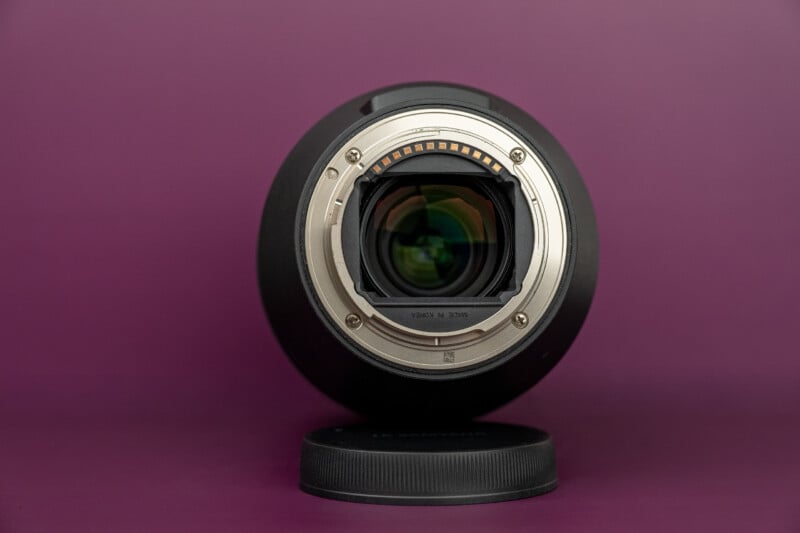
Flicking this will keep the zoom at the 60mm mark, but you do have to unlock it before zooming again. You will not find an aperture ring on this lens, but this is pretty standard at this price point. Samyang lenses do have some baffles and a little weather sealing incorporated into the lens mount.
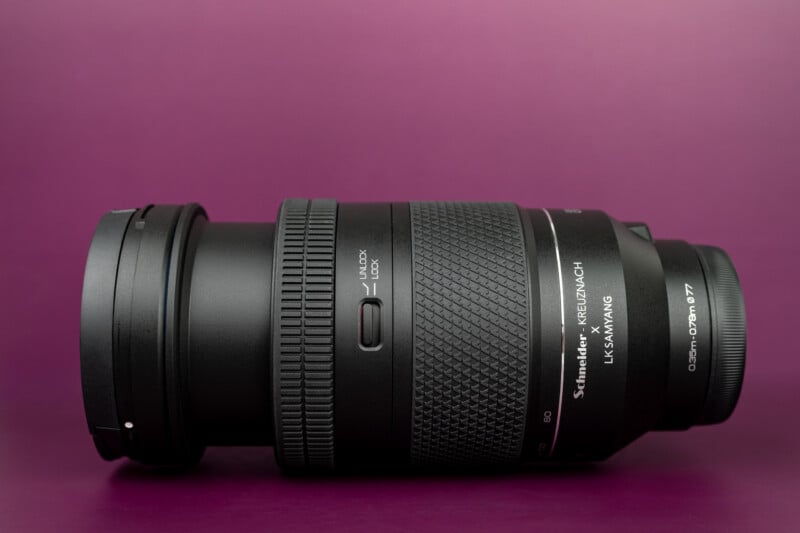
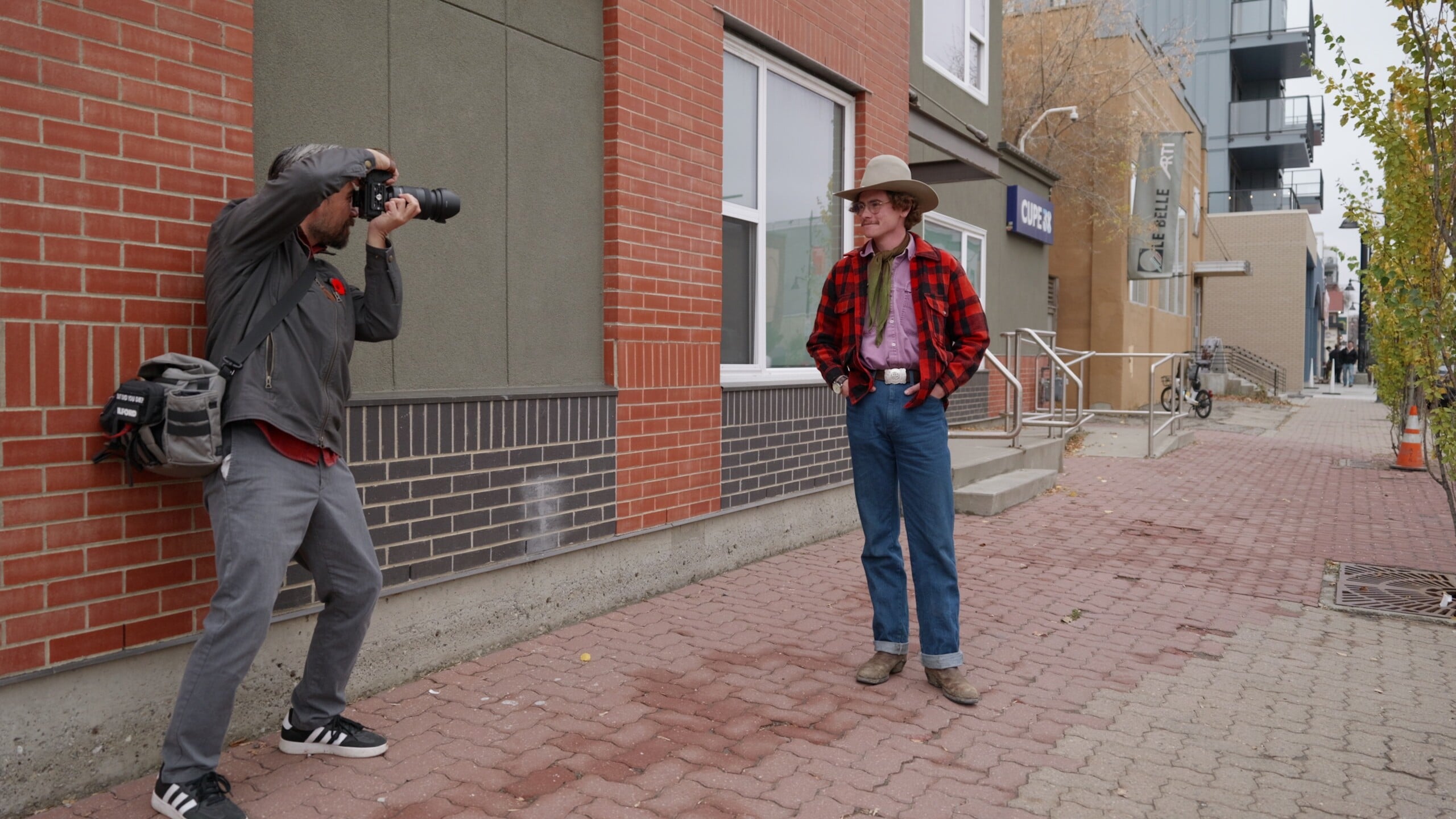
With the 77mm filter threads on the front, this lens looks fairly hefty, but with an overall weight of 730 grams, it is actually lighter than the Tamron and Sigma alternatives. I also like that the lens doesn’t extend that far when zoomed to 180mm, and the point of balance doesn’t change much either. However, part of the lighter weight comes with a lack of optical image stabilization within the lens.
Samyang AF 60-180mm f/2.8 Review: How It Shoots
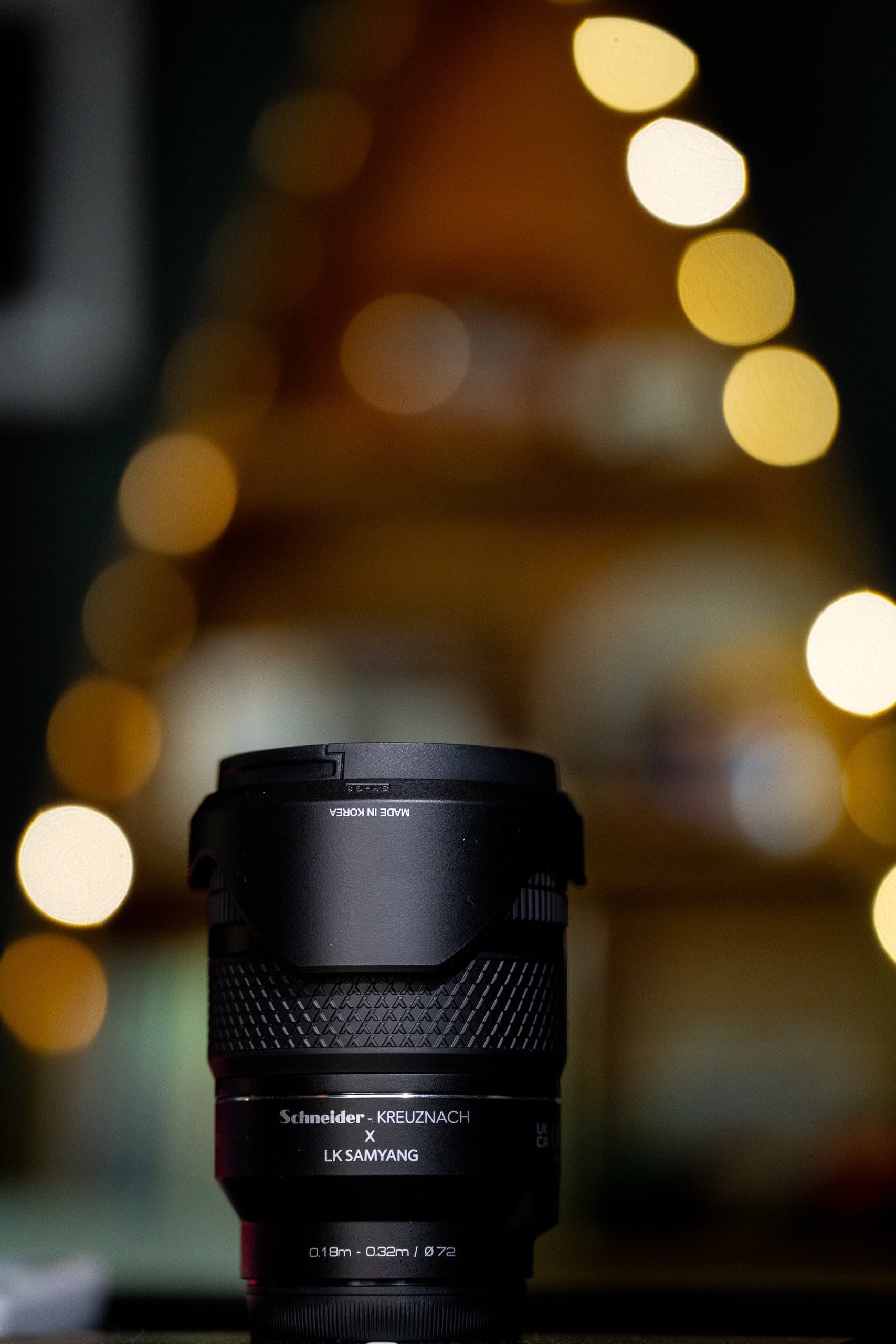
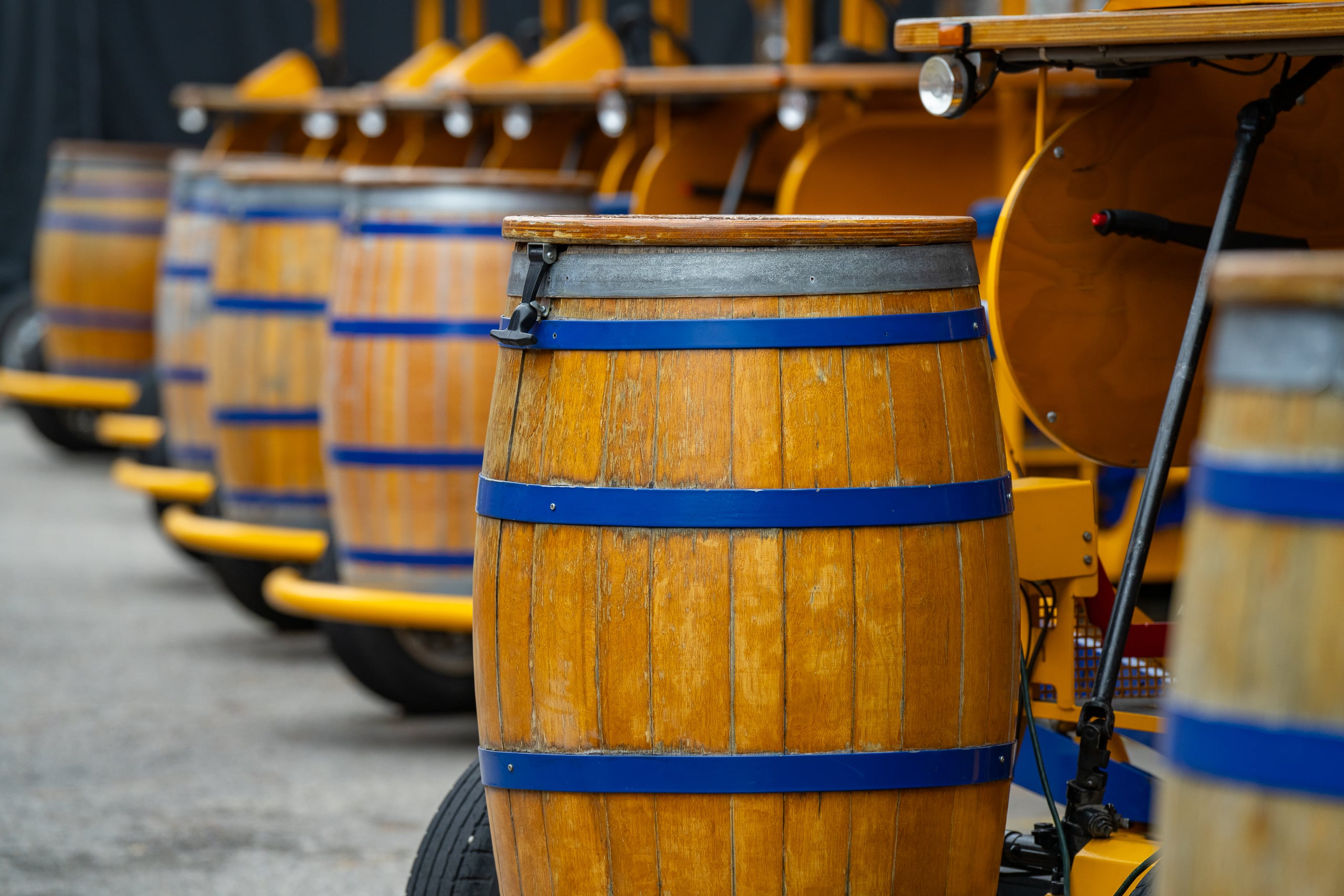
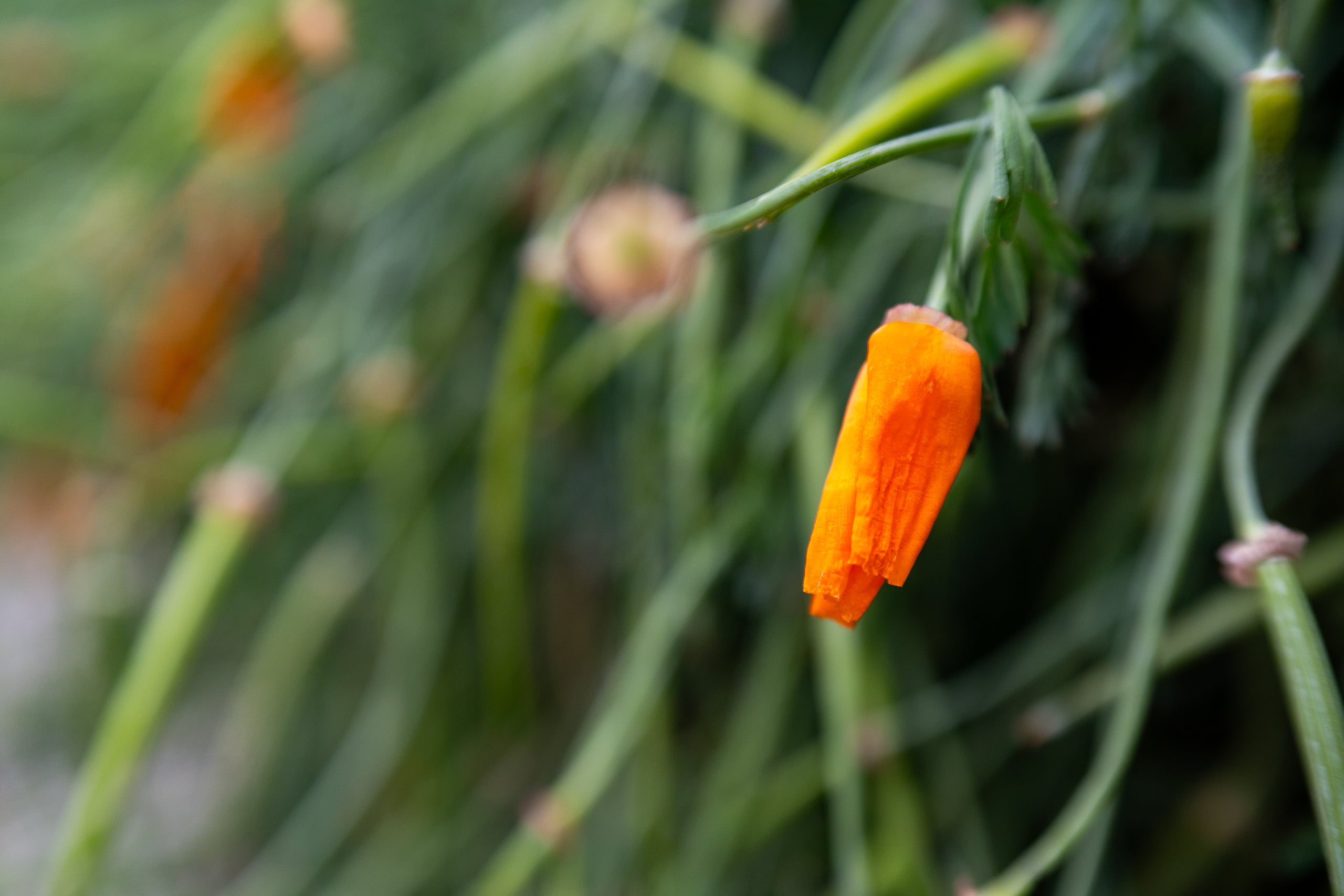
I was worried about the bokeh on this lens when I started with specular highlight tests. At the widest apertures, the highlights have a truncated look, which I do not prefer, and there are some slight onion rings present as well. However, at tighter apertures, the highlights are fairly round, and more importantly, the actual rendering of the out-of-focus areas of the images is quite smooth. I expected a harsher edge to the bokeh with a more distracting rendering, but the backgrounds looked soft and pleasant. Other than the distracting highlights, this lens presents shallow depth of field beautifully.

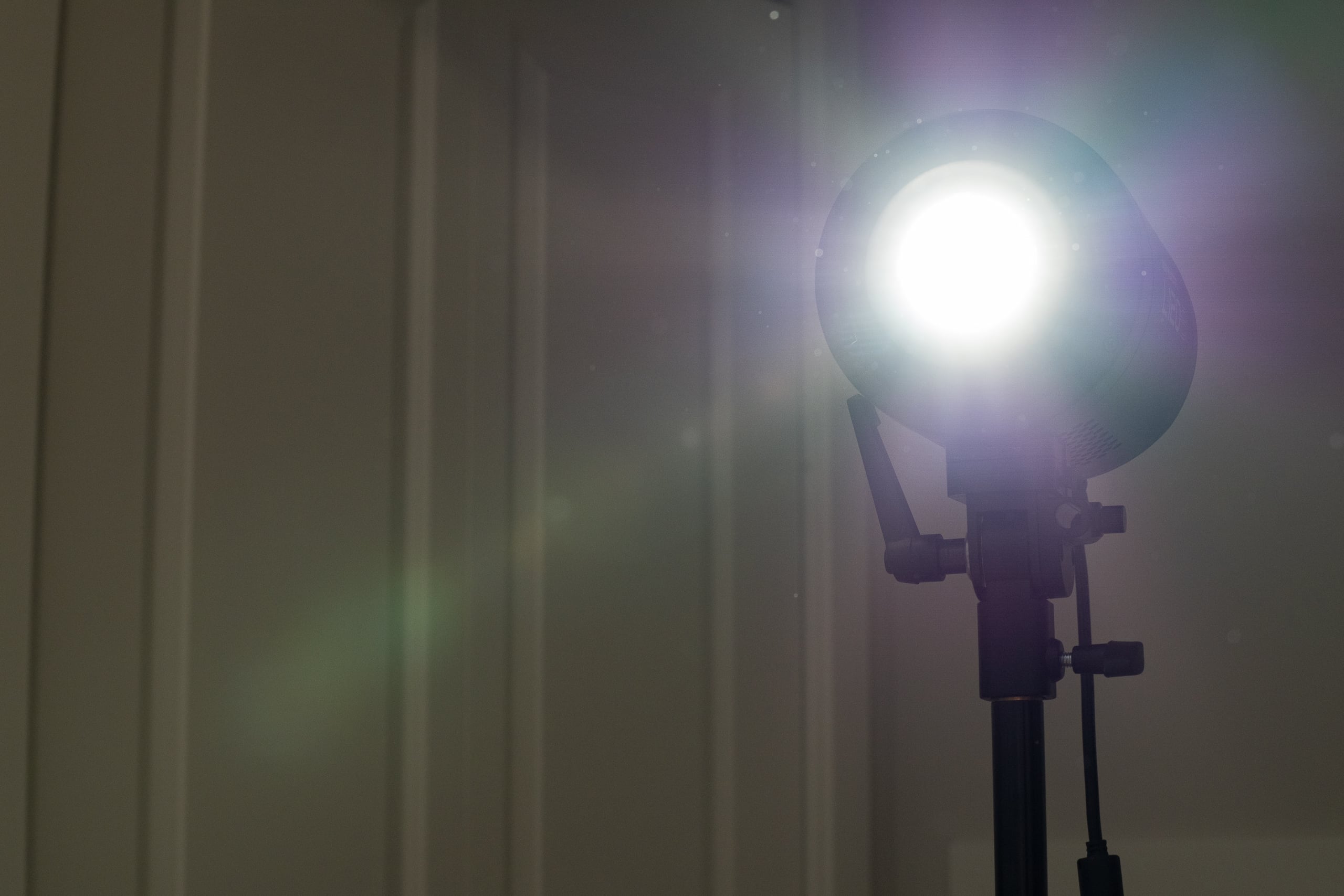
There is a little bit of flare present, which is something I found with the other Samyang f/2.8 lenses. At f/2.8, there is some green ghosting and a bit of veiled flare washing out the image. The green cast stays at tighter apertures but doesn’t get too obnoxious. Overall, the flare control is decent, and the hood will do a good job of blocking extraneous light. Speaking of color casts, expect a little bit of LoCA at the wider apertures. These longitudinal chromatic aberrations will present with a slight green and magenta split, but the effect is minimal and usually won’t cause much concern in the vast majority of your images.
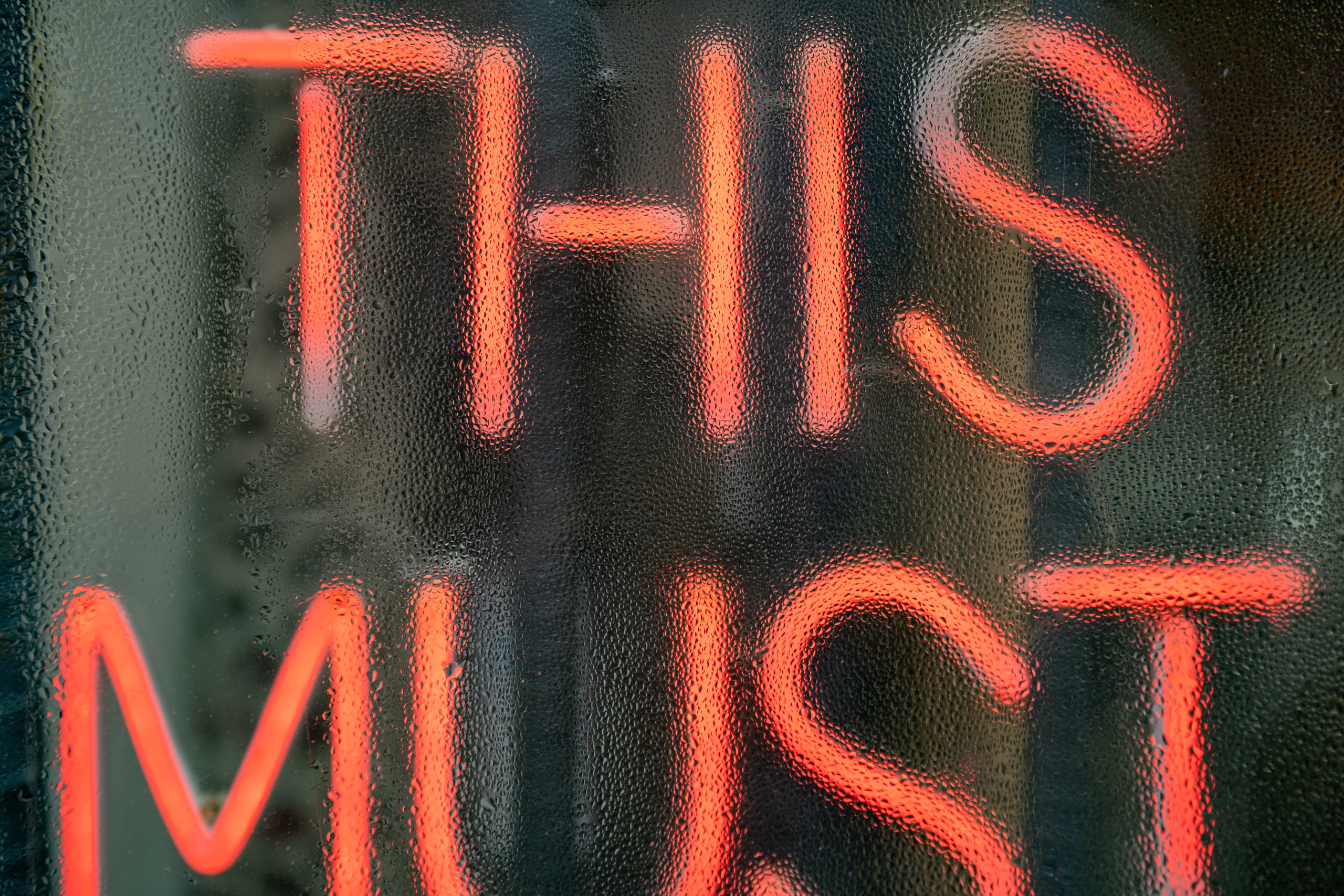

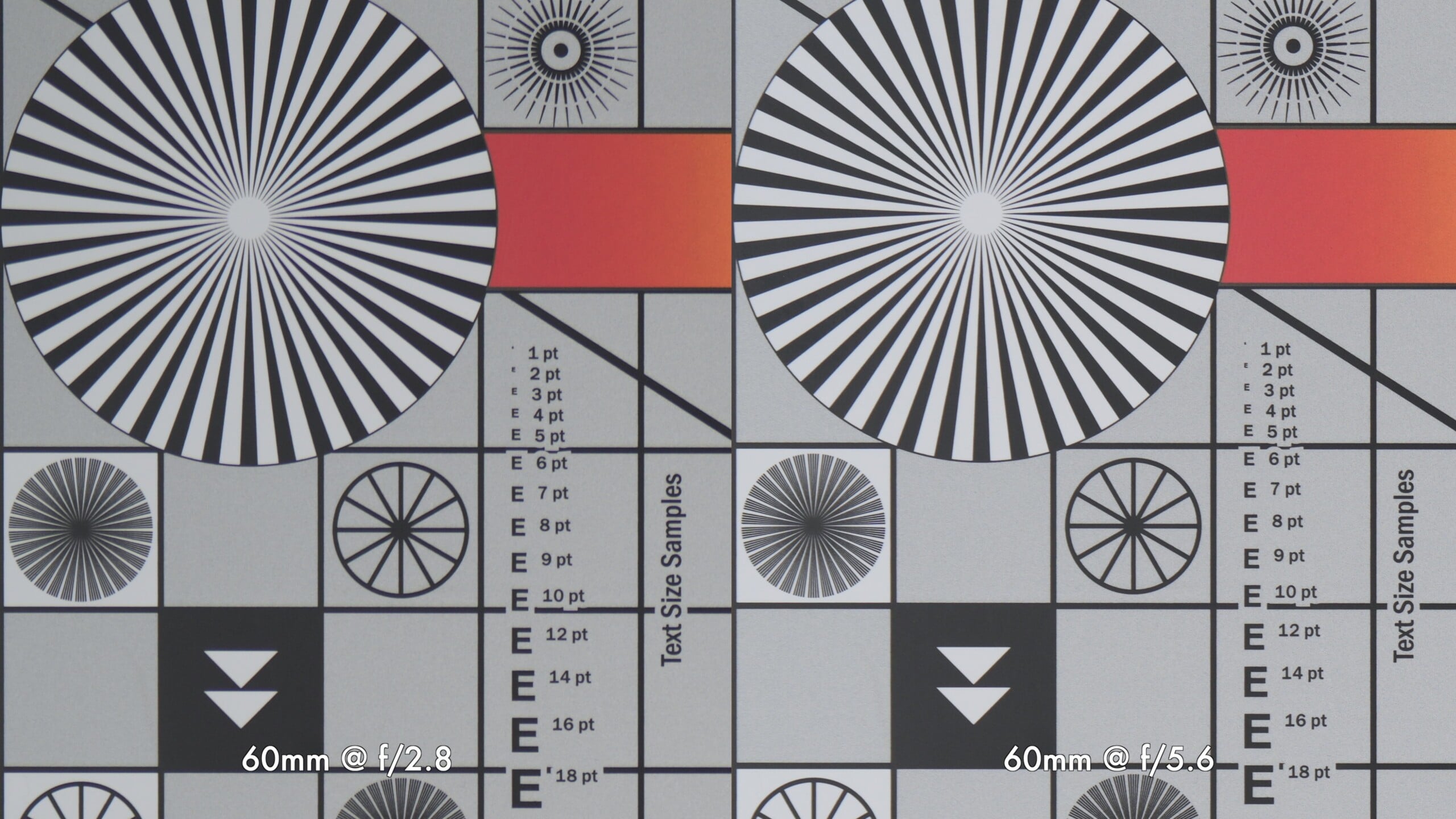
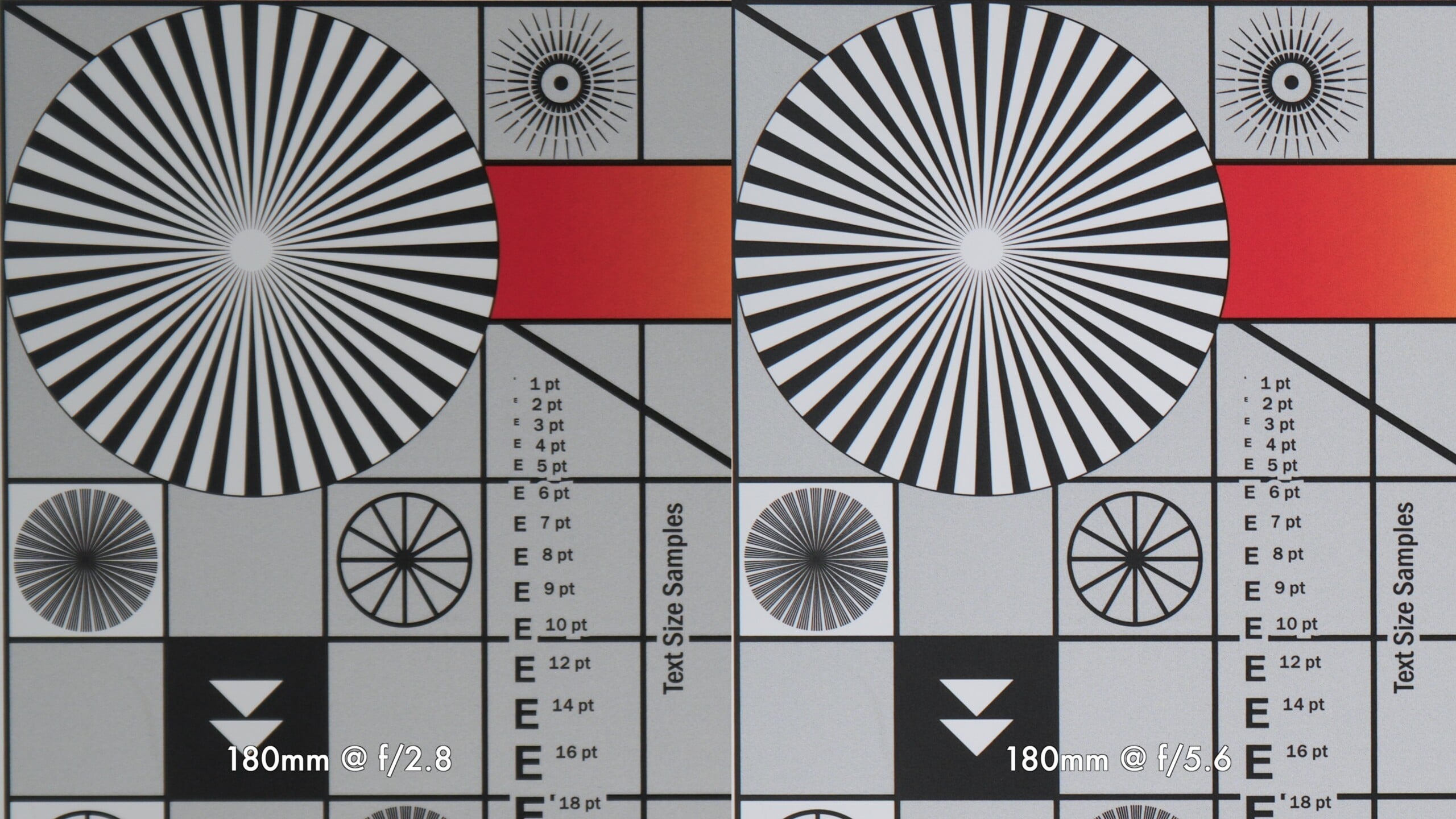
Sharpness is where this lens excels, with excellent detail in the center of the image right from the start. I found the 180mm mark to be particularly good in the center at f/2.8, with slight improvement to be found at tighter apertures. The corners at the long end were also impressive, with more detail than I expected at f/2.8 and fairly low vignetting. Closing the aperture will improve things as usual, but I was impressed by how good the corner detail was overall. At the 60mm mark, the story is similar. The center sharpness is maybe slightly softer at this focal length, but still very acceptable. The corners were also similarly excellent, with far better-than-expected detail. This Samyang lens has the most consistent corners and overall detail compared to its third-party contemporaries.


The lack of lens-based image stabilization is unfortunate, although to be fair, the impact will largely depend on what camera body you are using. Clearly, the lack of a stabilizer keeps the cost down a bit and shaves off some weight. Another cost-cutting choice is the use of a more basic stepping motor for focus. Focusing is smooth and accurate, but the speed is noticeably slower than the competition. If you want to tackle faster sports and action, you might want to consider alternatives.

Samyang AF 60-180mm f/2.8 Review: The Trilogy is Complete
Kudos to Samyang for finalizing a trilogy of professional-grade f/2.8 full-frame zoom lenses. However, should you buy this set or even any of these lenses individually? Here is what we can say for certain: in my opinion, Samyang lenses are well-built but lack refinement, and tend to lack extra controls and aperture rings.
They always feel a little down-market in the hand to me, but the optical performance is formidable. This 60-180mm f/2.8 is both compact and frighteningly sharp. Its optical performance beyond that is certainly acceptable, but it doesn’t ever seem to shine in any other regard. Samyang has a 14-24mm and 24-60mm lens, both with f/2.8 apertures, and they are both capable of capturing great images. However, in a field of fierce competition, Samyang lenses may struggle to find a foothold.


In Sony E-mount, this 60-180mm lens goes up against the Tamron 70-180mm f/2.8 Di III VC VXD G2, which almost exactly matches the $1,099 Samyang.
In L-mount, it only has to compete with the Sigma 70-200mm f/2.8 Sports and Panasonic S 70-200mm f/2.8, both of which are much larger and more expensive options. I’d probably go for the Tamron 70-180mm f/2.8 myself due to the faster AF experience and optical stabilization. However, if you value maximum sharpness and slightly less weight, and have a camera body with IBIS, or if you are looking for an excellent option in L-mount, the Samyang 60-180mm could be a sound choice.
Are There Alternatives?
Regardless of lens mount, the Sigma 70-200mm f/2.8 Sports is going to be much larger at a higher cost, and only makes sense if you want to use teleconverters. This is pretty much the same story for the Panasonic S 70-200mm f/2.8 as well. The Tamron does offer similar optical performance with better AF and stabilization, and is even more compact and manageable. The Samyang 60-180mm should put pressure on Sigma to make a better alternative, but Tamron has nothing to worry about.
Should You Buy It?
Yes. This lens is still going to deliver excellent images at a good price and in a compact chassis. Whichever way you slice it, the Samyang is still a good tool for the dollar.
Affiliate Disclosure PetaPixel articles may include affiliate links; we may earn a commission if you buy through one.