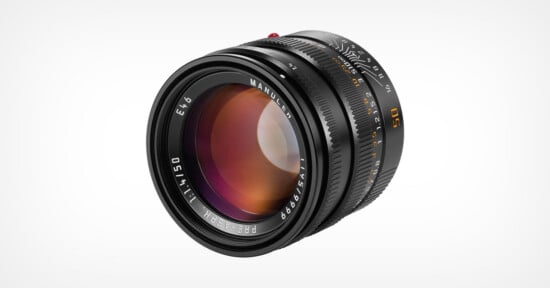
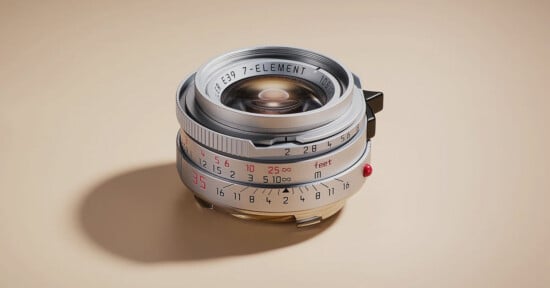
Mandler 50mm f/1.4 Pre-A Review: Looks and Feels Like a Leica for a Fraction of the Price
I feel like I’m struggling to keep my head above water in the deep ocean of the Chinese M-mount lens world. With so many manufacturers and so many different approaches, a reviewer like me can feel overwhelmed. Still, I keep treading these waters because this category can be so exciting. And the $368 Mandler 50mm f/1.4 is worth getting excited about.
For my money, Mandler has struck a pleasant balance between a vintage look, classic bokeh, and a dreamy feel, while still delivering stunning contrast and sharpness when you need it.
Pros
- Excellent fit and finish
- Option for 6-bit coding
- Good sharpness at most apertures
- Pleasing balance between classic image quality, and modern glass.
Cons
- No indicator at minimum focusing range threshold.
- Soft corners shooting at f/1.4
- Some LoCA present
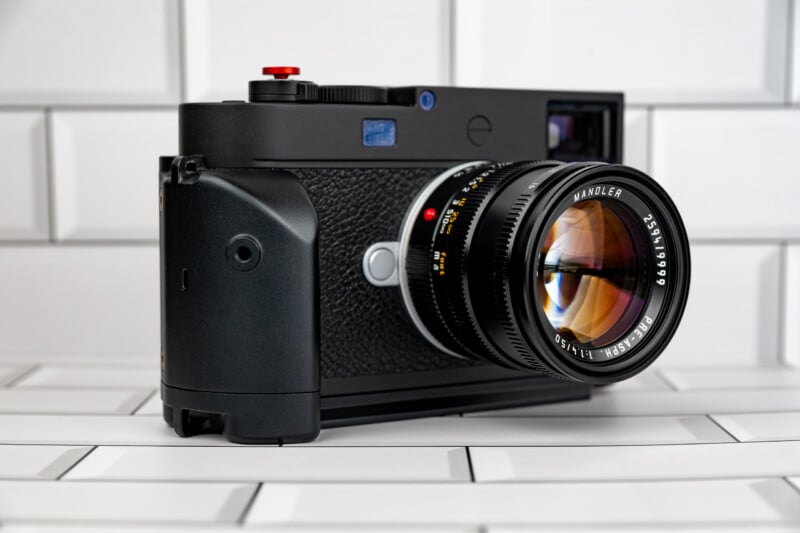
Due to the simple nature of the rangefinder lens, optics designers put all their effort into the character of the lens, the shooting experience, and the physical design. Reviewing these lenses focuses more on exploring nuance and tactile response, something I really enjoy. So let’s start by looking at how the Mandler feels in the hand.
Mandler 50mm f/1.4 Pre-A Review: How It Feels
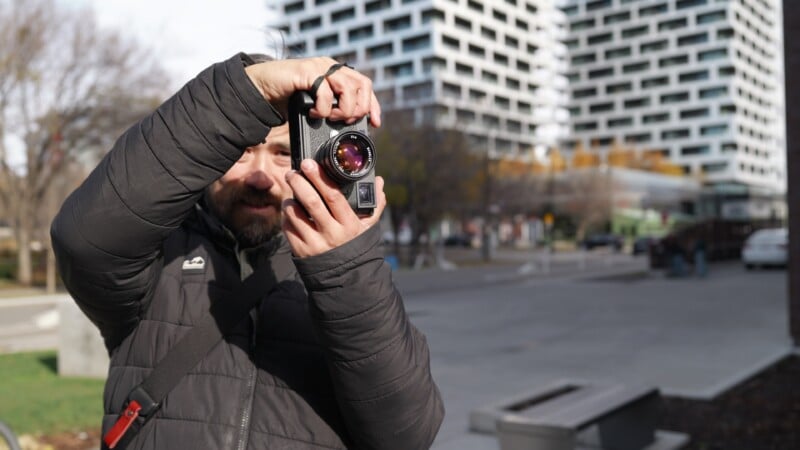
Right off the bat, the Mandler 50mm f/1.4 Pre-A looks and feels exactly like a modern Leica Summilux lens. Exactly. From the engraved text and font on the rings to the placement of controls, the Mandler 50mm is a faithful clone. Most manufacturers tend to shy away from this approach, but they all mimic or borrow design elements from Leica. Light Lens Lab and Mr. Ding lenses come close to the Leica M look, but the Mandler seems the most sincere of the flatterers, or at least the most willing to go all-in on mimicry.
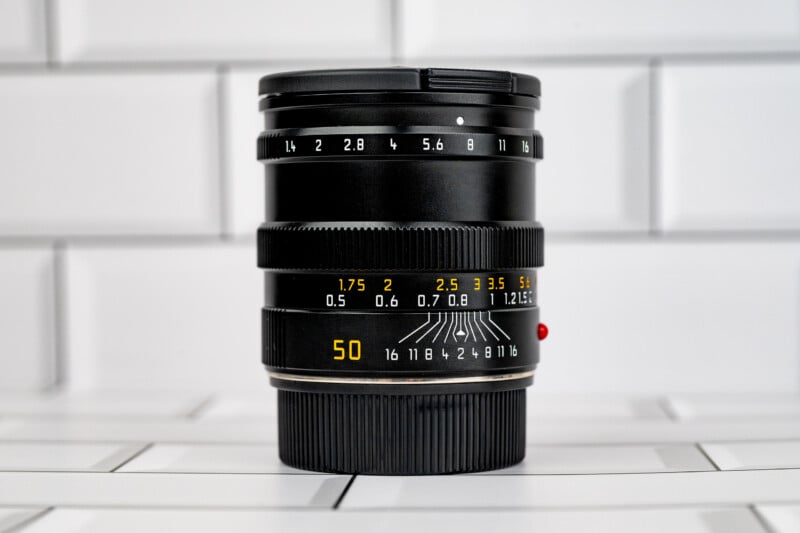
These lenses also feel like the real deal. The aperture ring is set to half-stop increments, and the manual focus ring engages perfectly with the rangefinder coupling of the Leica M11. Mandler opted for a clean circular focusing ring instead of a protrusion or scalloped focusing assist.
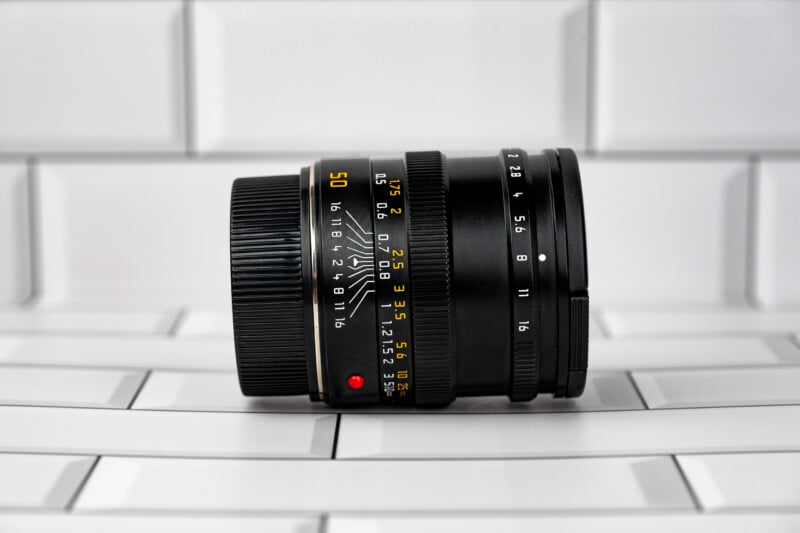
You can opt for a classic black paint version built out of aluminum, which weighs only 10.2 ounces (290 grams). If you like a beautifully chromed, classic grey look, the brass version is perfect, but it weighs 13.6 ounces (385 grams). Both lenses include built-in lens hoods that extend with a satisfying suction. These lenses aren’t 6-bit coded out of the box, but Mandler provides the cutouts in the lens mount, so you can DIY the data if you want EXIF information and lens corrections.
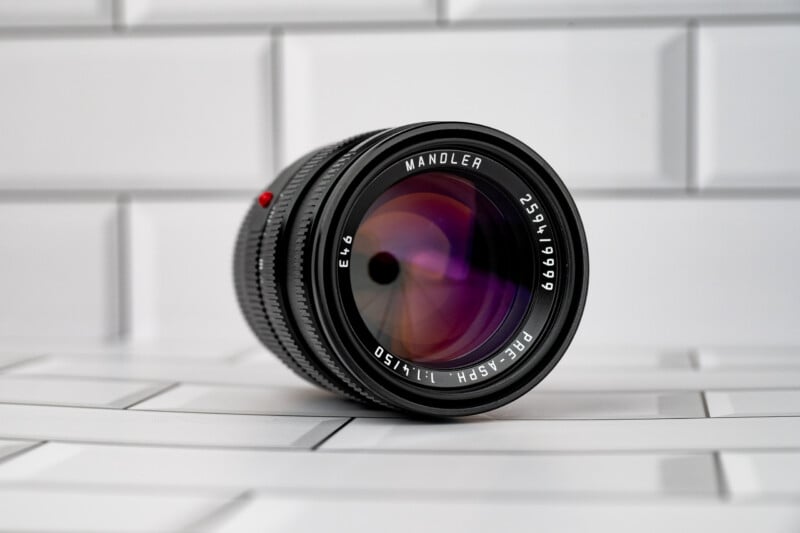
The Mandler 50mm feels solidly built, with excellent machining throughout. The focusing ring is fully circular with no focusing lugs or knobs, which some users will prefer and others will bemoan. This lens can also focus down to half a meter. However, the lens offers no tactile feedback when you pass the minimum 0.7-meter mark for rangefinder coupling. Regardless, it feels like a premium lens and is almost indistinguishable from the bulk of the Leica M lenses.
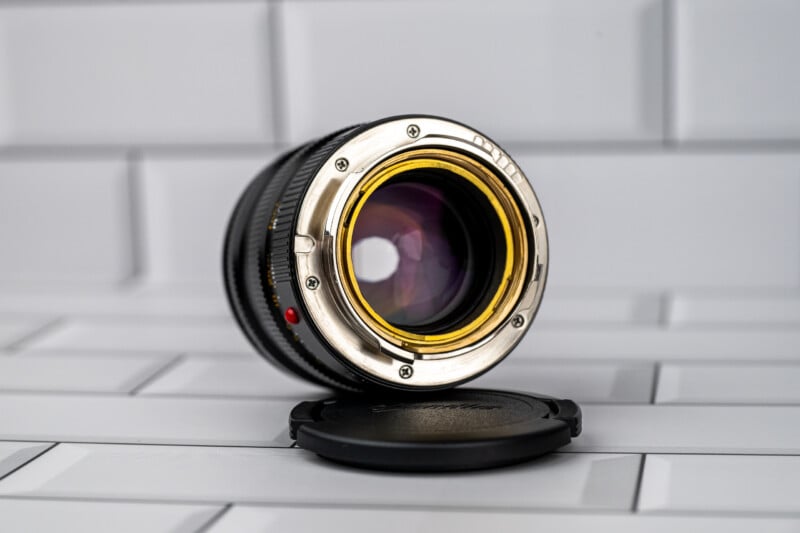
Mandler 50mm f/1.4 Pre-A Review: How It Shoots
This lens not only mimics a Leica lens on the outside, but also pays homage to the pre-aspherical 50mm Summilux formula on the inside. However, it’s important to note that this lens uses modern glass technology to bring optical benefits to a classic rendering. Mandler has incorporated a high refractive index lens and extra-low dispersion glass in order to improve edge sharpness while also reducing chromatic aberrations. This fully spherical lens delivers excellent central sharpness, as promised, and fully supports the Leica M11’s 60-megapixel resolution.
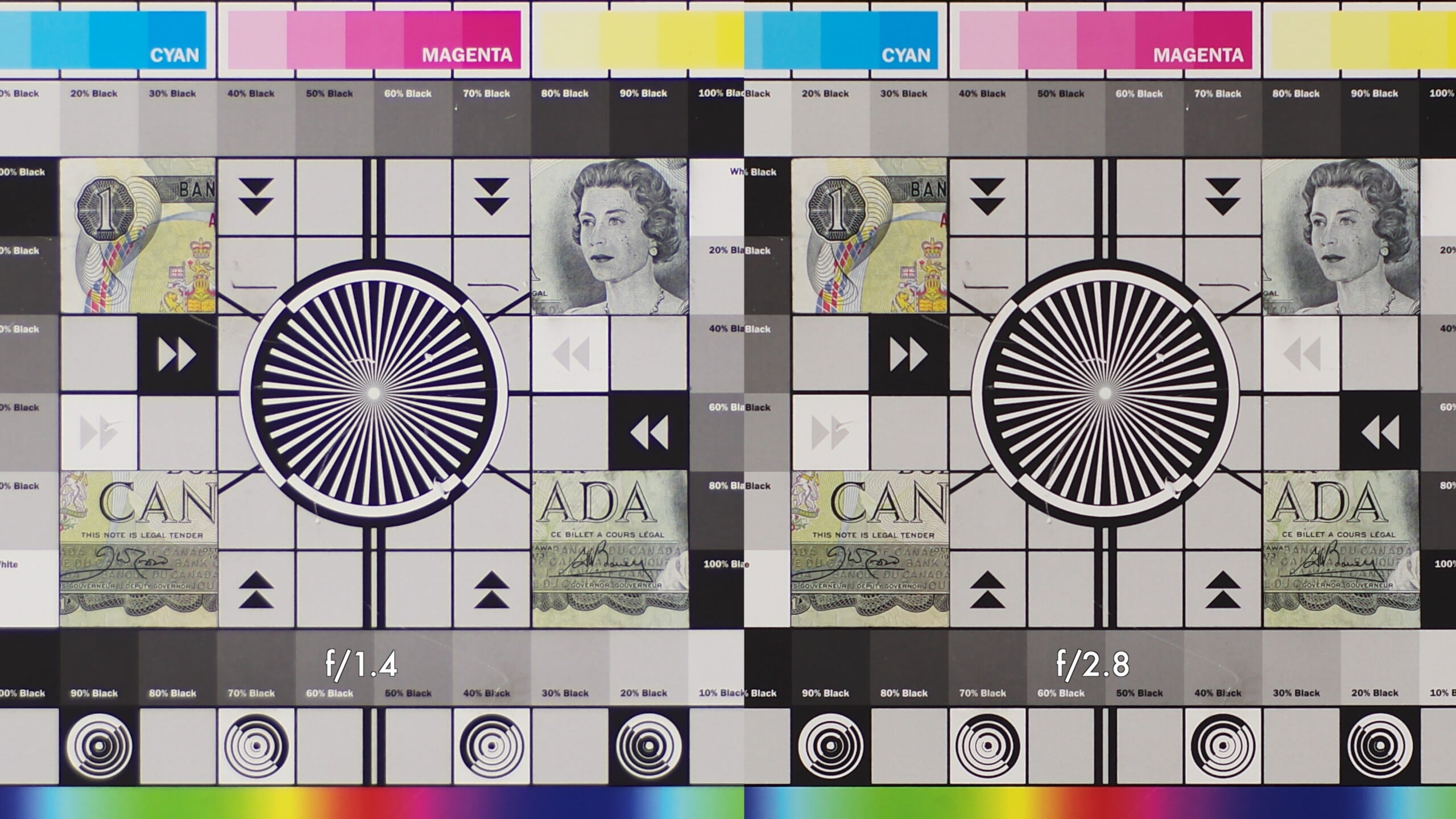
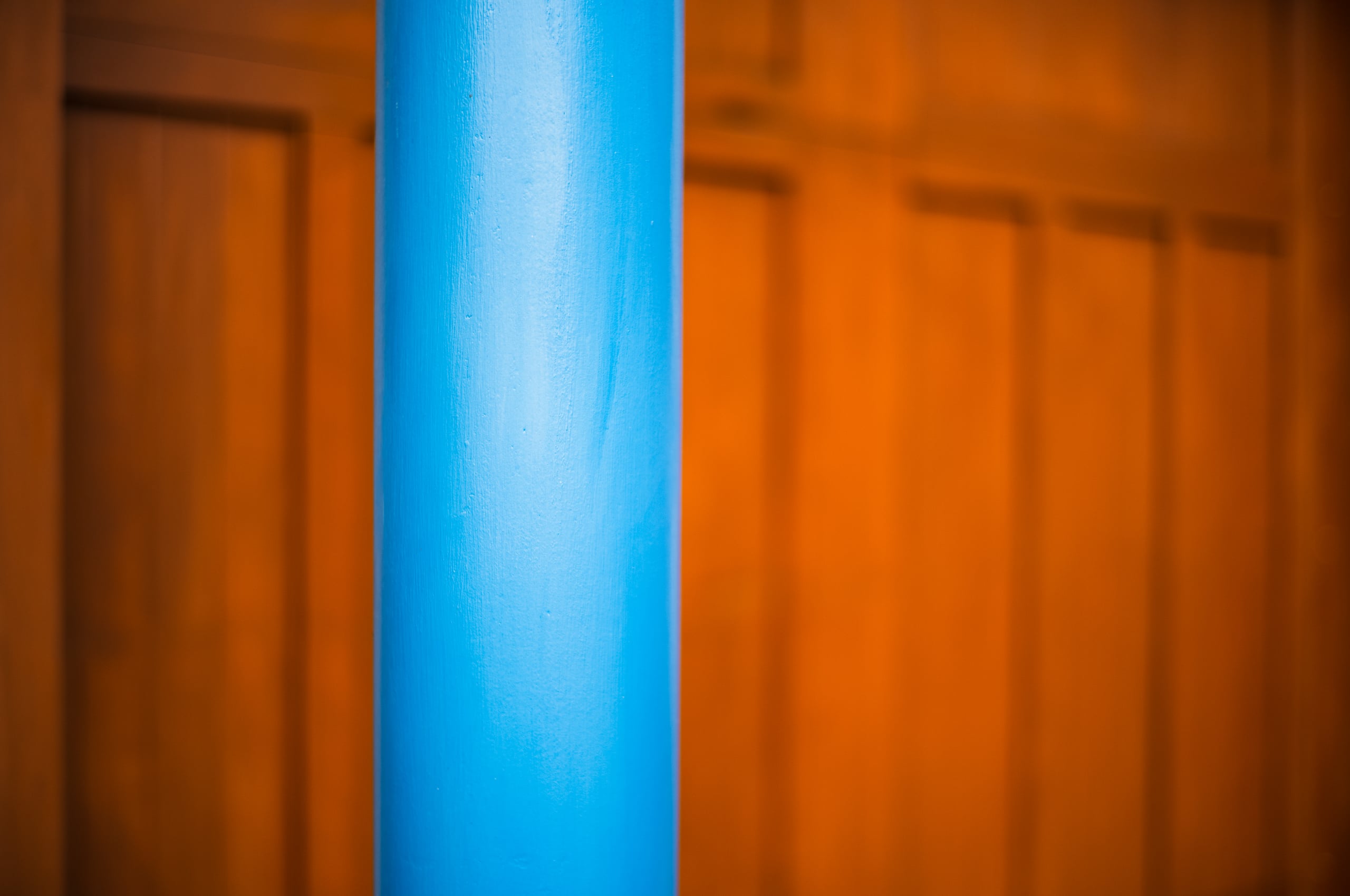

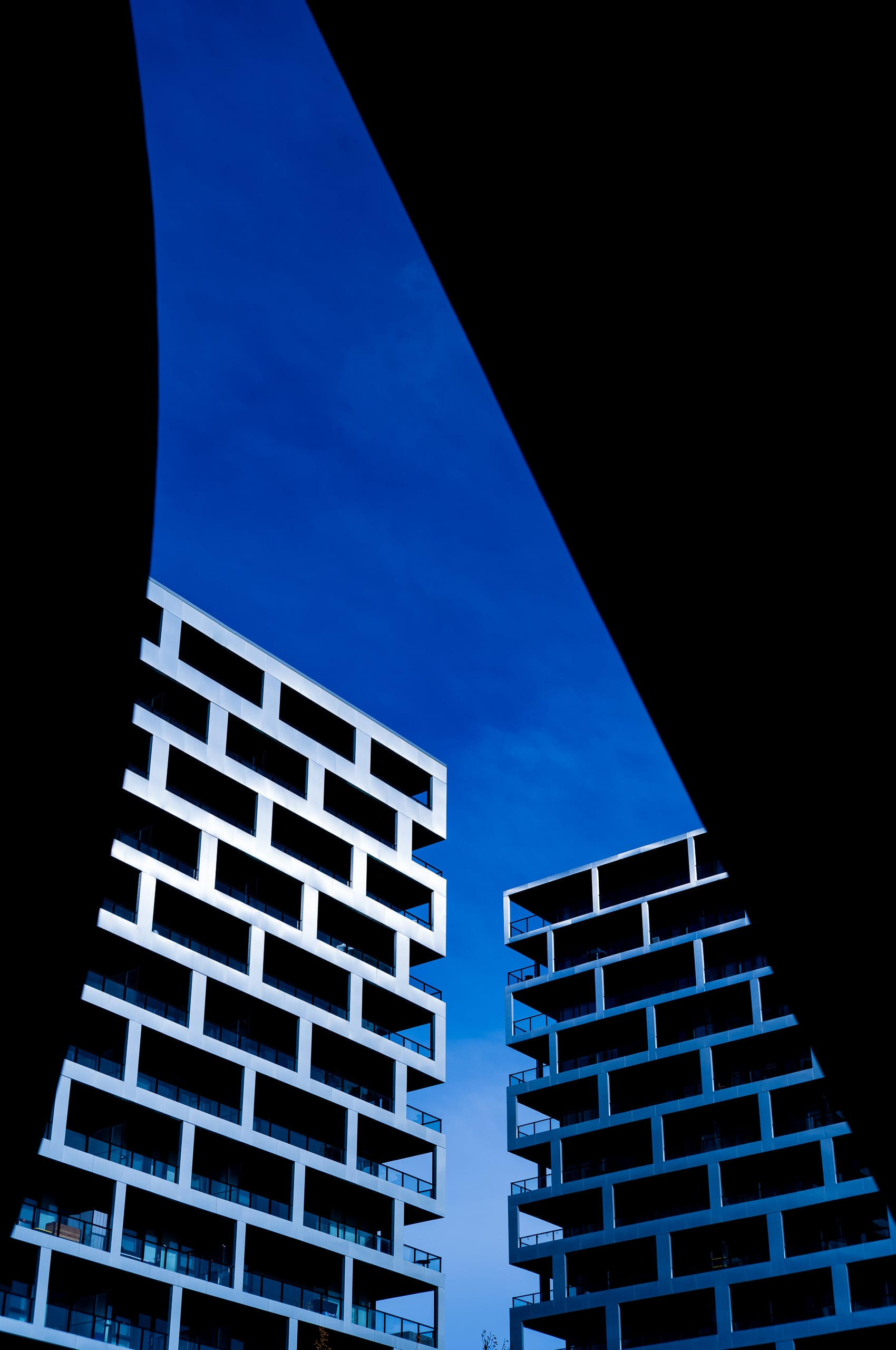
At the widest f/1.4 aperture, contrast drops and the images take on an overall dreamy look. This can look pleasant, but it disappears quickly as you stop down. Corners are quite blurry at f/1.4 but sharpen noticeably as you stop down. Effectively, this means that important subjects should be more central when shooting at f/1.4, but the lens looks downright modern at any other aperture, even to the edges of the frame.
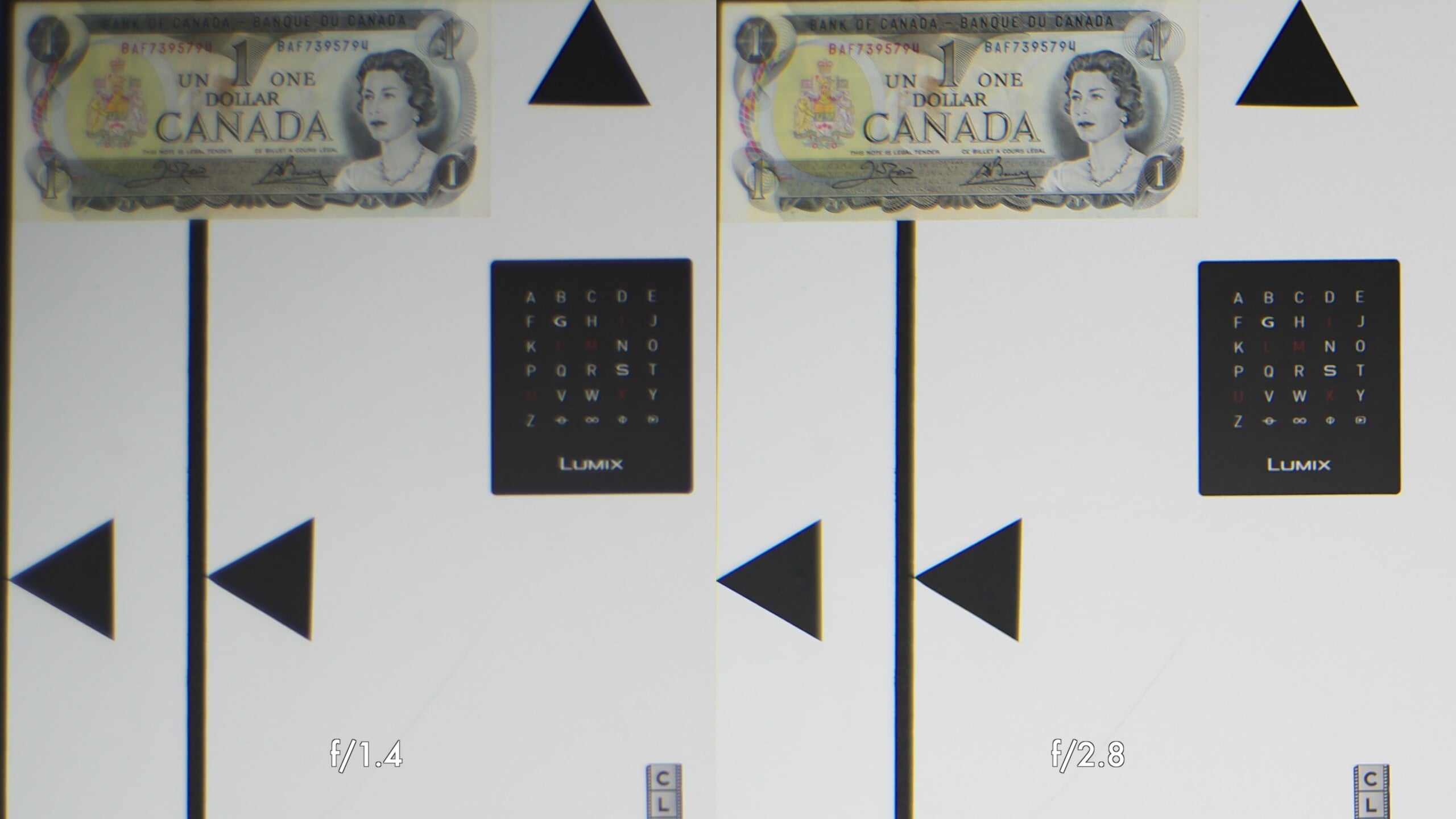
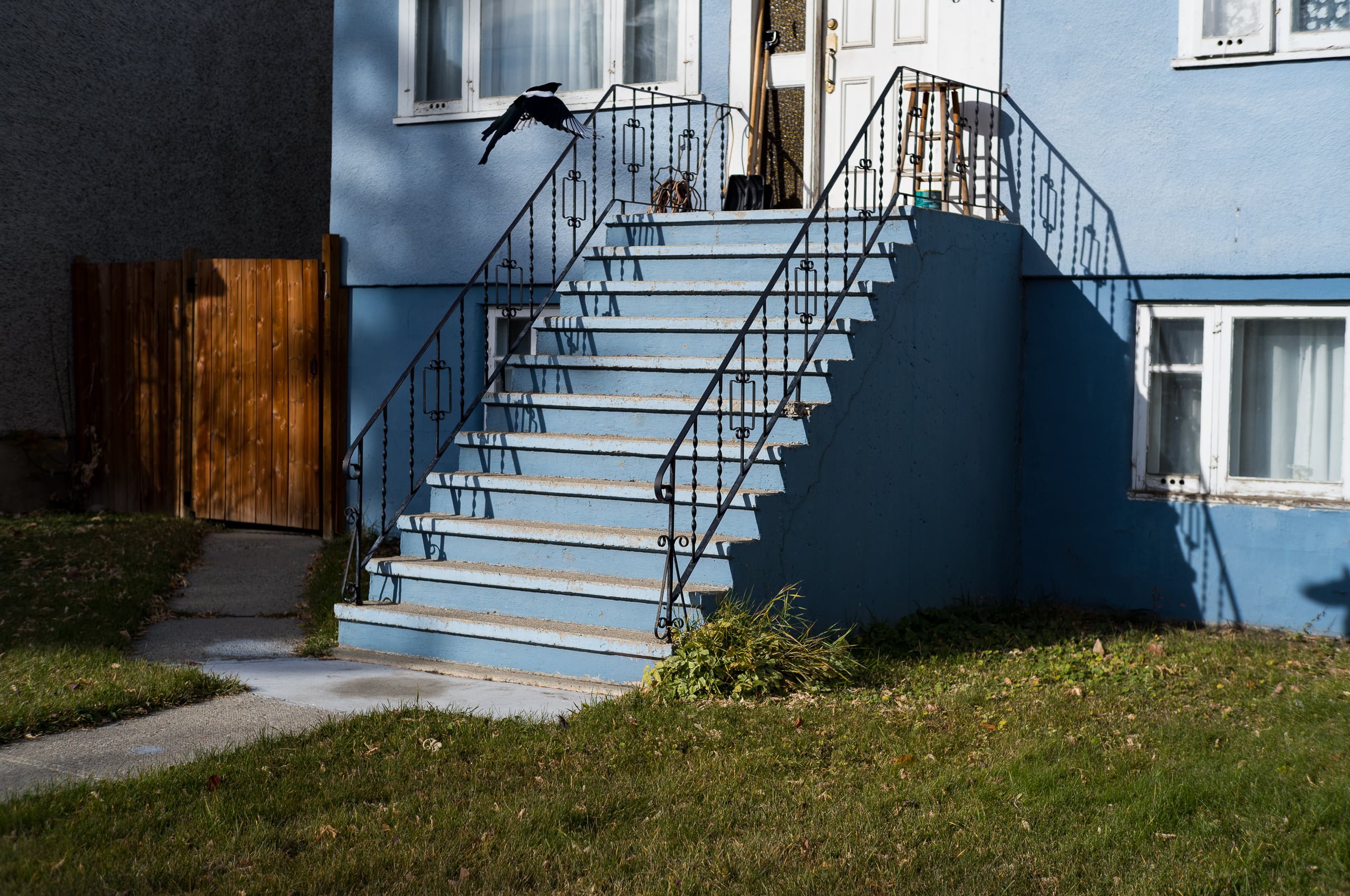
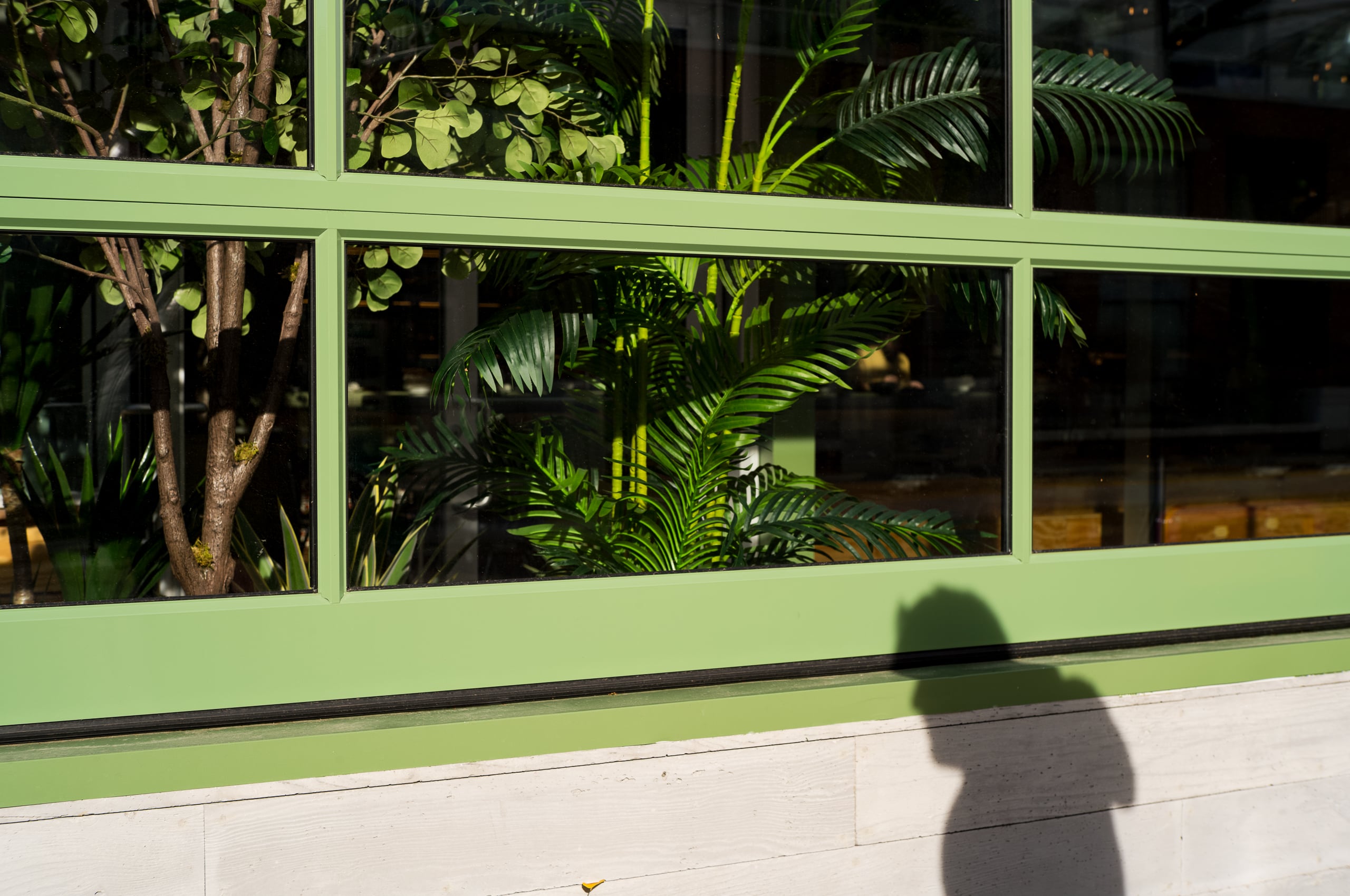
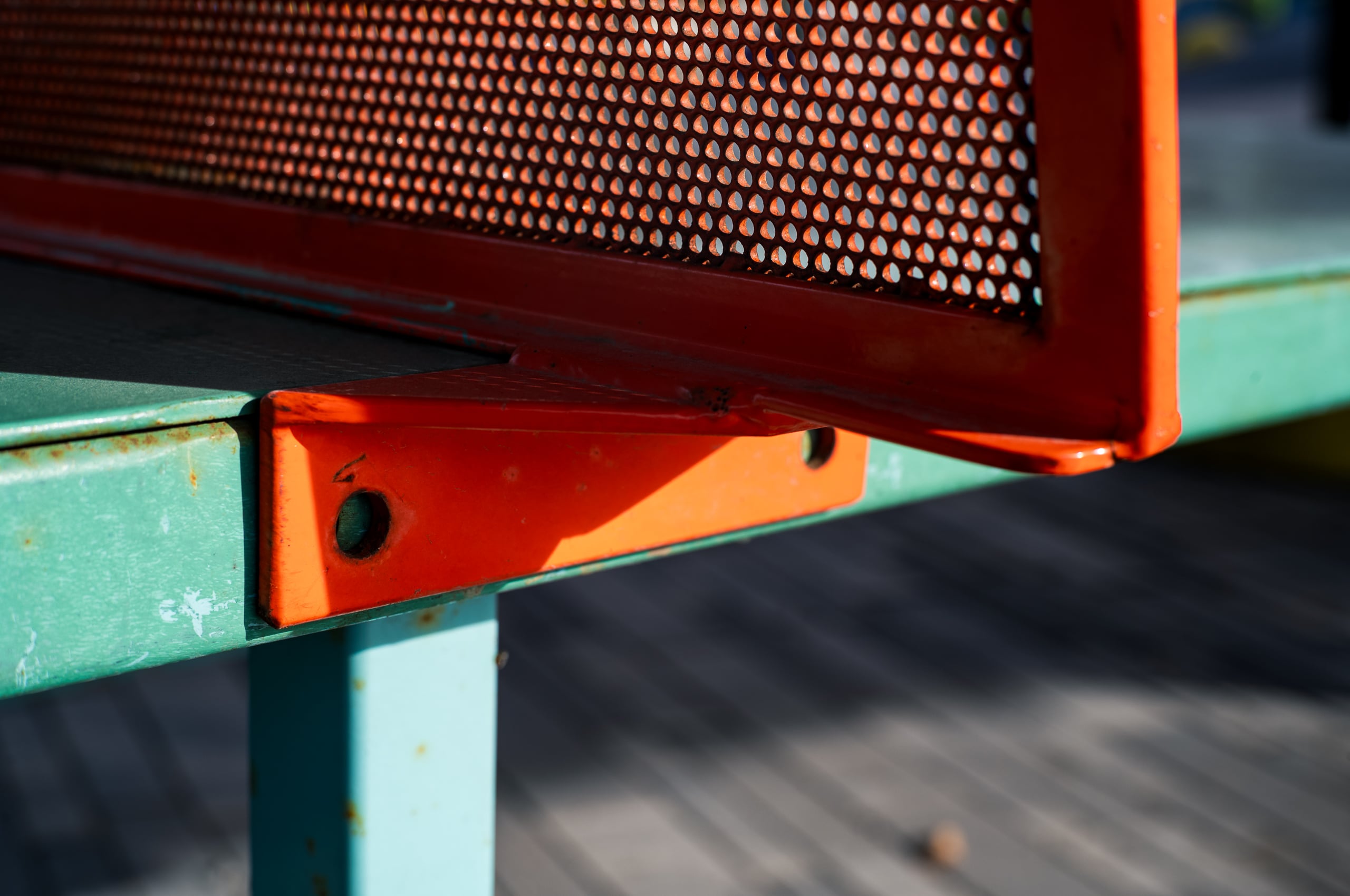
I noticed a little bit of LoCA, or longitudinal chromatic aberration, at f/1.4. I wouldn’t say that it’s harsh or overly noticeable, though, so just keep an eye out for it. Flare was acceptable, with some veiled flare across the frame at f/1.4. Some purple ghosting appears at tighter apertures and can cover the frame, but I find it more vivid, though smaller in the frame, at wider apertures. The extending hood also makes a big difference because flare is an issue when light hits this lens at oblique angles.


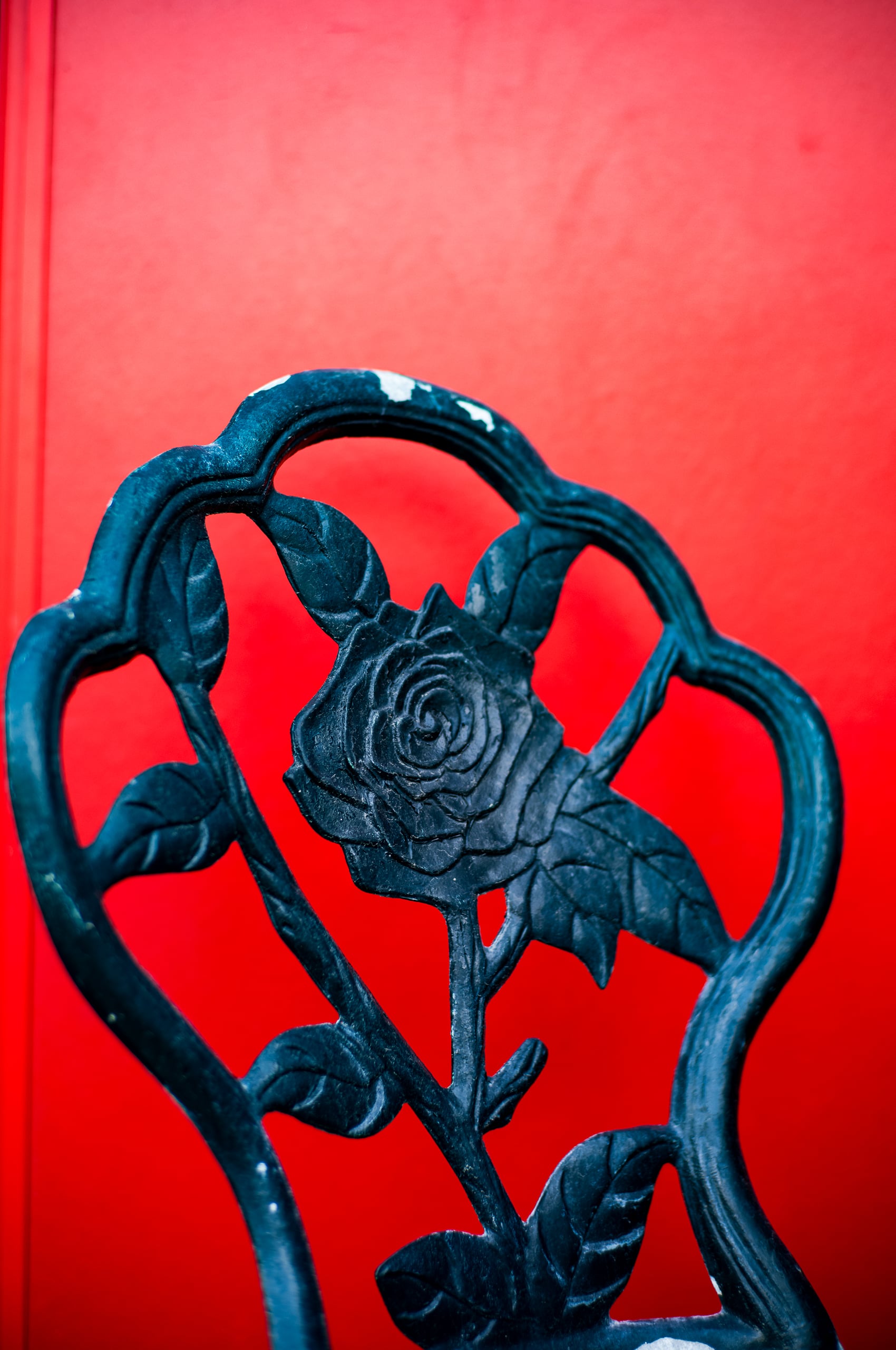


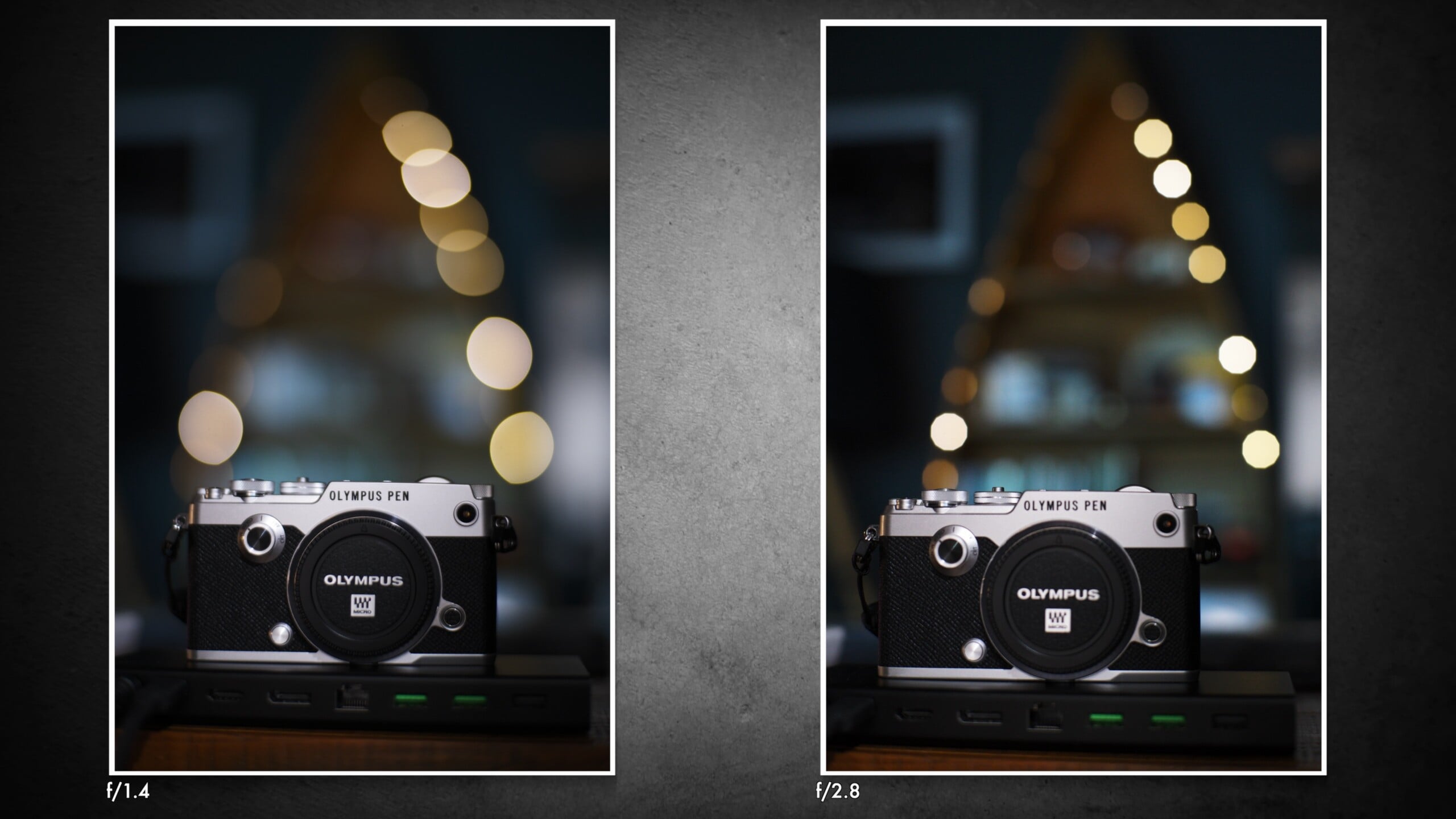
I expected bokeh to be full of character. I was not disappointed. At f/1.4, the specular highlights have a swirly effect and really draw attention to the middle of the frame. The highlights show a fairly strong polygonal effect when the aperture is closed down. Backgrounds tend to look a little harsh, and the out-of-focus areas definitely stand out more alongside your subjects. I wouldn’t say that the look is unpleasant at all. The bokeh demands attention, so look elsewhere if you want smooth, soft bokeh that stays out of the way.


Mandler 50mm f/1.4 Pre-A Review: Vintage Value
I liked using this lens quite a bit. It looks prestigious and feels good in the hand. The operation of the lens was flawless. However, optically, the Mandler 50mm is a character-forward lens, and that’s not necessarily for everyone. You will get flare and some LoCA, true to the vintage optic experience. For my money, Mandler has struck a pleasant balance between a vintage look, classic bokeh, and a dreamy feel, while still delivering stunning contrast and sharpness when you need it.


Most importantly, it does all of this at a very good price. The aluminum version, which most buyers will gravitate toward, is only $389. When you shoot with this lens, though, it feels like it’s worth much more than that, both in the hand and on the screen. The question you’ll have to answer is where you sit on the spectrum between vintage rendering and modern clarity, but at least you won’t have to invest much to find out.
Are There Alternatives?
There are so many options, so I’ll stick to the ones I have experience with. Thypoch make a larger Simera 50mm f/1.4 with a more pedestrian look, but excellent handling characteristics. Thanks to its aspherical design, it is sharper and cleaner-looking, with much better modern correction of issues like flare and LoCA.
At the other end of the spectrum, Light Lens Lab makes a gorgeous 50mm f/1.5 Z21 that faithfully recreates a rare Angenieux lens. This is all about character, dreamy focus, and vintage handling, but it comes at a relatively high cost.
The Zeiss ZM 50mm f/1.5 Sonnar takes a similar approach to the Mandler, with a unique, softer look at f/1.5, and fairly modern results as you stop the lens down. This is a premium lens with its own distinct look, but the price is going to be premium as well.
Should You Buy It?
Yes. The Mandler 50mm f/1.4 Pre-A does not feel cheap, and the optics strike a nice balance between vintage and modern. For an incredibly reasonable price, you get a lens worthy of its place, mounted to a far more expensive Leica camera.
Affiliate Disclosure PetaPixel articles may include affiliate links; we may earn a commission if you buy through one.