

The Empty Gesture of Smiling for Photographs

We are all familiar with the social mandate of smiling for photographs. Every time someone points a lens at our mug, we are expected to give a wide, toothy smile. If you don’t comply, the photographer will quickly remind you with a religious “say cheese!”. Many years ago, it occurred to me that this practice was not only shallow but silly. Granted, a candid smile captured in photography can be telling and beautiful. On the other hand, a contrived smile for a photograph, not so much. Here is why.
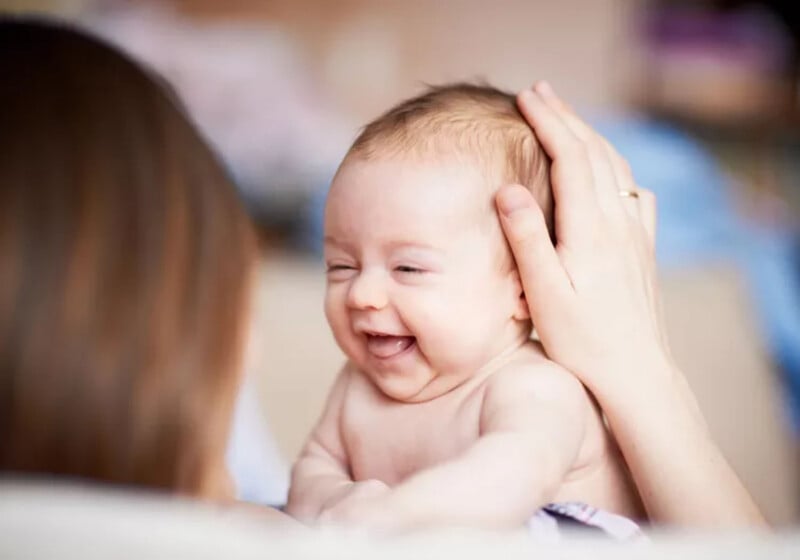
Let us start at the beginning and discuss why humans smile in the first place. There is a biological imperative that babies need to communicate with their parents. At first, a baby smiles reflexively; in the first two months, they try to identify faces. After two months, a baby can initiate a facial response as a way of communicating with the onlooker. Babies are the most helpless creatures on the planet. Quickly bonding with parents isn’t a preference; it’s an imperative for survival. Behavioral scientists tell us that the smile reflex is hard-wired or baked in at birth. Infants must smile so that the people around them will protect, feed, and provide for them. Smiling is the simplest and earliest form of communication.
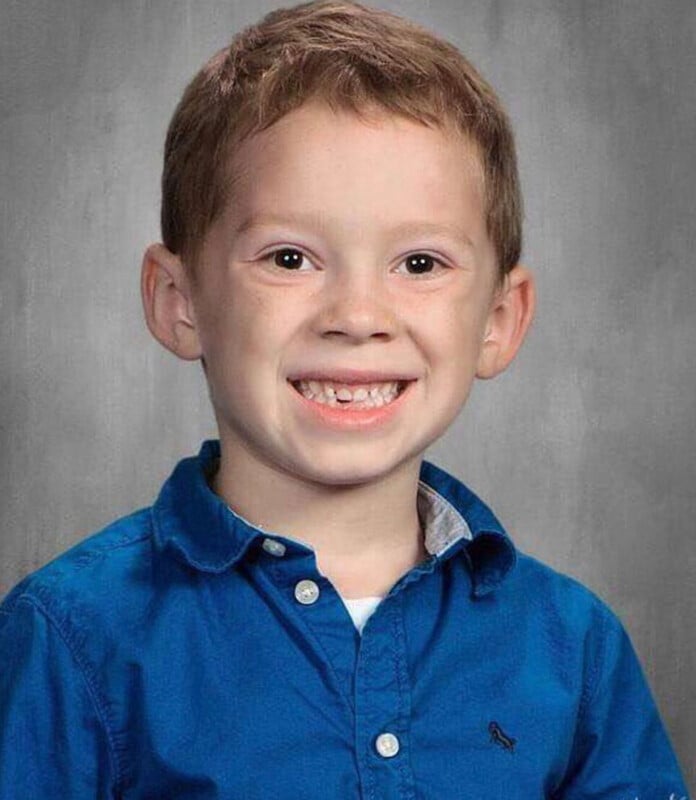
As adults, we use the same facial cues to understand the mood and affect of the person standing in front of us. Adults take smiling to a new level, adding many layers of complexity to the behavior. Adults can perform different types of smiles, smirks, and grins depending on the visual messages they want to convey. Adults, unlike babies, can even give “fake” smiles if the need arises. These “fake” smiles ruin a perfectly good historical record our cameras capture. I have discussed not smiling with sitters in my studio many times over the years.
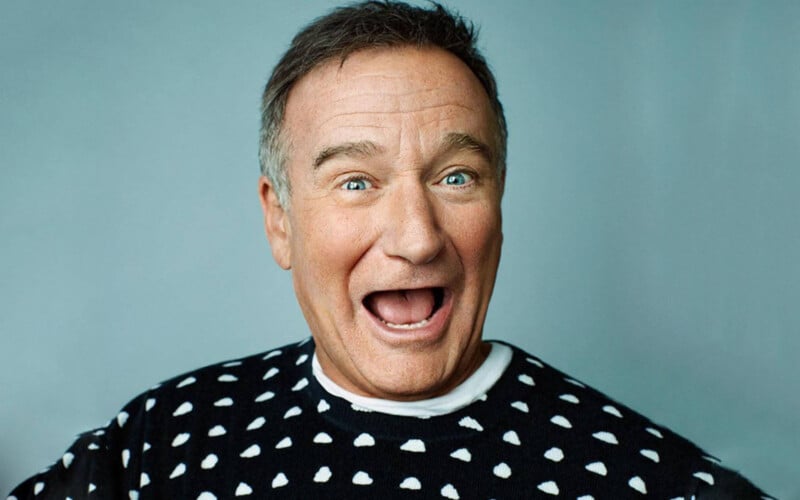
Robin Williams is one of the funniest and most beloved comedians of our generation. If someone pointed a camera in his general direction on the last day of his life, what would he have done? He surely would have smiled out of habit; the man manifested the smiles of millions of people over his storied career. Would that artificial smile on the day he took his own life represent his true feelings at that moment? Surely not. To quote the man himself, “All it takes is a beautiful fake smile to hide an injured soul.”
When did people start smiling for photographs? In the 1800s, formal portraiture rarely showed smiles. Not everyone owned a camera, and you had to go to an expert to have your photograph taken. Sitting for a formal portrait was serious business, and not everyone was given the opportunity or could afford this luxury.
As a wet plate artist who practices the 1851 process invented by Frederick Scott Archer, the reason is simple: exposure times. In the infancy of photography, exposure times could range from 30 seconds to 5 minutes, and sometimes longer. It has been documented that having your daguerreotype portrait taken in the late 1830’s could take upwards of 30 minutes in a dimly lit setting. Nobody can hold a candid smile for that long without looking maniacal or blurring the photograph. In my studio, the average exposure time using natural light is 10 seconds. A cell phone aperture is typically open to about 1/60th of a second. A modern digital photograph is 600 times faster than photography just 175 years ago.
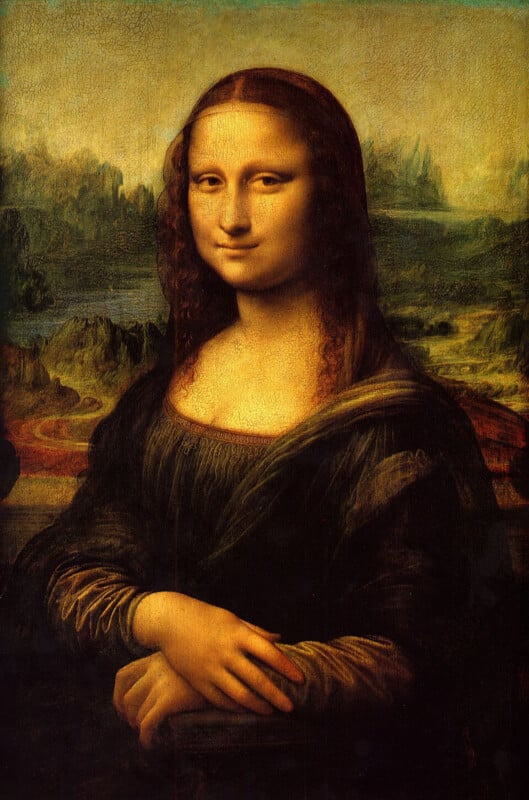
We can even go back to early paintings and art to look for evidence of smiling for compositions. You rarely see a candid smile with teeth on museum walls around the world.
“Artists followed strict rules to ensure their work aligned with cultural ideals. Smiling was rarely part of these traditions, as it was considered inappropriate for the solemnity of art,” writes Eternal3D Blog.
Sure, the Mona Lisa may have a heavenly smirk, but it’s nothing near what we would call a smile by today’s standards. In public, a large smile was often associated with lower-class behavior, drunkenness, or foolishness. This stigma kept smiles out of portraits in photography’s infancy.
So, at what point did that change? The answer is around the early 20th century.
There are two main reasons. First, exposure times were once again the culprit; this time, they fell dramatically with the invention of faster film. Suddenly, people could take photographs quickly, and smiles could be captured more easily.
A second reason would be the invention of the personal camera. Kodak’s “Brownie” camera, sold for around $1, allowed ordinary people to take their own photographs. As soon as photographs moved outside the confines of the formal portrait studio, the cost of having your portrait taken plummeted. Everything became more relaxed and casual, and our photographs followed suit.
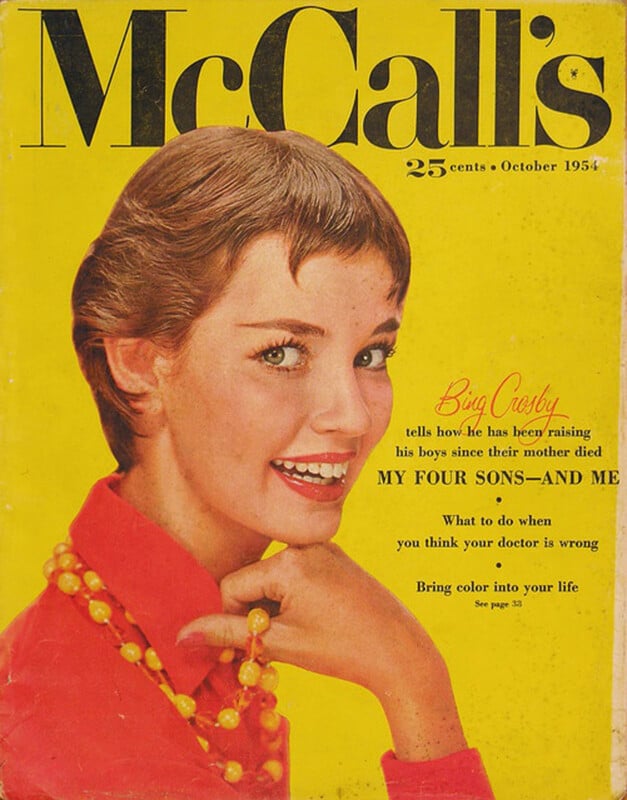
Magazine advertisements of the 1950s wanted to portray positivity and happiness to draw customers to their pages. World War II had just ended, and humanity seemed brighter and more positive. A great weight had been lifted, and the fake, toothy smile was born and adopted worldwide.
Let us jump to today and the invention of the digital camera. The cost of taking photographs today has fallen to zero. You can take 50 photographs in a couple of seconds at no cost. This has allowed us to photograph almost everything in our environment. The person taking these photographs has no skin in the game. It is thought that we are taking more photographs today than in the first 150 years of photography. We will take 5.3 billion digital photographs today with our smartphones alone. These cameras have become much more sophisticated yet easier to use. Modern cameras, in particular smartphones, have made photography frictionless. Point the lens, zoom, crop, swipe, a simple tap, and the moment is immortalized. No technical skills, preparation, knowledge, or intent are required.
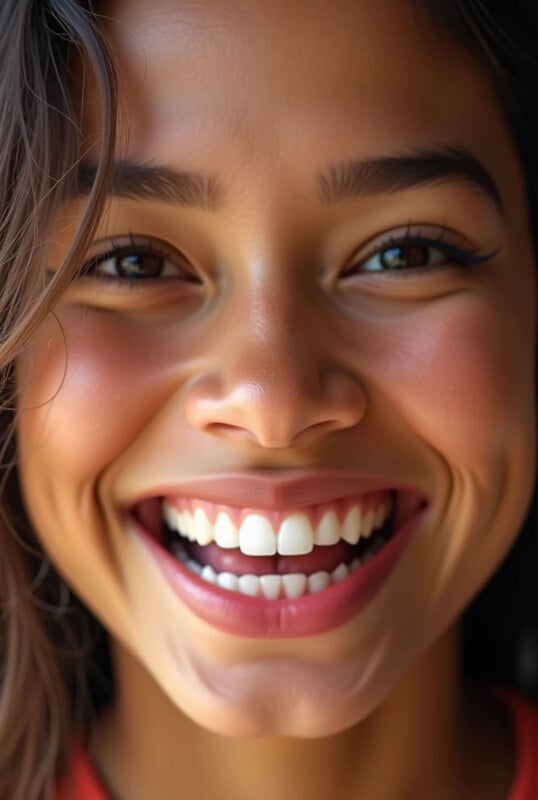
This visual glut has recently accelerated with the creation of Artificial Intelligence (A.I.). You do not even need to own a camera or need to use light to make visual images. Prompt the computer, and there is no limitation to what can be created. The line between reality and fiction has been blurred to a point that our history is lost in a sea of imaginary images. And yes, the trend has continued, even our A.I. characters smile back at us.
So, what conclusion should we draw? I hope that after reading this article, we think a little more about smiling for the camera. We are not a bunch of monkeys that perform repetitive tricks for our photographs. The next time someone points a camera at your face, take a deep breath, look intently and with purpose into the lens, and hold whatever expression you already have on your face. I assure you it will better match your internal feelings, and who knows, you may just get a more sincere portrait out of the exercise — a portrait that shows who you are and how you were feeling at that moment. One can hope, but I am a hopeless romantic who wants everyone to have meaningful portraits of themselves. Is it too much to ask?
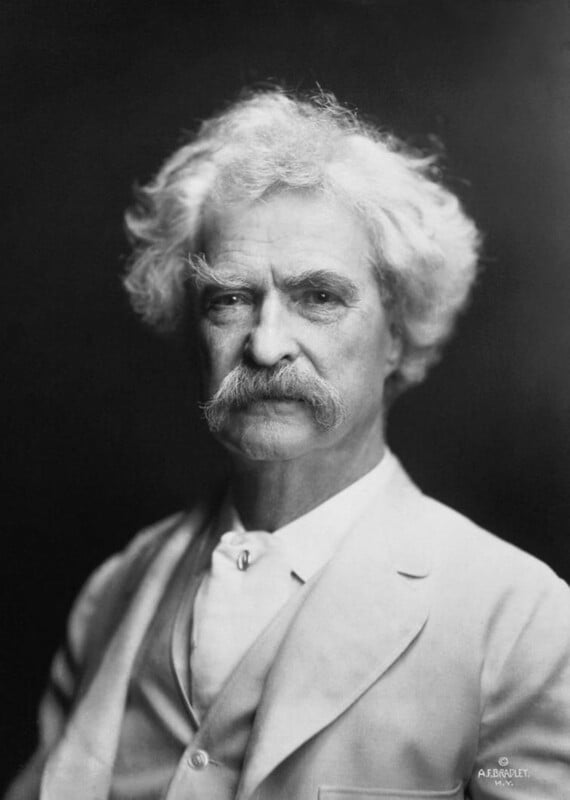
I found this quote by Mark Twain very apt:
“A photograph is a most important document, and there is nothing more damning to go down to posterity than a silly, foolish smile caught and fixed forever.”
About the author: Shane Balkowitsch is a wet plate collodion photographer. He has practiced this historic process for over a decade, a process Frederick Scott Archer introduced to the world in 1851. He does not own a digital camera; analog is all he knows. He has original plates at 117 museums around the globe including the Smithsonian, Library of Congress, The Pitt Rivers Museum at the University of Oxford, and the Royal Photographic Society in the United Kingdom. He is a professor of photography at Bismarck State College, where he teaches a bespoke course on wet plate collodion photography. He has been speaking out against A.I. and gives a lecture, “A.I. Pitfalls and Dangers for Humanity,” to college students. Instagram: @balkowitsch, Facebook: @balkowitsch
Shane is a frequent contributor to PetaPixel. Here are some of his previous articles:
- A.I. Imagery Is Not Photography, It Never Will Be
- A.I. Imagery May Destroy History As We Know It
- Art and A.I.: Debating the Definition of Creativity
- Does The World Need Images of Fake A.I. People?
- Time Machines Exist — They Are Called Photographs
- Why is Pamela Anderson Not Allowed to Age?
Affiliate Disclosure PetaPixel articles may include affiliate links; we may earn a commission if you buy through one.


