The Three Eye-Opening Winners of the 2026 Leica Oskar Barnack Awards
Leica has announced the winners of the 2026 Leica Oskar Barnack Award and its inaugural LOBA Women Grant.
Photographer Damir Faizulin won the main Leica Oskar Barnack Award (LOBA), Laila AnnMarie Stevens earned the Newcomer award, and Valentina Sims is the first LOBA Women Grant winner.
“On behalf of the entire 2026 LOBA jury — Jane’a Johnson (Scholar and Curator, Curatorial Assistant, The Museum of Modern Art (MoMA), New York, USA), Celina Lunsford (Artistic Director and Curator of the FFF, Fotografie Forum Frankfurt, Germany), Paolo Pellegrin (Photographer, Italy) and Gu Zheng (Professor, Fudan University School of Journalism, Shanghai, China) — I offer my heartfelt congratulations to the winners,” says Karin Rehn-Kaufmann, Leica’s Art Director at Chief Representative of Leica Galleries International.
“The quality of the work was high, as were our expectations,” says Lunsford.
“The significance of this prize cannot be overstated,” adds Johnson. “It is a real financial boon for photographers, providing access to high-quality equipment and forging a link to the legacy built by some of the most significant photographers ever to pick up a camera.”
LOBA Main Prize winner Damir Faizulin wins a €40,000 cash prize and a Leica photography kit worth €10,000. The Newcomer Award winner, Laila AnnMarie Stevens, wins €10,000 plus a Leica Q3. The LOBA Women Grant winner, Valentina Sinis, gets a €10,000 endowment, a Leica Q3, and professional support to complete her ongoing photography project.
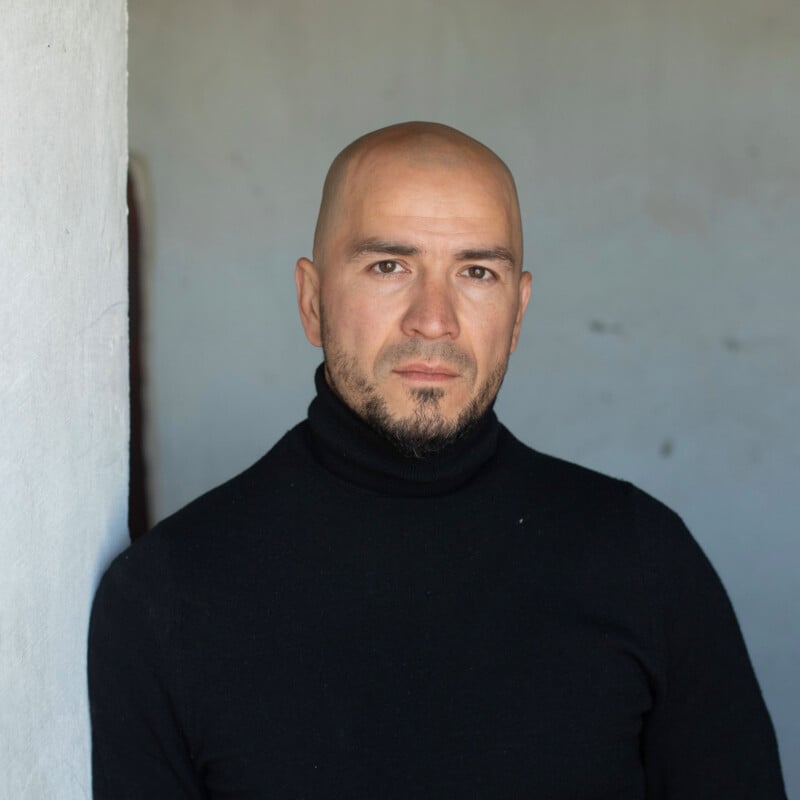
Damir Faizulin Is the Main Leica Oskar Barnack Award Winner
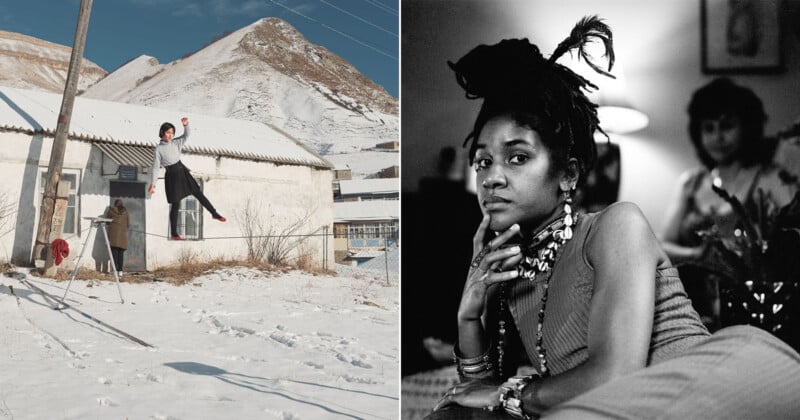
The main award in the 46th edition of the Leica Oskar Barnack Award (LOBA) goes to Russian photographer Damir Faizulin for his series, Preserving Nature as Preserving Ourselves.
Selected from over 400 entries nominated by more than 130 photographic experts worldwide, Faizulin’s series especially impressed the judges with how it documents the delicate balance between people and nature in the mountains of Dagestan in the North Caucasus, southern Russia.
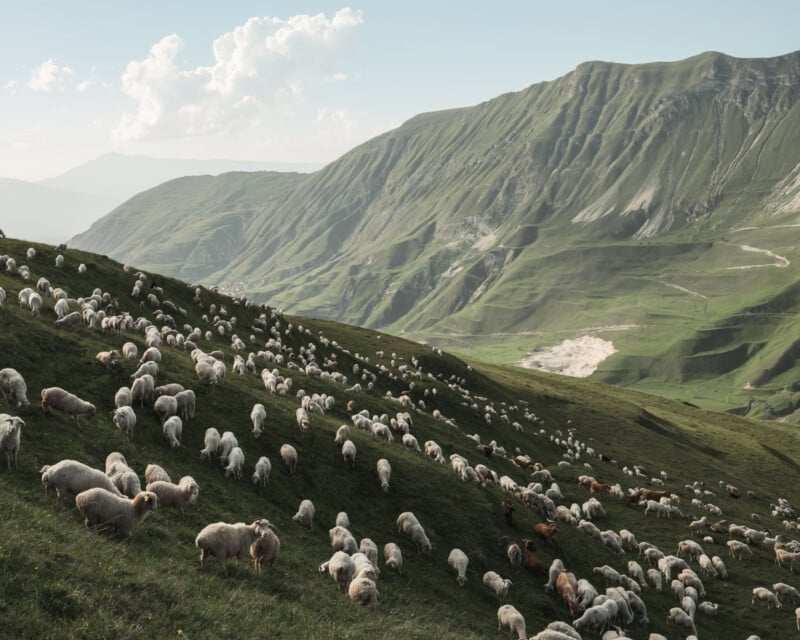
From the series “Preserving Nature as Preserving Ourselves” | © Damir Faizulin/LOBA 2026
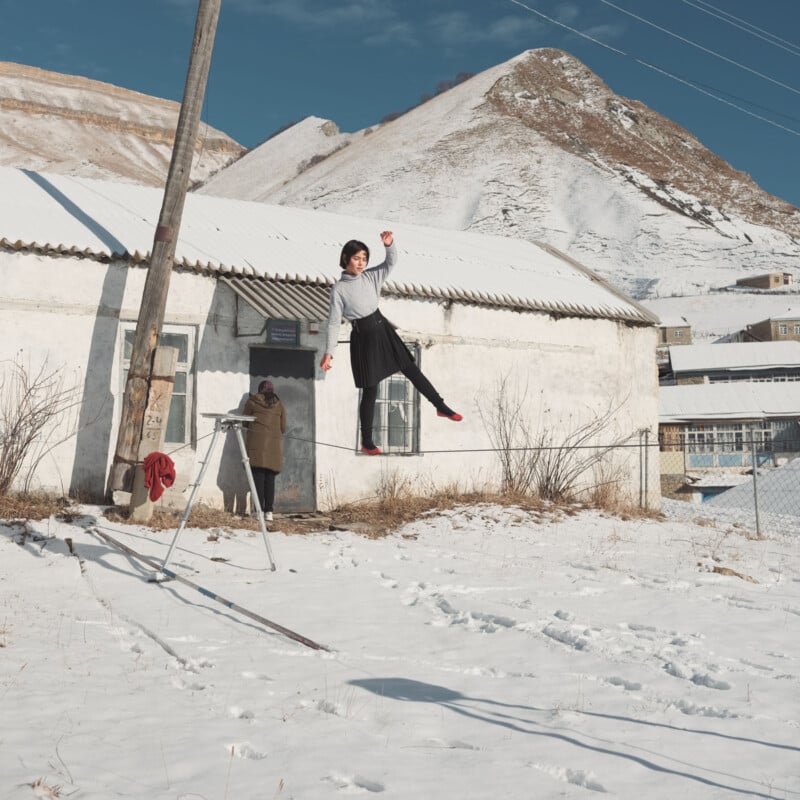
The region has a compelling conflict between tradition and culture on the one hand, and modern architecture and the emerging tourism industry on the other. In one frame, dilapidated, abandoned structures are immediately evident; in another, the scene teems with vigor and life. Throughout the series, though, the area’s natural beauty is on full display.
“I first visited Dagestan as a tourist in 2020 and immediately felt a connection to its cultural fabric, the meaning of the moment and my personal interest in the region. I had a strong feeling that the region was about to undergo rapid change, and I wanted to document these developments,” Faizulin says.
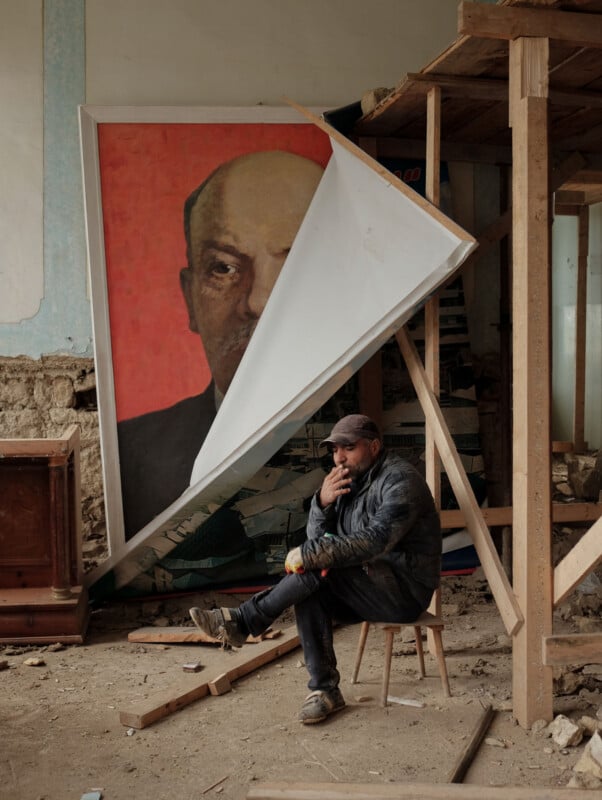
of the Soviet era, has been covered with contemporary images, October 2021.
From the series “Preserving Nature as Preserving Ourselves”
| © Damir Faizulin/LOBA 2026
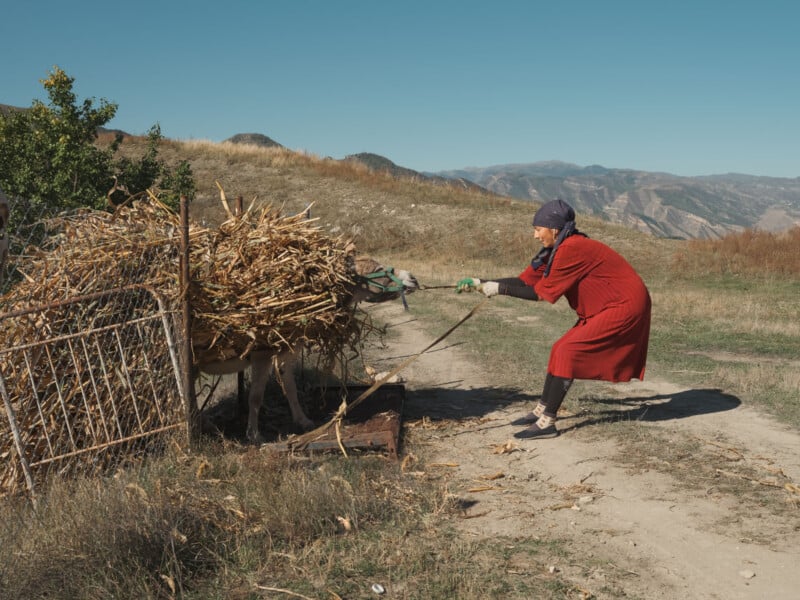
“Preserving Nature as Preserving Ourselves”
| © Damir Faizulin/LOBA 2026
“This is why, in 2021, I moved to Dagestan to explore the region in greater depth. It’s important to me that a photograph does not simplify reality, but rather helps us recognize its complexity,” he continues.
Damir Faizulin was born in Uzbekistan in 1986. After the Soviet Union collapsed, his family moved to Russia. Until he was 33, Faizulin was a successful professional wrestler and martial artist.
After attending documentary photography workshops hosted by photographer Dmitry Markov in Kaliningrad, Faizulin was hooked on photography. He began pursuing independent photography projects in 2020. LOBA is the very first international competition that Faizulin has participated in.
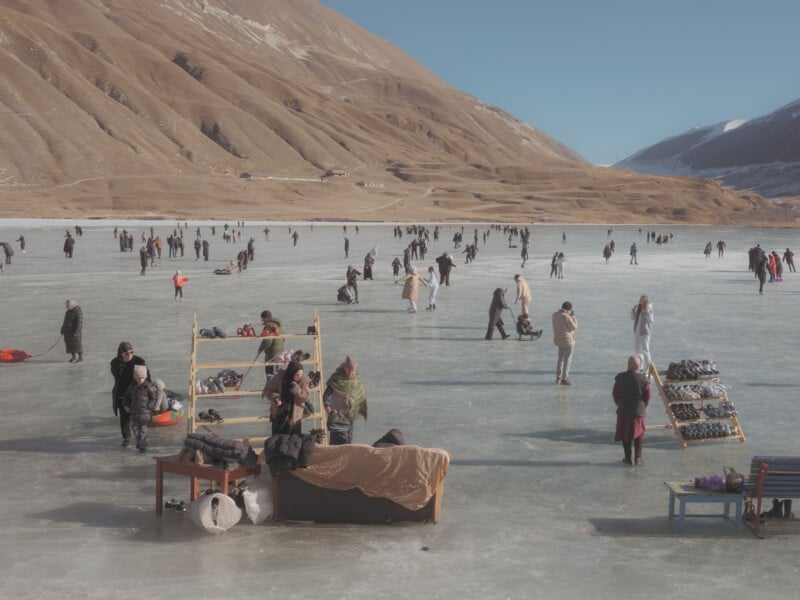
rink for local residents, Mochokh, January 2025. From the series “Preserving
Nature as Preserving Ourselves” | © Damir Faizulin/LOBA 2026
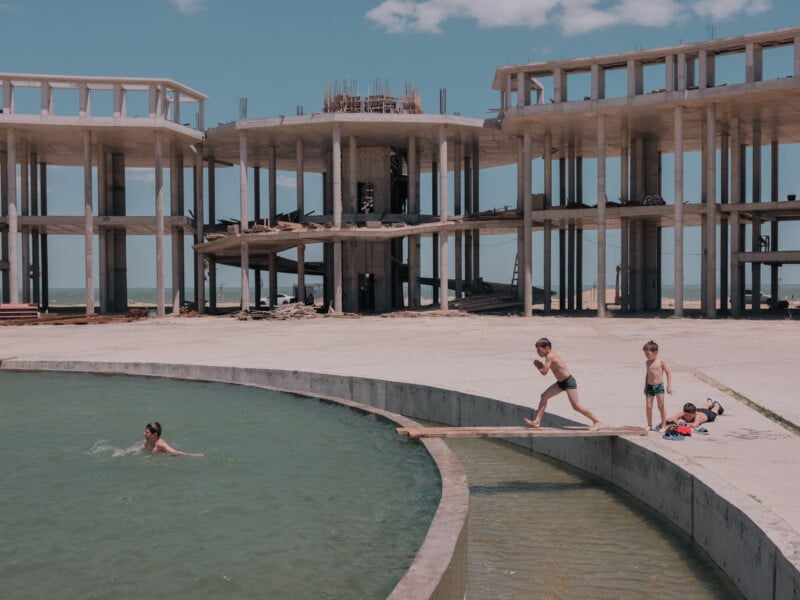
swimming spot, Makhachkala, June 2023. From the series “Preserving Nature
as Preserving Ourselves” | © Damir Faizulin/LOBA 2026
“Damir Faizulin’s series Preserving Nature as Preserving Ourselves impressively illustrates just how closely the well-being of humanity is linked to the state of our natural environment. Using calm, unhurried and occasionally humorous visual language, he sensitively addresses one of the most pressing issues of our time with a nuanced approach. His photographs invite us to reflect on our responsibility towards nature, encouraging us to reconsider our relationship with the environment,” says Rehn-Kaufmann.
“The visual coherence of the series is particularly compelling. Combining documentary precision with poetic visual language, Faizulin’s method creates photographs that are both moving and thoughtprovoking. It’s precisely this balance between thematic relevance and emotional depth that makes the work so special,” she continues.
Laila AnnMarie Stevens Takes Top Honors In the Newcomer Category
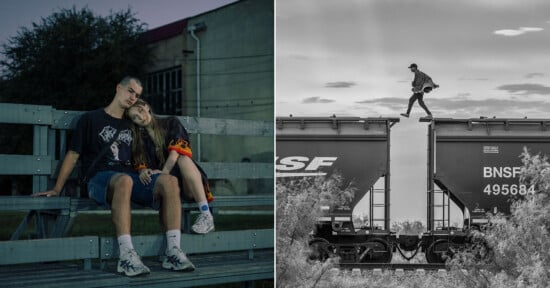
American photographer Laila AnnMarie Stevens is this year’s LOBA Newcomer Award winner for her project, Clayton Sisterhood Project.

Born in South Jamaica, Queens, in 2001, Stevens began working at The New York Times when she was just 20, with her work published in the paper’s “Metropolitan” section. Since then, her work has appeared in many other publications, and Stevens earned a Bachelor of Fine Arts in Photography and Media from the Fashion Institute of Technology in New York.

From the series “Clayton Sisterhood Project” | © Laila AnnMarie Stevens/LOBA 2026
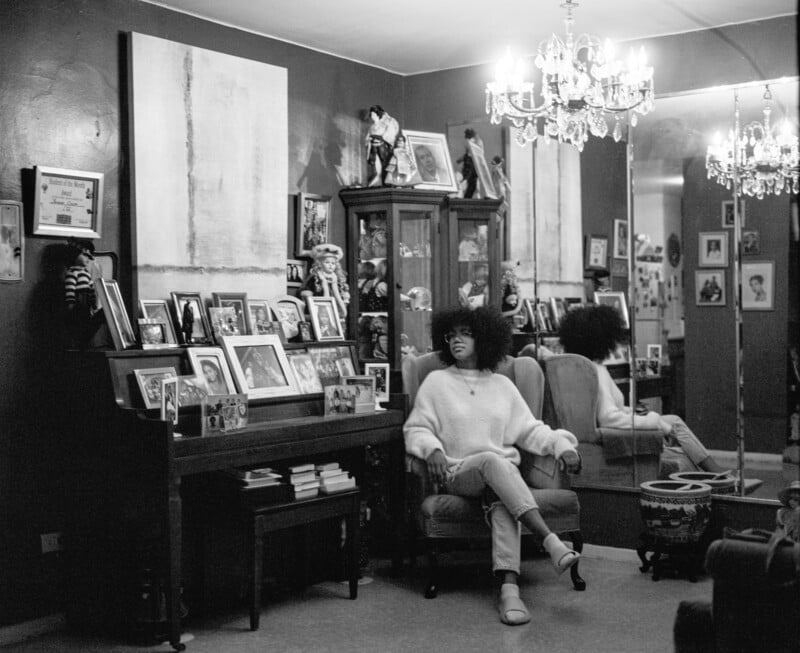
family, Rego Park, Queens, New York 2021. From the series “Clayton Sisterhood
Project” | © Laila AnnMarie Stevens/LOBA 2026
Her award-winning series looks at Stevens’ two sisters and four nieces, who together moved away from Queens to a shared house on a plot of land in Clayton, North Carolina. Stevens’ family carved out a new, very different way of life for themselves.
The black-and-white photo series examines contemporary kinship structures, including queer ones, and the legacy of self-confident, empowered Black women.
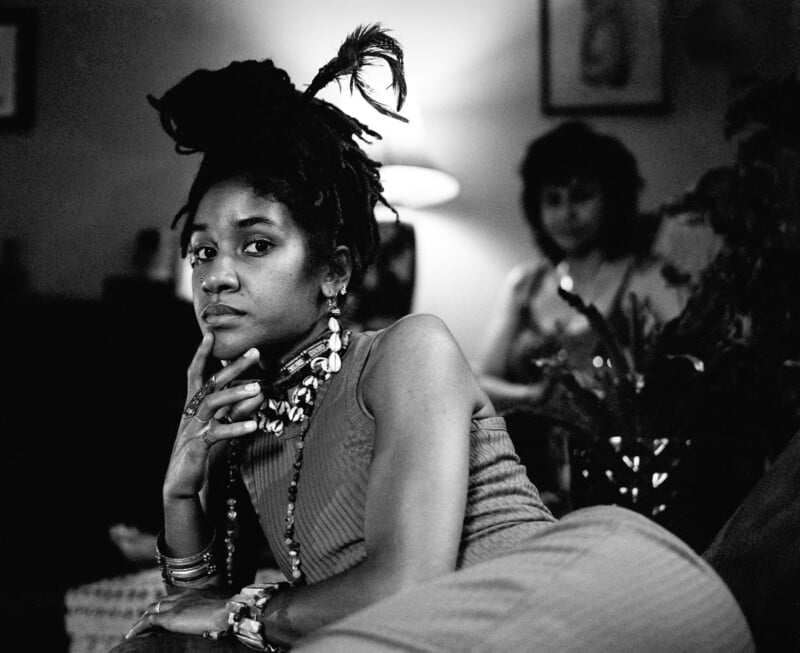
“Clayton Sisterhood Project” | © Laila AnnMarie Stevens/LOBA 2026
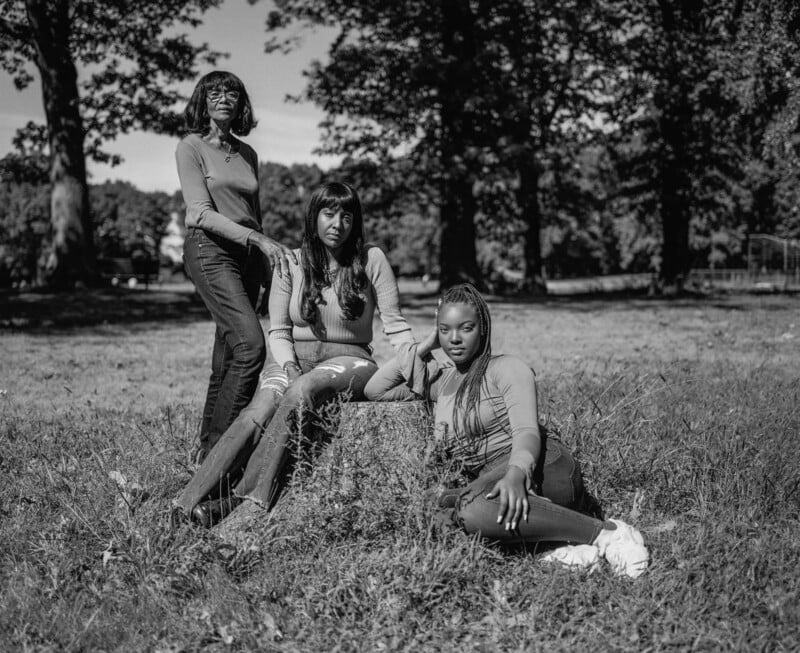
series “Clayton Sisterhood Project” | © Laila AnnMarie Stevens/LOBA 2026
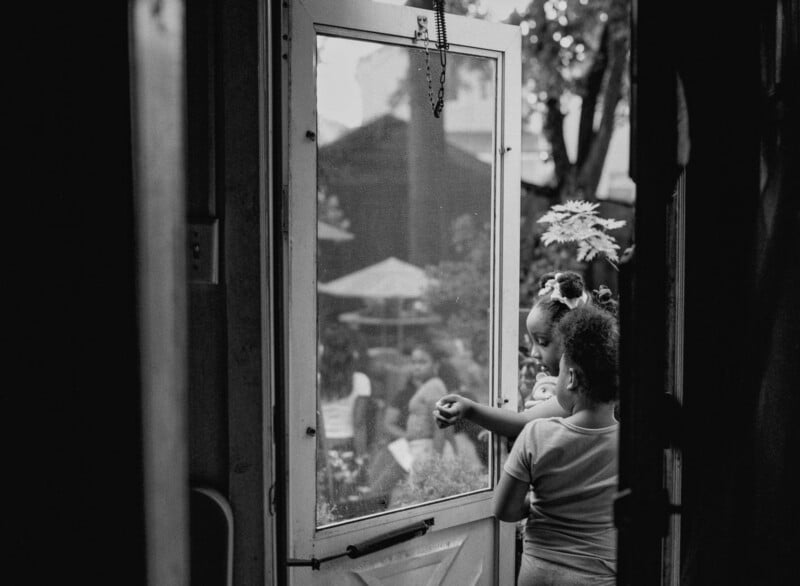
the series “Clayton Sisterhood Project” | © Laila AnnMarie Stevens/LOBA 2026
“When selecting these images, I wanted the works to reflect the various ways in which connection is expressed across generations. It’s incredibly encouraging to have my work recognized in this way,” Stevens says. “Taking into account the current political climate in the United States, where so many rights relating to autonomy, care and visibility are being actively challenged, this award has given me high hopes.”
“With the Clayton Sisterhood Project, Laila AnnMarie Stevens has created an intimate and authentic body of work. Its focus is on community, belonging, and female solidarity. Telling a story of resilience and the power of community, she approaches her subject with warmth, respect and sensitivity. The series highlights just how important solidarity and connection can be as sources of strength and hope,” Rehn-Kaufmann says.
The First LOBA Women Grant Winner, Valentina Sinis
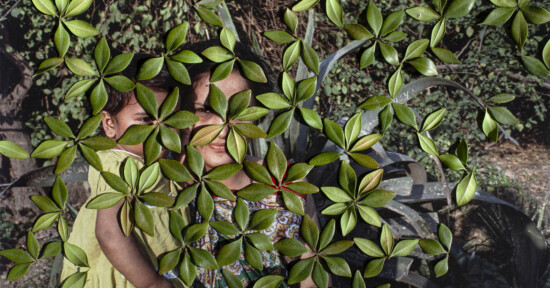
Italian photographer Valentina Sinis has won the inaugural 2026/2027 LOBA Women Grant. Through the grant, Sinis will continue her long-term project, The Last Butterflies, which focuses on Kurdish women who have left their homes to join an armed resistance in Iraq.
In a new chapter of the series, Sinis will explore how conflict shapes people and changes how they connect to their families, homes, and lands, aided by the grant. Sinis will continue to explore the very real human toll of war, which often runs deeper than it first appears.
“The Last Butterflies powerfully depicts the new role that women have been playing in war for some time now,” says Leica’s Karin Rehn-Kaufmann. “The images show how they are joining together to fight for their country without men, in a clear and moving depiction. It’s important that Valentina Sinis is able to continue and complete this project.”

The next chapter of Sinis’ series, The Last Butterflies, will be showcased at LOBA next year.
Image creditsLeica Oskar Barnack Award. Individual photographers are credited in the image captions.
Affiliate Disclosure PetaPixel articles may include affiliate links; we may earn a commission if you buy through one.