Trump Places 100% Tariffs on Heavy Drones, 25% on Smaller Ones
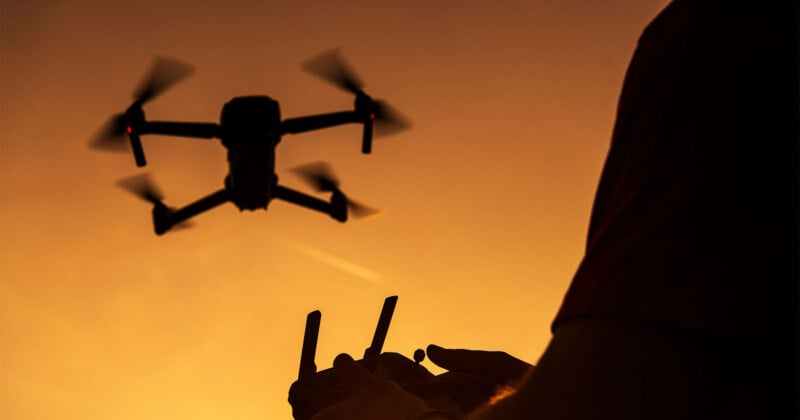
The Trump administration has imposed sweeping new tariffs on drones, slapping a huge 100 percent ad valorem tariff on imports of drones weighing over 25 kilograms (55 pounds). The new rules affect small consumer drones too, with sub-25-kilogram drones subject to a 25 percent tariff.
The new rules extend past China to U.S. allies, but different countries have different tariffs. The European Union, Japan, South Korea, Taiwan, Switzerland, and Liechtenstein all get a lower rate of 15 percent, while the U.K. gets 10 percent.
The Verge notes that there is a workaround for foreign drone manufacturers: produce the drones or parts in the United States and the tariffs are dropped.
The Trump administration cites national security concerns as the justification for the new tariffs. The president says that Commerce Secretary Howard Lutnick examined the effects of imports of unmanned aircraft systems (UAS) and found the U.S. is “too reliant” on foreign drones.
“The Secretary found that import penetration from foreign producers of UAS is substantial and that the United States is too reliant on foreign sources of UAS and UAS components,” Trump says.
The White House says the tariffs will come into effect in 21 days. For drone components that are not deemed to be particularly sensitive, the tariffs will be enforced 180 days after Trump has signed.
“President Trump’s drone tariff program will protect the national security of the United States and its defense and defense-adjacent industrial base, supporting and creating American jobs,” reads a release from The White House.
“President Trump has long recognized that America’s national security and economic strength depend on rebuilding key sectors of our industrial base.”
A U.S.-China tech competition expert tells The Financial Times that the new tariffs are a “big deal” since foreign drone companies will be forced to make an immediate “capital-intensive pivot” to suppliers in the U.S. or countries where the tariffs are cheaper.
“It still primarily targets China, but it’s designed to stop supply-chain laundering,” says Craig Singleton of the Foundation for Defense of Democracies.
Singleton adds that the new tariffs close a “backdoor” left by the Federal Communications Commission (FCC) that allowed companies in the U.S. to purchase Chinese components for drones and assemble them here.
Image creditsHeader photo licensed via Depositphotos.
Affiliate Disclosure PetaPixel articles may include affiliate links; we may earn a commission if you buy through one.