
No More Than 100,000 Satellites in the Sky if We Want to Preserve Astronomy
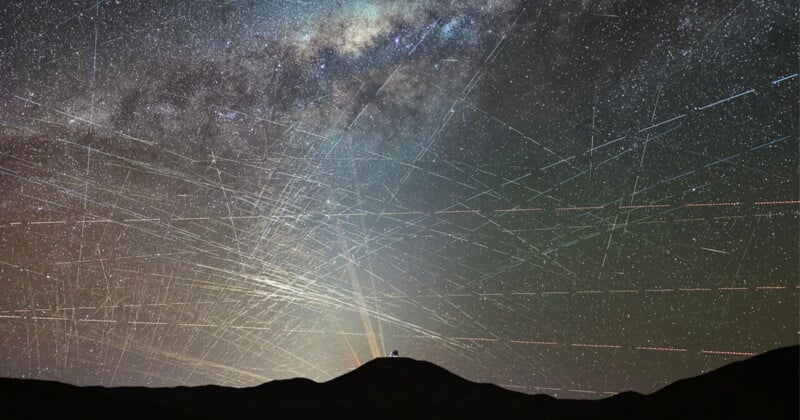
An astronomer claims that existing proposals for 1.7 million satellites, including incredibly bright ones, will have “devastating consequences” for humanity’s view of the Universe.
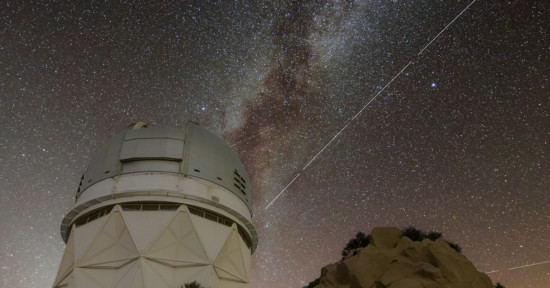
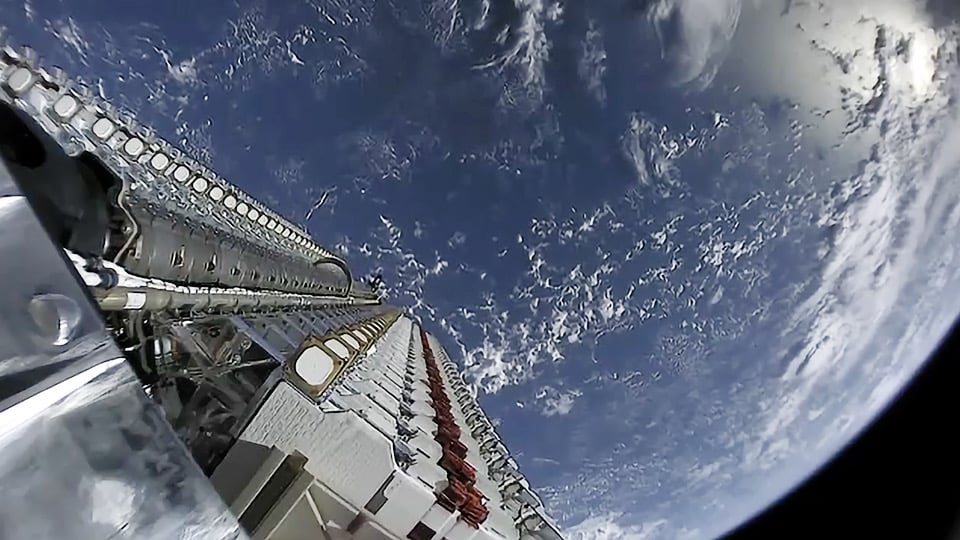
Oliver Hainaut, an astronomer at the European Southern Observatory (ESO), published a peer-reviewed paper in Astronomy & Astrophysics scientific journal, in which he argues there should be no more than 100,000 satellites in the sky for astronomers to continue their research. There are approximately 14,000 satellites, most of them operated by SpaceX, currently in low-Earth orbit.
Hainaut mentions specifically that these 100,000 satellites should be faint ones, not the recent U.S.-approved Reflect Orbital satellite that carries a 60-foot mirror that can reflect sunlight to dark locations.
SpaceX wants to launch one million satellites and has even floated the idea of orbital AI data centers. University of Regina astronomer Samantha Lawler tells Refractor that “satellite companies just keep asking for more, bigger, brighter, lower satellites, and it’s hard to keep up.”
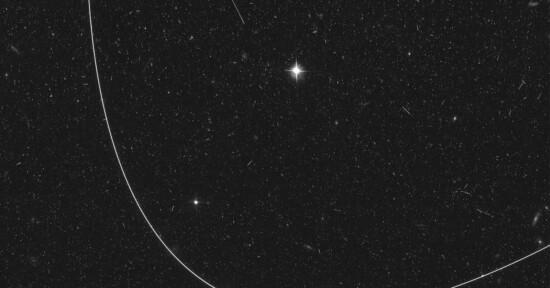
Hainaut took time out of his research to simulate what will happen to Earth-based space telescopes if satellites ever reach one million. He found that the Vera C. Rubin Observatory in Chile could have hours of observations spoiled each night, while the Very Large Telescope in Chile could lose 28% of its field-of-view. These results are based on satellites remaining invisible; if they become brighter, like Reflect Orbital, these telescopes would see even less of the great expanse.
If bright satellites like Reflect Orbital do become commonplace, then each satellite could become as bright as a plane. This means that hundreds of satellites would be visible, even in an urban area with a lot of light pollution.
Hainaut says that his 100,000 number is arbitrary. “This is not a hard number, like 99,999 is good and 100,001 is bad: clearly I’d prefer 50 000,” he says. “But 100,000 causes losses at about the level of other technical losses, such as equipment failure.”
He insists that his numbers factor in satellites being fainter than a visual magnitude of seven, which is below the minimum threshold for naked-eye visibility. Any brighter than that, and the number would need to come down.
Image creditsF. Kamphues, ESO/M. Kornmesser
Affiliate Disclosure PetaPixel articles may include affiliate links; we may earn a commission if you buy through one.