How Underwater Filmmaking Can Help Save Hammerhead Sharks Before It’s Too Late
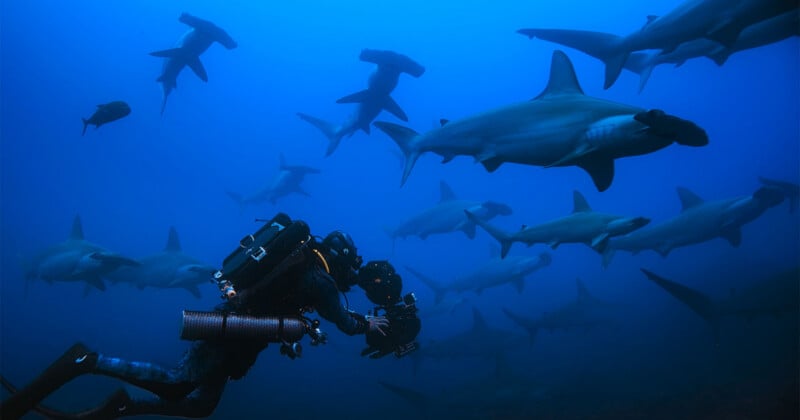
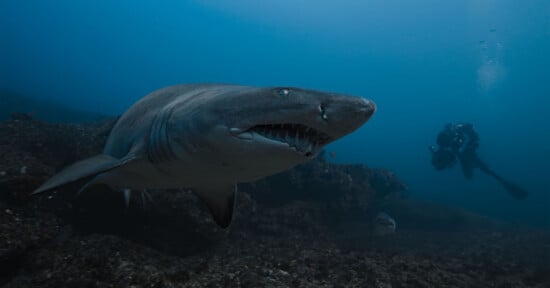
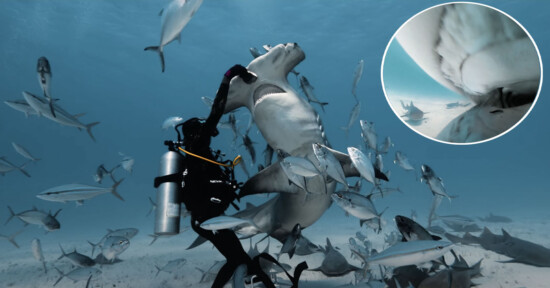
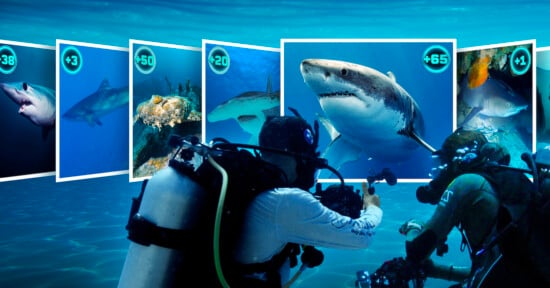
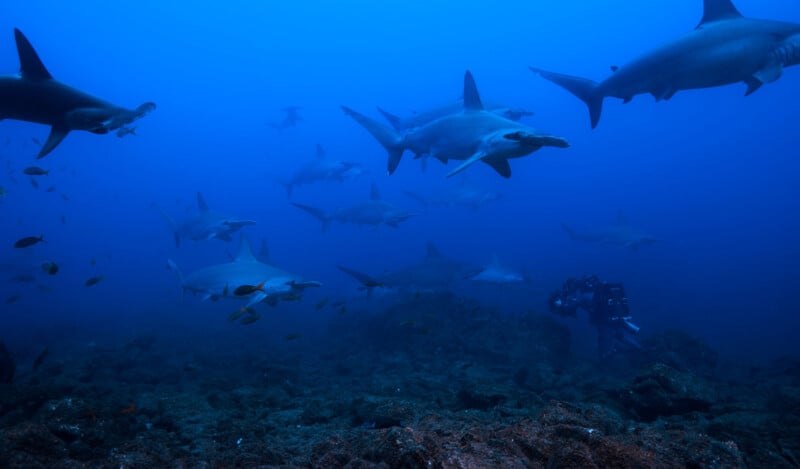
National Geographic kicked off its annual summer Sharkfest event in a huge way with a brand-new, jaw-dropping special, Hammerhead Sharks Up Close With Bertie Gregory. These eye-catching, iconic sharks are wildly misunderstood, unfairly feared, and face an existential threat. Gregory spoke to PetaPixel about his new special on hammerhead sharks and what people can do to protect marine life.
Bertie Gregory’s name should be familiar to anyone who enjoys nature and wildlife documentaries. Gregory, an award-winning cinematographer, filmmaker, and environmentalist, is perhaps best known for his Up Close series of nature documentaries, including Cheetahs Up Close and Dolphins Up Close. Gregory also worked on the acclaimed television mini series, Seven Worlds One Planet and A Perfect Planet.
Gregory is one of the premier names in wildlife filmmaking today. He is extremely committed to his craft and bringing science to the masses in a way that’s digestible, accessible, and entertaining.
“A picture paints a thousand words, right?” Gregory tells PetaPixel. “I don’t know the last time you read a scientific paper — you know, I studied zoology, I know how to read science, work with lots of scientists — science is not written for entertainment. Science is written for science… it’s often very dry, very boring.”
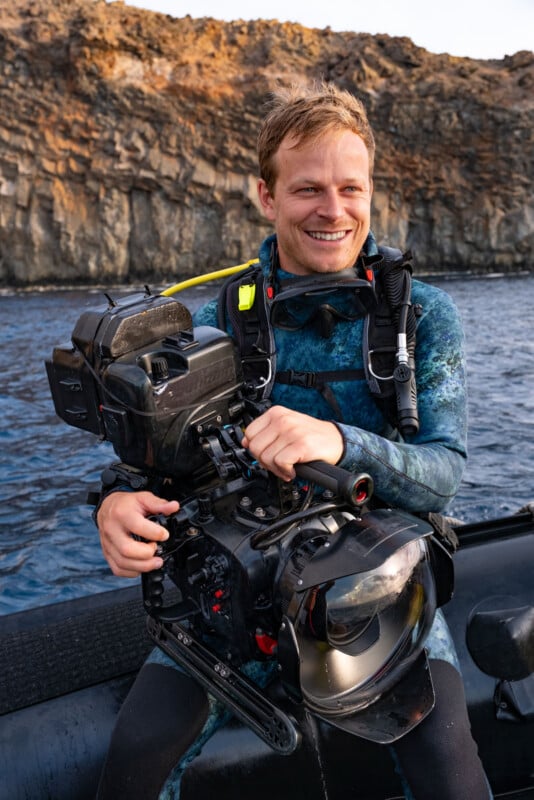
However, as Gregory knows firsthand, the science is also extremely important for decision-making processes, including political action and legislation. The mission then is to make that science easy to understand so that good research can drive appropriate actions.
“So my job is pairing that scientific data with visuals to bring it to life,” Gregory says. “Good decisions are based on data. But they’re often also based on emotion, and that’s where my work comes in.”
How Gregory brings that science to life through pictures depends largely on which animal he’s filming. In the case of cheetahs in Cheetahs Up Close, he and his team used massive rigs with remotely controlled super-telephoto zoom lenses attached to trucks, super-fast drones, and groundbreaking technology. Filming hammerhead sharks underwater is an entirely different ballgame.
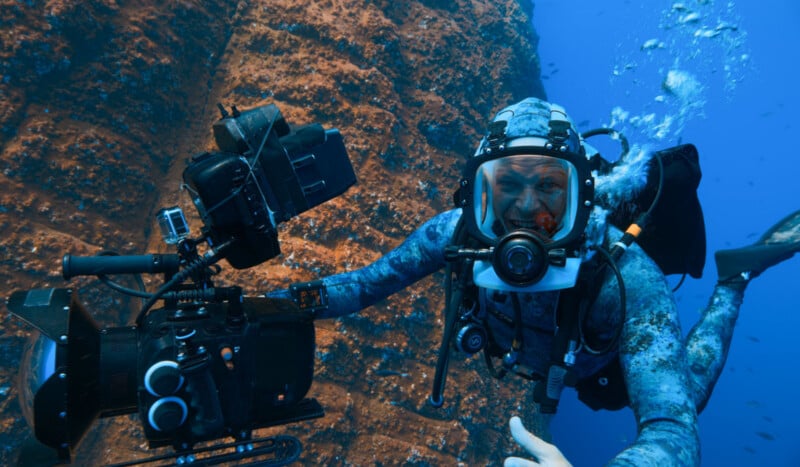
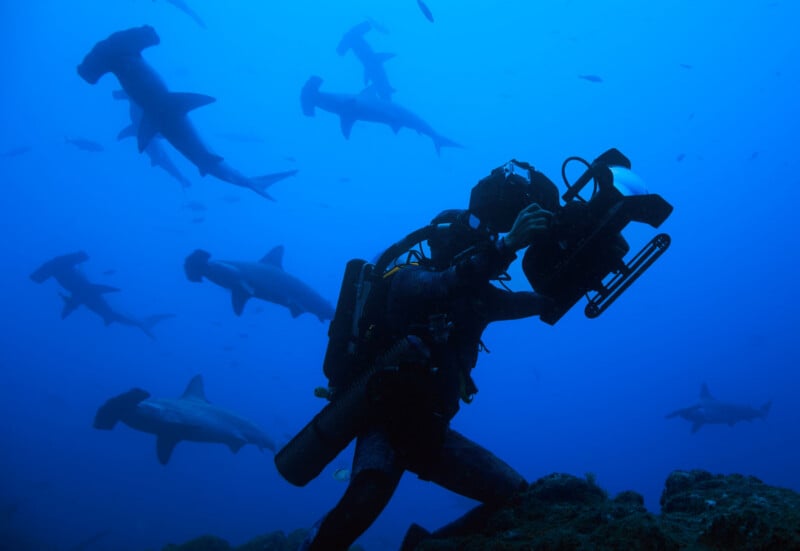
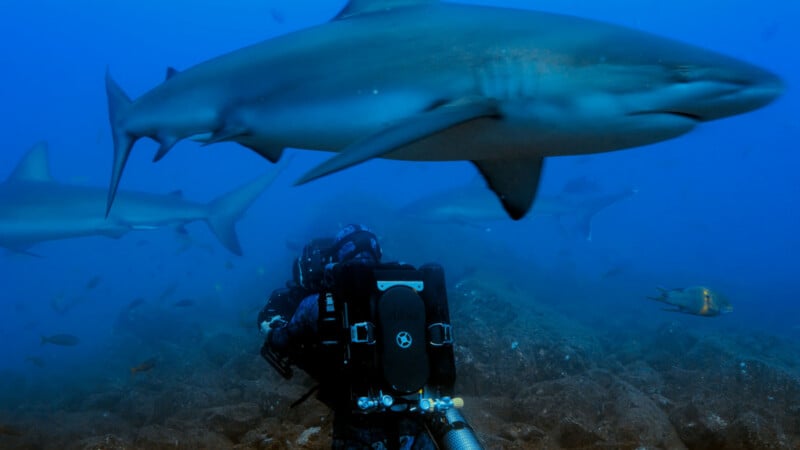
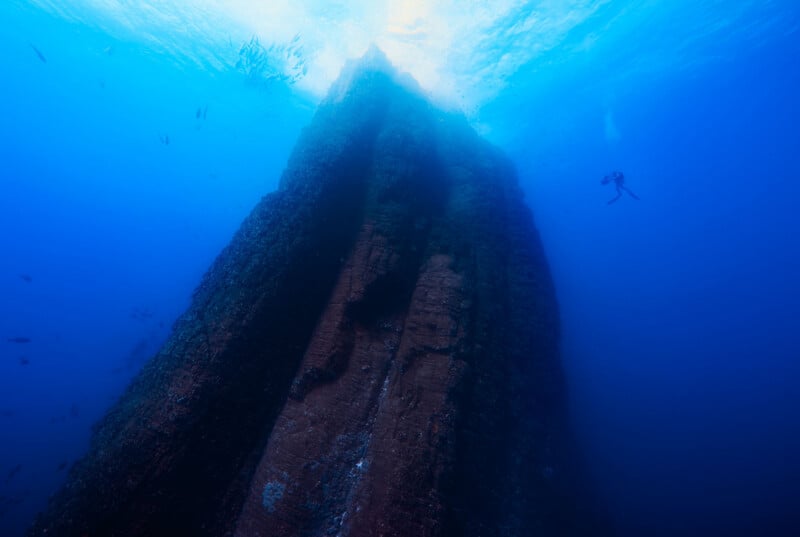
“One of the key benefits of being underwater is that because water is viscous, it’s like you’re shooting with a gimbal the entire time,” Gregory says. “So on land, in order to track alongside the cheetahs, we needed a half-a-million-dollar camera system and drones and things. Underwater, you can just, if you’re good, swim around and it’s like you’ve got a gimbal in your hand. So it’s a lot more immersive.”
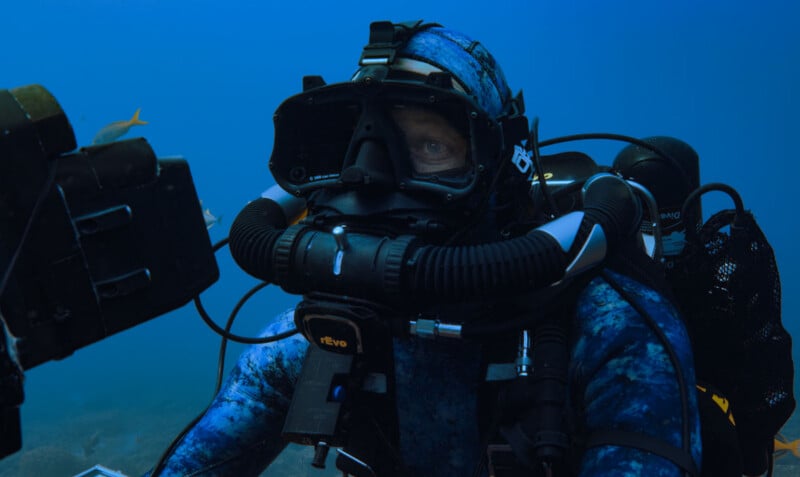
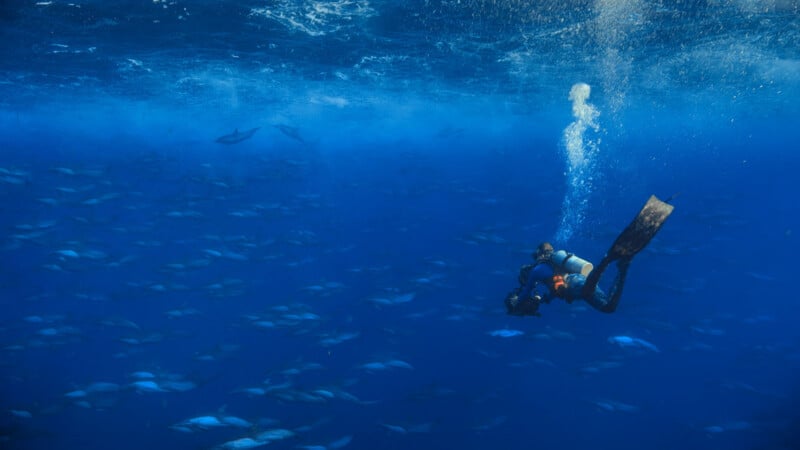
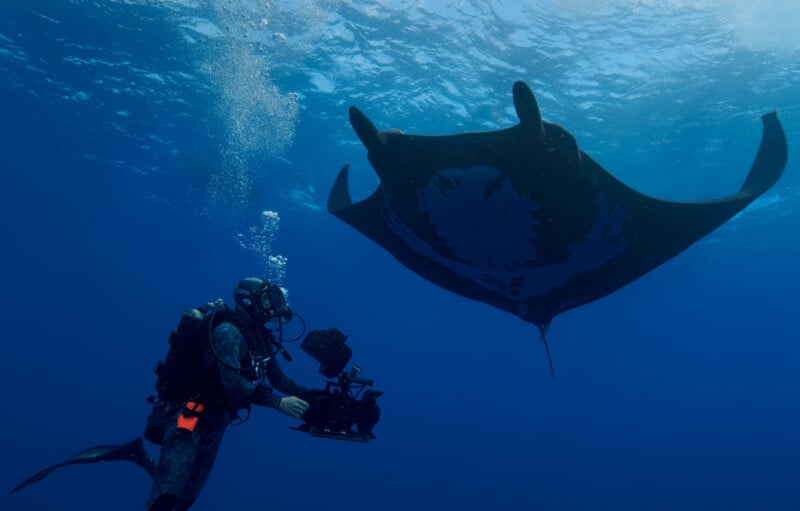
“Unfortunately, we can’t breathe underwater,” Gregory laughs. “It’s very annoying. So we traditionally use scuba equipment, but those bubbles are noisy. Hammerhead sharks are very shy.”
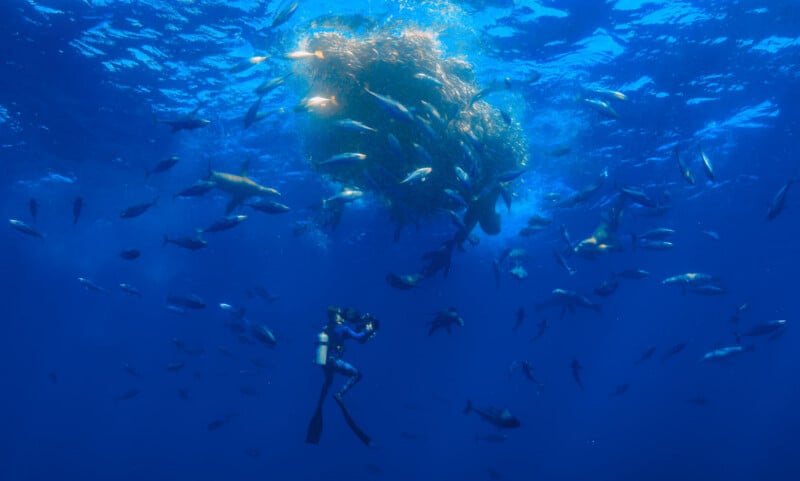
Gregory and the team used rebreathers for Hammerhead Sharks Up Close. These military-grade apparatus recycle the wearer’s air, which is significantly quieter than scuba gear. Gregory says the quietness is “key” because hammerhead sharks are very quick to hide.
That’s a big misconception about sharks in general, that they are aggressive, man-eating killers. It’s just not true. There were 65 confirmed unprovoked shark bites worldwide last year, nine of them, unfortunately, fatal. Given the total number of people who go into the ocean every year, shark bites are exceedingly rare. In the case of hammerhead sharks specifically, they are even rarer still. There are just over 30 documented hammerhead shark bites on record since 1580.
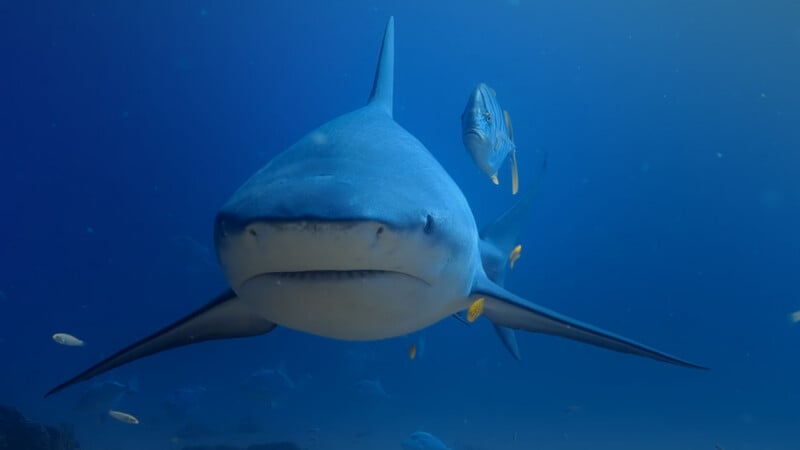
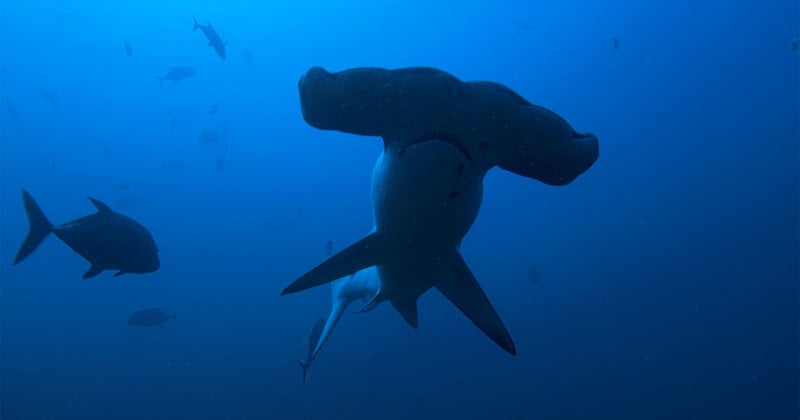
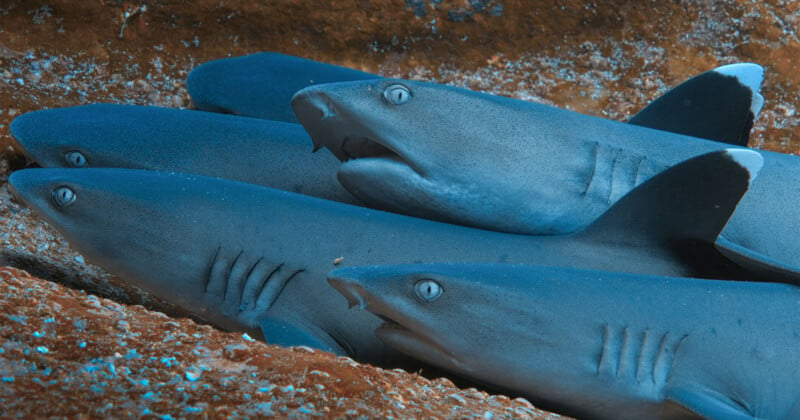
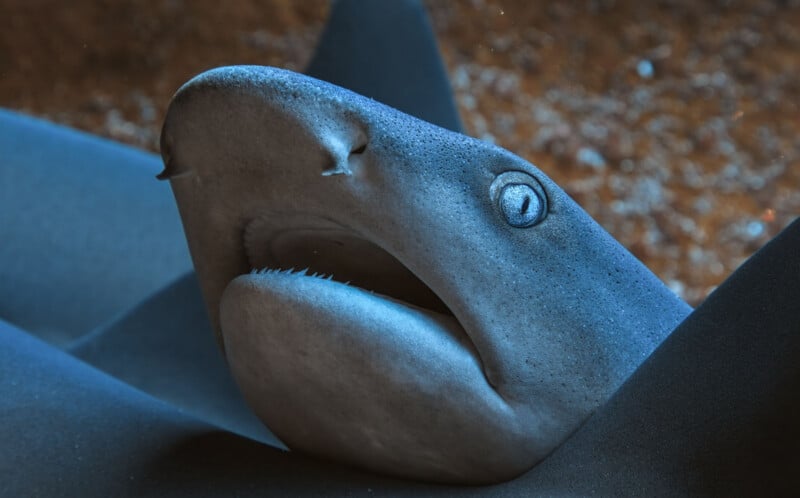
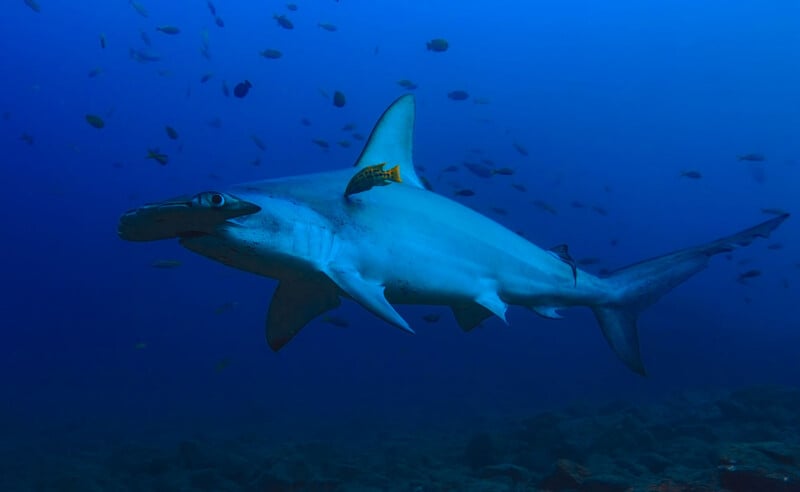
“I think a lot of people believe they’re quite sort of dangerous and aggressive,” Gregory says of hammerhead sharks. “But the reality is, in the case of the scalloped hammerhead sharks, the species we were focusing on, it’d have been nice if they were a bit more interested in us. It’d certainly make filming them easier. We spent the entire time trying to sneak up on them and working hard to get close.”
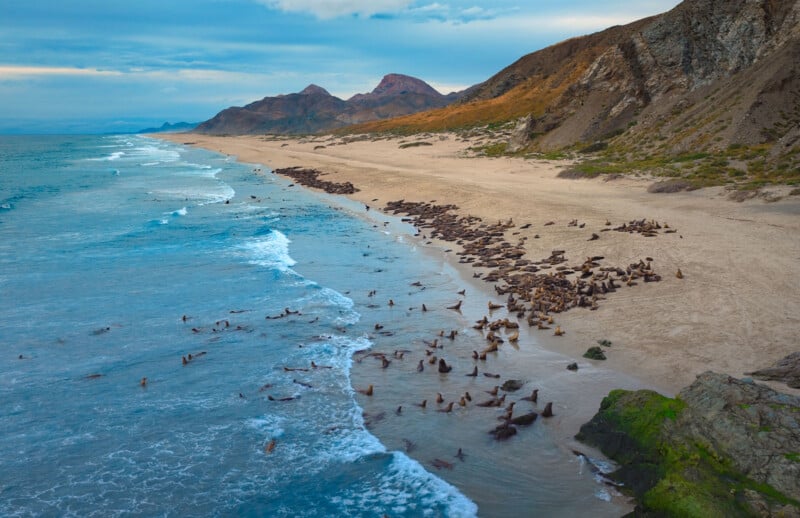
Sadly, scalloped hammerheads, which used to be plentiful in the waters around the Baja Peninsula where Gregory filmed a lot, are facing an existential threat.
“Since the 90s, because of the massive rise in shark fishing for shark fin soup, the population around the peninsula has fallen off,” Gregory explains. “They’ve suffered a 97% decline since the 90s.”
While this tragedy gets significant attention in the new documentary, National Geographic also has a written feature that takes a closer look at the threats hammerhead sharks face, the greatest of which is humanity.
Humans also have the potential to undo some of this damage and get sharks back on the right path. While it is not particularly difficult to justify the value of any living animal in and of itself, as Gregory says, sharks are exceptionally important to the ocean ecosystem, which is in turn vital to humanity’s survival and ability to thrive.
“You should want to look after sharks not just because I’m telling you they’re not scary and dangerous and that they look cool, but you should want to look after sharks because they’re really important ecosystem engineers,” Gregory says. “They keep the ecosystem in balance and make the ocean healthier.
“And that’s not something we should want to do because they’re interesting or because morally that’s the right thing to do. We humans benefit when the ocean’s healthy. Just come at it from a totally selfish perspective, and it doesn’t really matter what you think about sharks. That’s what I’m trying to shout about.”
Hammerhead Sharks Up Close With Bertie Gregory is available now on Disney+, Hulu, and National Geographic. If viewers could take just three things from his new film, Gregory hopes it would be this:
“Hammerhead sharks are awesome. That’s point one,” he exclaims.
“Point two, don’t be scared of sharks. Be respectful of them. But they should be a lot more scared of us than we are of them based on what we’re doing to them.”
Perhaps most importantly, “the ocean needs more marine protected areas.”
“Find out who the local authority is responsible for making those decisions and tell them to make more. If we all do that, the oceans, and humans, will be in a much better place.”
Image creditsNational Geographic
Affiliate Disclosure PetaPixel articles may include affiliate links; we may earn a commission if you buy through one.